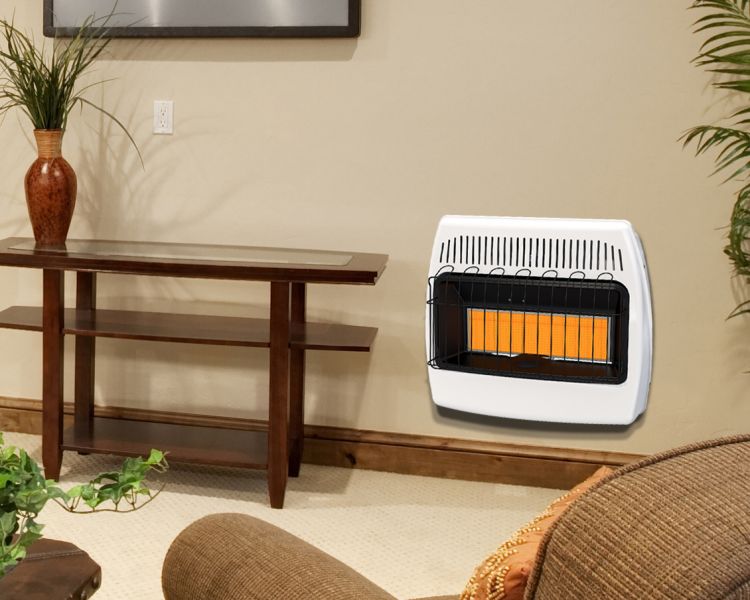
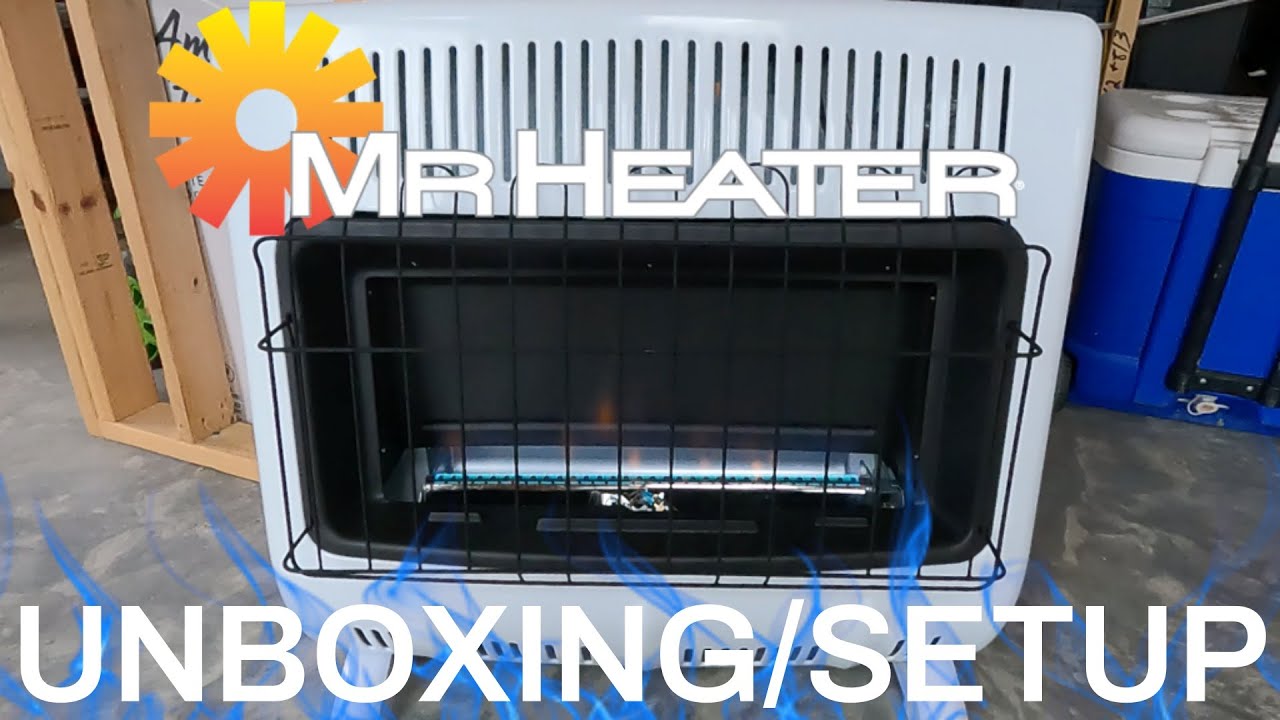
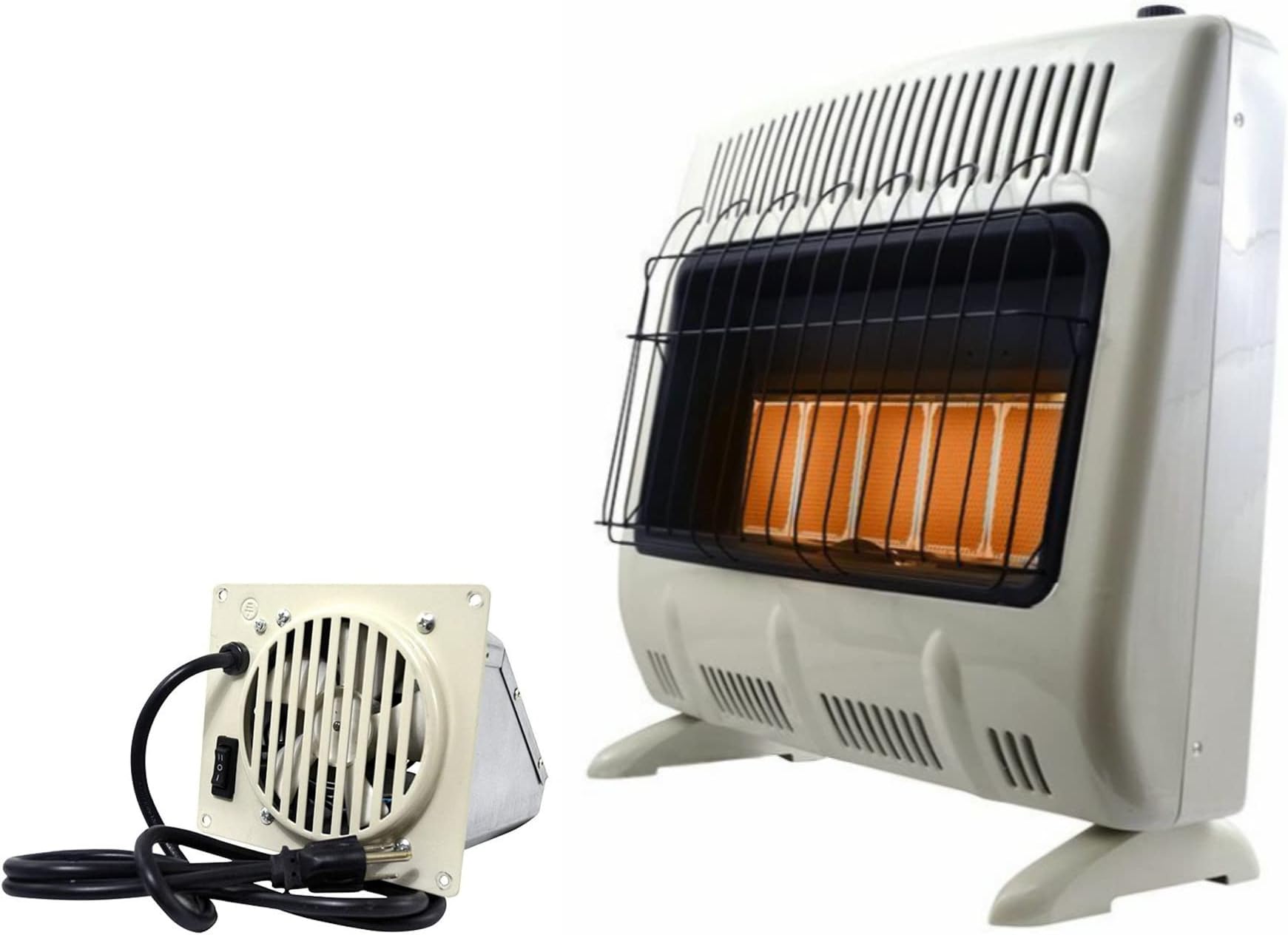
30000 Btu Direct Vent Propane Heater
Many homeowners rely on 30,000 BTU direct vent propane heaters for efficient and effective supplemental heating. However, like any appliance, these heaters can experience issues. A common problem is the heater failing to ignite or shutting down shortly after ignition. This can be frustrating, especially when you're counting on the heater for warmth.
Before calling a professional, let’s walk through a methodical troubleshooting process. These steps will help you identify the root cause of the problem and, in many cases, resolve it safely and easily.
Step 1: Preliminary Checks – The Foundation of Troubleshooting
Before diving into more complex diagnostics, it's crucial to perform some basic checks. These often reveal simple problems that are easily rectified.
Check the Propane Supply
This is the most common culprit. A low or empty propane tank will obviously prevent the heater from working correctly. Don't assume the tank is full just because you think it was recently filled. Gauges can be inaccurate, and usage varies depending on the weather.
- Visually Inspect the Tank: Check the tank's pressure gauge. A reading near zero indicates an empty or nearly empty tank. If you have a larger tank, check the liquid level indicator, if equipped.
- Check Other Propane Appliances: If you have other propane appliances, such as a stove or water heater, try using them. If they are also not working, it strongly suggests a propane supply issue.
- Listen for Propane Flow: Carefully listen near the heater's gas valve when you try to start the heater. You should hear a faint hiss of propane. If you smell a strong odor of propane at any point, immediately shut off the gas supply at the tank and call your propane supplier or a qualified technician.
DIY Fix: If the tank is low, schedule a propane delivery. After the refill, follow the propane supplier's instructions for purging air from the lines. This is crucial for proper operation.
Verify Power Supply
While most direct vent propane heaters use propane for combustion, they often require electricity for the ignition system, blower fan (if equipped), and safety controls.
- Check the Circuit Breaker: Locate the circuit breaker that supplies power to the heater and ensure it hasn't tripped.
- Inspect the Power Cord and Plug: Make sure the power cord is securely plugged into the outlet and that the cord itself is in good condition. Look for any signs of damage, such as cuts or frayed wires.
- Test the Outlet: Use a multimeter or a known working device (like a lamp) to verify that the outlet is providing power.
DIY Fix: Reset the circuit breaker if it's tripped. Replace a damaged power cord. If the outlet is faulty, try a different outlet or have the outlet repaired by an electrician.
Ensure Proper Venting
Direct vent heaters rely on a specific venting system to safely exhaust combustion gases and draw in fresh air. Obstructed or improperly installed vents can cause the heater to malfunction or even create a dangerous situation.
- Visually Inspect the Vent Termination: Check the outside vent termination for any obstructions, such as snow, ice, leaves, bird nests, or other debris.
- Check the Vent Pipe: Inspect the vent pipe for any signs of damage, such as dents, cracks, or loose connections. Ensure the vent pipe is properly sloped to prevent condensation from accumulating.
- Verify Proper Vent Installation: The vent pipe should be installed according to the manufacturer's specifications. This includes the correct pipe diameter, length, and number of elbows.
DIY Fix: Remove any obstructions from the vent termination. Re-secure loose vent pipe connections. Do not attempt to alter the vent pipe configuration without consulting the manufacturer's instructions and a qualified technician. Improper venting can lead to carbon monoxide poisoning.
Step 2: Ignition System Troubleshooting
If the propane supply, power, and venting are all in order, the next step is to investigate the ignition system. This system is responsible for creating the spark or heat that ignites the propane gas.
Inspect the Pilot Light (If Applicable)
Some older direct vent propane heaters use a pilot light. If your heater has a pilot light, check to see if it's lit. If it's not, follow the manufacturer's instructions to relight it.
- Locate the Pilot Light Assembly: This is usually located near the burner assembly and has a small metal tube that delivers gas to the pilot light.
- Follow Lighting Instructions: Most heaters have instructions printed on a label near the pilot light assembly. These instructions typically involve holding down a pilot button while igniting the gas with a spark igniter or a match.
- Observe the Pilot Flame: The pilot flame should be a strong, steady blue flame. A weak, yellow, or flickering flame indicates a problem.
DIY Fix: If the pilot light goes out frequently, check for drafts that might be blowing it out. Also, ensure the pilot light orifice is clean. You can use a small wire or a can of compressed air to clear any debris. Be extremely careful when working around gas lines and open flames.
Check the Igniter
Many newer direct vent propane heaters use an electronic igniter instead of a pilot light. The igniter creates a spark that ignites the propane gas.
- Listen for the Clicking Sound: When you turn on the heater, you should hear a clicking sound from the igniter as it tries to create a spark.
- Visually Inspect the Igniter: If you can safely access the igniter, visually inspect it for any signs of damage, such as cracks or broken wires.
- Test the Igniter with a Multimeter (Advanced): This requires disconnecting the igniter and using a multimeter to measure its resistance. Consult the heater's service manual for the correct resistance value. Only attempt this if you are comfortable working with electrical components.
DIY Fix: If the igniter is clicking but the heater is not igniting, the igniter might be dirty or misaligned. Carefully clean the igniter with a soft cloth. Ensure the igniter is positioned correctly near the burner. If the igniter is damaged, it will need to be replaced. This is often best left to a qualified technician.
Step 3: Flame Sensor/Thermocouple Issues
The flame sensor or thermocouple is a safety device that detects the presence of a flame. If the flame sensor doesn't detect a flame, it will shut off the gas supply to prevent unburned propane from accumulating.
Identify the Flame Sensor/Thermocouple
The flame sensor is usually a small metal rod located near the burner. A thermocouple is a similar device, but it generates a small electrical current when heated by the flame.
Clean the Flame Sensor/Thermocouple
A dirty flame sensor or thermocouple can prevent it from detecting the flame properly.
- Turn off the Heater: Before cleaning the flame sensor, turn off the heater and allow it to cool down completely.
- Locate the Flame Sensor: It's usually positioned directly in the path of the flame.
- Clean the Sensor: Use a fine-grit sandpaper or steel wool to gently clean the surface of the flame sensor. Remove any carbon deposits or oxidation.
DIY Fix: Carefully clean the flame sensor as described above. Make sure the sensor is securely connected. If cleaning doesn't solve the problem, the flame sensor may need to be replaced. This is a relatively simple repair, but if you're not comfortable doing it yourself, it's best to call a technician.
Step 4: Gas Valve Problems
The gas valve controls the flow of propane to the burner. A malfunctioning gas valve can prevent the heater from igniting or cause it to shut down prematurely.
Listen for the Gas Valve Opening
When you turn on the heater, you should hear a faint click or hum as the gas valve opens.
Check the Gas Valve Wiring
Inspect the wiring to the gas valve for any signs of damage, such as loose connections or frayed wires.
Test the Gas Valve with a Multimeter (Advanced)
This requires disconnecting the gas valve and using a multimeter to measure its resistance. Consult the heater's service manual for the correct resistance value. Only attempt this if you are comfortable working with electrical components and have a thorough understanding of gas valve operation.
DIY Fix: There are very limited DIY fixes for a malfunctioning gas valve. Attempting to repair a gas valve without proper training and equipment is extremely dangerous. If you suspect a problem with the gas valve, immediately call a qualified technician.
When to Call a Professional
While many issues with direct vent propane heaters can be resolved with simple troubleshooting and DIY fixes, there are certain situations where it's essential to call a qualified technician. Never attempt repairs that you are not comfortable with or that involve gas lines or electrical components if you lack the necessary expertise.
Call a professional if:
- You smell a strong odor of propane.
- You suspect a problem with the gas valve.
- You are uncomfortable working with gas lines or electrical components.
- The heater continues to malfunction after you have tried the troubleshooting steps outlined above.
- You are unsure about any aspect of the repair process.
- Your heater is still under warranty. Attempting DIY repairs may void the warranty.
- The problem involves the venting system and you are unsure about the proper installation or repair procedures.
By following these troubleshooting steps, you can often diagnose and resolve common problems with your 30,000 BTU direct vent propane heater. Remember to always prioritize safety and call a professional when in doubt.