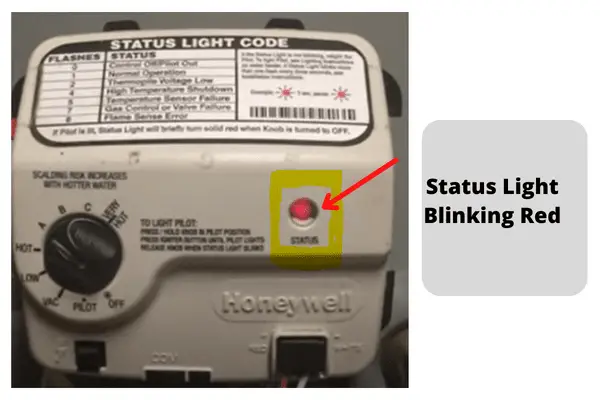
Blinking Light On Hot Water Heater

A blinking light on your hot water heater might seem like a minor nuisance, but it’s often a crucial indicator of a problem that could lead to higher energy bills, inefficient operation, or even a complete system failure. Understanding what that blinking light signifies and how to address it is a key step in maintaining an energy-efficient and cost-effective hot water system, whether you're a homeowner, business owner, or HVAC professional.
Decoding the Blinking Light: Common Causes and What They Mean
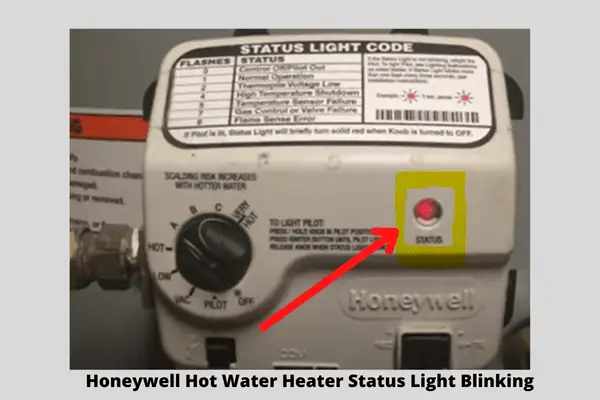
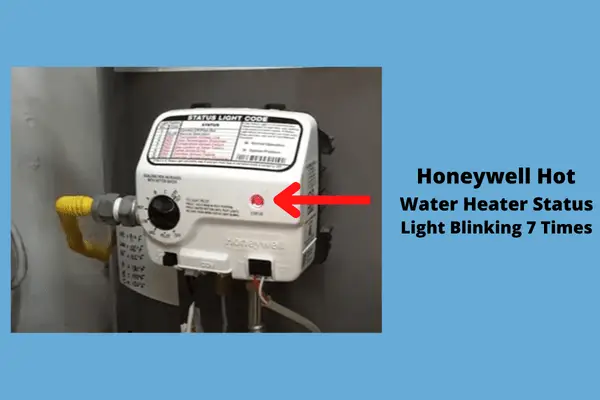
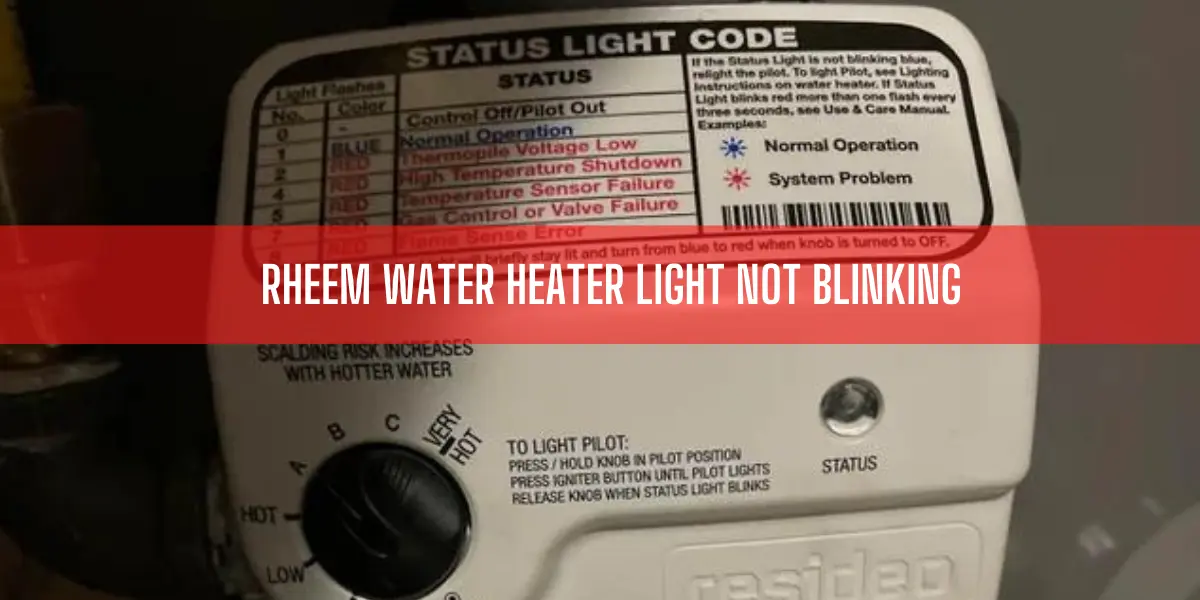
The diagnostic codes conveyed through blinking lights vary significantly between hot water heater models and manufacturers. Always consult your owner's manual first. However, here are some common issues that blinking lights often indicate:
- Flame Sensor Issues: This is especially common in gas-fired water heaters. A blinking light could mean the flame sensor isn't detecting a flame, even when gas is being supplied. This could be due to a dirty sensor, a faulty igniter, or a problem with the gas supply.
- Thermocouple Problems: Similar to flame sensors, thermocouples are safety devices that shut off the gas supply if the pilot light goes out. A blinking light could point to a faulty thermocouple that needs replacement.
- Overheating: Many models have high-temperature limit switches that shut down the heater if it overheats. A blinking light could signal that the water temperature has exceeded a safe level.
- Gas Supply Issues: Insufficient gas pressure or a blocked gas line can prevent the burner from lighting properly, triggering a blinking light.
- Pilot Light Problems: For older models with a standing pilot light, a blinking light might indicate that the pilot light has gone out and needs relighting or that the pilot light assembly is malfunctioning.
- Faulty Thermostat: A malfunctioning thermostat can cause erratic heating behavior and trigger a blinking light. In electric models, this could also indicate a problem with the heating element.
- Ignition Failure: For newer, electronically ignited models, a blinking light may signal an issue with the ignition system, such as a faulty igniter or control module.
- Power Vent Issues: If your gas water heater has a power vent, the blinking light could be related to a problem with the vent motor or pressure switch.
- Scale Buildup: Excessive scale buildup in the tank can reduce efficiency and potentially trigger a blinking light related to overheating or sensor malfunction.
Electric Water Heaters: Specific Blinking Light Diagnoses
For electric water heaters, the blinking light sometimes indicates a specific electrical fault. Pay close attention to any accompanying error codes or blinking patterns.
- Failed Heating Element: Electric water heaters use heating elements to warm the water. A blown element will prevent water from heating, and the blinking light will usually indicate which element needs replacement.
- High Limit Switch Tripped: Similar to gas heaters, electric heaters have a high limit switch to prevent overheating. If this trips, the light will blink. This can often be reset manually, but repeated tripping indicates a more serious problem.
- Wiring Issues: Loose or corroded wiring can cause intermittent heating and a blinking light. Check the connections and wiring in the control panel.
The ROI of Addressing Hot Water Heater Issues Promptly
Ignoring a blinking light can have significant financial consequences. Here's why addressing the issue promptly offers a strong return on investment (ROI):
- Reduced Energy Consumption: A malfunctioning hot water heater operates inefficiently, consuming more energy to heat the same amount of water. Fixing the problem restores efficiency and lowers your energy bills. For example, a faulty thermostat can cause the heater to run constantly, increasing energy consumption by as much as 50%.
- Prevent Costly Repairs: Small problems can escalate into major issues if left unattended. Addressing a minor issue early on can prevent the need for expensive repairs or even a complete system replacement. Replacing a simple thermocouple, for example, is far less expensive than replacing the entire water heater due to corrosion caused by prolonged inefficiency.
- Extended Lifespan: Proper maintenance and timely repairs can significantly extend the lifespan of your hot water heater. Addressing issues like scale buildup or a faulty heating element prevents premature failure and maximizes the return on your initial investment. The average lifespan of a water heater is 8-12 years; proper maintenance can push that towards 15 years.
- Improved Safety: A malfunctioning hot water heater can pose safety risks, such as gas leaks or scalding water. Addressing the issue promptly ensures the safety of your home or business.
Consider this: The average cost to replace a hot water heater ranges from $800 to $2,500, including installation. By spending a few hundred dollars on a minor repair, you can potentially avoid this expense for several years.
Smart Hot Water Heaters and Energy Efficiency
Investing in a smart hot water heater offers several advantages in terms of energy efficiency and cost savings. These advanced systems often feature:
- Real-Time Monitoring: Smart hot water heaters provide real-time data on water temperature, energy consumption, and potential issues, allowing you to identify and address problems proactively.
- Remote Control: You can adjust the water temperature and operating schedule remotely via a smartphone app, optimizing energy usage based on your needs. For example, you can lower the temperature when you're away on vacation or during periods of low demand.
- Leak Detection: Many smart models have built-in leak detection systems that alert you to potential leaks, preventing water damage and wasted energy.
- Integration with Smart Home Systems: Smart hot water heaters can integrate with other smart home devices, such as smart thermostats and occupancy sensors, to further optimize energy usage. For instance, the water heater can adjust its temperature based on the thermostat's settings or occupancy patterns.
- Energy Usage Reports: Smart models provide detailed energy usage reports, allowing you to track your consumption and identify areas for improvement.
According to Energy Star, certified smart water heaters can save homeowners up to $350 per year on their energy bills. This translates to a significant ROI over the lifespan of the appliance.
Smart Thermostats and Hot Water Heater Efficiency
Even if you don't have a smart hot water heater, integrating a smart thermostat can indirectly improve your hot water efficiency. Here's how:
- Occupancy-Based Heating: Smart thermostats can detect when you're away from home and lower the heating temperature, reducing the demand for hot water.
- Scheduled Heating: You can program the thermostat to adjust the temperature based on your schedule, ensuring that you're only heating your home when you need it. This reduces the amount of hot water needed for showers and other activities.
- Learning Algorithms: Smart thermostats use learning algorithms to optimize heating schedules based on your preferences and habits, further reducing energy consumption and hot water demand.
By reducing overall energy consumption, a smart thermostat indirectly reduces the workload on your hot water heater, extending its lifespan and improving its efficiency. Consider pairing a smart thermostat with flow-restricting showerheads and faucet aerators for even greater savings.
Rebates and Incentives for Energy-Efficient Hot Water Heaters
Many utility companies and government agencies offer rebates and incentives for homeowners and businesses who install energy-efficient hot water heaters. These incentives can significantly reduce the upfront cost of upgrading to a more efficient system.
Here's how to find rebates and incentives:
- Energy Star Website: The Energy Star website (energystar.gov) provides a comprehensive list of rebates and incentives available in your area.
- Utility Company Websites: Check the websites of your local utility companies for specific rebates and programs.
- State Energy Offices: Many states offer their own energy efficiency programs and incentives. Visit your state's energy office website for more information.
- HVAC Contractors: Your HVAC contractor can often help you identify and apply for available rebates and incentives.
For example, some states offer rebates of up to $500 for Energy Star-certified heat pump water heaters. These incentives can make upgrading to a more efficient system a financially attractive option.
Troubleshooting the Blinking Light: A Step-by-Step Approach
Before calling a professional, try these troubleshooting steps (always disconnect the power or gas supply before working on the unit):
- Consult the Owner's Manual: This is the most important step. The manual will provide specific information about the blinking light code and its meaning for your model.
- Check the Power or Gas Supply: Ensure that the water heater is receiving power or gas. Check the circuit breaker or gas valve.
- Reset the High-Temperature Limit Switch: If the blinking light indicates overheating, try resetting the high-temperature limit switch (refer to your owner's manual for the location of this switch).
- Clean the Flame Sensor or Thermocouple: If the blinking light indicates a flame sensor or thermocouple problem, try cleaning the sensor or thermocouple with fine-grit sandpaper.
- Inspect the Vent System (Gas Heaters): Ensure that the vent system is clear of obstructions. A blocked vent can cause incomplete combustion and trigger a blinking light.
- Check for Leaks: Inspect the water heater and surrounding area for leaks. Even small leaks can cause problems.
If you're not comfortable performing these steps, or if the blinking light persists after troubleshooting, it's best to call a qualified HVAC technician.
When to Call a Professional HVAC Technician
While some blinking light issues can be resolved with simple troubleshooting, there are certain situations where it's essential to call a professional HVAC technician:
- You're Unsure of the Cause: If you're unable to determine the cause of the blinking light, it's best to err on the side of caution and call a professional.
- You Suspect a Gas Leak: If you suspect a gas leak, evacuate the area immediately and call your gas company or 911.
- The Problem Persists After Troubleshooting: If the blinking light persists after you've tried troubleshooting, it indicates a more serious problem that requires professional attention.
- You're Not Comfortable Working with Electricity or Gas: Working with electricity or gas can be dangerous. If you're not comfortable doing so, it's best to leave the repairs to a professional.
- The Water Heater is Under Warranty: Attempting to repair the water heater yourself could void the warranty.
Conclusion: A Proactive Approach to Hot Water Heater Efficiency
A blinking light on your hot water heater is a warning sign that shouldn't be ignored. By understanding the potential causes of the blinking light and taking a proactive approach to troubleshooting and maintenance, you can ensure that your hot water system operates efficiently, safely, and cost-effectively. Consider upgrading to a smart hot water heater or integrating a smart thermostat to further enhance energy efficiency and reduce your energy bills. And remember, when in doubt, always consult a qualified HVAC professional.
:max_bytes(150000):strip_icc()/reasons-gas-water-heater-not-working-5212987-hero-fe6b82a59053421c88b7d13ea311d3c5.jpg)