Furnace Drain Clogged
Frequently Asked Questions: Clogged Furnace Drain
Why is my furnace drain clogged?
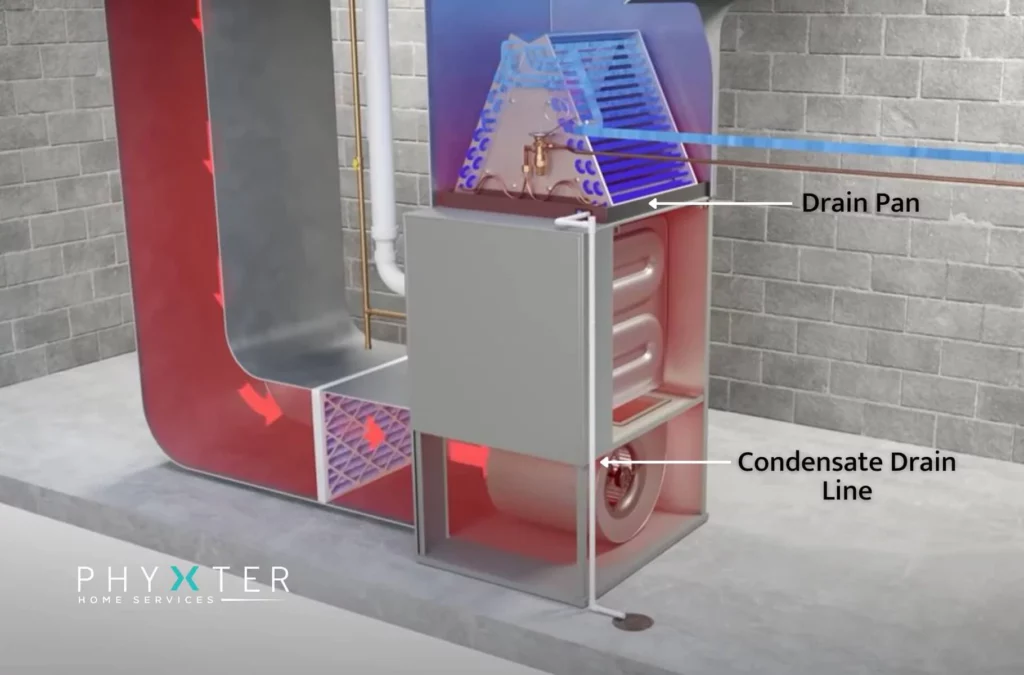
A clogged furnace drain is a common issue, especially with high-efficiency furnaces. These furnaces produce condensation as part of their operation. This condensation needs to drain away, and several things can cause a blockage:
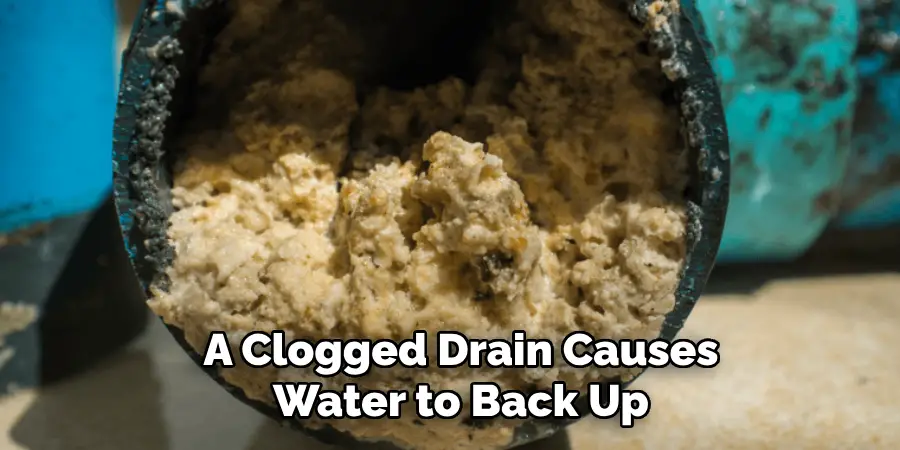
- Algae and Bacteria Growth: Standing water in the drain line is a breeding ground for algae and bacteria. Over time, this can form a slimy buildup that clogs the pipe.
- Sediment and Rust: Mineral deposits from the water itself, as well as rust flakes from inside the furnace, can accumulate and obstruct the drain.
- Debris: Small debris, such as dust, lint, and even insects, can find their way into the drain line and contribute to blockages.
- Kinked or Collapsed Drain Line: A physical obstruction, like a kink in the tubing, can prevent proper drainage.
- Frozen Condensate: In very cold climates, the condensate drain line can freeze, especially if it's routed through an unheated area.
Regular maintenance can help prevent these issues from occurring.
What are the signs of a clogged furnace drain?
Recognizing the symptoms early can prevent significant damage. Here are some common indicators:
- Water Leaking Around the Furnace: This is often the most obvious sign. If the drain is clogged, condensate will back up and overflow, leading to puddles near the furnace.
- Furnace Shutting Down: Many modern furnaces have a safety switch that shuts down the unit if it detects excessive water buildup. This is a protective measure to prevent damage.
- Musty or Moldy Odor: Stagnant water can create a breeding ground for mold and mildew, resulting in an unpleasant odor in the vicinity of the furnace.
- Water Stains on Walls or Ceiling: If the furnace is located in an attic or upper floor, a clogged drain can cause water to leak through the ceiling or walls below.
- Gurgling Sounds: You might hear gurgling or bubbling sounds coming from the furnace or the drain line as air struggles to pass through the blockage.
- Error Codes: Some furnaces display error codes on their control panel that indicate a drainage problem. Consult your furnace's manual to understand the specific meaning of the code.
If you notice any of these signs, it's important to investigate and address the issue promptly.
How can I safely unclog my furnace drain?
If you're comfortable performing basic DIY tasks, you can try unclogging the furnace drain yourself. However, safety is paramount. Always turn off the furnace at the breaker before attempting any repairs.
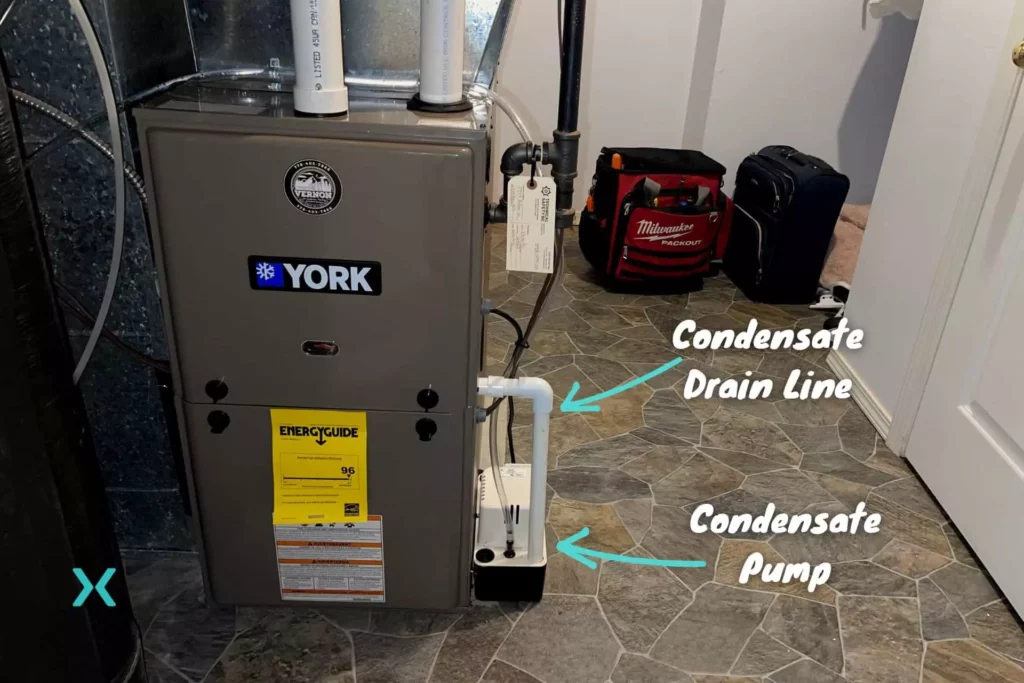
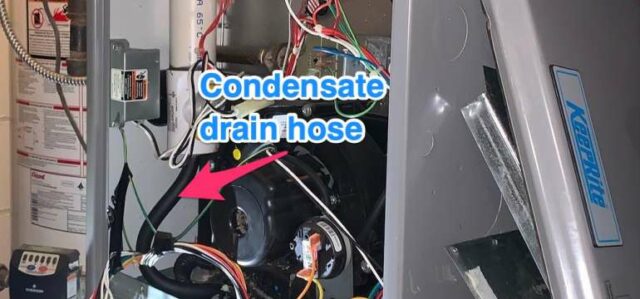
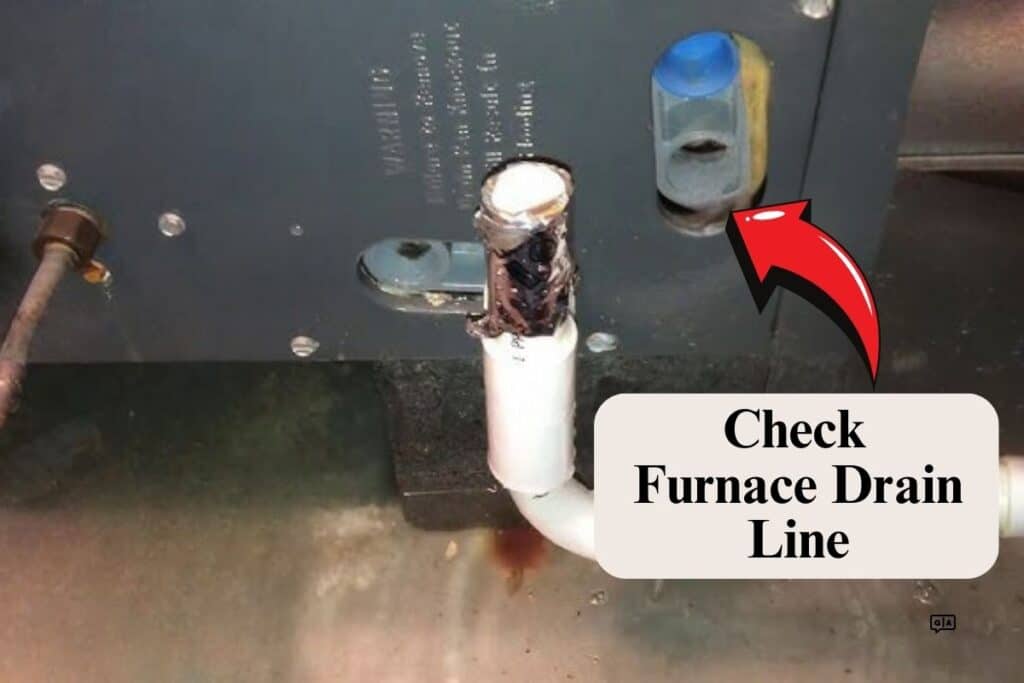
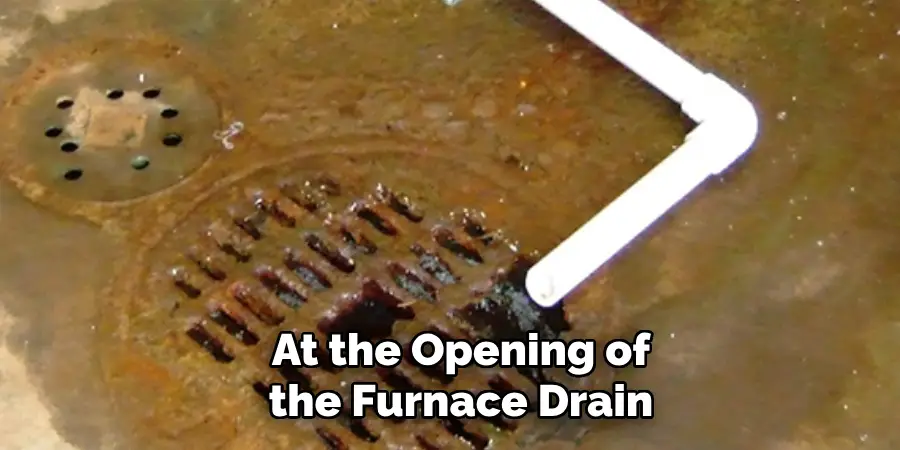
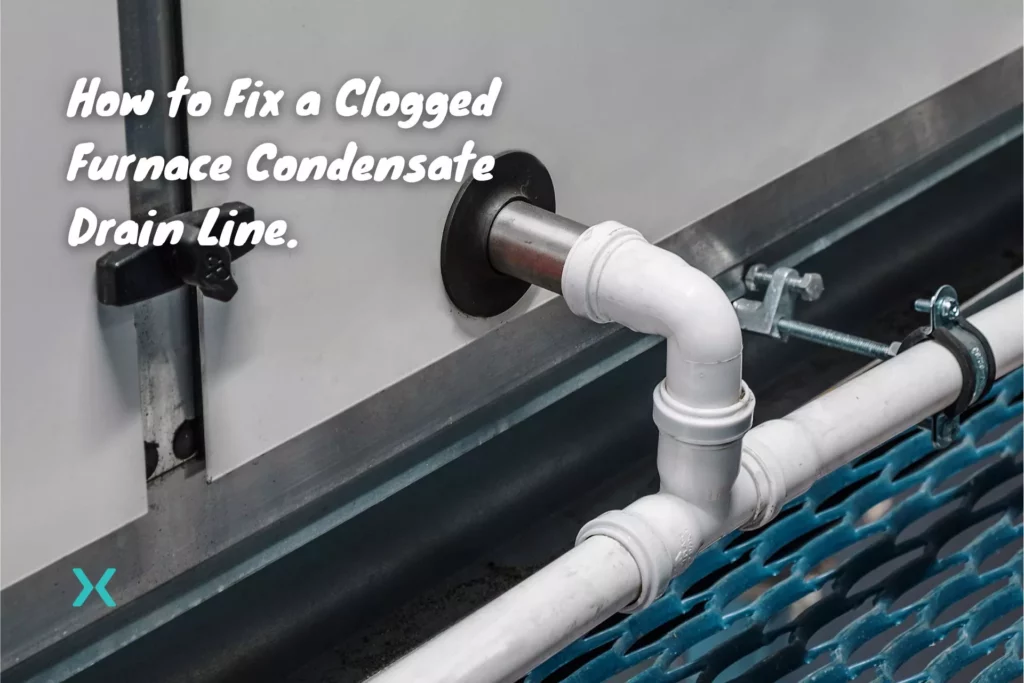
- Locate the Drain Line: The drain line is usually a PVC pipe or rubber tubing connected to the furnace. It typically leads to a floor drain, utility sink, or condensate pump.
- Inspect the Drain Line: Check for any obvious kinks, bends, or obstructions. Straighten out any kinks you find.
- Use a Wet/Dry Vacuum: This is often the most effective method. Disconnect the drain line from the furnace (usually at a union fitting or where it connects to the condensate pump). Attach the vacuum hose to the drain line and try to suck out the blockage. Be prepared for a significant amount of water to be drawn out.
- Use a Stiff Wire or Pipe Cleaner: Carefully insert a stiff wire, such as a coat hanger (straightened), or a pipe cleaner into the drain line to break up the clog. Avoid using sharp objects that could puncture the tubing.
- Flush with Vinegar or Hot Water: After removing as much of the blockage as possible, flush the drain line with a mixture of hot water and white vinegar. Vinegar helps to dissolve mineral deposits and kill algae.
- Check the Condensate Pump (if applicable): If your furnace uses a condensate pump, make sure it's working properly. Clean the pump reservoir and check for any obstructions in the pump's discharge line.
- Reconnect the Drain Line: Once you've cleared the blockage, reconnect the drain line to the furnace and ensure all connections are secure.
- Test the Furnace: Turn the furnace back on and observe its operation. Check for any leaks or signs of a remaining clog.
If you're unable to clear the blockage yourself, or if you're uncomfortable working on your furnace, it's best to call a qualified HVAC technician.
How can I prevent my furnace drain from clogging in the future?
Prevention is key to avoiding future clogs. Here are some preventative measures you can take:
- Regularly Flush the Drain Line: At least once a year, ideally before the start of the heating season, flush the drain line with a solution of hot water and white vinegar. This helps to prevent the buildup of algae, bacteria, and mineral deposits.
- Use Algae Tablets or Drain Line Cleaners: You can purchase commercially available algae tablets or drain line cleaners specifically designed for furnace condensate drains. These products help to inhibit algae and bacteria growth. Follow the manufacturer's instructions carefully.
- Inspect the Drain Line Regularly: Periodically inspect the drain line for any signs of kinks, leaks, or obstructions. Address any issues promptly.
- Ensure Proper Drainage: Make sure the drain line is properly sloped to allow for gravity drainage. Avoid any dips or sags in the line that could trap water.
- Insulate the Drain Line (if necessary): In cold climates, insulate the drain line to prevent it from freezing. This is especially important for drain lines that are routed through unheated areas.
- Professional Maintenance: Schedule regular maintenance appointments with a qualified HVAC technician. They can inspect your furnace and drainage system, identify potential problems, and perform preventative maintenance as needed.
By taking these preventative measures, you can significantly reduce the risk of a clogged furnace drain.
When should I call a professional HVAC technician?
While some clogs can be resolved with DIY methods, there are situations where calling a professional is the best course of action. Consider contacting an HVAC technician if:
- You're Uncomfortable Working on Your Furnace: If you're not comfortable working with electrical or plumbing components, it's best to leave the repairs to a professional.
- You've Tried Unclogging the Drain Yourself but Failed: If you've attempted to unclog the drain line using the methods described above but are still experiencing problems, it's likely that the blockage is more severe or located in a difficult-to-reach area.
- You Suspect a More Serious Problem: If you suspect that the clog is a symptom of a larger issue, such as a cracked heat exchanger or a malfunctioning condensate pump, it's important to have the furnace inspected by a professional.
- Your Furnace is Under Warranty: Attempting to repair your furnace yourself may void the warranty. Check the terms of your warranty before attempting any repairs.
- You're Experiencing Recurring Clogs: If you're frequently dealing with clogged furnace drains, it could indicate an underlying problem with your furnace or drainage system that needs to be addressed by a professional.
A qualified HVAC technician has the expertise and tools to diagnose and repair furnace problems safely and effectively.
What does it cost to have a professional unclog a furnace drain?
The cost to have a professional unclog your furnace drain can vary depending on several factors, including:
- The Complexity of the Clog: A simple clog that's easily accessible will typically cost less to resolve than a more complex clog that requires extensive disassembly or specialized tools.
- The HVAC Technician's Hourly Rate: HVAC technicians typically charge an hourly rate for their services, which can vary depending on their experience, location, and the demand for their services.
- The Time Required to Complete the Repair: The longer it takes to unclog the drain, the higher the cost will be.
- The Need for Replacement Parts: If any parts of the drainage system need to be replaced, such as the condensate pump or drain line, the cost will increase.
- Your Location: Prices can vary depending on your geographic location. Urban areas tend to have higher labor costs than rural areas.
- Emergency Service Fees: If you require emergency service outside of normal business hours, you can expect to pay a higher fee.
As a general estimate, you can expect to pay anywhere from $75 to $250 to have a professional unclog your furnace drain. It's always a good idea to get a quote from multiple HVAC technicians before hiring someone to perform the work.
Don't hesitate to ask for a detailed breakdown of the costs involved before authorizing any repairs.
Are there any long-term consequences of ignoring a clogged furnace drain?
Ignoring a clogged furnace drain can lead to a number of serious problems, some of which can be quite costly to repair. Here are some potential long-term consequences:
- Water Damage: As mentioned earlier, a clogged drain can cause water to overflow and leak into your home, leading to water damage to walls, ceilings, floors, and personal belongings.
- Mold and Mildew Growth: Stagnant water can create a breeding ground for mold and mildew, which can cause health problems and require professional remediation.
- Furnace Damage: Water damage can corrode and damage the internal components of your furnace, leading to reduced efficiency, increased repair costs, and even premature furnace failure.
- Electrical Hazards: Water leaking near electrical components can create a serious electrical hazard, potentially leading to shocks or fires.
- Carbon Monoxide Poisoning: In rare cases, a clogged drain can cause the furnace to malfunction, potentially leading to the release of carbon monoxide, a deadly odorless gas.
- Increased Energy Costs: A damaged furnace may not operate as efficiently, leading to higher energy bills.
Addressing a clogged furnace drain promptly is essential to prevent these potentially serious and costly consequences.