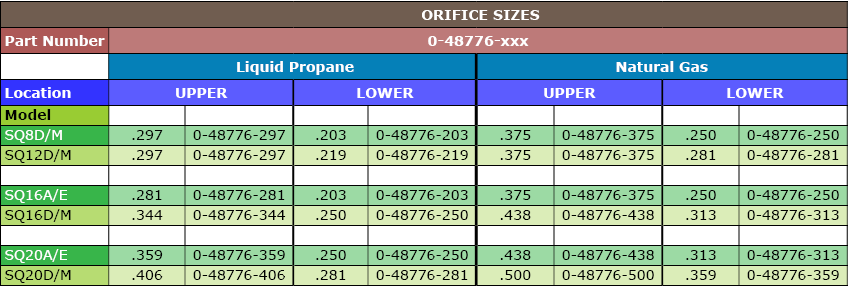
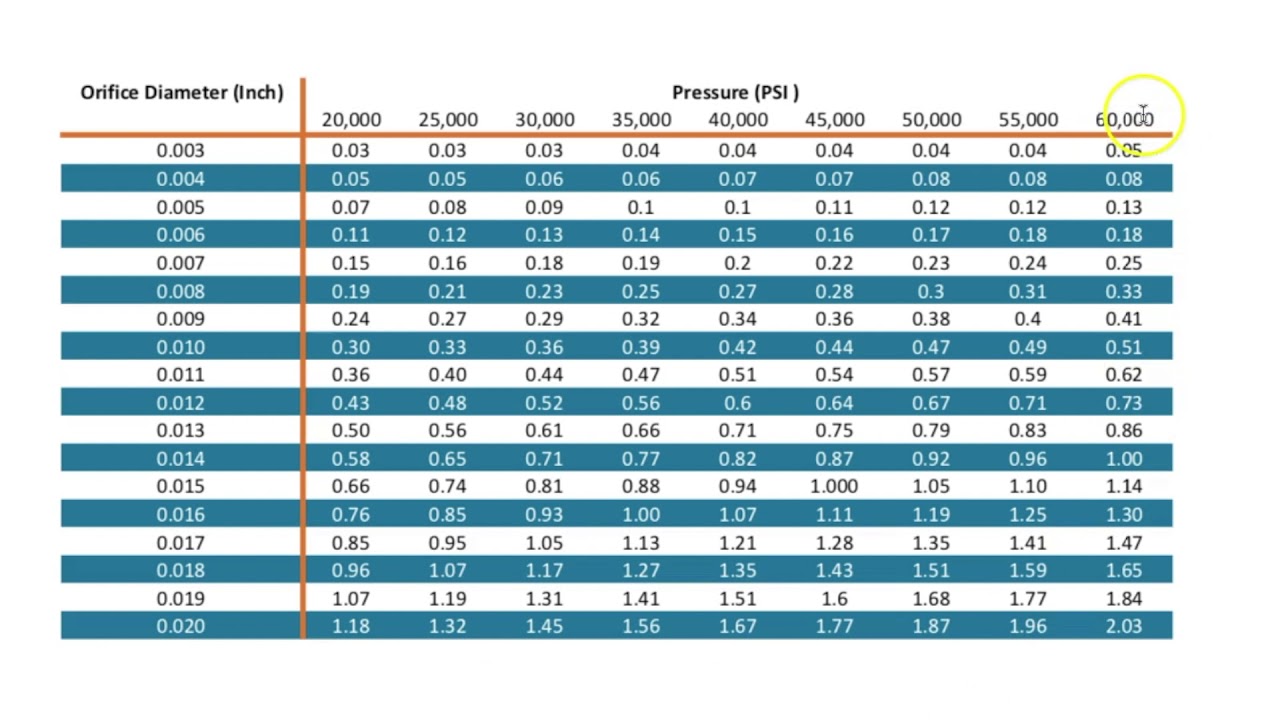
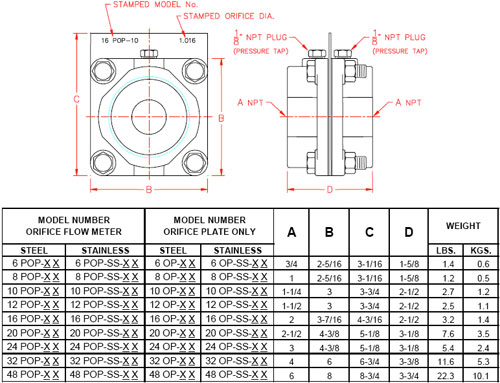
Furnace Orifice Size Chart
Is your furnace acting up? Maybe it's not heating properly, or you're noticing a strong smell of gas. A common culprit behind these issues is an improperly sized or clogged furnace orifice. The orifice is a small, but crucial component that regulates the flow of gas to the burner. This article will guide you through troubleshooting orifice issues, highlighting safe DIY checks and when to call in a professional.
Understanding the Furnace Orifice
The orifice is a precisely sized opening in the gas valve that meters the amount of gas flowing to the burner. Different fuels (natural gas vs. propane) and furnace BTU ratings require different orifice sizes. Using the wrong size can lead to:
- Incomplete combustion: Producing carbon monoxide, a dangerous odorless gas.
- Poor heating: The furnace won't reach the desired temperature.
- Sooting: Black residue accumulating around the furnace and vents.
- Flame rollout: Flames extending beyond the burner area, a fire hazard.
Therefore, understanding the correct orifice size for your furnace is critical for safe and efficient operation. Manufacturers provide orifice size charts, typically found inside the furnace cabinet.
Common Furnace Problems Related to Orifices
Here are a few common issues indicating a potential orifice problem:
- Yellow or orange flames: A healthy natural gas flame should be blue with a slight yellow tip. Yellow or orange flames indicate incomplete combustion.
- Sooty residue: Black soot around the burners or vents suggests incomplete combustion due to incorrect air/fuel mixture.
- Gas smell: A strong gas odor, especially near the furnace, requires immediate attention.
- Furnace cycling on and off frequently (short cycling): Incorrect gas flow can cause the furnace to overheat and shut down prematurely.
- Weak or lazy flames: Flames that are small and don't seem strong enough to properly heat the burner.
Troubleshooting Steps: A DIY Guide (Proceed with Caution!)
Safety First! Before attempting any troubleshooting, turn off the power to the furnace at the circuit breaker and turn off the gas supply valve. If you smell a strong gas odor, evacuate the premises and call your gas company immediately. Do not attempt any repairs if you are not comfortable working with gas or electricity.
Step 1: Visual Inspection
Carefully inspect the burner area. Look for:
- Visible damage: Cracks, rust, or corrosion on the burners or orifices.
- Obstructions: Debris, dust, or cobwebs blocking the orifices.
- Soot buildup: Excessive soot indicates incomplete combustion.
Step 2: Check the Power Supply
Believe it or not, a simple power issue can mimic other problems. Ensure the furnace is receiving power:
- Check the circuit breaker: Make sure the furnace circuit breaker hasn't tripped. Reset it if necessary.
- Inspect the power cord: Ensure the power cord is securely plugged in and not damaged.
Step 3: Verify Thermostat Settings
Double-check your thermostat settings:
- Correct mode: Is the thermostat set to "Heat"?
- Temperature setting: Is the desired temperature set higher than the current room temperature?
- Battery status: If your thermostat uses batteries, ensure they are fresh.
Step 4: Locate the Orifice Size Chart
The orifice size chart is crucial for determining if the correct orifices are installed. It is usually located:
- Inside the furnace cabinet door.
- On a sticker attached to the furnace itself.
- In the furnace's user manual.
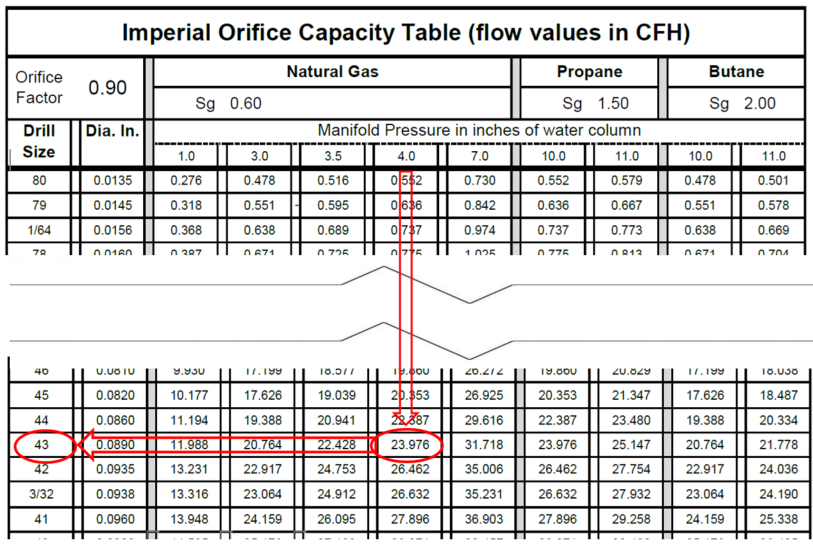
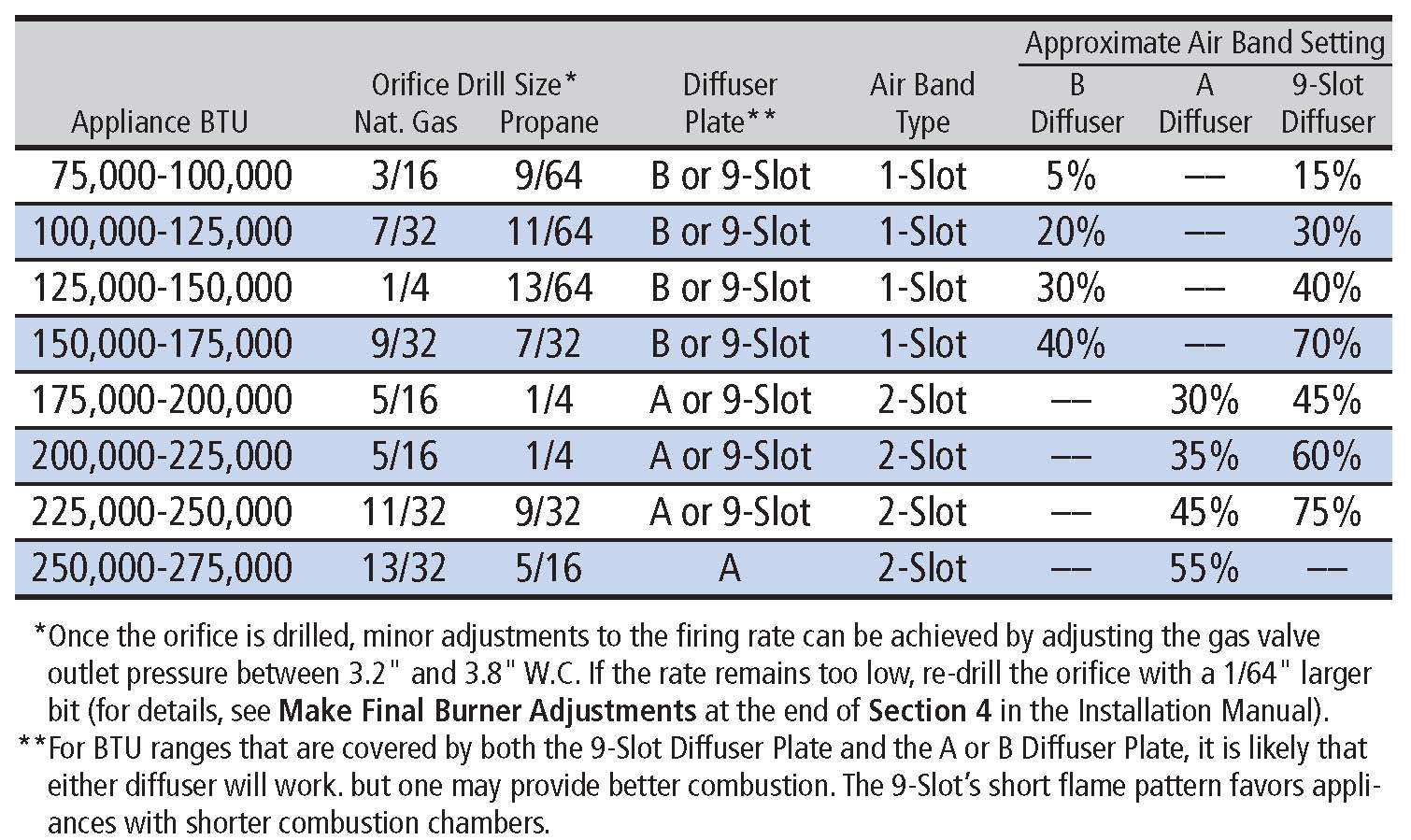
The chart will list the correct orifice size (typically a drill size number) based on the furnace's BTU rating and the type of gas being used (natural gas or propane). Never assume the correct size; always verify with the chart.
Step 5: Identifying the Orifice Size
The orifice size is stamped on the orifice itself, often a small number. It can be difficult to read without removing the orifice. Important: Only remove an orifice if you are confident in your ability to reinstall it correctly and safely. If unsure, call a professional.
Note: Orifices are small and easily lost. Work in a well-lit area and keep track of all parts.
To remove an orifice (if you're comfortable doing so):
- Turn off the gas and power to the furnace (as mentioned above).
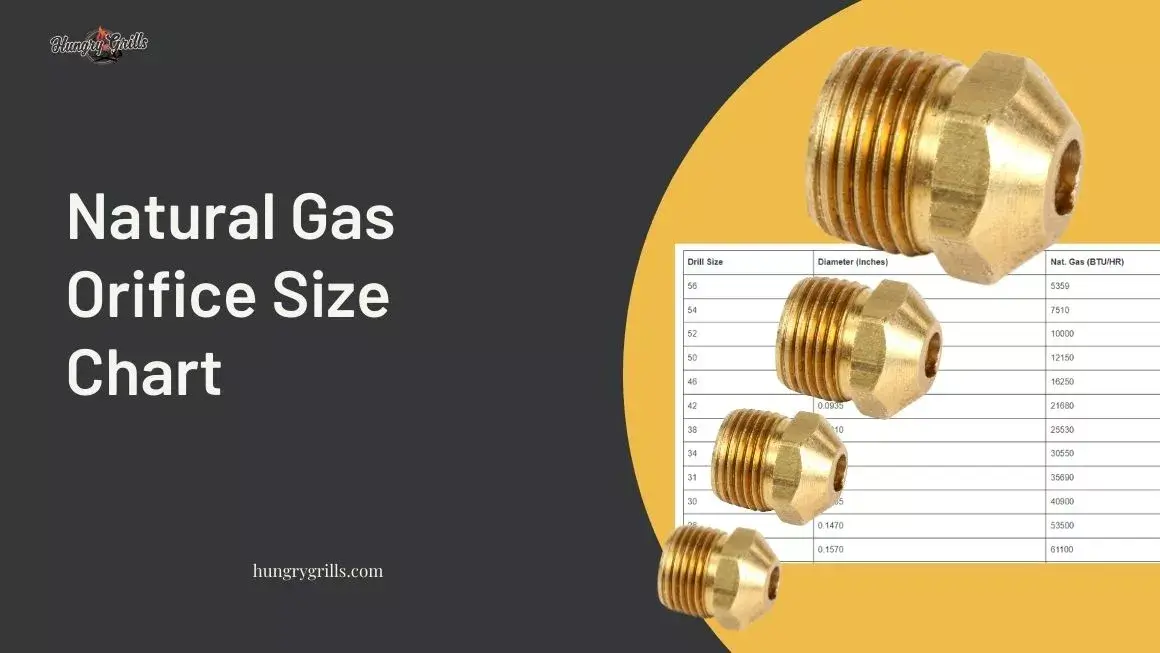
- Locate the orifices on the burner assembly. They are typically brass or metal fittings screwed into the gas manifold.
- Use a wrench to carefully loosen and remove the orifice. Do not overtighten when reinstalling.
- Inspect the orifice for damage or obstructions.
- Compare the stamped number on the orifice to the size listed on the orifice size chart for your furnace model and gas type.
Step 6: Cleaning a Clogged Orifice (DIY if comfortable)
A clogged orifice can restrict gas flow. To clean it:
- Remove the orifice (as described above).
- Use a small wire or a carburetor cleaning tool (available at auto parts stores) to carefully clear any debris from the orifice opening. Do not use a drill bit, as this can enlarge the orifice and alter the gas flow rate.
- Use compressed air to blow out any remaining debris.
- Inspect the orifice to ensure it's clean and unobstructed.
- Reinstall the orifice, tightening it snugly but not overtightening.
Step 7: Reassembly and Testing (Proceed with Caution!)
After cleaning or replacing an orifice, carefully reassemble the furnace. Then:
- Turn the gas supply back on slowly.
- Turn the power back on at the circuit breaker.
- Set the thermostat to a temperature higher than the current room temperature to initiate a heating cycle.
- Carefully observe the flames. They should be blue with a slight yellow tip, and they should be stable and consistent.
- Listen for any unusual noises or gas leaks.
- Monitor the furnace's performance for several heating cycles to ensure it's operating correctly.
If you smell gas at any time, immediately turn off the gas supply and call your gas company or a qualified HVAC technician.
When to Call a Professional
While some basic troubleshooting steps can be performed by homeowners, certain situations require the expertise of a qualified HVAC technician. Never attempt repairs beyond your skill level. Call a professional if:
- You are uncomfortable working with gas or electricity.
- You suspect a gas leak.
- The furnace is still not working correctly after attempting the DIY troubleshooting steps.
- You need to adjust the gas pressure regulator.
- You need to replace the gas valve or other complex parts.
- You are unsure about the correct orifice size for your furnace.
- You notice flame rollout or other dangerous conditions.
- You have a newer furnace with electronic ignition or other advanced features.
Understanding Natural Gas vs. Propane and Orifice Sizes
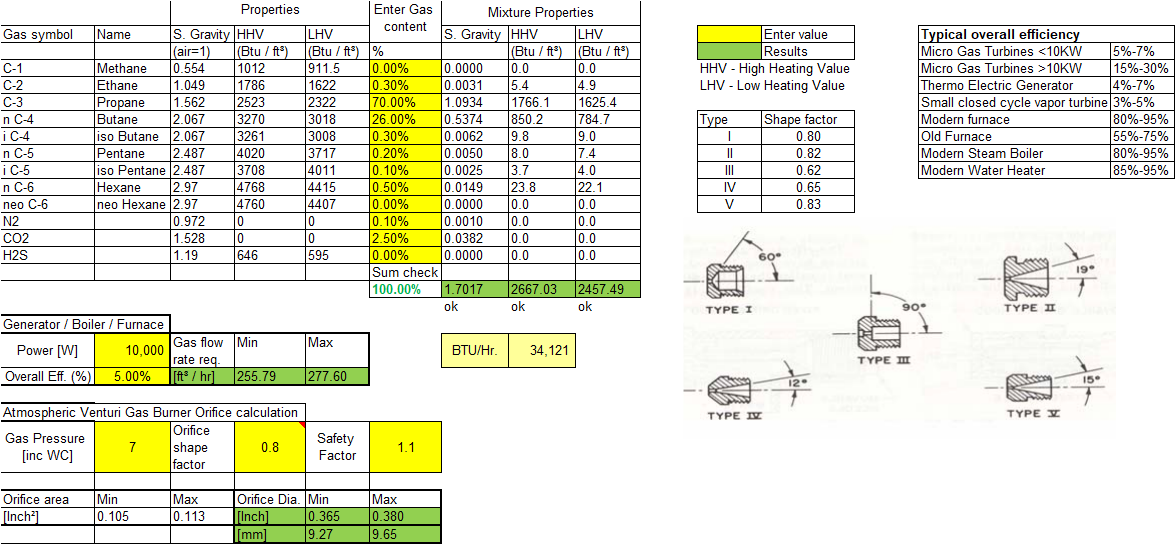
Natural gas (NG) and propane (LP) require different orifice sizes due to their varying energy content. Propane contains more energy per cubic foot than natural gas, so a smaller orifice is needed to deliver the same amount of heat.
Important: Never use natural gas orifices with a propane furnace, or vice versa. This can create a dangerous and inefficient situation.
If you are converting your furnace from natural gas to propane (or vice versa), it is essential to replace the orifices with the correct size as specified by the manufacturer's conversion kit. This is a job best left to a qualified HVAC technician.
Preventative Maintenance
Regular preventative maintenance can help prevent orifice problems and extend the life of your furnace:
- Annual furnace inspection: Have a qualified HVAC technician inspect your furnace annually.
- Filter replacement: Replace your furnace filter regularly (every 1-3 months) to prevent dust and debris from entering the system.
- Burner cleaning: Have the burners cleaned periodically to remove soot and debris.
Orifice Size Chart Example (Illustrative Only - Consult Your Furnace's Chart)
Disclaimer: This is a simplified example. Always refer to the actual orifice size chart provided by your furnace manufacturer.
| Furnace BTU Rating | Natural Gas Orifice Size | Propane Orifice Size |
|---|---|---|
| 60,000 BTU | #50 Drill Size | #58 Drill Size |
| 80,000 BTU | #48 Drill Size | #56 Drill Size |
| 100,000 BTU | #46 Drill Size | #54 Drill Size |
Conclusion
Troubleshooting furnace orifice issues can seem daunting, but by following these steps, you can diagnose some common problems and potentially save yourself a service call. Remember to prioritize safety and never hesitate to call a professional when dealing with gas, electricity, or complex repairs. With a little knowledge and caution, you can keep your furnace running efficiently and safely for years to come.