How Much Does It Cost To Add Central Air

Adding central air conditioning to your home is a significant investment, and understanding the potential costs upfront is crucial. This article breaks down the factors influencing the price of central AC installation, helping you budget effectively and make informed decisions.
Understanding the Basics of Central Air Installation Costs
The total cost to install central air varies widely, typically ranging from $3,000 to $7,000 or more. This broad range is due to numerous factors, including the size of your home, the type of system you choose, and the complexity of the installation.
Key Cost Factors
- System Size (BTU): A larger home requires a more powerful AC unit, measured in British Thermal Units (BTU). Higher BTU units are more expensive.
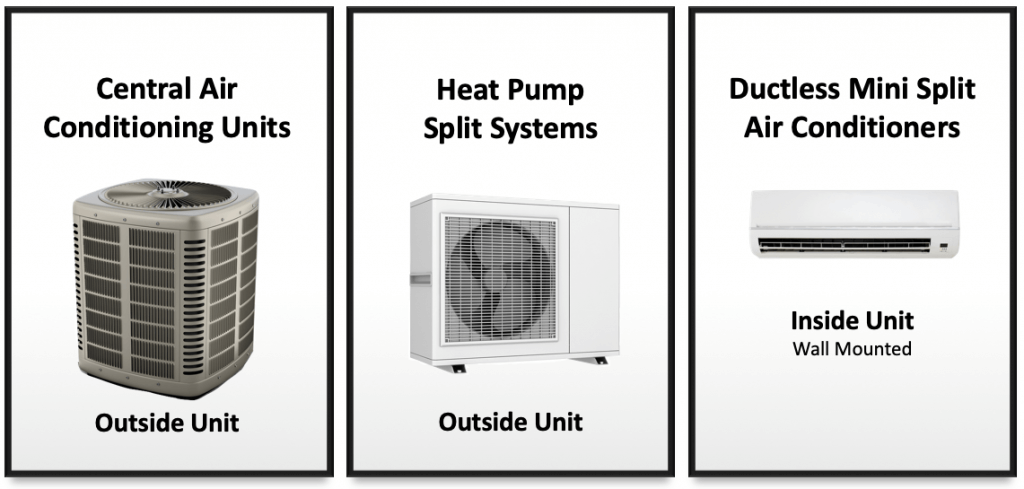
- Type of System: Different types of central AC systems, such as split systems, packaged systems, and ductless mini-splits, have different price points.
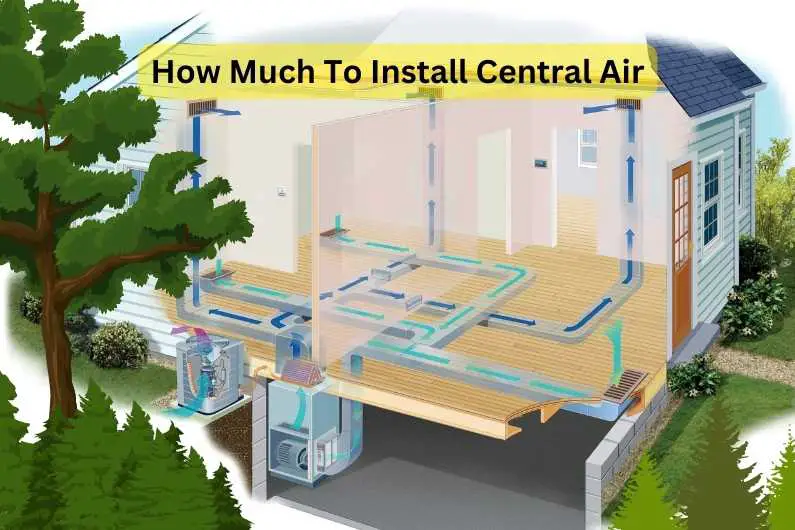
- Existing Ductwork: If your home already has ductwork in place, typically from a forced-air furnace, the installation cost will be lower. Installing new ductwork significantly increases the price.
- Labor Costs: Labor costs vary by region and contractor. Obtaining multiple quotes is essential.
- Permits and Inspections: Local building codes often require permits and inspections for HVAC installations, adding to the overall cost.
- Energy Efficiency (SEER Rating): Higher SEER (Seasonal Energy Efficiency Ratio) ratings indicate greater efficiency, but these units usually have a higher initial cost. However, they can save you money on energy bills in the long run.
- Additional Features: Features like smart thermostats, zoning systems, and air purifiers can add to the total cost.
Breaking Down the Costs: A Detailed Look
Let's examine each cost factor in more detail to provide a clearer understanding of where your money goes.
1. Air Conditioner Unit (Equipment Costs)
The AC unit itself is a major cost component. Here's a breakdown:
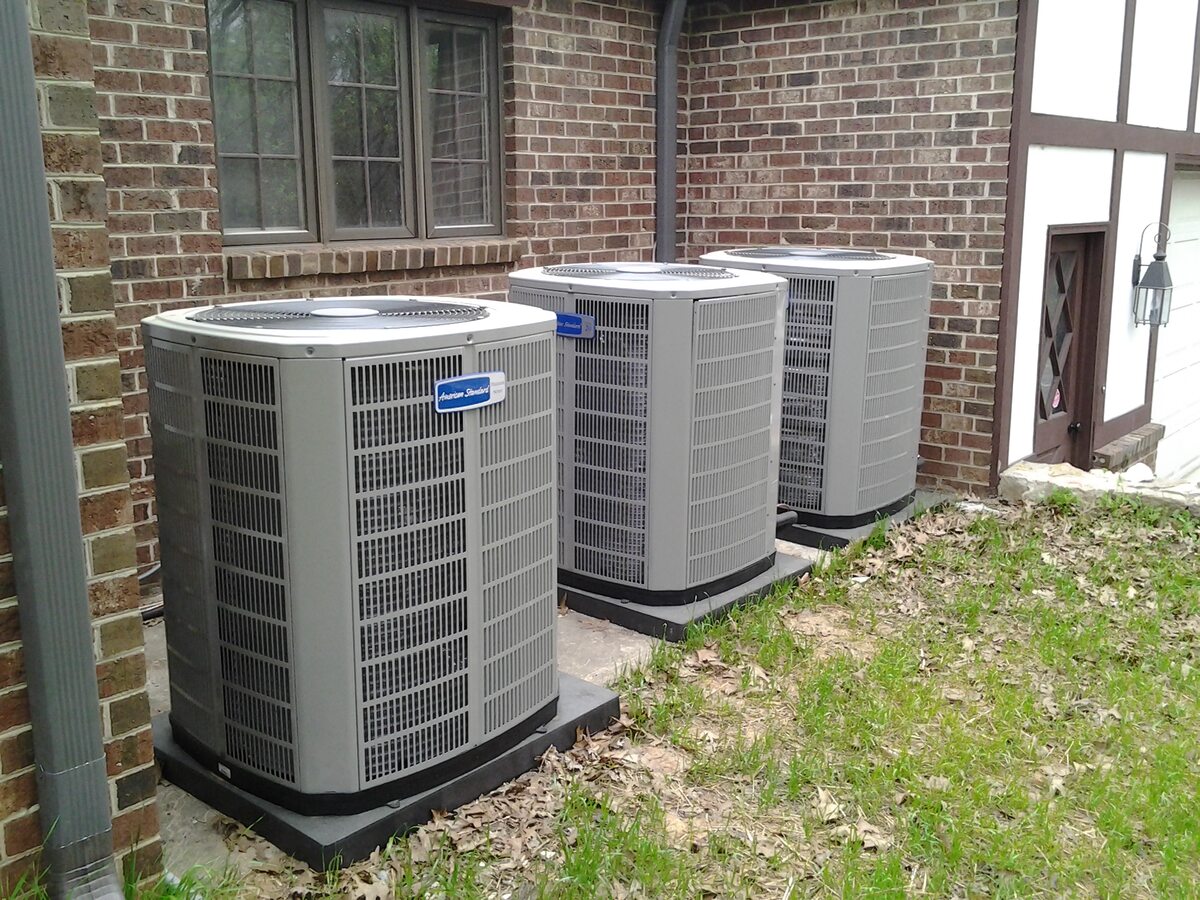
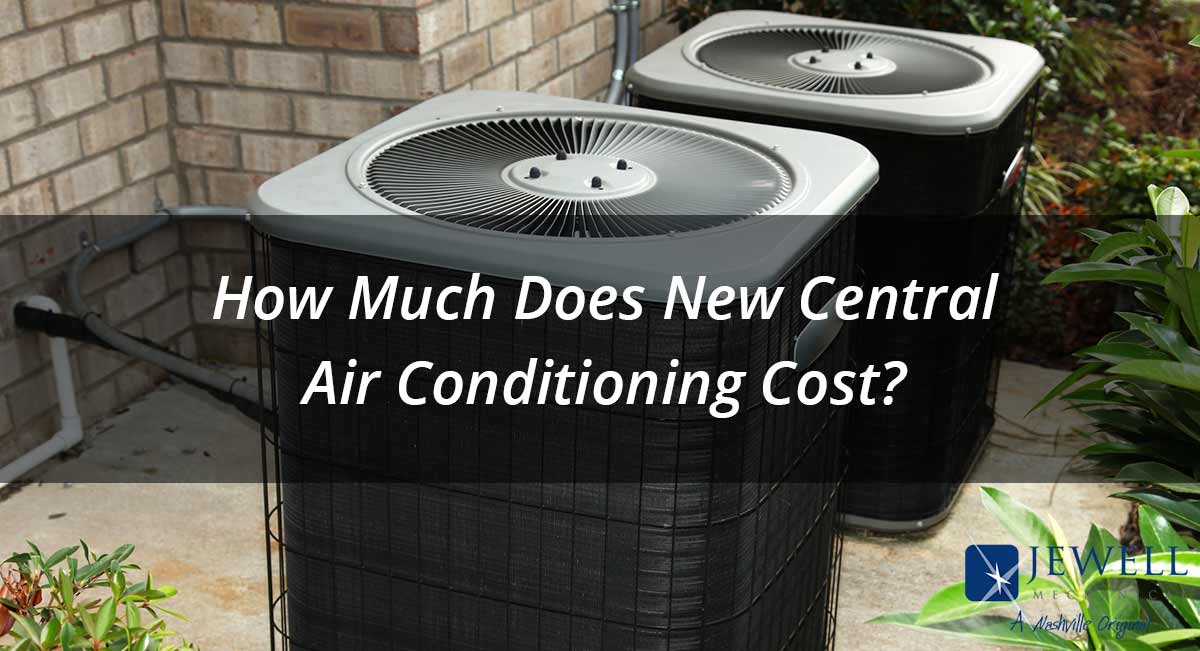
- Split Systems: The most common type, consisting of an outdoor condenser unit and an indoor evaporator coil. Prices range from $2,000 to $5,000 for the equipment alone, depending on size and SEER rating.
- Packaged Systems: These units combine the condenser and evaporator into a single outdoor unit. They are often used when indoor space is limited. Prices typically range from $3,000 to $6,000 for the equipment.
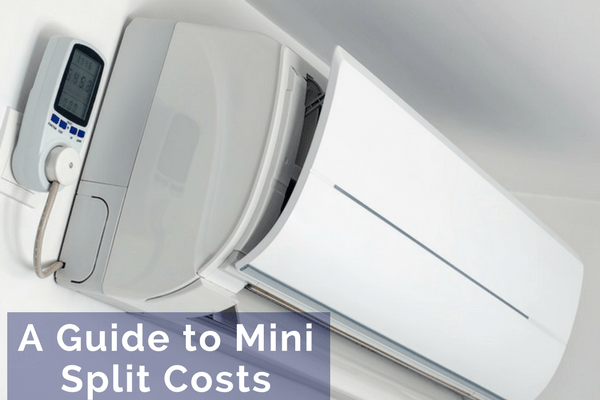
- Ductless Mini-Split Systems: These systems use individual indoor units connected to an outdoor condenser, offering zone-based cooling. Costs can vary significantly, from $3,000 to $8,000+ depending on the number of indoor units and the complexity of the installation.
SEER Rating and Cost: A higher SEER rating generally means a higher upfront cost. For example, a 14 SEER unit might cost $2,500, while a 18 SEER unit of the same size could cost $3,500 or more. Consider the long-term energy savings when choosing a SEER rating.
2. Ductwork Installation Costs
If your home doesn't have existing ductwork, this will be a significant expense. Installing ductwork is a complex job best left to professionals.
- New Ductwork Installation: Expect to pay $2,000 to $5,000 or more for new ductwork installation, depending on the size of your home and the complexity of the layout.
- Ductwork Modifications or Repairs: If you have existing ductwork, it may need modifications or repairs to accommodate the new AC system. This could add $500 to $1,500 to the total cost.
Factors Affecting Ductwork Costs: The size and layout of your home, the materials used for the ductwork, and the accessibility of the installation areas will all influence the cost. Get a detailed ductwork assessment from a qualified HVAC contractor.
3. Labor Costs
Labor costs account for a significant portion of the total installation expense. These costs vary depending on your location and the contractor you choose.
- Average Labor Costs: Expect to pay $50 to $150 per hour for HVAC installation labor. The total labor cost can range from $1,000 to $3,000 or more, depending on the complexity of the job.
Factors Affecting Labor Costs: The complexity of the installation, the need for ductwork modifications, and the geographic location all influence labor costs. Obtain quotes from multiple contractors to compare prices and services.
4. Permits and Inspections
Most municipalities require permits for HVAC installations to ensure compliance with building codes. Inspections are also necessary to verify that the installation meets safety and quality standards.
- Permit Costs: Permit fees typically range from $50 to $500, depending on your location and the scope of the project.
- Inspection Costs: Inspection fees are usually included in the permit fee or may be charged separately.
Importance of Permits and Inspections: Obtaining the necessary permits and inspections is crucial for ensuring the safety and legality of your HVAC installation. It also protects you from potential fines and ensures that your system is covered by warranty.
5. Additional Features and Upgrades
Consider these optional features which can increase the cost.
- Smart Thermostats: Smart thermostats offer advanced features like remote control, energy monitoring, and automated scheduling. They can add $100 to $300 to the total cost.
- Zoning Systems: Zoning systems allow you to control the temperature in different areas of your home independently, improving comfort and energy efficiency. They can add $500 to $2,000 or more to the total cost.
- Air Purifiers and Filtration Systems: These systems can improve indoor air quality by removing dust, allergens, and other pollutants. They can add $200 to $1,000 or more to the total cost.
Getting Accurate Cost Estimates
The best way to determine the exact cost of adding central air to your home is to obtain quotes from multiple HVAC contractors. Follow these tips for getting accurate estimates:
- Get Multiple Quotes: Contact at least three contractors for estimates. This will give you a good sense of the average cost in your area.
- Provide Detailed Information: Give each contractor as much information as possible about your home, including its size, layout, insulation levels, and existing ductwork (if any).
- Ask About All Costs: Make sure the estimate includes all costs, including equipment, labor, permits, inspections, and any additional fees.
- Check References and Reviews: Before hiring a contractor, check their references and read online reviews to ensure they have a good reputation.
- Verify Licenses and Insurance: Ensure that the contractor is licensed and insured to protect yourself from liability.
- Read the Fine Print: Carefully review the contract before signing it to understand the terms and conditions.
Tips for Saving Money on Central Air Installation
While adding central air is a significant investment, there are ways to potentially save money:
- Choose the Right Size Unit: Don't oversize your AC unit. An oversized unit will cool your home quickly but may not remove humidity effectively, leading to discomfort and higher energy bills. A qualified HVAC contractor can help you determine the correct size for your home.
- Consider a Lower SEER Rating: While higher SEER ratings offer greater energy efficiency, they also come with a higher upfront cost. Consider a slightly lower SEER rating if you're on a tight budget.
- Take Advantage of Rebates and Incentives: Many utility companies and government agencies offer rebates and incentives for installing energy-efficient HVAC systems. Check with your local utility company and energy efficiency organizations for available programs.
- Schedule Installation During Off-Peak Seasons: HVAC contractors may offer lower rates during the off-peak seasons (spring and fall) when demand is lower.
- Negotiate the Price: Don't be afraid to negotiate the price with contractors. They may be willing to offer discounts or price matching to win your business.
Factors Affecting Ongoing Costs
Beyond the initial installation, consider the ongoing expenses of central air conditioning.
- Energy Bills: Your energy bills will likely increase after installing central air. Choose an energy-efficient system and use it wisely to minimize energy consumption.
- Maintenance Costs: Regular maintenance, such as cleaning the coils and changing the filters, is essential for keeping your AC system running efficiently and preventing costly repairs.
- Repair Costs: Unexpected repairs can occur over time. Budget for potential repair costs to avoid surprises.
Conclusion
Adding central air is a valuable investment that can improve your comfort and increase your home's value. By understanding the factors that influence the cost and following the tips outlined in this article, you can make informed decisions and budget effectively. Remember to obtain multiple quotes, choose the right system for your needs, and prioritize energy efficiency to save money in the long run. Consult with qualified HVAC professionals to ensure a successful and cost-effective installation. Always prioritize safety and hire licensed and insured contractors for complex HVAC work. Proper installation and maintenance are crucial for maximizing the lifespan and efficiency of your central air system.