Pit Boss Igniter Troubleshooting

Just like your oven refusing to heat up on Thanksgiving, a malfunctioning igniter on your Pit Boss grill can ruin a perfectly planned barbecue. It's frustrating, but often fixable with a little troubleshooting. This guide will walk you through common Pit Boss igniter issues and provide step-by-step solutions you can safely try at home. Remember, if at any point you feel uncomfortable or unsure, it's always best to call a qualified technician.
Understanding Your Pit Boss Igniter
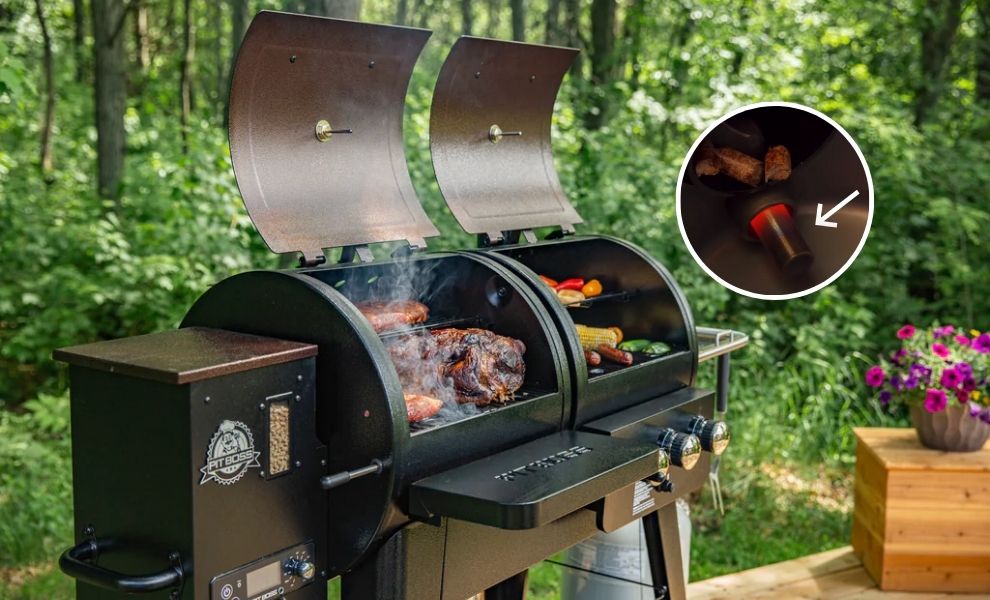
Before diving into troubleshooting, it's helpful to understand how your Pit Boss igniter works. Most Pit Boss grills use a hot rod igniter, which is an electric element that heats up and ignites the wood pellets. This process relies on electricity to create the necessary heat. If the igniter fails, it means either the igniter itself is faulty, the power supply is interrupted, or there's an issue with the grill's control system.
Step-by-Step Pit Boss Igniter Troubleshooting
Follow these steps in order to diagnose and potentially fix your Pit Boss igniter problem. Always disconnect the grill from the power source before performing any maintenance or repairs.
1. Check the Power Supply
This is the most basic, but often overlooked, step. Ensure the grill is properly plugged into a functioning outlet.
- Test the outlet: Use a lamp or other small appliance to confirm the outlet is providing power.
- Check the power cord: Inspect the power cord for any damage, such as cuts, fraying, or exposed wires. If the cord is damaged, do not use the grill and replace the cord (if possible and you are comfortable) or consult a qualified technician.
- Extension cords: Avoid using extension cords if possible. If you must use one, ensure it's a heavy-duty, outdoor-rated extension cord with the appropriate amperage for your grill. Using an inadequate extension cord can cause voltage drop, preventing the igniter from working correctly.
- Circuit Breaker: Check the circuit breaker or fuse box to ensure the circuit powering the grill hasn't tripped. Reset the breaker or replace the fuse if necessary.
2. Verify Grill Settings
Believe it or not, sometimes the issue is simply a setting. Double-check that your Pit Boss grill is set to the correct starting mode.
- Initial Start-Up: Make sure you are using the correct start-up procedure as outlined in your owner's manual. Most Pit Boss grills require you to set the temperature to "Smoke" or a similar low setting for the initial ignition process.
- Timer Settings: Some Pit Boss models have timers that can inadvertently prevent the igniter from activating. Ensure there are no active timer settings interfering with the start-up process.
3. Inspect the Fire Pot
A full fire pot can suffocate the igniter and prevent proper ignition. Always ensure the fire pot is clean before attempting to start the grill.
- Excess Ash: Ash buildup can insulate the igniter, preventing it from heating up effectively. Regularly clean out the fire pot using a shop vacuum.
- Pellet Type: Using the wrong type of pellets (e.g., damp, low-quality, or non-wood pellets) can hinder ignition. Use only high-quality, dry wood pellets specifically designed for pellet grills.
- Pellet Level: Ensure the fire pot is adequately filled with pellets, but not overflowing. Refer to your owner's manual for the recommended pellet level.
4. Examine the Igniter (Visually)
With the grill disconnected from the power, visually inspect the igniter for any signs of damage.
- Cracks or Breaks: Look for any visible cracks, breaks, or physical damage to the igniter element. A damaged igniter will likely need to be replaced.
- Corrosion: Check for corrosion or rust on the igniter element and its connections. Clean any minor corrosion with a wire brush. However, excessive corrosion may indicate a failing igniter.
- Proper Placement: Ensure the igniter is properly positioned within the fire pot. It should be close to the pellets but not buried under them.
5. Check the Igniter Wiring (If Comfortable)
This step involves working with electrical components. If you are not comfortable working with electricity, skip this step and consult a qualified technician. Disconnect the grill from the power source before proceeding.
- Locate the Wiring: Trace the igniter wires back to the control board. The location of the control board varies depending on the Pit Boss model. Refer to your owner's manual for guidance.
- Inspect for Damage: Check the wires for any signs of damage, such as cuts, fraying, or loose connections. Repair or replace any damaged wires.
- Loose Connections: Ensure all connections are secure. Gently tug on the wires to check for looseness. Tighten any loose connections.
6. Test the Igniter with a Multimeter (If Comfortable)
This step involves using a multimeter to test the electrical resistance of the igniter. If you are not familiar with using a multimeter, skip this step and consult a qualified technician. Disconnect the grill from the power source before proceeding.
- Safety First: Wear appropriate safety glasses and gloves when working with electrical components.
- Set the Multimeter: Set your multimeter to measure resistance (Ohms - Ω).
- Disconnect the Igniter: Disconnect the igniter wires from the control board.
- Test for Resistance: Place the multimeter probes on the two terminals of the igniter.
- Interpret the Reading: A good igniter will typically show a resistance reading between 40 and 150 ohms. A reading of zero or infinite resistance indicates a faulty igniter that needs to be replaced. Consult your owner's manual or Pit Boss customer support for the specific resistance range for your igniter model.
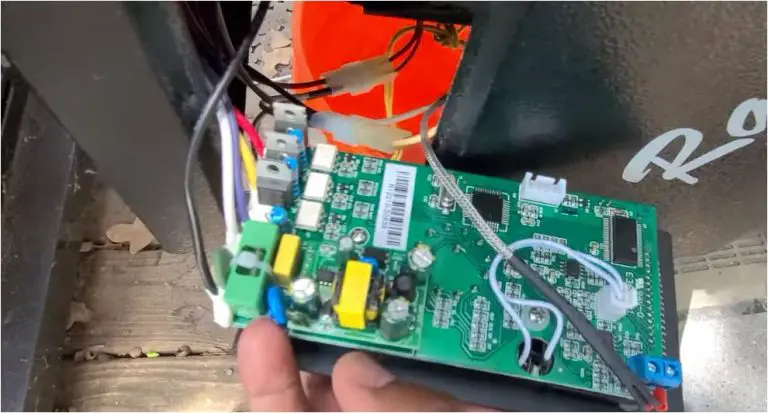
7. Check the Control Board
The control board is the brain of your Pit Boss grill and controls the igniter. If the control board is malfunctioning, it may not send power to the igniter.
- Visual Inspection: Examine the control board for any signs of damage, such as burnt components, loose connections, or corrosion.
- Professional Testing: Testing the control board typically requires specialized equipment and knowledge. If you suspect the control board is the issue, it's best to consult a qualified technician for diagnosis and repair.
- Consider Replacement: Control boards can be expensive to repair. In some cases, it may be more cost-effective to replace the entire control board.
Simple Part Replacements You Can Do
If you've determined that the igniter itself is faulty, you can often replace it yourself. Always disconnect the grill from the power source before replacing any parts.
- Purchasing a Replacement: Order a replacement igniter that is specifically designed for your Pit Boss model. You can find replacement parts online or at local hardware stores. Make sure to verify the part number before ordering to ensure compatibility.
- Removal: Remove the old igniter by unscrewing the retaining screws or clips. Gently pull the igniter out of the fire pot.
- Installation: Insert the new igniter into the fire pot, ensuring it's properly positioned. Secure it with the retaining screws or clips.
- Reconnect Wiring: Reconnect the igniter wires to the control board, making sure the connections are secure.
When to Call a Professional
While many igniter issues can be resolved with basic troubleshooting, some situations require the expertise of a qualified technician.
- Uncomfortable with Electricity or Gas: If you are not comfortable working with electrical components or gas lines, do not attempt any repairs yourself.
- Complex Control Board Issues: Diagnosing and repairing control board issues often requires specialized knowledge and equipment.
- Gas Leaks: If you suspect a gas leak, immediately turn off the gas supply and contact a qualified technician or your gas company.
- Persistent Problems: If you've tried all the troubleshooting steps and the igniter still doesn't work, it's time to call a professional.
Preventative Maintenance
Regular maintenance can help prevent igniter problems and extend the life of your Pit Boss grill.
- Regular Cleaning: Clean the fire pot and igniter regularly to remove ash buildup and debris.
- Proper Storage: Store your grill in a dry, protected location when not in use to prevent corrosion.
- Use Quality Pellets: Use high-quality, dry wood pellets specifically designed for pellet grills.
- Inspect Regularly: Inspect the igniter, wiring, and control board periodically for any signs of damage or wear.
By following these troubleshooting steps and practicing preventative maintenance, you can keep your Pit Boss grill's igniter working reliably for years to come. Remember to prioritize safety and consult a professional when needed. Happy grilling!