1 1 2 Copper Pipe Dimensions

Many homeowners encounter the frustrating problem of uneven heating or cooling. One room might be comfortably warm, while another remains stubbornly cold, or vice versa in the summer. While many factors can contribute to this, including insulation issues, window drafts, and furnace or AC unit problems, the size and condition of your copper pipes in your HVAC system can play a crucial role. This article will guide you through troubleshooting potential problems related to 1 1/2 inch copper pipes, a common size used in residential HVAC systems.
Understanding the Role of 1 1/2" Copper Pipes in Your HVAC System
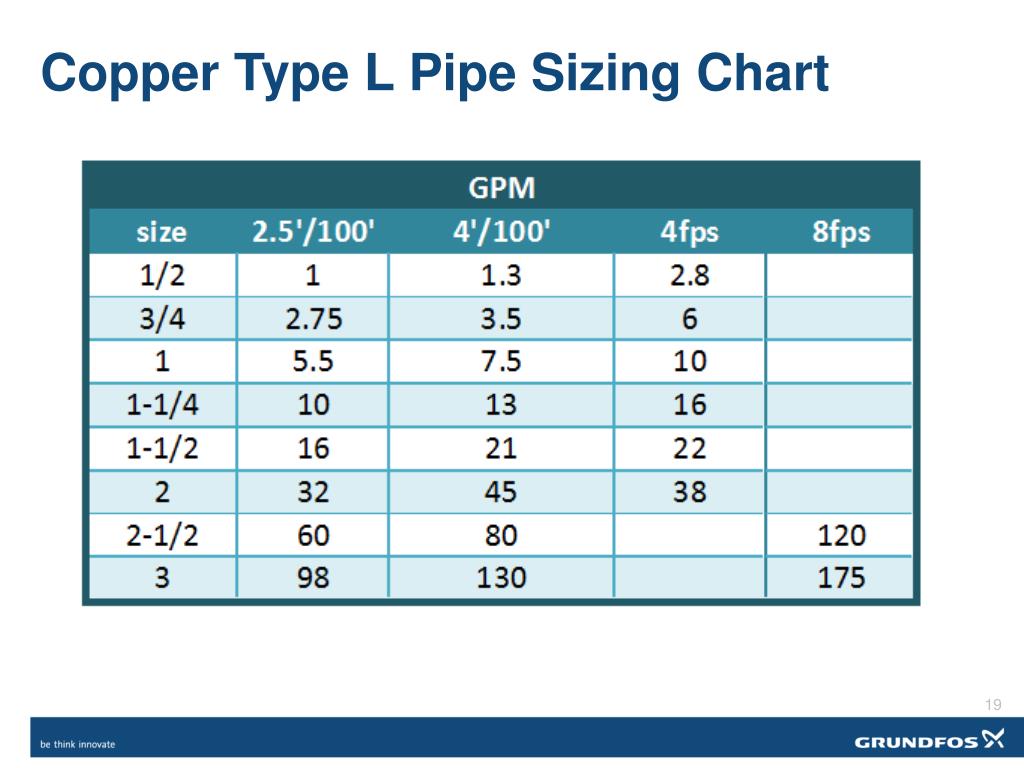
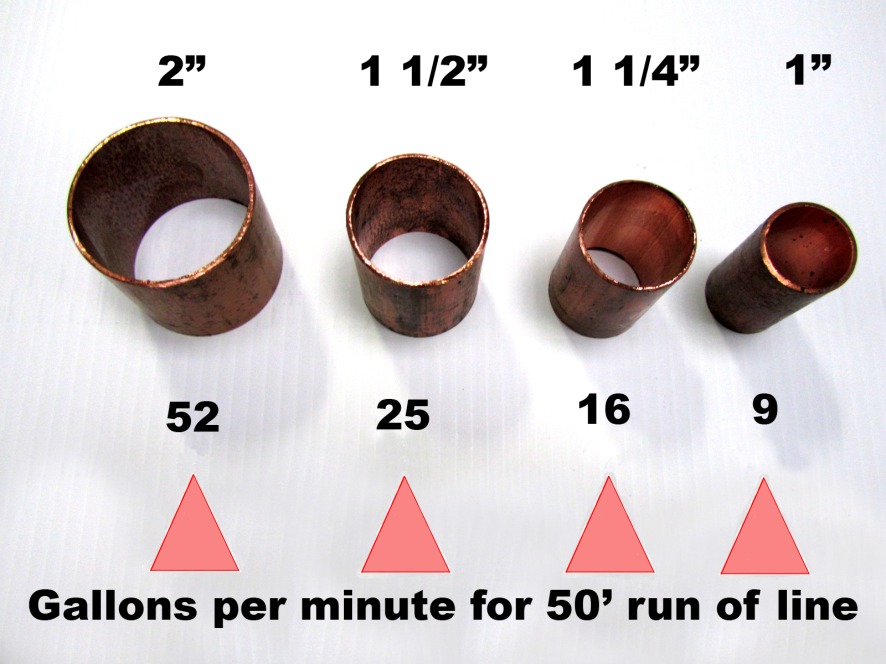
Copper pipes are the arteries of your heating and cooling system. They carry refrigerant (in AC systems) or hot water/steam (in hydronic heating systems) throughout your home. 1 1/2" copper pipes are often used for main supply lines or larger branch lines, especially in larger homes or systems requiring higher flow rates. If these pipes are undersized, damaged, or clogged, it can restrict flow, leading to those uneven temperatures and reduced system efficiency. Think of it like a highway with a sudden bottleneck – traffic slows down significantly!
Diagnosing the Problem: A Step-by-Step Approach
Before you call a professional, let's walk through a methodical process to identify if your 1 1/2" copper pipes are potentially contributing to your heating or cooling woes. Remember, safety is paramount. If you're uncomfortable with any of these steps, or if you suspect a gas leak, stop immediately and call a qualified HVAC technician.
Step 1: Gathering Information and Initial Observations (No Tools Required)
First, gather some baseline information. This will help you (and a technician, if needed) pinpoint the issue faster.
- Which rooms are consistently colder or warmer than others? Note the specific rooms and how significantly the temperature differs.
- When did you first notice the problem? Was it sudden or gradual? Did it coincide with any recent changes to your HVAC system (e.g., a new thermostat, repairs)?
- Has the system been professionally serviced recently? If so, review the service report for any notes about pipe condition or flow issues.
- Visually inspect the exposed sections of your 1 1/2" copper pipes. Look for:
- Dents or kinks: These can restrict flow.
- Corrosion (green or white buildup): This can indicate leaks or internal buildup.
- Signs of leaks (water stains or dripping): Even small leaks can reduce system pressure and efficiency.
- Insulation damage or missing insulation: This can lead to heat loss or gain, impacting temperature in certain areas.
- Listen closely to the pipes while the system is running. Can you hear any:
- Gurgling or hissing sounds? This can indicate air in the system or a refrigerant leak.
- Excessive vibration or banging? This might suggest a flow restriction or loose pipe supports.
Step 2: Checking Pipe Temperature (Basic Equipment Needed – Infrared Thermometer Recommended)
An infrared thermometer (available at most hardware stores) is a valuable tool for checking the surface temperature of your copper pipes. This can give you clues about flow rates and potential blockages.
- Locate easily accessible sections of your 1 1/2" copper pipes. Choose areas close to the furnace/AC unit and areas further away.
- With the system running, use the infrared thermometer to measure the surface temperature of the pipes. Take multiple readings at different points along the pipe sections.
- Compare the temperatures.
- Significant temperature drops along a length of pipe might indicate heat loss due to missing insulation or a flow restriction.
- Pipes that are noticeably colder or warmer than others could indicate a problem with flow to that specific zone or area.
Important Note: Use caution when measuring pipe temperatures, especially around the furnace or AC unit, as surfaces can be very hot or cold. Always wear appropriate safety glasses.
Step 3: Assessing Pipe Insulation (No Tools Required)
Proper insulation is crucial for maintaining efficient heating and cooling. Check the insulation on your 1 1/2" copper pipes for the following:
- Is the insulation present and intact? Look for tears, gaps, or missing sections.
- Is the insulation the correct type and thickness? Insulation should be designed for the temperature range of your HVAC system.
- Is the insulation dry? Wet insulation loses its insulating properties.
Remember: Even small gaps in insulation can significantly reduce efficiency and lead to uneven temperatures.
Step 4: Identifying Potential Blockages (Visual Inspection – May Require a Mirror)
While you can't see inside the pipes without specialized equipment, a visual inspection can sometimes reveal clues about potential blockages.
- Check for signs of corrosion or buildup around joints and fittings. This can indicate internal corrosion or mineral deposits.
- Use a mirror to inspect difficult-to-reach sections of pipe. Look for any visual obstructions or signs of damage.
Simple DIY Actions You Can Take (With Caution!)
After completing the diagnostic steps, you might be able to address some minor issues yourself. However, exercise extreme caution and prioritize safety. If you're unsure about any of these steps, call a professional.
- Replace Damaged Insulation: If you find damaged or missing insulation, replace it with the correct type and thickness. Ensure a tight fit to prevent heat loss or gain. You can purchase pipe insulation at most hardware stores.
- Secure Loose Pipe Supports: If you notice excessive vibration or banging, check the pipe supports. Tighten loose clamps or add additional supports as needed. This can prevent stress on the pipes and reduce noise.
- Clear Minor Obstructions: If you see leaves, dirt, or other debris blocking airflow around the pipes, carefully remove them.
When to Call a Professional HVAC Technician
Certain problems are best left to the professionals. If you encounter any of the following situations, do not attempt to fix them yourself:
- Refrigerant Leaks: Refrigerant is harmful and requires specialized equipment to handle safely. If you suspect a refrigerant leak (hissing sound, oily residue), call a professional immediately.
- Suspected Gas Leaks: If you smell gas, evacuate the premises immediately and call your gas company and the fire department.
- Frozen Pipes: Thawing frozen pipes improperly can cause them to burst. A professional has the expertise to thaw them safely.
- Corroded or Damaged Pipes: Replacing sections of copper pipe requires soldering or brazing, which involves working with high temperatures and potentially flammable materials. This is best left to a trained professional.
- Suspected Blockages Inside the Pipes: Clearing blockages inside copper pipes often requires specialized equipment and techniques. Attempting to do this yourself could damage the pipes or your HVAC system.
- If you are uncomfortable or unsure about any of the diagnostic or repair steps. It's always better to err on the side of caution.
Preventative Maintenance for Your Copper Pipes
Regular preventative maintenance can help you avoid problems with your 1 1/2" copper pipes and keep your HVAC system running efficiently.
- Schedule annual professional HVAC inspections. A technician can identify potential problems early on and perform necessary maintenance.
- Inspect your pipes regularly for signs of damage or leaks. Early detection can prevent more serious problems.
- Ensure proper insulation. Keep your pipe insulation in good condition to minimize heat loss or gain.
- Maintain good air circulation around your HVAC equipment. This helps prevent overheating and ensures efficient operation.
Understanding 1 1/2" Copper Pipe Dimensions
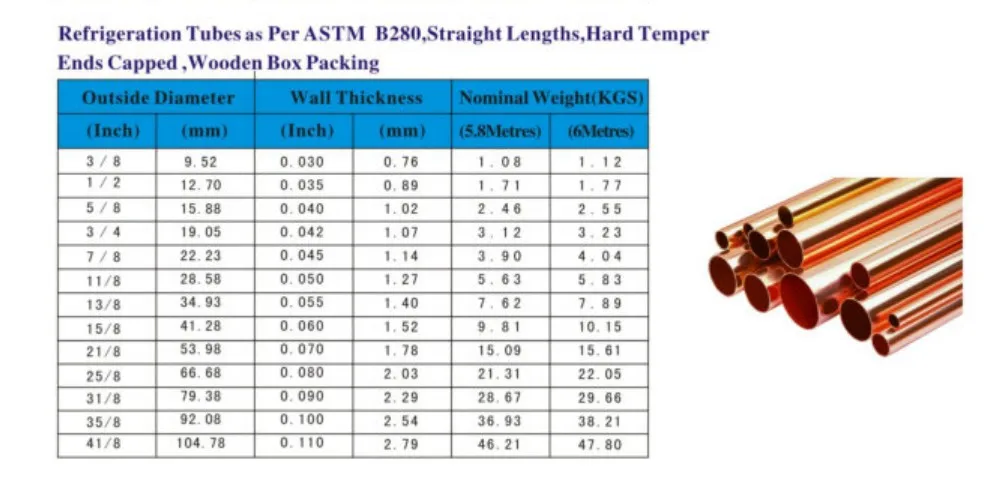
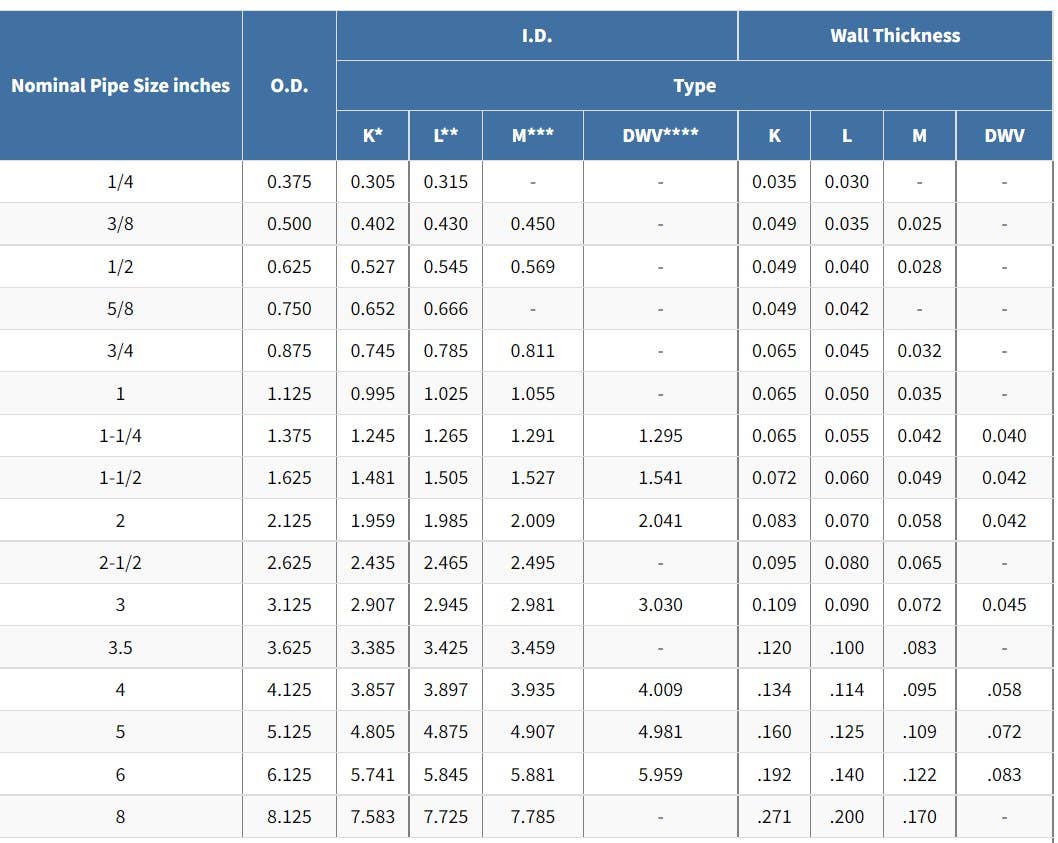
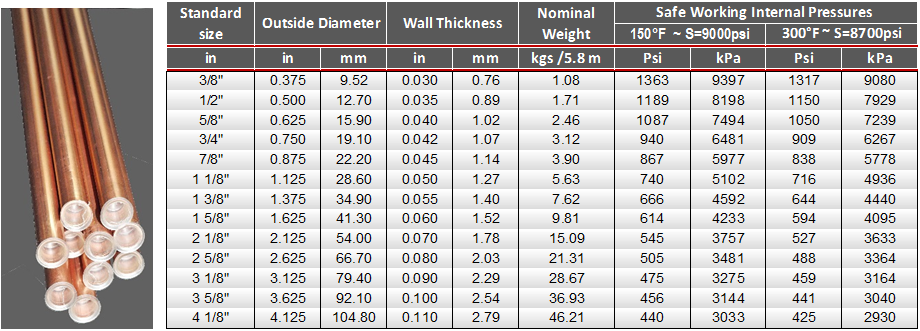
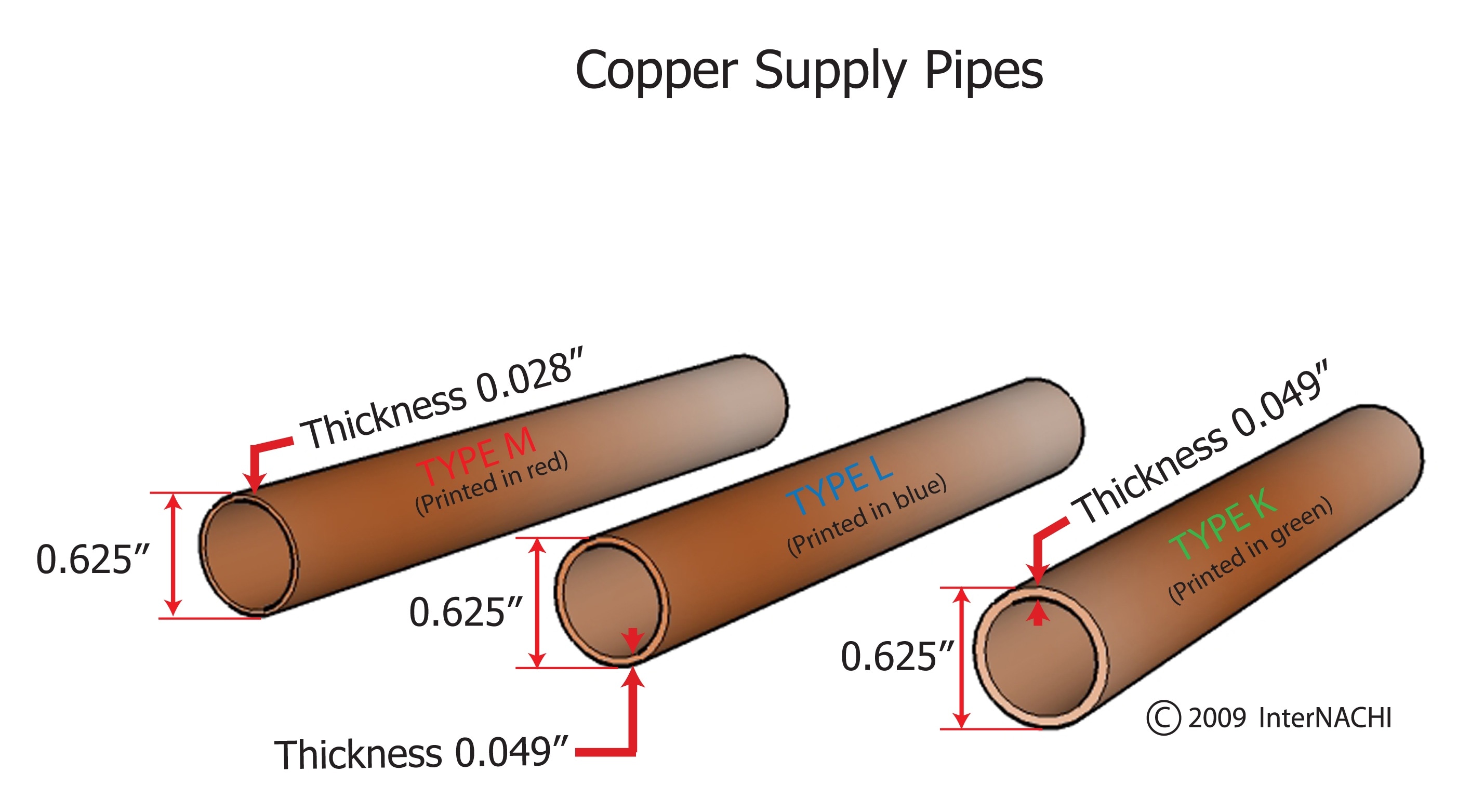
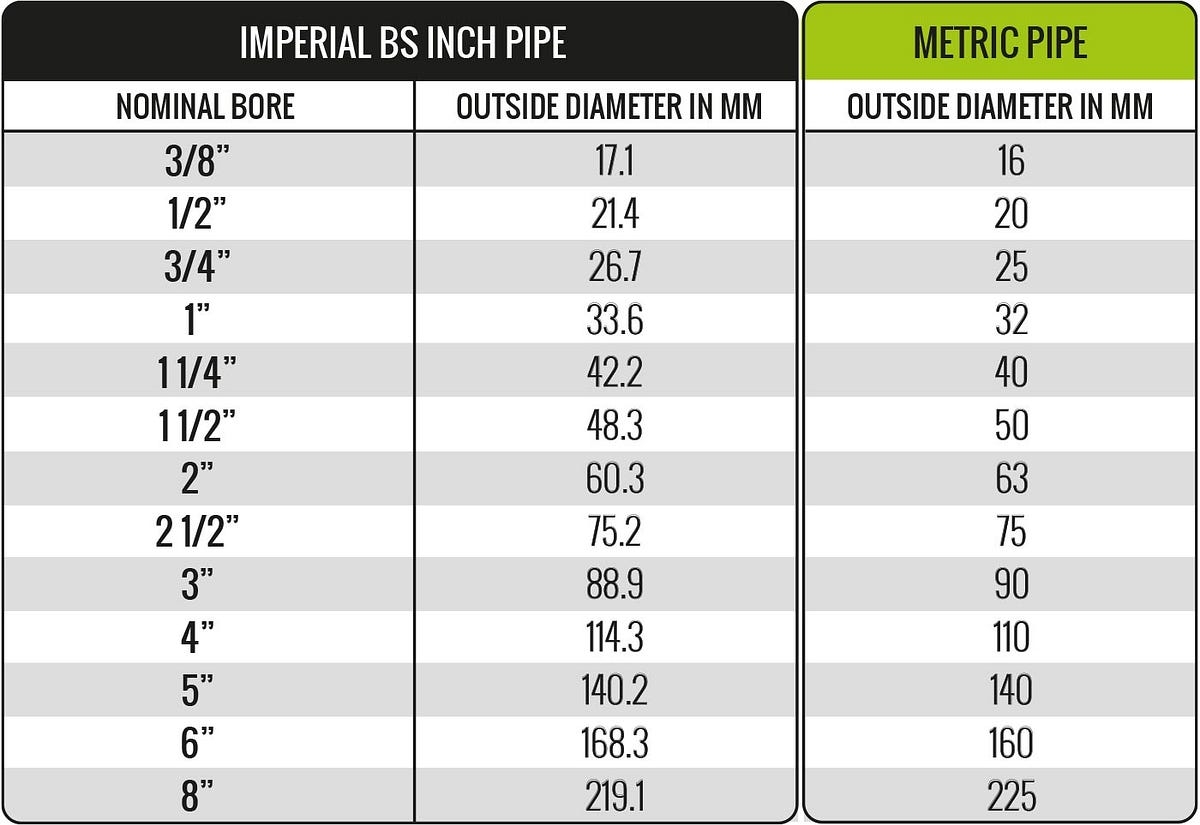
It's important to clarify what "1 1/2 inch" actually refers to when discussing copper pipes. This dimension is the nominal size, not the actual outside diameter (OD). The 1 1/2" nominal size copper pipe will actually have an outside diameter closer to 1 5/8" (1.625 inches). The inside diameter (ID) will vary slightly depending on the pipe's wall thickness, which is designated by types like Type K, Type L, and Type M (Type M is the thinnest and most common for residential use).
Knowing this distinction can be helpful when purchasing fittings or replacement sections of pipe.
Conclusion
Troubleshooting uneven heating or cooling can be challenging, but by following these steps and carefully inspecting your 1 1/2" copper pipes, you can often identify potential problems and take appropriate action. Remember to prioritize safety and call a professional when necessary. With a little knowledge and effort, you can keep your HVAC system running efficiently and comfortably for years to come.