1 1 2 Inch Foam Pipe Insulation
Choosing the right insulation for your pipes is crucial for energy efficiency and preventing costly problems. This guide focuses specifically on 1 1/2 inch foam pipe insulation, providing you with the information needed to determine if it's the right choice for your project and how to use it effectively.
What is 1 1/2 Inch Foam Pipe Insulation?
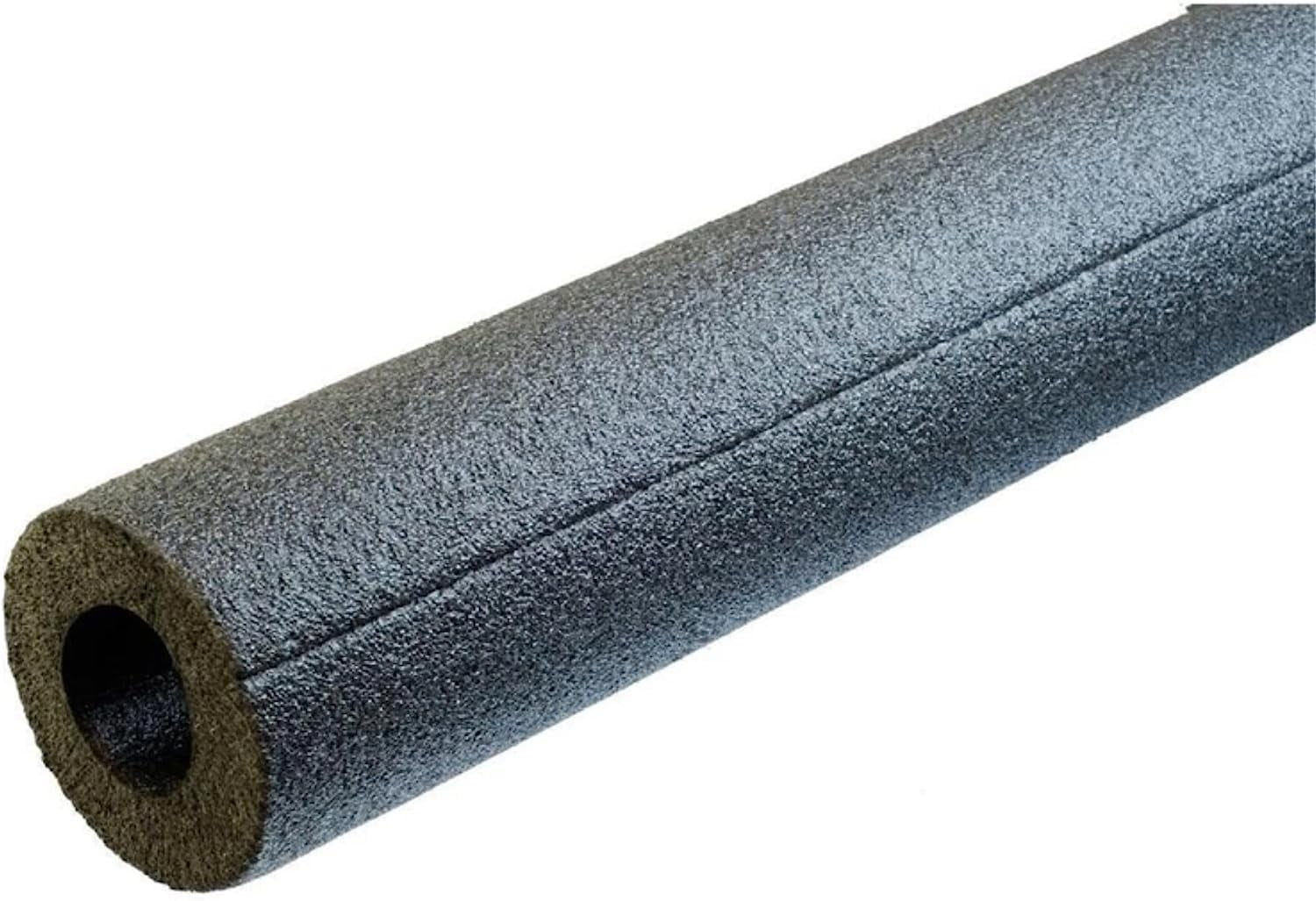
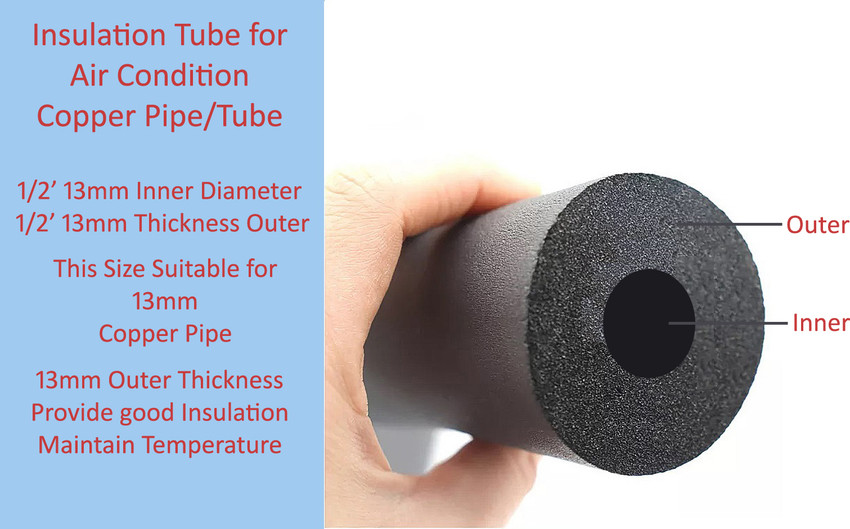
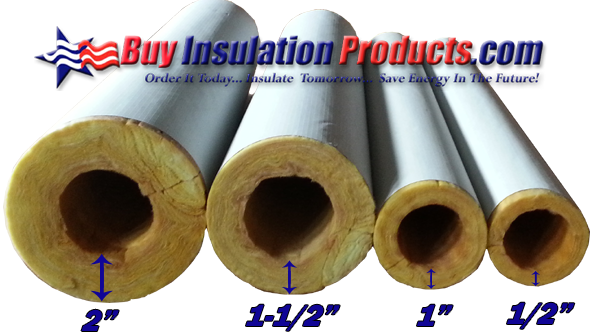
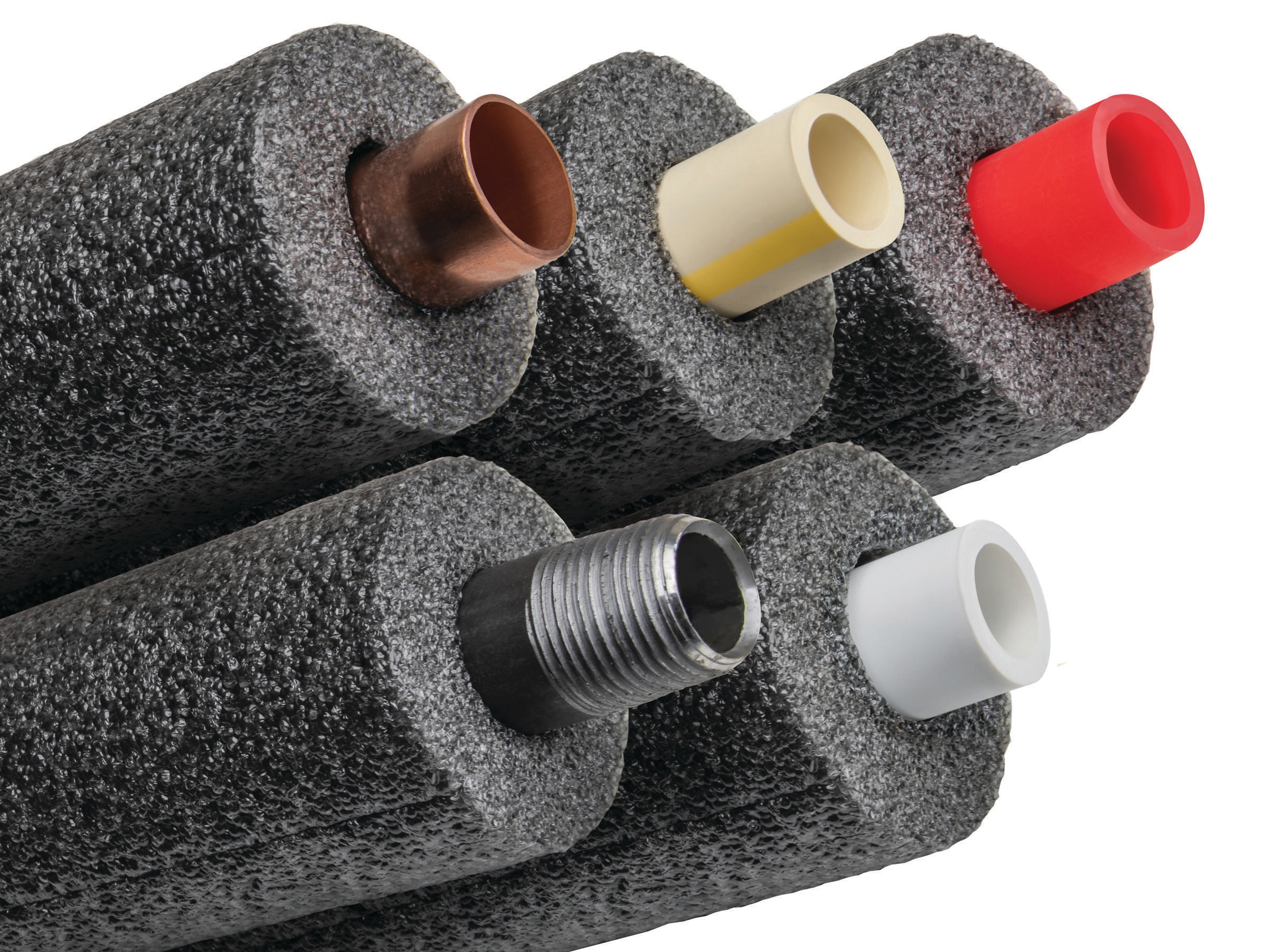
Foam pipe insulation is a flexible, lightweight material designed to wrap around pipes, reducing heat loss or gain. It's commonly made from materials like polyethylene, elastomeric rubber, or polyurethane. The "1 1/2 inch" designation refers to the inner diameter (ID) of the insulation, meaning it's designed to fit snugly around a pipe with an outer diameter (OD) of approximately 1 1/2 inches.
Why is insulation important? Uninsulated pipes lose or gain heat quickly, leading to increased energy consumption and potential problems like frozen pipes in winter or condensation issues in summer. Think of pipe insulation as a "jacket" for your pipes, keeping the temperature inside consistent.
Types of Foam Pipe Insulation Materials
Several types of foam insulation are available, each with its own pros and cons:
Polyethylene (PE)
Polyethylene foam is a cost-effective and versatile option. It's typically closed-cell, meaning it's resistant to moisture absorption. PE insulation is commonly used for hot and cold water pipes and is relatively easy to install. However, it may not be as effective at higher temperatures compared to other options.
Elastomeric Rubber (EPDM or Nitrile Rubber)
Elastomeric rubber insulation offers excellent thermal performance and flexibility. It's naturally resistant to moisture and UV degradation, making it suitable for both indoor and outdoor applications. This type of insulation is often used for refrigerant lines in HVAC systems and for hot water pipes in commercial settings. It's a premium option, usually with a higher price tag than polyethylene.
Polyurethane (PUR) and Polyisocyanurate (PIR)
Polyurethane and polyisocyanurate foams provide superior thermal resistance compared to polyethylene. They are often used in more demanding applications where energy efficiency is critical. However, they can be more rigid than elastomeric rubber and may require specialized tools for installation. These are commonly used in spray foam applications, but also available in pre-formed pipe insulation.
Applications of 1 1/2 Inch Foam Pipe Insulation
1 1/2 inch foam pipe insulation is suitable for a variety of applications, including:
- Domestic Hot and Cold Water Pipes: Maintaining water temperature and preventing condensation.
- HVAC Refrigerant Lines: Reducing energy loss and preventing condensation on air conditioning and heat pump lines. Think of refrigerant as the "blood" of your AC system, carrying heat from inside to outside.
- Hydronic Heating Systems: Minimizing heat loss from hot water pipes used for radiant heating.
- Chilled Water Systems: Preventing condensation and maintaining low temperatures in cooling systems.
- Industrial Piping: Insulating process pipes to maintain temperature and prevent corrosion.
Benefits of Using 1 1/2 Inch Foam Pipe Insulation
Investing in pipe insulation offers several significant advantages:
- Energy Savings: Reduced heat loss or gain translates to lower energy bills. Properly insulated pipes make your heating and cooling systems work more efficiently.
- Condensation Prevention: Insulation prevents condensation from forming on cold pipes, which can lead to dripping, mold growth, and water damage.
- Freeze Protection: Insulation slows down the rate at which pipes lose heat, reducing the risk of freezing in cold weather. This is especially important for pipes located in unheated areas.
- Noise Reduction: Foam insulation can dampen the sound of water flowing through pipes, creating a quieter environment.
- Personnel Protection: Insulation can protect people from burns when in contact with hot pipes.
Factors to Consider When Choosing 1 1/2 Inch Foam Pipe Insulation
Selecting the right type of insulation requires careful consideration of several factors:
- Material Type: Choose a material that suits the temperature range and environmental conditions of your application. Consider polyethylene for basic applications, elastomeric rubber for high-performance needs, and polyurethane for superior insulation.
- Temperature Range: Ensure the insulation's temperature rating is appropriate for the fluid in the pipe. Check the manufacturer's specifications for the maximum and minimum operating temperatures.
- R-Value: The R-value measures the insulation's resistance to heat flow. Higher R-values indicate better insulation performance. Select an R-value that meets the energy efficiency requirements of your project.
- Moisture Resistance: If the pipes are exposed to moisture, choose a closed-cell insulation material that resists water absorption.
- UV Resistance: For outdoor applications, select an insulation material with UV resistance to prevent degradation from sunlight.
- Fire Resistance: Consider fire safety regulations and choose an insulation material with appropriate fire resistance properties.
- Installation Method: Some insulation materials are easier to install than others. Consider your skill level and the complexity of the project when making your selection.
- Cost: Compare the cost of different insulation materials and choose the option that provides the best value for your budget.
Installation of 1 1/2 Inch Foam Pipe Insulation
Proper installation is essential for maximizing the benefits of pipe insulation.
- Preparation: Clean the pipe surface and ensure it is dry. Remove any existing insulation or debris.
- Cutting: Measure and cut the insulation to the required length using a sharp knife or insulation cutter. Ensure the cut is clean and straight.
- Application: Open the insulation along the longitudinal seam and carefully wrap it around the pipe. Make sure the insulation fits snugly against the pipe surface.
- Sealing: Seal the longitudinal seam with adhesive tape or a compatible adhesive. For butt joints (where two sections of insulation meet), use butt joint tape to create a continuous seal.
- Securing: Secure the insulation with tape, clamps, or straps, depending on the application and the manufacturer's recommendations.
- For Elbows and Fittings: Use pre-formed elbow covers or miter-cut the insulation to fit around elbows and fittings. Seal all seams and joints thoroughly.
Important Installation Tips:
- Use the right tools: A sharp knife or insulation cutter is essential for clean cuts.
- Seal all seams and joints: Gaps in the insulation can significantly reduce its effectiveness.
- Don't compress the insulation: Compressing the insulation reduces its R-value.
- Follow the manufacturer's instructions: Always refer to the manufacturer's instructions for specific installation recommendations.
Cost Considerations
The cost of 1 1/2 inch foam pipe insulation varies depending on the material type, R-value, and quantity purchased. Polyethylene insulation is generally the most affordable option, while elastomeric rubber and polyurethane insulation are more expensive. Consider the long-term energy savings and potential cost avoidance (e.g., preventing frozen pipes) when evaluating the overall cost-effectiveness of different insulation options.
Professional installation will add to the overall cost, but it can ensure that the insulation is installed correctly and performs optimally. Get quotes from several contractors before making a decision.
Where to Buy 1 1/2 Inch Foam Pipe Insulation
You can purchase 1 1/2 inch foam pipe insulation from various sources, including:
- Home Improvement Stores: Major retailers like Home Depot and Lowe's carry a selection of foam pipe insulation.
- Plumbing Supply Stores: These stores specialize in plumbing supplies and often offer a wider variety of insulation options.
- HVAC Supply Stores: HVAC supply stores cater to HVAC professionals and typically stock high-performance insulation materials.
- Online Retailers: Online retailers like Amazon offer a convenient way to purchase pipe insulation from the comfort of your home.
Compare prices and read customer reviews before making a purchase. Consider buying in bulk if you have a large project to save money.
Maintenance and Longevity
Foam pipe insulation is generally low-maintenance. However, it's essential to inspect the insulation periodically for damage, such as tears, cracks, or punctures. Replace any damaged sections of insulation to maintain its effectiveness. Protect outdoor insulation from direct sunlight and physical damage with a protective covering, if necessary.
With proper installation and maintenance, foam pipe insulation can last for many years, providing long-term energy savings and protection for your pipes.
Safety Precautions
When working with pipe insulation, it's important to take the following safety precautions:
- Wear gloves: To protect your hands from irritation.
- Wear safety glasses: To protect your eyes from dust and debris.
- Work in a well-ventilated area: Especially when using adhesives or sealants.
- Follow the manufacturer's instructions: For specific safety recommendations.
Conclusion
1 1/2 inch foam pipe insulation is a valuable investment for any home or building. By understanding the different types of materials, applications, and installation techniques, you can make an informed decision and maximize the benefits of pipe insulation. Remember to consider factors like temperature range, R-value, moisture resistance, and cost when choosing the right insulation for your project. Properly installed and maintained insulation will save you money on energy bills, prevent condensation, and protect your pipes from freezing for years to come.