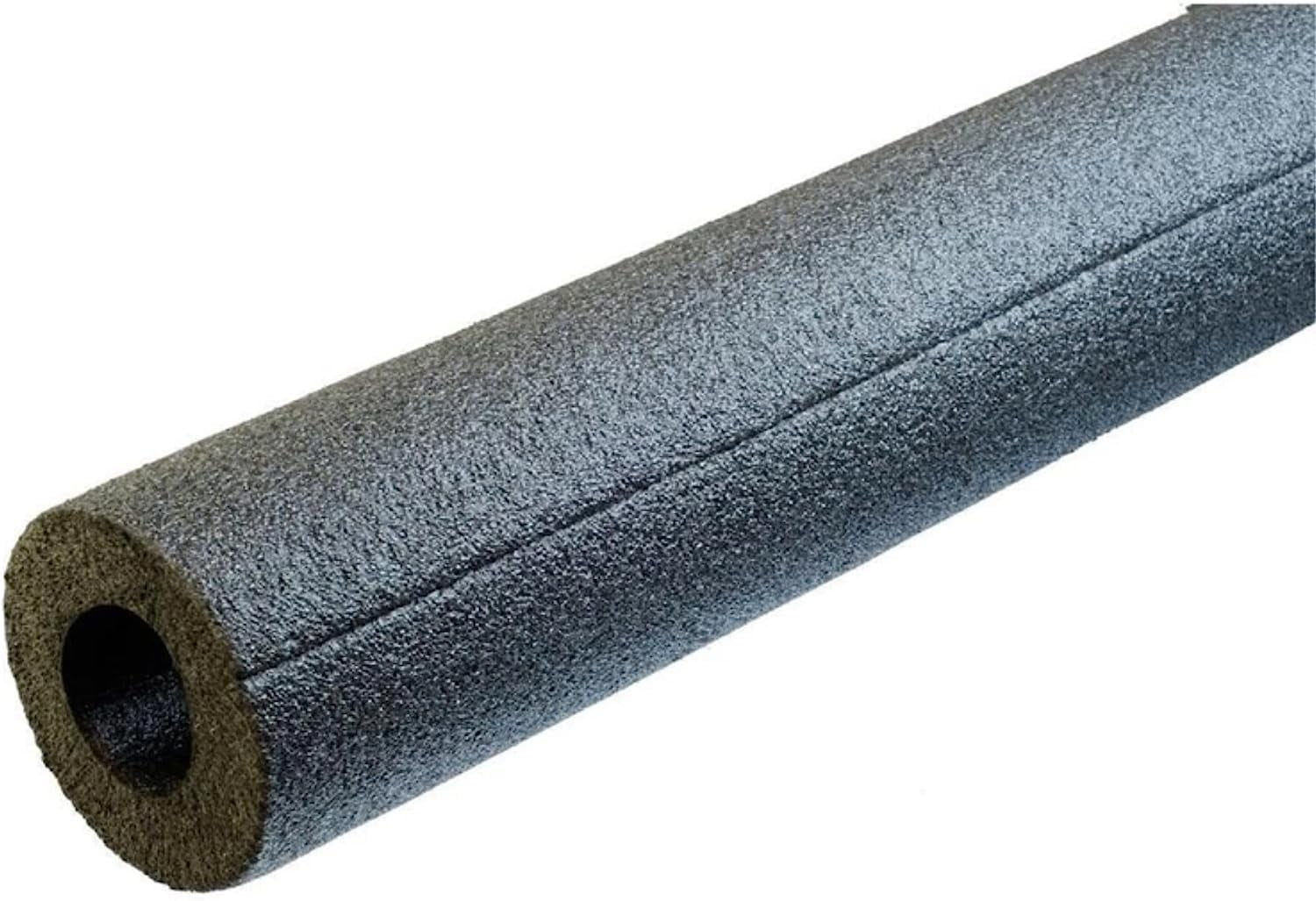
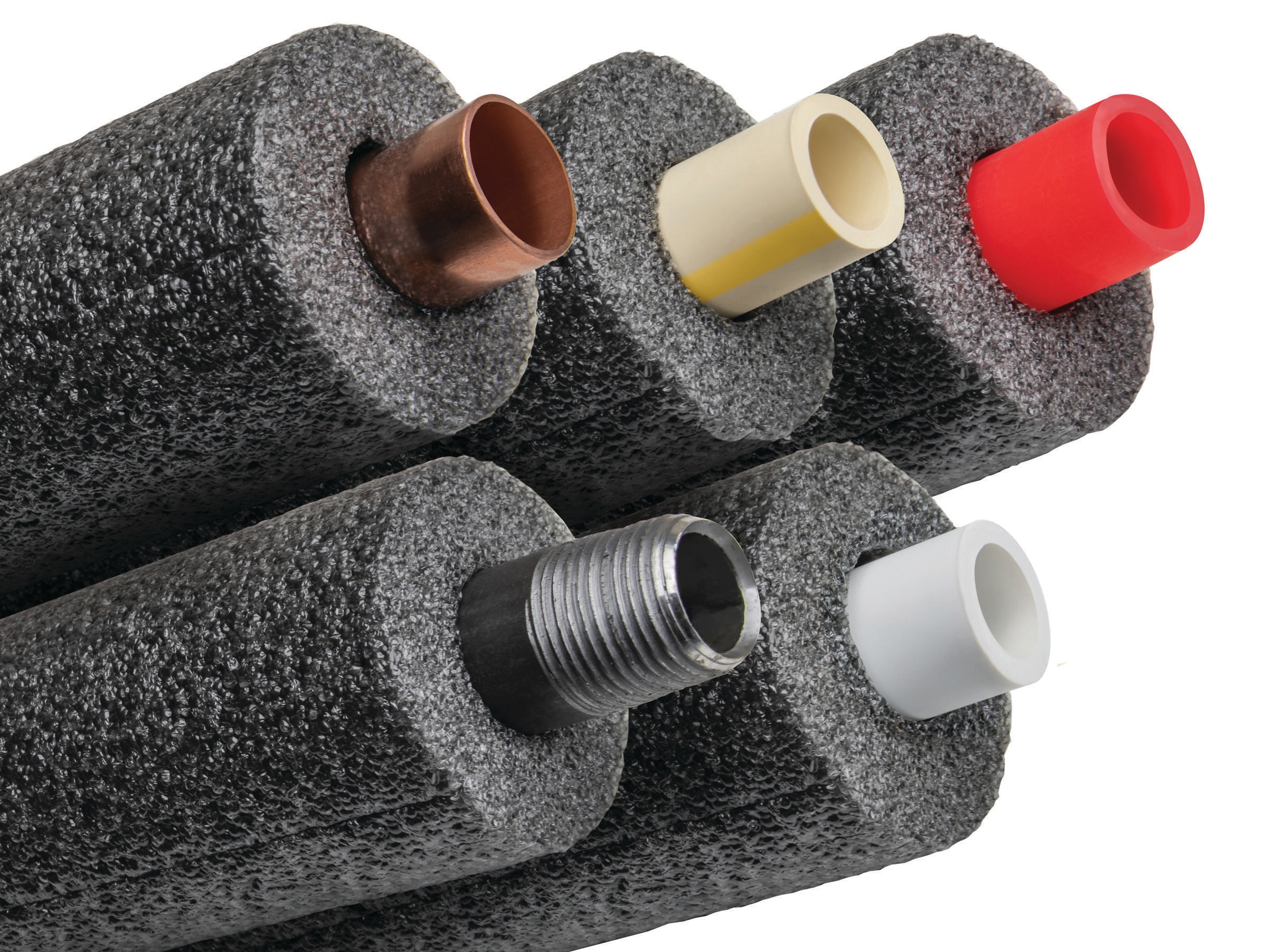
1 1 4 Foam Pipe Insulation

In the dynamic world of HVAC (Heating, Ventilation, and Air Conditioning), mastering the nuances of insulation is crucial for energy efficiency, system longevity, and career advancement. Among the various insulation types, 1 1/4 foam pipe insulation stands out as a versatile and effective solution. This article delves into the specifics of 1 1/4 foam pipe insulation, its applications, and its significance for HVAC professionals at all career stages.
Understanding 1 1/4 Foam Pipe Insulation
1 1/4 foam pipe insulation refers to insulation specifically designed to fit pipes with a nominal diameter of 1 1/4 inches. Typically made from closed-cell materials like polyethylene or elastomeric rubber, it offers excellent thermal resistance, preventing heat loss or gain in HVAC systems. The closed-cell structure minimizes moisture absorption, which is critical in preventing corrosion and maintaining insulation effectiveness over time. This size is common in residential and light commercial applications for refrigerant lines, hot water pipes, and condensate drains.
Key Benefits:
- Energy Efficiency: Reduces energy consumption by minimizing heat transfer.
- Condensation Control: Prevents condensation, protecting pipes from corrosion and mold growth.
- Noise Reduction: Dampens noise from fluid flow within pipes.
- Ease of Installation: Flexible and easy to cut and install, even in tight spaces.
- Cost-Effective: Provides a good balance of performance and price.
Applications in HVAC Systems
1 1/4 foam pipe insulation finds applications throughout various components of HVAC systems:
- Refrigerant Lines: Insulating refrigerant lines in air conditioning and heat pump systems is crucial for maintaining optimal performance and preventing energy loss.
- Hot Water Pipes: In heating systems, this insulation minimizes heat loss from hot water pipes, ensuring efficient distribution of heat throughout the building.
- Condensate Drains: Prevents condensation on condensate drain lines, preventing drips and potential water damage.
- Chilled Water Systems: Used in commercial buildings to insulate chilled water pipes, reducing energy costs and preventing condensation.
Career Implications for HVAC Professionals
A strong understanding of insulation practices, including the proper selection and installation of 1 1/4 foam pipe insulation, is essential for success in the HVAC field. It impacts various career paths, from entry-level technicians to seasoned engineers.
For HVAC Students and Apprentices
As a student or apprentice, mastering the fundamentals of insulation is a cornerstone of your training. Familiarize yourself with different insulation materials, their properties, and proper installation techniques. Hands-on experience with installing 1 1/4 foam pipe insulation will be invaluable in your early career. Seek out opportunities to assist experienced technicians on projects involving insulation, and don't hesitate to ask questions.
Skills to Develop:
- Accurate measurement and cutting of insulation materials.
- Proper application of adhesives and sealants.
- Understanding of different insulation R-values and their impact on energy efficiency.
- Knowledge of relevant building codes and regulations.
For Experienced Technicians
Experienced technicians can leverage their knowledge of insulation to enhance their service offerings and career prospects. Consider pursuing certifications like NATE (North American Technician Excellence), which validates your expertise in HVAC systems, including insulation practices. Furthermore, compliance with EPA 608 regulations regarding refrigerant handling often intersects with proper insulation of refrigerant lines. Demonstrating expertise in these areas can lead to higher pay and more specialized roles.
Career Advancement Opportunities:
- HVAC Technician Supervisor: Overseeing the work of other technicians and ensuring proper insulation installation.
- Energy Auditor: Conducting energy audits to identify areas where insulation can improve energy efficiency.
- HVAC System Designer: Designing HVAC systems with optimal insulation strategies.
For Employers
Employers in the HVAC industry need to prioritize hiring skilled workers with a strong understanding of insulation principles. When recruiting, look for candidates who possess the following:
- Technical Skills: Demonstrated ability to properly install and maintain insulation.
- Certifications: NATE, EPA 608, or other relevant certifications.
- Problem-Solving Skills: Ability to identify and address insulation-related issues.
- Commitment to Safety: Adherence to safety protocols when working with insulation materials.
Investing in training programs for your employees can also improve the quality of their work and increase customer satisfaction. Consider offering training on new insulation technologies and best practices.
Industry Trends and the Importance of Insulation
The HVAC industry is increasingly focused on energy efficiency and sustainability. Government regulations, such as those promoting energy-efficient buildings, are driving demand for better insulation practices. As a result, HVAC professionals who possess expertise in insulation will be highly sought after.
Statistics:
- According to the U.S. Energy Information Administration (EIA), buildings account for approximately 40% of total U.S. energy consumption.
- Proper insulation can reduce heating and cooling costs by up to 15%, according to the Department of Energy (DOE).
- The global market for thermal insulation is projected to reach $43.6 billion by 2027, according to a report by Global Industry Analysts Inc.
Salary and Job Outlook
The job outlook for HVAC technicians is positive, with the Bureau of Labor Statistics projecting a growth rate of 6% from 2022 to 2032. This growth is driven by increased demand for energy-efficient HVAC systems and the need to replace aging equipment.
Salary Ranges:
Salaries for HVAC technicians vary depending on experience, location, and certifications. According to the Bureau of Labor Statistics, the median annual wage for HVAC mechanics and installers was $51,390 in May 2022. However, experienced technicians with specialized skills and certifications can earn significantly more.
Real-World Examples:
- An HVAC technician specializing in energy-efficient retrofits can earn a premium salary by helping homeowners and businesses reduce their energy consumption.
- A project manager overseeing large-scale HVAC installations in commercial buildings can earn a six-figure salary.
- An HVAC consultant providing expert advice on insulation and energy efficiency can command high fees for their services.
Certifications and Continuing Education
Obtaining relevant certifications and engaging in continuing education are crucial for staying up-to-date with the latest trends and technologies in the HVAC industry. Here are some important certifications to consider:
- NATE (North American Technician Excellence): A leading certification for HVAC technicians.
- EPA 608 Certification: Required for technicians who handle refrigerants.
- Building Performance Institute (BPI) Certifications: Focus on energy efficiency and building performance.
- HVAC Excellence Certifications: Cover a wide range of HVAC topics.
Continuing education courses can help you stay abreast of new insulation materials, installation techniques, and energy efficiency standards. Look for courses offered by manufacturers, trade associations, and community colleges.
Conclusion
Mastering the intricacies of 1 1/4 foam pipe insulation and other insulation practices is a valuable investment for anyone pursuing a career in HVAC. By developing a strong understanding of insulation principles, obtaining relevant certifications, and staying current with industry trends, you can enhance your skills, increase your earning potential, and contribute to a more sustainable future. Whether you are an HVAC student, an experienced technician, or an employer, prioritizing insulation knowledge will benefit you and the industry as a whole. Embrace the importance of this often-overlooked aspect of HVAC, and you'll be well-positioned for long-term success.