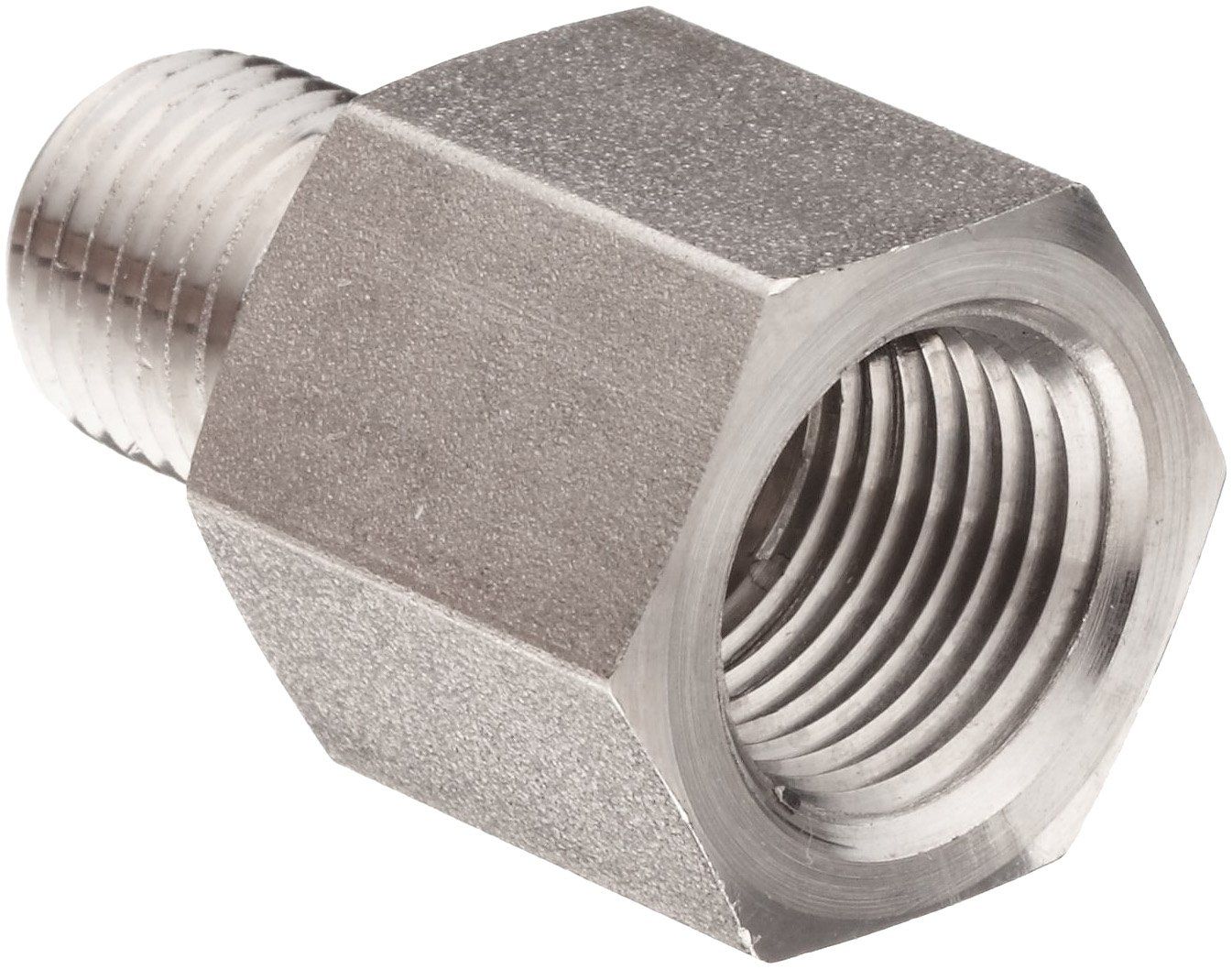
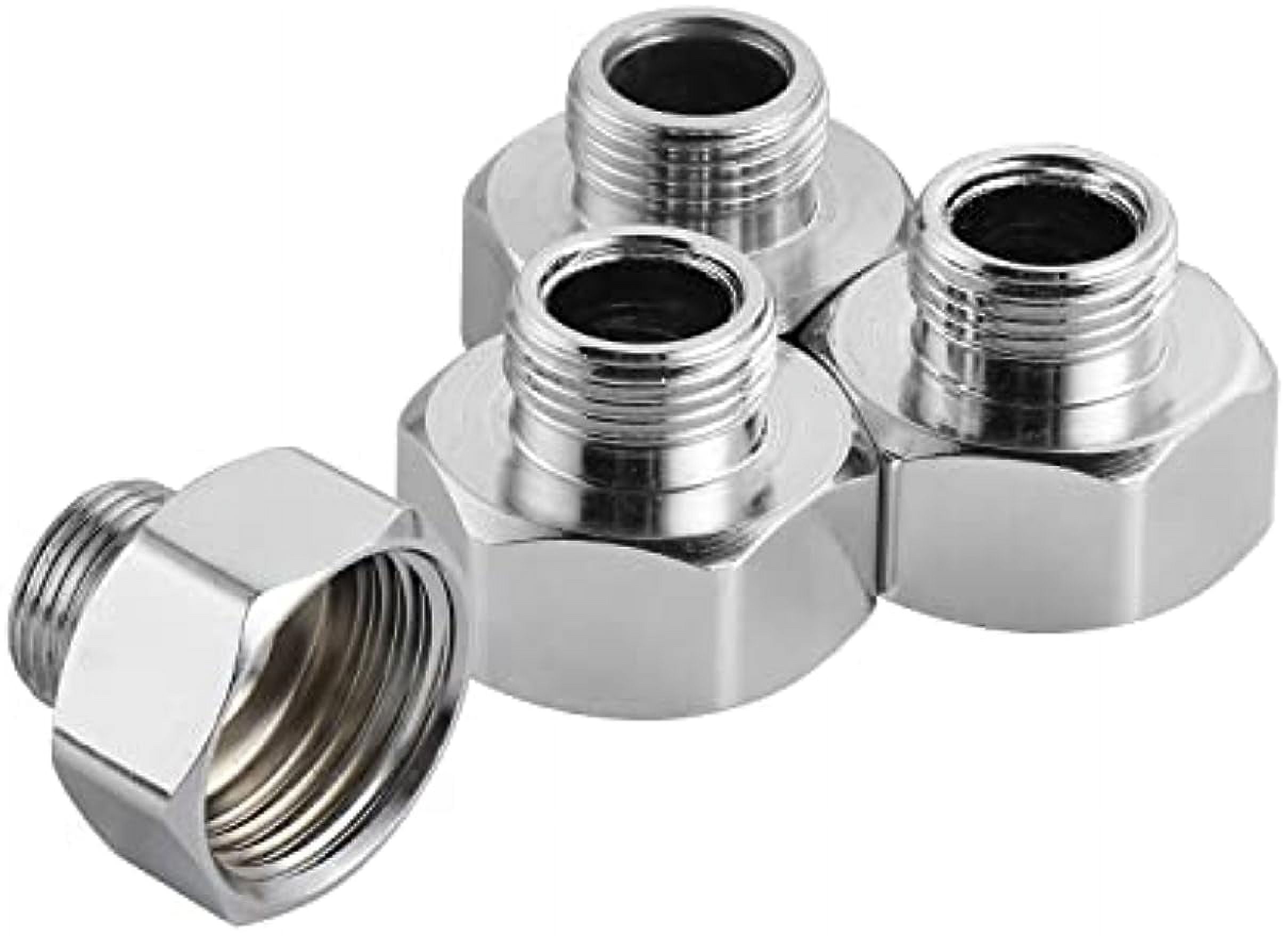
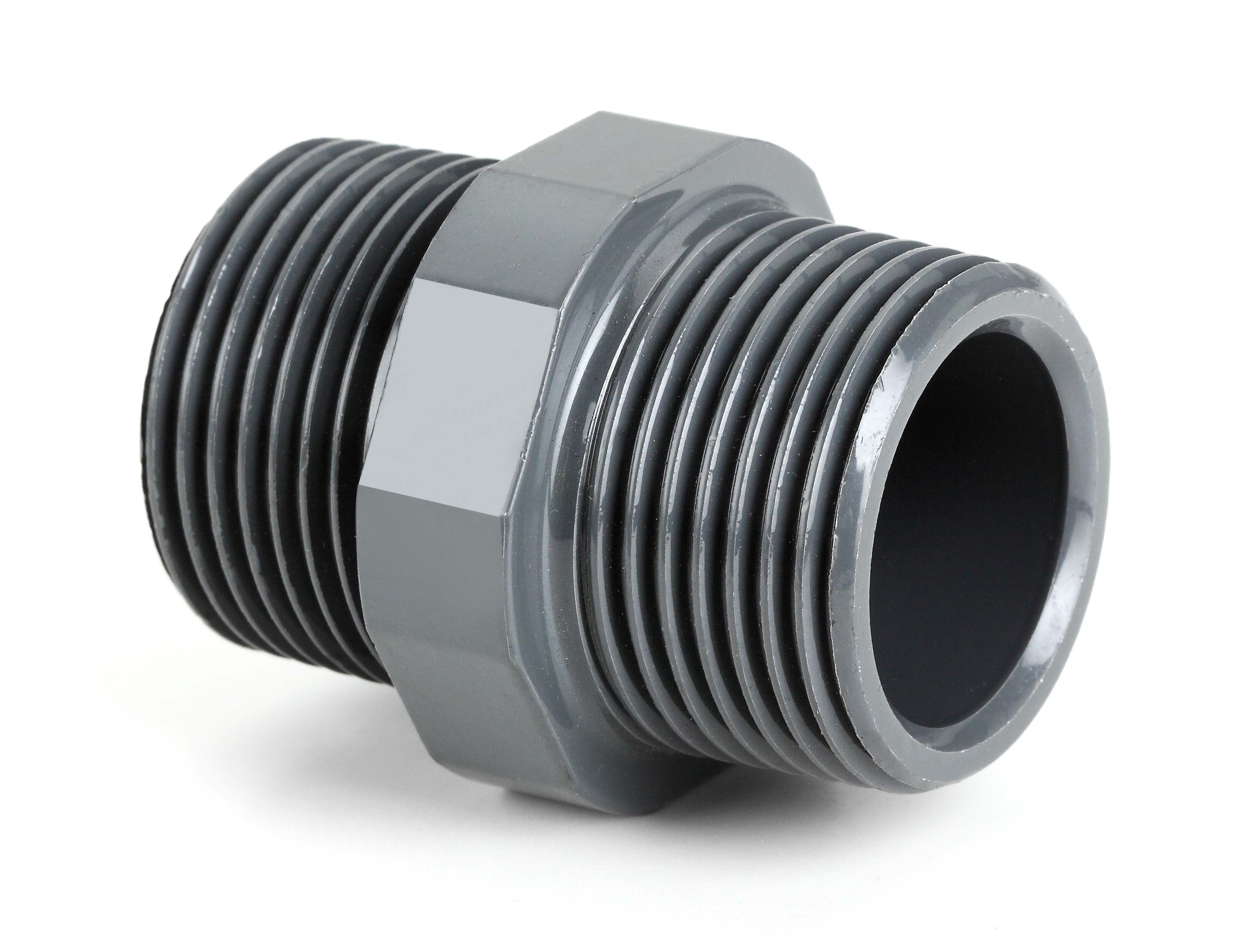
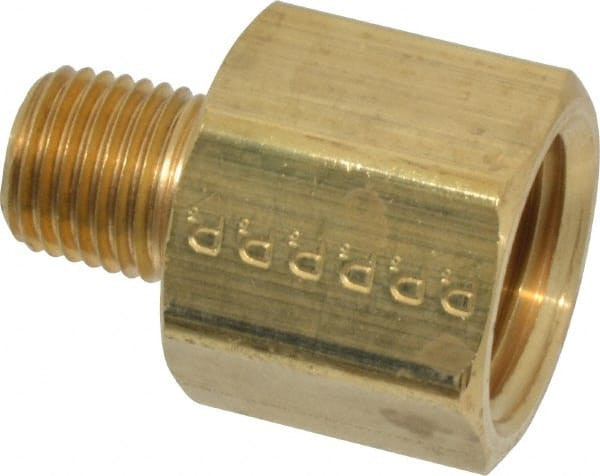
1 1 4 Male To 1 1 2 Female Adapter
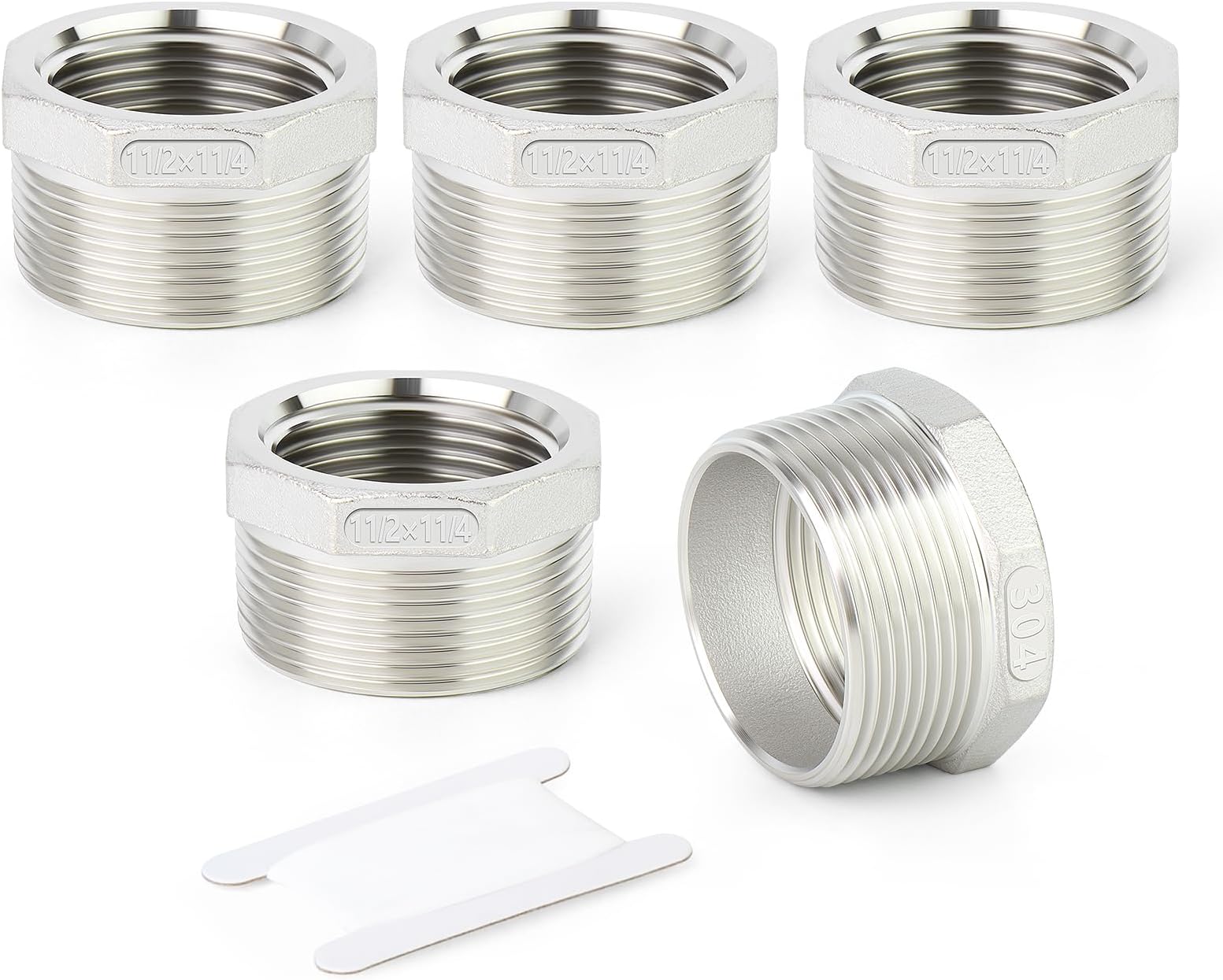
If you're tackling plumbing or HVAC projects around the house, you've probably encountered situations where pipe sizes don't quite match up. That's where adapters come in handy. One common adapter is the 1 1/4 Male to 1 1/2 Female Adapter. This article will provide a comprehensive look at this fitting, its uses, potential problems, and when it's best to call in a professional.
Understanding the 1 1/4 Male to 1 1/2 Female Adapter
This adapter, as its name suggests, connects a 1 1/4-inch male threaded pipe to a 1 1/2-inch female threaded pipe. The male end has threads on the outside, designed to screw into a female fitting. The female end has threads on the inside, ready to receive a male fitting. These adapters are commonly made from materials like:
- PVC (Polyvinyl Chloride): A cost-effective option, suitable for low-pressure, non-corrosive applications like drainage.
- CPVC (Chlorinated Polyvinyl Chloride): Handles higher temperatures than PVC, making it suitable for hot water lines in some areas.
- Brass: Durable and corrosion-resistant, suitable for potable water and various HVAC applications.
- Galvanized Steel: Strong but susceptible to corrosion over time. Less common in modern plumbing systems.
The material you choose will depend on the specific application and the type of fluid or gas being conveyed. Always check local codes to ensure compliance.
Common Applications in HVAC and Plumbing
The 1 1/4 Male to 1 1/2 Female adapter has several practical uses in both plumbing and HVAC systems:
- Drainage Systems: Connecting different sized drain pipes under sinks or in showers. This is perhaps the most frequent use.
- Condensate Drain Lines: Adapting the drain line from an air conditioner or furnace to the main drain.
- Plumbing Fixture Installation: Connecting different sized pipes to faucets, toilets, or water heaters.
- HVAC System Repairs: Replacing damaged sections of piping where a size transition is needed.
DIY Projects: When You Can Use This Adapter
Installing a 1 1/4 Male to 1 1/2 Female adapter is a relatively simple task for DIYers with basic plumbing skills. Here's a step-by-step guide:
Tools and Materials Needed:
- 1 1/4 Male to 1 1/2 Female Adapter (appropriate material)
- Pipe cutter or saw
- Deburring tool or file
- Pipe thread sealant (Teflon tape or pipe dope)
- Two pipe wrenches or adjustable wrenches
- Safety glasses
- Gloves
Installation Steps:
- Safety First: Turn off the water or gas supply to the pipe you'll be working on. Relieve any pressure in the line.
- Prepare the Pipes: Clean the existing pipes thoroughly. Remove any old sealant or debris.
- Cut the Pipe (if needed): If you're installing a new section of pipe, cut it to the appropriate length using a pipe cutter or saw. Make sure the cut is square and clean.
- Deburr the Pipe: Use a deburring tool or file to remove any sharp edges from the cut pipe. This will ensure a proper seal.
- Apply Sealant: Wrap Teflon tape clockwise around the male threads of the 1 1/4-inch pipe. Alternatively, apply pipe dope evenly to the male threads.
- Connect the Adapter: Carefully screw the 1 1/4-inch male end of the adapter onto the pipe. Tighten it using two pipe wrenches. One wrench should hold the pipe steady, while the other tightens the adapter.
- Connect the 1 1/2-inch pipe: Apply Teflon tape or pipe dope to the male end of your 1 1/2-inch pipe. Screw the 1 1/2-inch pipe into the female end of the adapter. Tighten securely.
- Test for Leaks: Slowly turn the water or gas supply back on. Check for leaks around the adapter. If you find any leaks, tighten the connections slightly. If the leaks persist, disassemble the connection, reapply sealant, and try again.
Safety Tip: Always wear safety glasses and gloves when working with plumbing or HVAC systems. Be careful when using sharp tools.
Common Problems and Solutions
Even with careful installation, you might encounter some common problems:
- Leaks at the Threads: This is usually caused by insufficient sealant or overtightening. Disassemble the connection, reapply sealant properly, and retighten to the correct torque. Avoid cross-threading.
- Cross-Threading: If the adapter doesn't screw on smoothly, you might be cross-threading it. Stop immediately and realign the threads. Forcing it will damage the threads and cause leaks.
- Adapter Cracking: Overtightening can crack plastic adapters. Use the appropriate torque and avoid excessive force.
- Corrosion: Galvanized steel adapters are prone to corrosion, especially in damp environments. Replace them with brass or PVC/CPVC adapters.
When to Call a Professional
While installing a 1 1/4 Male to 1 1/2 Female adapter is a relatively straightforward task, there are situations where it's best to call a qualified HVAC technician or plumber:
- Gas Line Repairs: Working with gas lines is extremely dangerous and requires specialized knowledge and tools. Never attempt to repair or modify gas lines yourself.
- Complex Plumbing Systems: If you're dealing with a complex plumbing system with multiple connections and potential code violations, it's best to consult a professional.
- Uncertainty About the Problem: If you're not sure what's causing the problem or how to fix it, don't hesitate to call a professional. Guessing can lead to further damage and costly repairs.
- If you don't feel comfortable If you are uncomfortable with any part of the repair, call a professional.
Cost Considerations
The cost of installing a 1 1/4 Male to 1 1/2 Female adapter can vary depending on several factors:
- Adapter Material: PVC adapters are the least expensive, while brass adapters are more expensive.
- Labor Costs: If you hire a professional, labor costs will be the most significant expense. Plumbers or HVAC technicians typically charge an hourly rate.
- Complexity of the Job: More complex jobs that require additional parts or extensive labor will cost more.
Here's a rough estimate of the costs involved:
- DIY Installation: The cost of the adapter itself will typically range from $2 to $10, depending on the material.
- Professional Installation: A simple adapter replacement by a professional might cost between $75 and $200, including labor and materials. More complex jobs could cost several hundred dollars.
Note: These are just estimates. Always get a quote from a qualified professional before starting any work.
Choosing the Right Adapter Material
Selecting the correct adapter material is crucial for a long-lasting and reliable connection. Here's a more detailed look at the pros and cons of each material:
PVC (Polyvinyl Chloride)
- Pros: Cost-effective, easy to work with, corrosion-resistant (to many chemicals), readily available.
- Cons: Not suitable for high-temperature applications, can become brittle over time, not suitable for potable water in some areas (check local codes).
CPVC (Chlorinated Polyvinyl Chloride)
- Pros: Handles higher temperatures than PVC, corrosion-resistant, suitable for hot water lines in some areas.
- Cons: More expensive than PVC, can be brittle, requires special primer and cement for joining.
Brass
- Pros: Durable, corrosion-resistant, suitable for potable water, can withstand high temperatures and pressures.
- Cons: More expensive than PVC or CPVC, can contain lead (use lead-free brass for potable water applications).
Galvanized Steel
- Pros: Strong, relatively inexpensive (compared to brass).
- Cons: Susceptible to corrosion, can contaminate water with rust, not suitable for potable water systems.
Consider the following factors when choosing the adapter material:
- Fluid/Gas Type: Is it water, gas, or something else?
- Temperature: What's the maximum temperature the adapter will be exposed to?
- Pressure: What's the maximum pressure the adapter will be subjected to?
- Local Codes: Are there any specific material requirements in your area?
Maintaining Your Plumbing and HVAC Systems
Regular maintenance can help prevent problems and extend the lifespan of your plumbing and HVAC systems. Here are some tips:
- Inspect Regularly: Check for leaks, corrosion, and other signs of damage.
- Clean Drains: Regularly flush drains with hot water or a drain cleaner to prevent clogs.
- Replace Old Hoses: Replace old or cracked hoses on appliances like washing machines and dishwashers.
- Schedule Professional Inspections: Have your plumbing and HVAC systems inspected by a qualified professional at least once a year.
By understanding the uses, installation, and potential problems associated with the 1 1/4 Male to 1 1/2 Female Adapter, you can confidently tackle simple repairs and maintenance tasks around your home. Remember to prioritize safety and call a professional when needed.


-1200.webp)