1 1/2 Foam Board Insulation Lowe's
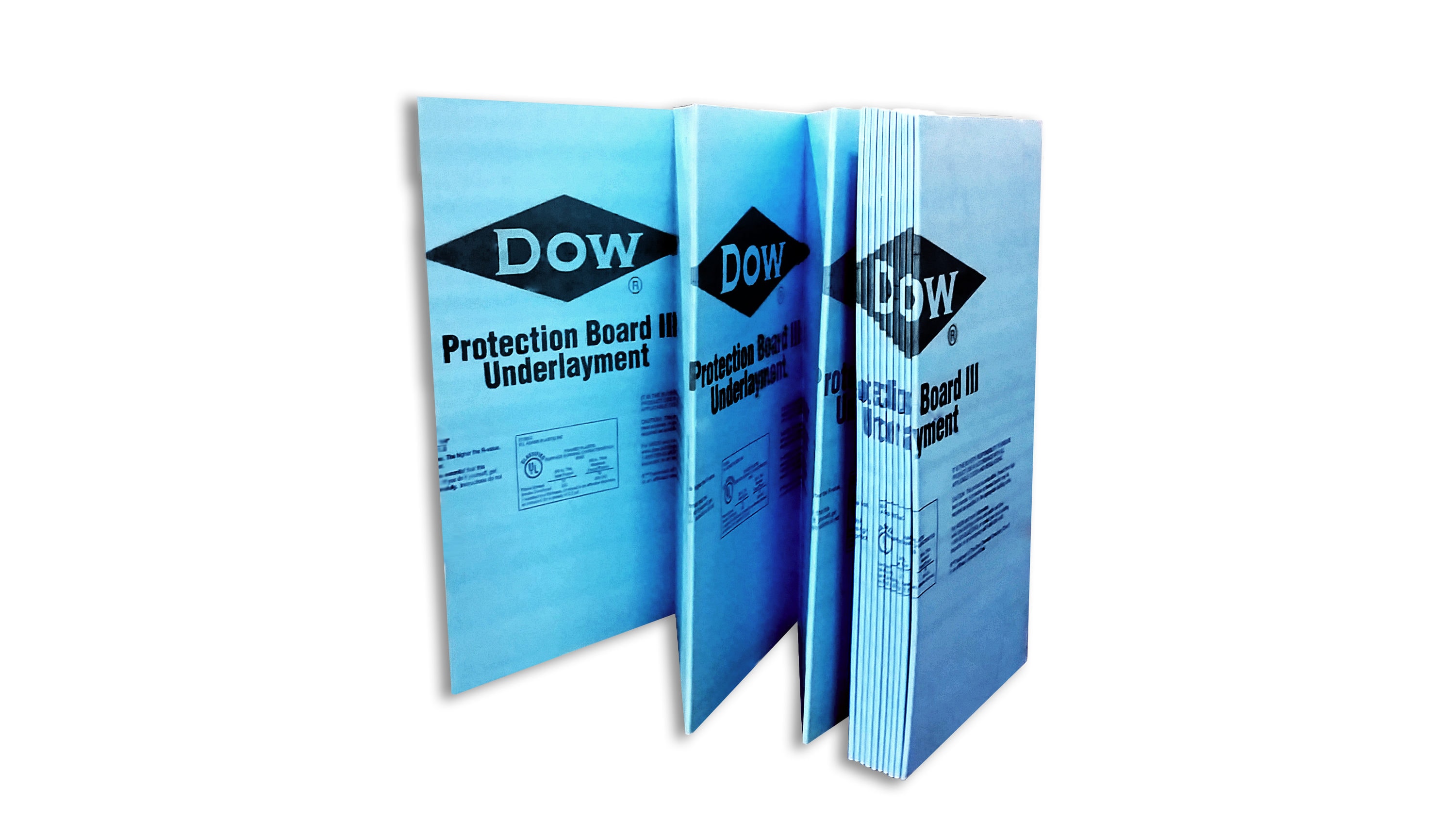
Insulating your home is a crucial step towards improving energy efficiency and creating a more comfortable living environment. Among the various insulation options available, 1 1/2 inch foam board insulation, particularly those sold at Lowe's, is a popular choice for its effectiveness and ease of installation. This guide provides a comprehensive overview of 1 1/2 inch foam board insulation available at Lowe's, covering its types, benefits, applications, installation, and safety considerations.
Understanding Foam Board Insulation
Foam board insulation is a rigid type of insulation made from various plastic materials. It's primarily used to reduce heat transfer, keeping your home warmer in the winter and cooler in the summer. Unlike fiberglass insulation, foam board offers a higher R-value per inch, meaning it provides more insulation with less thickness. The R-value is a measure of thermal resistance; the higher the R-value, the better the insulation's ability to resist heat flow.
Types of Foam Board Insulation Available at Lowe's
Lowe's typically carries three main types of foam board insulation:
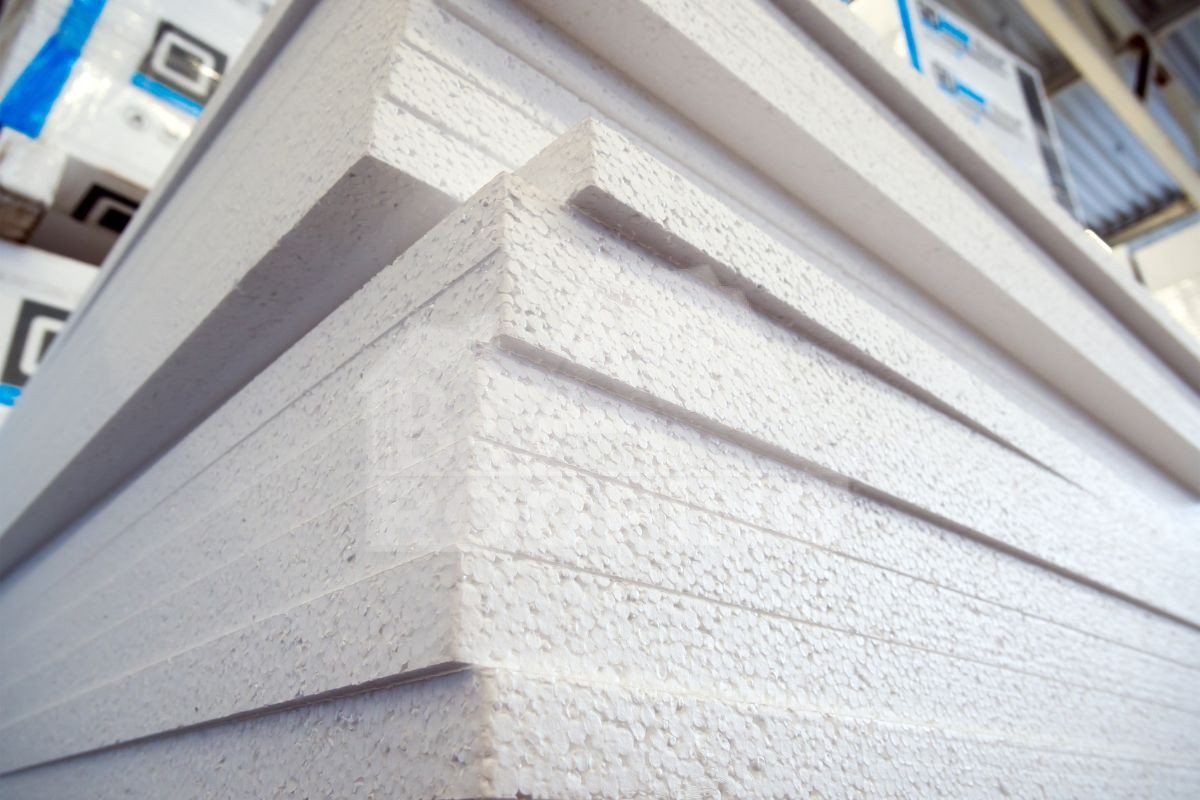
- Expanded Polystyrene (EPS): EPS is the most common and affordable type. It's made by expanding polystyrene beads with steam. Think of it like packing peanuts, but in a solid board form. While cost-effective, it has a lower R-value compared to other types. EPS is often used in walls, roofs, and foundations.
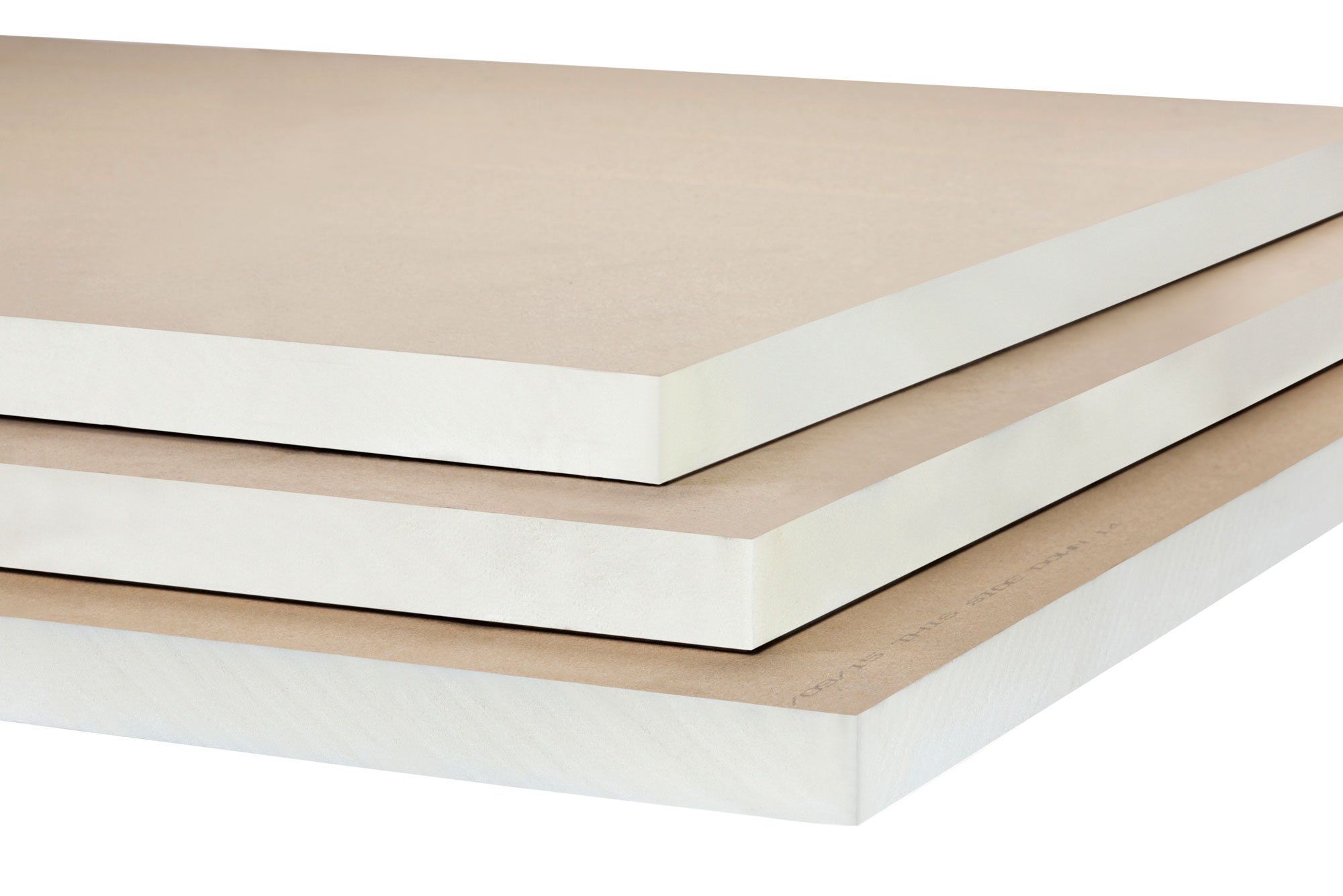
- Extruded Polystyrene (XPS): XPS is manufactured using a different process that results in a closed-cell structure. This makes it more resistant to moisture and provides a higher R-value than EPS. It's often blue or pink in color (depending on the manufacturer) and is a popular choice for below-grade applications like foundations and slabs. XPS is more expensive than EPS.
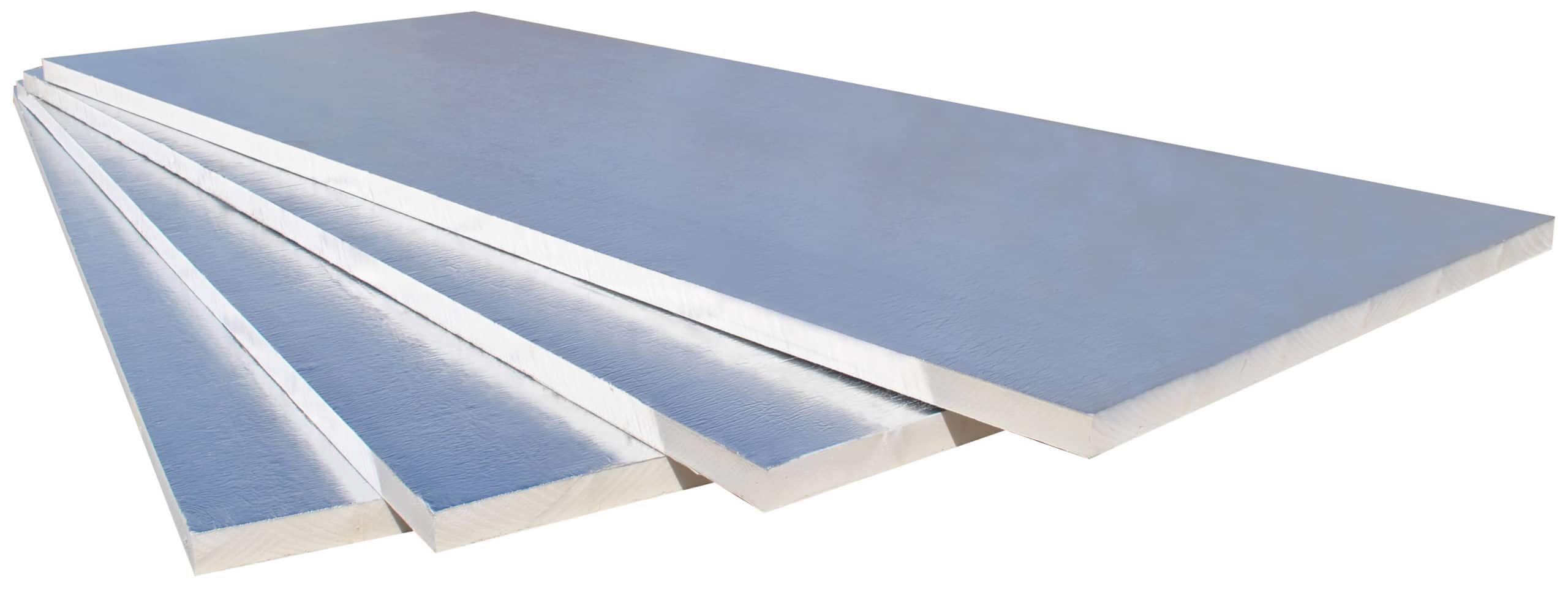
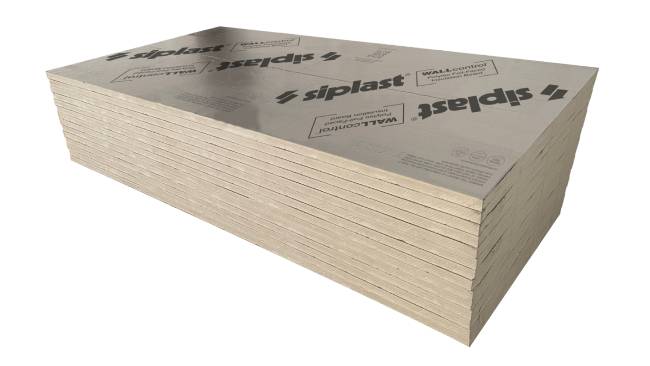
- Polyisocyanurate (Polyiso): Polyiso boasts the highest R-value per inch of the three. It's also more fire-resistant than EPS and XPS. Polyiso is often faced with a foil layer on one or both sides, which enhances its thermal performance and provides a radiant barrier. However, it can be more brittle and more expensive than the other two types.
Choosing the right type depends on your specific needs and budget. Consider the location of the insulation, the desired R-value, and the moisture levels in the area when making your decision.
Benefits of Using 1 1/2 Inch Foam Board Insulation
Using 1 1/2 inch foam board insulation offers several advantages:
- High R-Value: Even at 1 1/2 inches, foam board provides a significant level of insulation. The specific R-value will vary depending on the type of foam board, but it will generally outperform fiberglass batts of the same thickness.
- Moisture Resistance: XPS and Polyiso are particularly resistant to moisture, making them suitable for damp environments like basements and crawl spaces. Even EPS offers some level of moisture resistance, though it's not as effective as the other two.
- Ease of Installation: Foam board is relatively easy to cut and install. It can be cut with a utility knife or saw and secured with construction adhesive or fasteners.
- Air Sealing: Foam board can help create an airtight barrier, reducing air leakage and improving energy efficiency. Proper sealing of the seams and edges is crucial to maximize this benefit. Think of it like sealing the cracks around a window frame; it prevents drafts and keeps your home warmer or cooler.
- Durability: Foam board is durable and long-lasting, resisting degradation and maintaining its insulating properties over time.
Applications of 1 1/2 Inch Foam Board Insulation
1 1/2 inch foam board insulation can be used in various applications throughout your home:
Exterior Walls
Adding foam board to exterior walls can significantly improve insulation and reduce energy bills. It can be installed under siding or stucco. Consider using XPS or Polyiso for added moisture resistance.
Basement Walls
Basement walls are prone to moisture, making XPS the ideal choice. Installing foam board on the interior of basement walls can help create a warmer, drier, and more comfortable space.
Foundations
Insulating foundations with XPS can help prevent heat loss from the ground and protect the foundation from freeze-thaw cycles. This is particularly important in colder climates.
Roofs
Foam board can be used to insulate roofs, either above or below the rafters. Polyiso is a good choice for roof insulation due to its high R-value and fire resistance.
Slab Foundations
Insulating under concrete slabs with XPS can prevent heat loss into the ground, improving energy efficiency and comfort.
Installation Guide
Installing 1 1/2 inch foam board insulation is a relatively straightforward process, but it's important to follow proper procedures to ensure optimal performance.
Tools and Materials Needed
- 1 1/2 inch foam board insulation
- Utility knife or saw
- Construction adhesive
- Fasteners (optional, depending on application)
- Measuring tape
- Straight edge
- Safety glasses
- Gloves
- Seam tape (specifically designed for foam board)
Step-by-Step Installation Process
- Measure and Cut: Measure the area you need to insulate and cut the foam board to the required size using a utility knife or saw. It's best to measure accurately to minimize gaps.
- Apply Adhesive: Apply construction adhesive to the back of the foam board in a serpentine pattern.
- Attach to Surface: Press the foam board firmly against the surface, ensuring good contact.
- Secure with Fasteners (Optional): For some applications, such as exterior walls, you may want to use fasteners (screws or nails with large washers) to further secure the foam board.
- Seal the Seams: Use seam tape specifically designed for foam board to seal all the seams and edges. This is crucial for preventing air leakage. The tape needs to be compatible with the foam board type you choose.
- Fill Gaps: Fill any remaining gaps with expanding foam insulation.
Important Considerations During Installation
- Moisture Barrier: Depending on your local building codes and the application, you may need to install a vapor barrier in conjunction with the foam board. Consult with a building professional to determine the specific requirements for your project.
- Fire Safety: While some foam board types are more fire-resistant than others, all foam boards are combustible. It's important to cover the foam board with a fire-resistant material, such as drywall, in interior applications.
- Ventilation: Ensure adequate ventilation in areas where foam board is installed to prevent moisture buildup and mold growth.
Safety Considerations
While working with foam board insulation, it's essential to prioritize safety:
Personal Protective Equipment (PPE)
- Safety Glasses: Protect your eyes from dust and debris.
- Gloves: Protect your hands from irritation.
- Dust Mask: Wear a dust mask to avoid inhaling particles, especially when cutting the foam board.
Fire Safety
- Keep Away from Open Flames: Foam board is combustible and should be kept away from open flames and heat sources.
- Cover with Fire-Resistant Material: Cover interior installations with drywall or another fire-resistant material.
Ventilation
- Work in a Well-Ventilated Area: Ensure adequate ventilation to avoid inhaling fumes.
Purchasing 1 1/2 Inch Foam Board Insulation at Lowe's
Lowe's offers a variety of 1 1/2 inch foam board insulation options. When purchasing, consider the following:
- Type of Foam Board: Choose the appropriate type based on your application and budget.
- R-Value: Check the R-value to ensure it meets your insulation requirements.
- Size and Quantity: Calculate the amount of foam board you need to cover the area you want to insulate.
- Manufacturer: Consider reputable brands known for quality and performance.
- Price: Compare prices between different types and brands to find the best value.
Don't hesitate to ask Lowe's employees for assistance. They can provide valuable information and guidance to help you choose the right foam board insulation for your project. You may also find helpful product reviews and customer testimonials on the Lowe's website.
Cost Considerations
The cost of 1 1/2 inch foam board insulation varies depending on the type, brand, and retailer. Generally, EPS is the least expensive, followed by XPS, and then Polyiso. When budgeting for your insulation project, consider the following:
- Material Costs: The cost of the foam board itself.
- Installation Costs: If you're hiring a professional installer, factor in labor costs.
- Additional Materials: Don't forget to include the cost of adhesive, fasteners, seam tape, and any other necessary materials.
While foam board may have a higher upfront cost than some other types of insulation, the long-term energy savings can offset the initial investment. Consider the lifecycle cost of the insulation when making your decision.
Conclusion
1 1/2 inch foam board insulation is a versatile and effective way to improve energy efficiency and create a more comfortable home. By understanding the different types of foam board available at Lowe's, their benefits, applications, installation procedures, and safety considerations, you can make an informed decision and successfully complete your insulation project. Remember to prioritize safety and follow proper installation guidelines for optimal performance. Investing in good insulation is like investing in the future of your home; it saves you money and creates a more comfortable living space for years to come.