1 1/2 Insulation Board R Value
Understanding the insulation value of materials used in building construction, particularly 1 ½ inch insulation board, is crucial for optimizing energy efficiency and comfort in homes and commercial buildings. The term you’ll encounter most often is the “R-value,” a measure of thermal resistance. The higher the R-value, the better the insulation material’s ability to resist heat flow.
What is R-Value?
R-value quantifies how well a material resists conductive heat transfer. Think of it as the material's ability to slow down heat moving through it. A higher R-value means less heat escapes from your home in the winter, and less heat enters during the summer. This directly impacts your heating and cooling costs, as your HVAC system doesn’t have to work as hard to maintain a comfortable temperature.
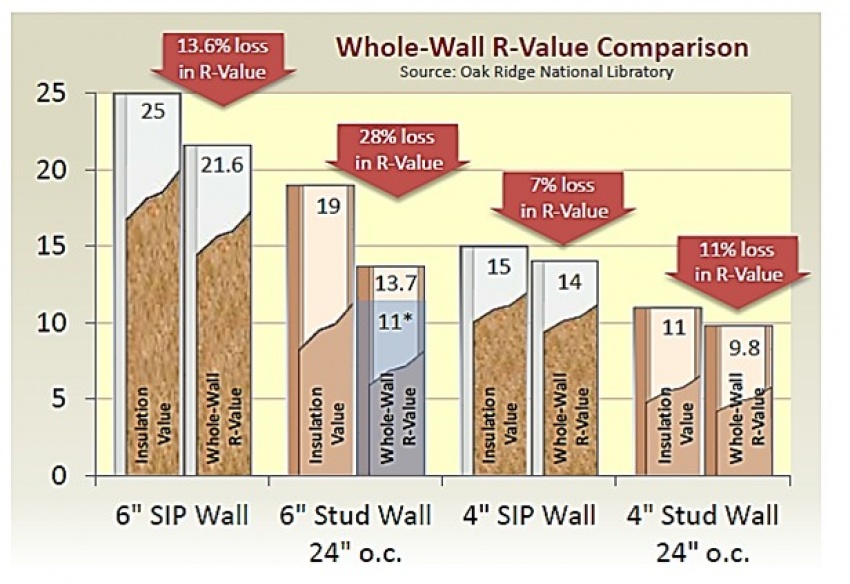
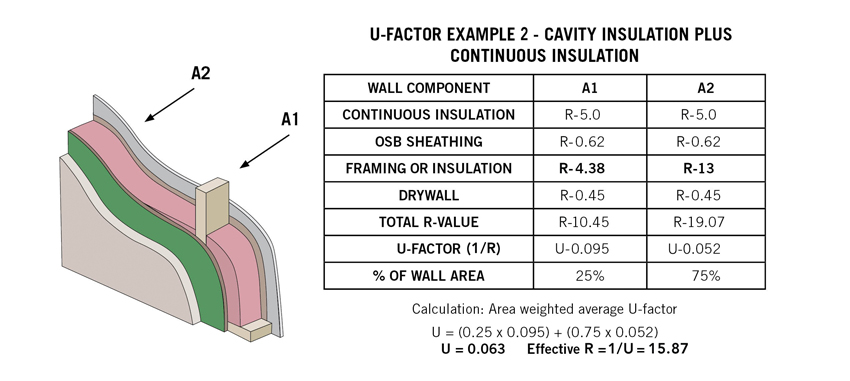
It's important to remember that R-value is *additive*. This means that when you layer different insulation materials, you can add their individual R-values to get a total R-value for the assembly. For example, if you have an existing wall with an R-value of 10 and add 1 ½ inch insulation board with an R-value of 6, the total R-value becomes 16.
R-Value of 1 ½ Inch Insulation Board: By Material Type
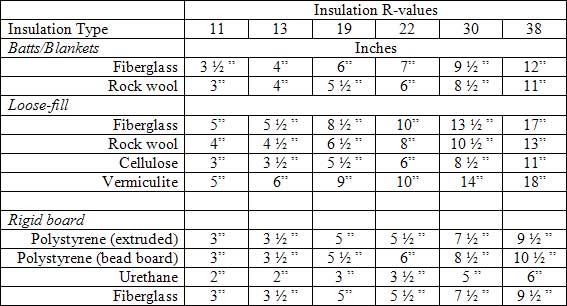
The R-value of 1 ½ inch insulation board varies significantly depending on the material used. Here's a breakdown of some common types:
Expanded Polystyrene (EPS)
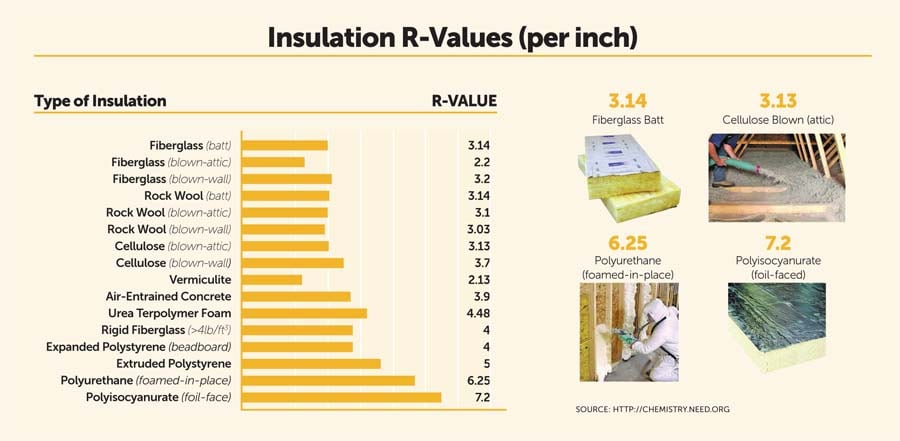
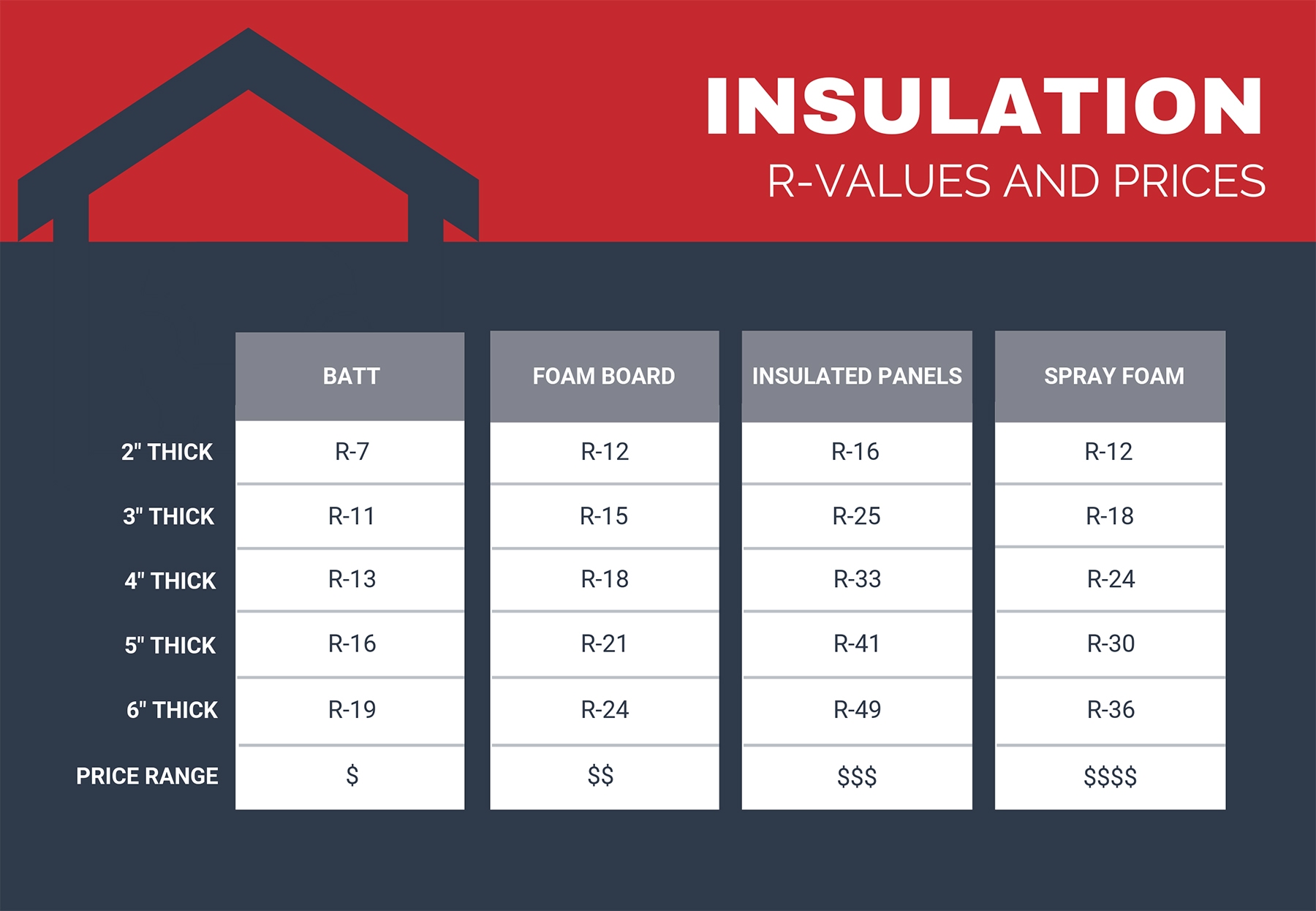
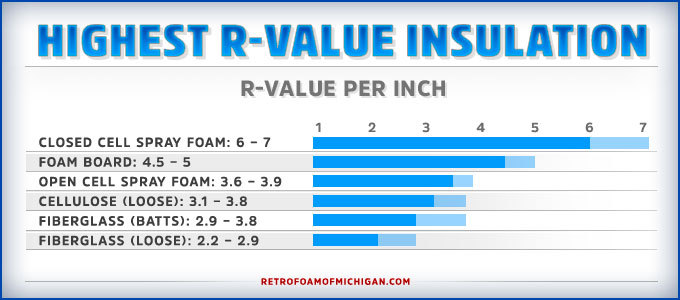
EPS is a lightweight, rigid foam plastic insulation. 1 ½ inch EPS typically has an R-value of around 4 per inch, resulting in an R-value of approximately 6 for a 1 ½ inch board. EPS is a cost-effective option and offers good insulation properties for its price. However, it's less resistant to moisture absorption than some other options and can degrade with prolonged exposure to sunlight.
Typical R-value (1 ½ inch EPS): ~6
Extruded Polystyrene (XPS)
XPS is another rigid foam insulation, but it's manufactured through a different process than EPS. This process creates a closed-cell structure, making XPS more resistant to water absorption and compression. 1 ½ inch XPS typically has an R-value of around 5 per inch, providing an R-value of approximately 7.5 for a 1 ½ inch board. XPS is a popular choice for below-grade applications, such as foundation insulation, due to its moisture resistance.
Typical R-value (1 ½ inch XPS): ~7.5
Polyisocyanurate (Polyiso)
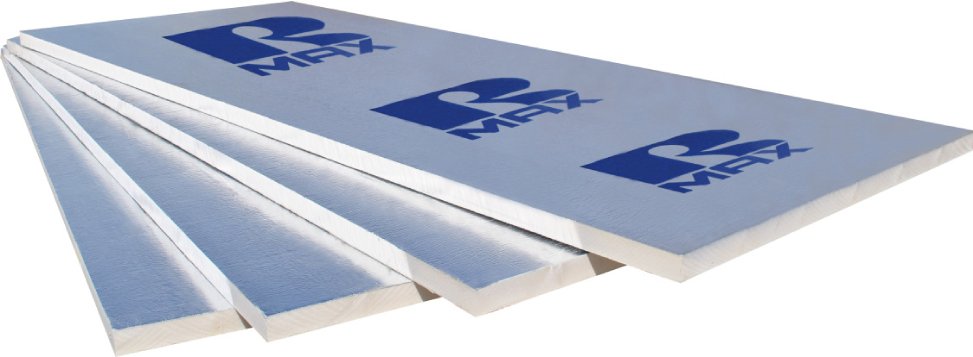
Polyiso is a closed-cell, thermoset plastic insulation that offers the highest R-value per inch among common insulation materials. A 1 ½ inch polyiso board can have an R-value ranging from 8 to 9 per inch, translating to an R-value of 12-13.5 for the 1 ½ inch thickness. Polyiso is often used in roofing and wall applications where high thermal performance is required. It's also available with foil facers, which can further enhance its performance by reflecting radiant heat.
Typical R-value (1 ½ inch Polyiso): ~12-13.5
Mineral Wool Board
Mineral wool, also known as rockwool or slag wool, is a fiber-based insulation made from molten rock, slag, or glass. Mineral wool boards offer good thermal performance, fire resistance, and sound absorption properties. The R-value of 1 ½ inch mineral wool board typically ranges from 4 to 4.5 per inch, resulting in an R-value of around 6-6.75 for a 1 ½ inch thickness. Mineral wool is a sustainable option, often made from recycled materials.
Typical R-value (1 ½ inch Mineral Wool): ~6-6.75
Factors Affecting R-Value Performance
While the stated R-value provides a guideline, several factors can affect the actual performance of insulation in a building:
- Moisture: Moisture significantly reduces the R-value of most insulation materials. Maintaining a dry insulation system is critical for optimal performance. Properly installed vapor barriers and ventilation can help prevent moisture buildup.
- Compression: Compressing insulation reduces its thickness and, consequently, its R-value. Avoid compressing insulation during installation.
- Gaps and Air Leaks: Even with high-R-value insulation, air leaks can significantly reduce overall energy efficiency. Properly sealing gaps and cracks around windows, doors, and other penetrations is essential.
- Installation Quality: Poorly installed insulation, with gaps or voids, will not perform as expected. Ensure that insulation is installed correctly and fills all cavities completely. Consider hiring a professional installer to guarantee proper installation.
- Temperature: The R-value of some insulation materials can vary slightly with temperature. This effect is generally more pronounced at extreme temperatures.
- Aging: Over time, some insulation materials may experience a slight degradation in R-value. This is typically a gradual process and doesn't significantly impact performance in most cases.
Applications of 1 ½ Inch Insulation Board
1 ½ inch insulation board is used in a variety of applications in residential and commercial buildings:
Wall Insulation
Adding 1 ½ inch insulation board to exterior walls can significantly improve thermal performance. It can be installed over existing sheathing before siding is applied. It is also used to insulate interior walls in order to improve sound dampening as well as thermal performance.
Roof Insulation
Insulating roofs with 1 ½ inch insulation board helps reduce heat gain in the summer and heat loss in the winter. It's often used in commercial roofing systems, either as a single layer or in combination with other insulation materials.
Foundation Insulation
XPS insulation is commonly used to insulate foundations, both interior and exterior. 1 ½ inch XPS board provides a good balance of thermal performance and moisture resistance for this application.
HVAC Ductwork Insulation
Wrapping HVAC ductwork with 1 ½ inch insulation board helps reduce energy losses as air travels through the duct system. This improves the efficiency of the HVAC system and reduces energy costs.
Cost Considerations
The cost of 1 ½ inch insulation board varies depending on the material type, manufacturer, and supplier. Polyiso typically has the highest cost per R-value, while EPS is generally the most affordable. Consider the long-term energy savings and potential rebates or incentives when evaluating the cost-effectiveness of different insulation options. Also, factor in installation costs, which can vary depending on the complexity of the project and the need for professional installers. When considering the overall cost, be sure to evaluate your specific project needs.
Choosing the Right Insulation Board
Selecting the appropriate 1 ½ inch insulation board requires careful consideration of several factors:
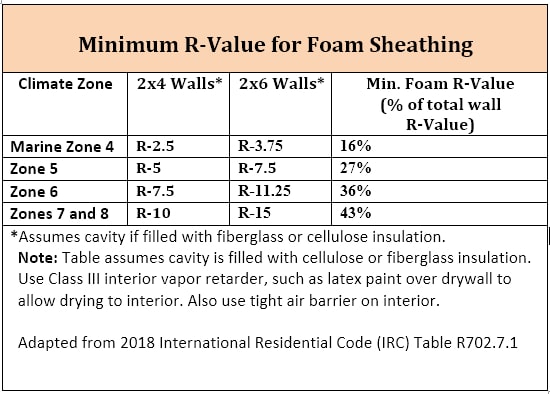
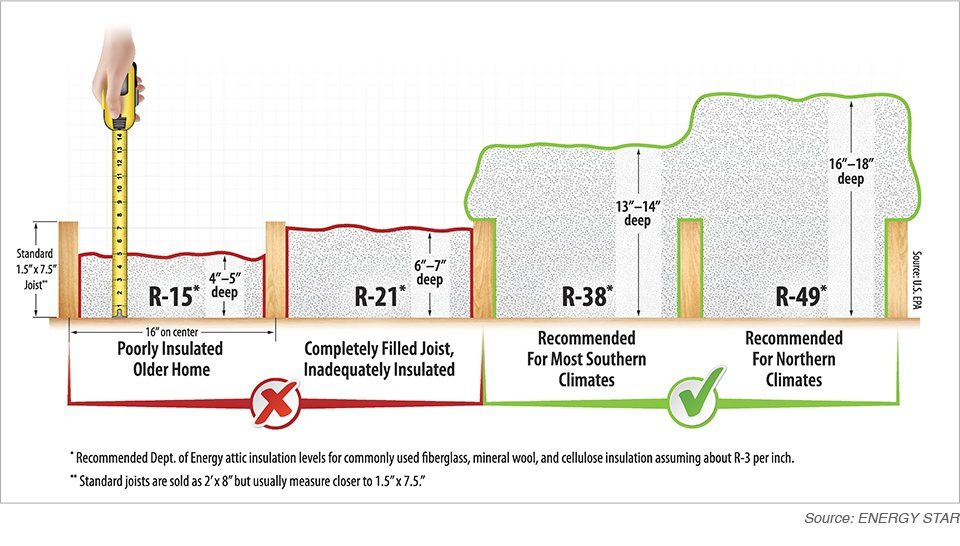
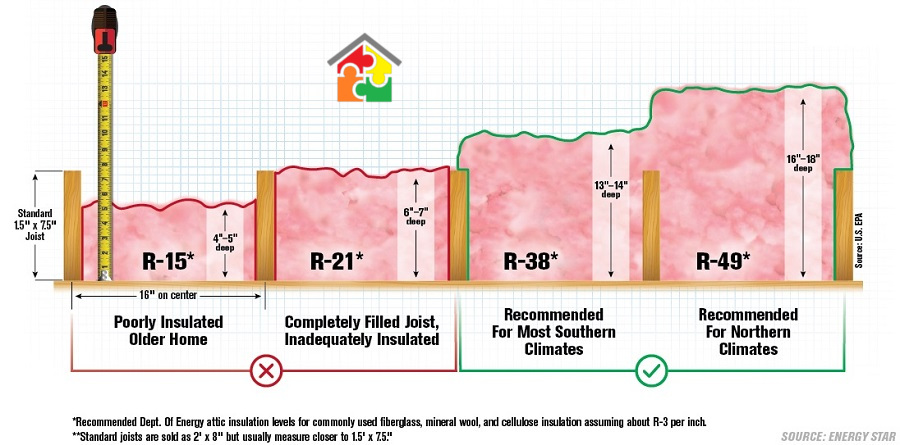
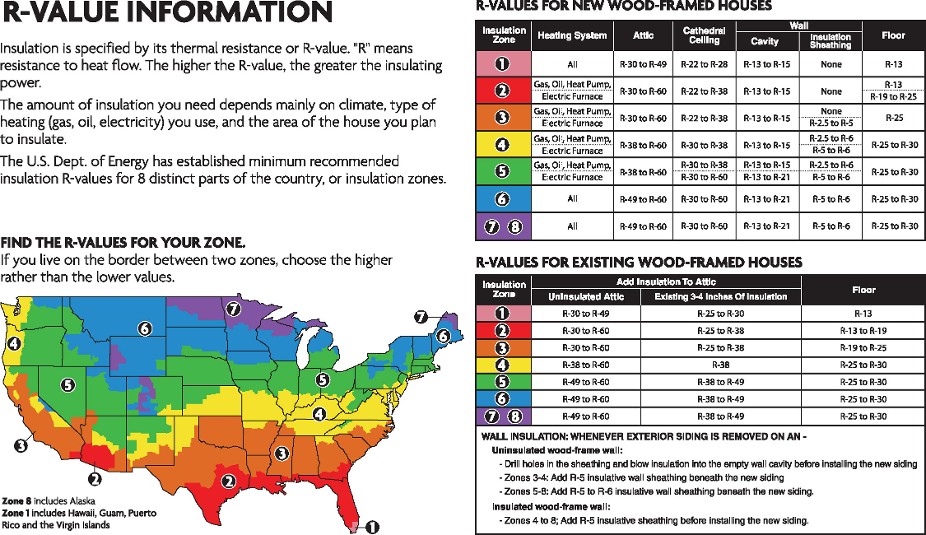
- Climate: In colder climates, higher R-values are generally recommended to minimize heat loss. In warmer climates, insulation helps reduce heat gain and lower cooling costs.
- Budget: Balance your desired R-value with your budget constraints. EPS is the most cost effective, but has the lowest R-value.
- Application: The specific application (wall, roof, foundation) will influence the choice of insulation material. Consider moisture resistance, fire resistance, and structural requirements.
- Building Codes: Ensure that your insulation choices meet local building codes and energy efficiency standards. Most building codes specify minimum R-values for different building components.
- Environmental Concerns: Consider the environmental impact of different insulation materials. Mineral wool and EPS containing recycled content are more sustainable options.
Installation Tips
Proper installation is essential for achieving the full R-value performance of 1 ½ inch insulation board. Here are some key installation tips:
- Measure and Cut Accurately: Ensure that the insulation boards fit snugly into the cavities being insulated. Use a sharp utility knife or saw to cut the boards to the correct size.
- Seal Seams and Gaps: Use appropriate tape or sealant to seal seams and gaps between insulation boards. This helps prevent air leaks and maintain a continuous insulation layer.
- Use Fasteners Appropriately: When attaching insulation boards to walls or roofs, use appropriate fasteners, such as screws or nails, to secure the boards in place. Follow the manufacturer's recommendations for fastener spacing.
- Protect from Moisture: Install vapor barriers as needed to prevent moisture from entering the insulation. Ensure proper ventilation to remove any moisture that may accumulate.
- Consider Professional Installation: For complex projects or if you lack experience, consider hiring a professional insulation contractor to ensure proper installation and optimal performance.
Conclusion
Choosing the right 1 ½ inch insulation board can significantly improve the energy efficiency and comfort of your home or building. By understanding the R-values of different materials, considering the factors that affect performance, and following proper installation techniques, you can create a well-insulated building envelope that saves energy and reduces your carbon footprint. Remember to consult with a qualified HVAC professional or building consultant to determine the optimal insulation strategy for your specific needs.
Investing in proper insulation is an investment in your home's future, reducing energy bills and increasing overall comfort. Keep R-value, material type, and proper installation in mind as you make your decision.