1 2 Inch Condensate Drain Line

Condensate drain lines are a vital, yet often overlooked, component of your HVAC system. While a small drip of water might not seem like a big deal, a clogged or improperly sized condensate drain line can lead to significant problems, including water damage, mold growth, and reduced HVAC efficiency. For homes and businesses alike, understanding the role of the condensate drain and optimizing its performance can contribute to lower energy bills and a healthier indoor environment. Let's delve into the specifics of the 1 2 inch condensate drain line, its function, maintenance, and why it might be the right choice for your system.
Understanding Condensate and Its Drain Line
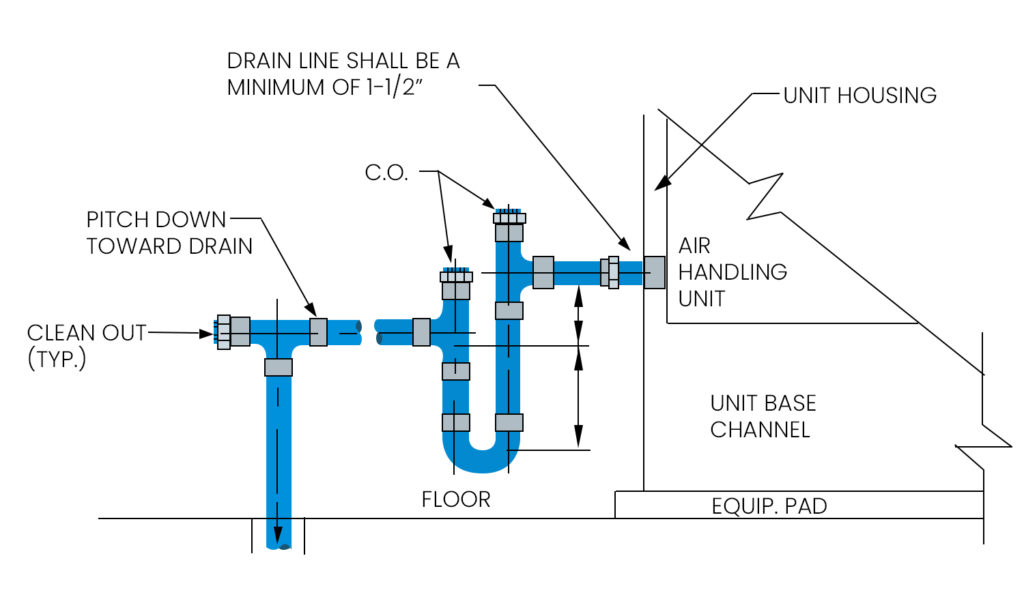
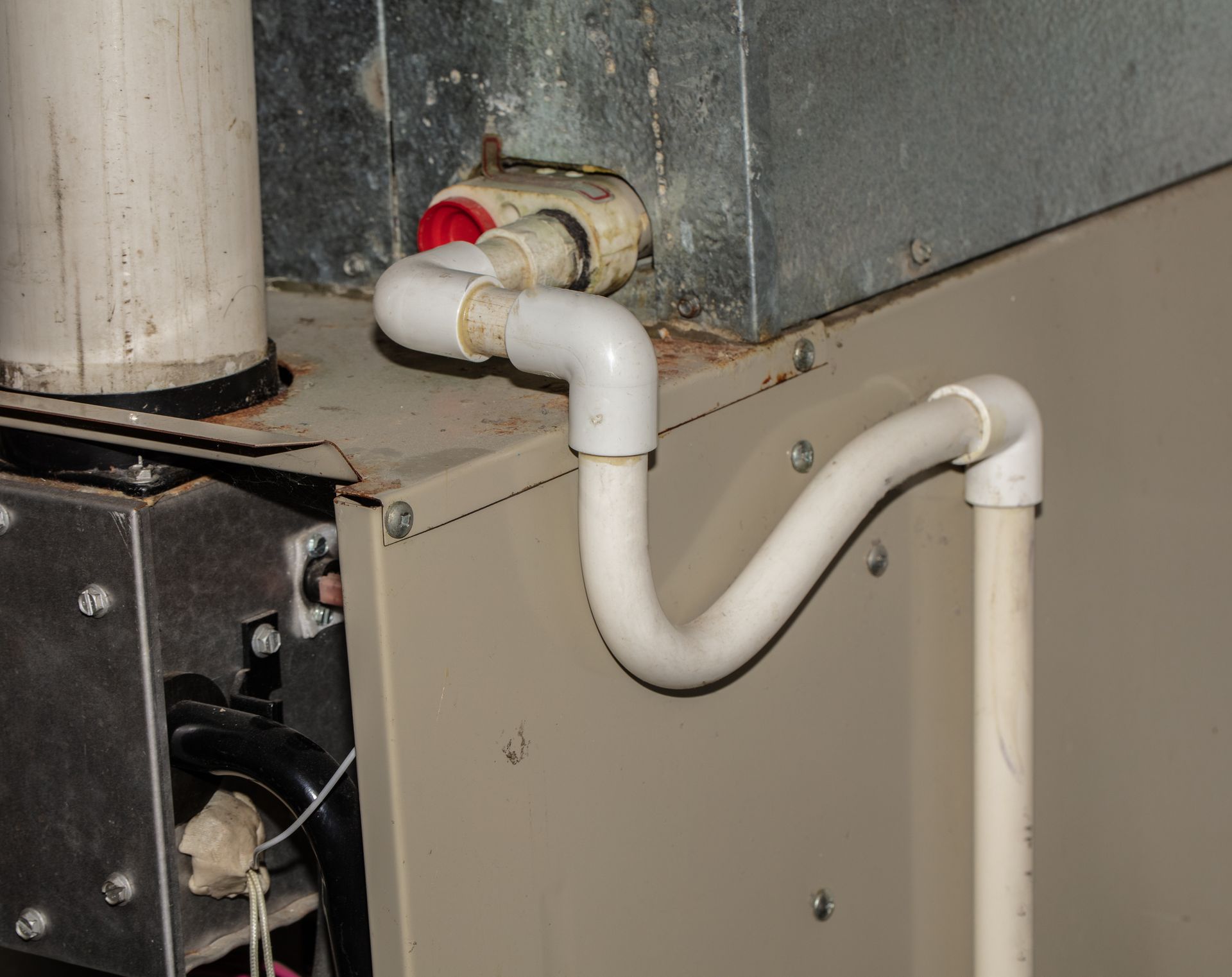
Air conditioners and heat pumps, during the cooling process, remove moisture from the air. This moisture condenses on the evaporator coil, located inside your indoor unit. Think of it like a cold glass of water on a humid day – water droplets form on the outside. In an HVAC system, this condensation drips into a drain pan and is then channeled away through the condensate drain line. This line is typically made of PVC or flexible tubing.
The size of the condensate drain line is crucial. A drain line that's too small can easily become clogged, leading to backups and potential water damage. The most common size used in residential systems is the 3/4 inch drain line, but the 1/2 inch drain line is also utilized. Selecting the correct size depends on the cooling capacity of your unit, measured in BTUs (British Thermal Units).
Why a 1/2 Inch Condensate Drain Line?
While 3/4 inch drain lines are increasingly common, 1/2 inch condensate drain lines still have their place, especially in smaller systems. Here's when you might find a 1/2 inch line suitable:
- Smaller Air Conditioning Units: Units with lower BTU ratings, typically those used in smaller homes or apartments, may generate less condensate, making a 1/2 inch drain line sufficient.
- Mini-Split Systems: Many ductless mini-split systems, known for their energy efficiency and targeted cooling, often utilize 1/2 inch drain lines due to their lower cooling capacity per unit.
- Dehumidifiers: Some whole-house dehumidifiers utilize 1/2 inch drain lines, as the volume of condensate produced is typically lower than that of a full central AC system.
It's important to consult with an HVAC professional to determine the appropriate drain line size for your specific system. Over-sizing the drain line generally isn't a problem, but under-sizing it can lead to significant issues.
Potential Problems with Clogged Condensate Drains
Regardless of the size, a clogged condensate drain line can lead to a cascade of problems:
- Water Damage: The most immediate concern is water damage. When the drain line is blocked, the drain pan overflows, potentially damaging ceilings, walls, and floors.
- Mold and Mildew Growth: Standing water provides the perfect breeding ground for mold and mildew, leading to health problems and unpleasant odors.
- Reduced HVAC Efficiency: A full drain pan can trigger a safety switch that shuts down the air conditioner, preventing it from cooling effectively. Even if the switch doesn't activate, a partially blocked drain can reduce the system's efficiency, leading to higher energy bills.
- Equipment Damage: In some cases, water damage can extend to the HVAC equipment itself, leading to costly repairs or even premature replacement.
Maintaining Your Condensate Drain Line
Regular maintenance is key to preventing clogs and ensuring proper drainage. Here are some steps you can take:
Regular Flushing
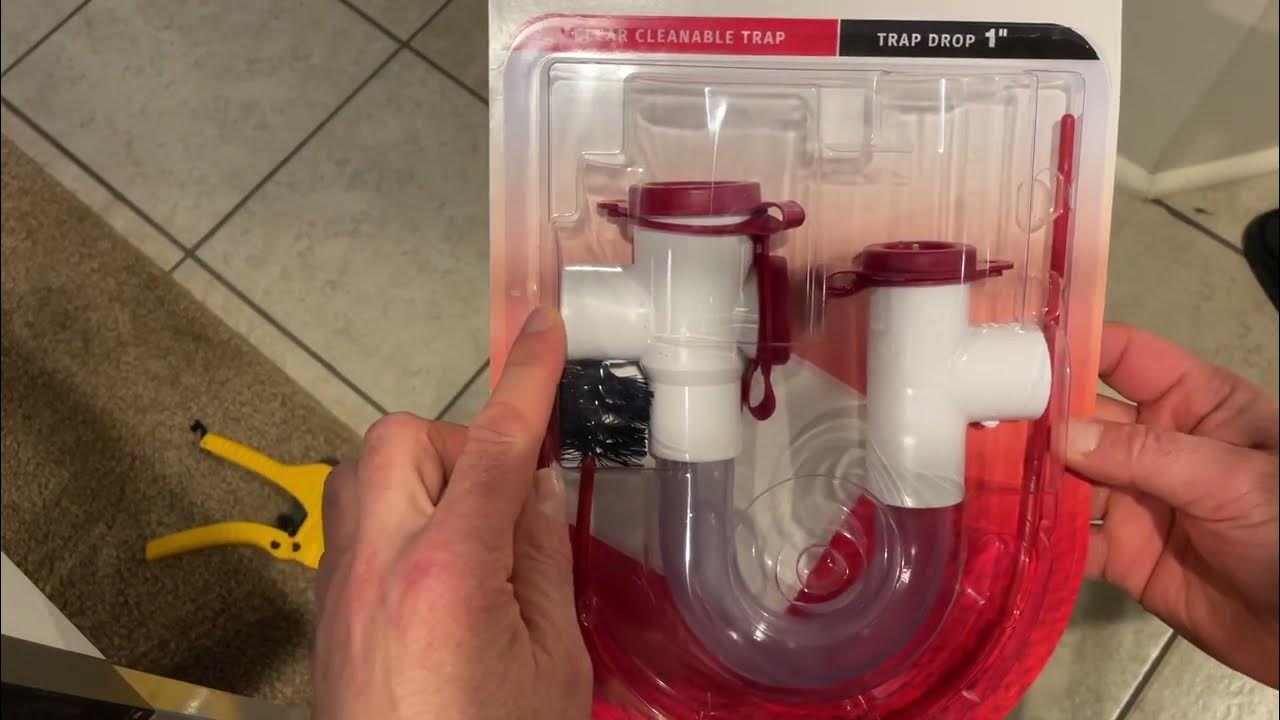
Flush the drain line with a cup of white vinegar every 1-3 months. Vinegar helps to kill algae and prevent the buildup of debris. Pour the vinegar directly into the drain line access point (usually a T-shaped vent near the indoor unit). Let it sit for about 30 minutes, then flush with water.
Using a Wet/Dry Vacuum
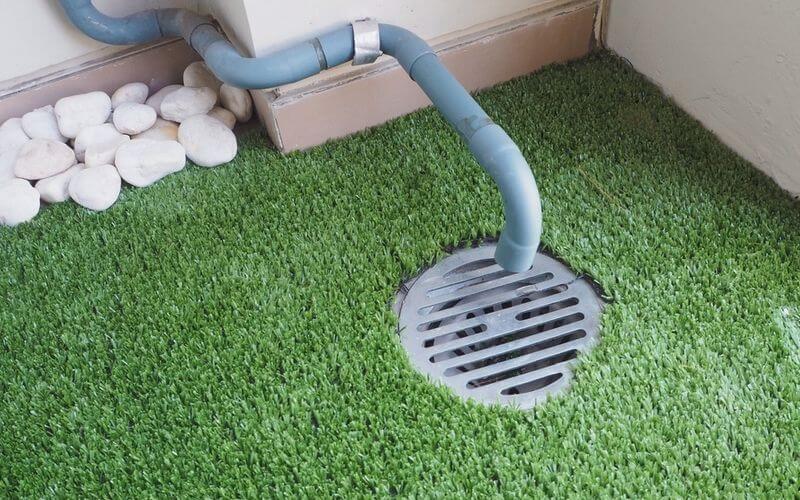
Periodically use a wet/dry vacuum to clear any obstructions in the drain line. Attach the vacuum hose to the end of the drain line outside your home and suck out any debris. Be sure to release the pressure periodically to avoid damaging the line.
Cleaning the Drain Pan
Clean the drain pan regularly to remove any accumulated sludge or debris. Some drain pans have removable plugs for easy cleaning. Use a mild detergent and water to scrub the pan clean.
Installing Drain Line Tablets
Consider using drain line tablets or strips that slowly release algaecide into the drain pan. These can help prevent the growth of algae and bacteria, keeping the drain line clear.
Professional Inspection
Schedule an annual HVAC inspection with a qualified technician. They can thoroughly inspect the drain line, clean the system, and identify any potential problems before they become major issues. This is especially important for commercial systems where downtime can be costly.
Choosing the Right Drain Line: Factors to Consider
When replacing or installing a new condensate drain line, consider these factors:
- BTU Rating: As mentioned earlier, the cooling capacity of your air conditioner or heat pump is the primary factor in determining the appropriate drain line size. Consult with an HVAC professional or refer to the manufacturer's specifications.
- Drain Line Length: Longer drain lines may require a larger diameter to ensure proper drainage.
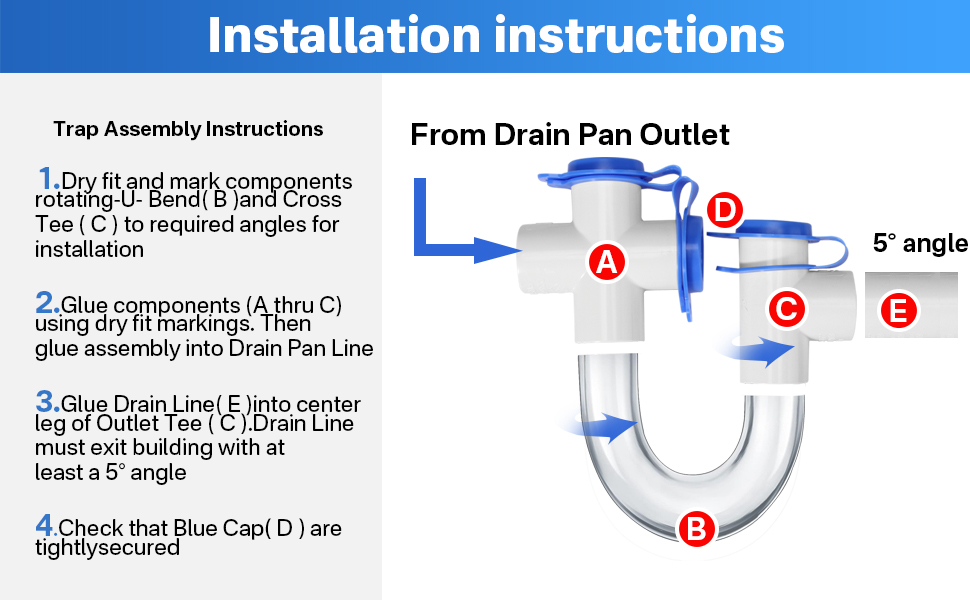
- Drain Line Slope: Ensure the drain line has a slight downward slope to facilitate gravity drainage. Avoid sharp bends or kinks that can restrict flow.
- Accessibility: Consider the accessibility of the drain line for future maintenance. Make sure the access point is easily accessible for flushing and cleaning.
- Material: PVC pipe is a durable and cost-effective option for condensate drain lines. Flexible tubing is easier to install in tight spaces but may be more prone to kinking.
The Role of Smart Home Integration
Integrating your HVAC system with smart home technology can further enhance energy efficiency and prevent potential problems with the condensate drain. Smart thermostats can monitor humidity levels and adjust cooling settings to minimize condensation. Some smart systems even include sensors that detect water leaks in the drain pan, alerting you to potential problems before they cause significant damage.
For example, a smart thermostat like the Nest Learning Thermostat can learn your cooling preferences and optimize your energy usage. Combined with a leak sensor placed near the indoor unit, you can receive notifications on your smartphone if the drain pan is overflowing, allowing you to take immediate action.
Energy Savings and Rebates
While the condensate drain line itself doesn't directly contribute to energy savings, maintaining a properly functioning drain line can prevent your air conditioner from running inefficiently due to safety shutoffs or reduced cooling capacity. Inefficient operation leads to higher energy bills. Furthermore, by preventing water damage and mold growth, you can avoid costly repairs and maintain a healthy indoor environment, potentially saving you money on healthcare costs.
Additionally, consider that a well-maintained and efficient HVAC system often qualifies for energy efficiency rebates and incentives offered by local utilities and government agencies. Programs like Energy Star provide guidelines and certifications for energy-efficient appliances and systems. Upgrading to a high-efficiency air conditioner or heat pump with a properly sized and maintained condensate drain line can help you qualify for these rebates, further reducing your overall costs.
When to Call a Professional
While some condensate drain line maintenance can be done DIY, there are situations where it's best to call a qualified HVAC professional:
- Persistent Clogs: If you've tried flushing and vacuuming the drain line but the clog persists, it may be due to a more serious obstruction that requires professional equipment to remove.
- Water Damage: If you've experienced significant water damage due to a clogged drain line, it's important to have a professional assess the damage and ensure that the problem is properly resolved.
- Complex Systems: If you have a complex HVAC system or are unsure about any aspect of drain line maintenance, it's always best to err on the side of caution and call a professional.
- Commercial Systems: Regular professional maintenance is essential for commercial HVAC systems to prevent downtime and ensure optimal performance.
Conclusion
The 1/2 inch condensate drain line, while seemingly a small component, plays a crucial role in the overall performance and efficiency of your HVAC system. Regular maintenance, proper sizing, and prompt attention to any potential problems can prevent costly water damage, mold growth, and reduced energy efficiency. Whether you're a homeowner looking to save on energy bills or a business upgrading to eco-friendly systems, understanding and maintaining your condensate drain line is a smart investment in your comfort, health, and bottom line. Don't underestimate the power of preventative maintenance – it can save you significant money and headaches in the long run. Remember to consult with a qualified HVAC contractor for personalized advice and professional service.