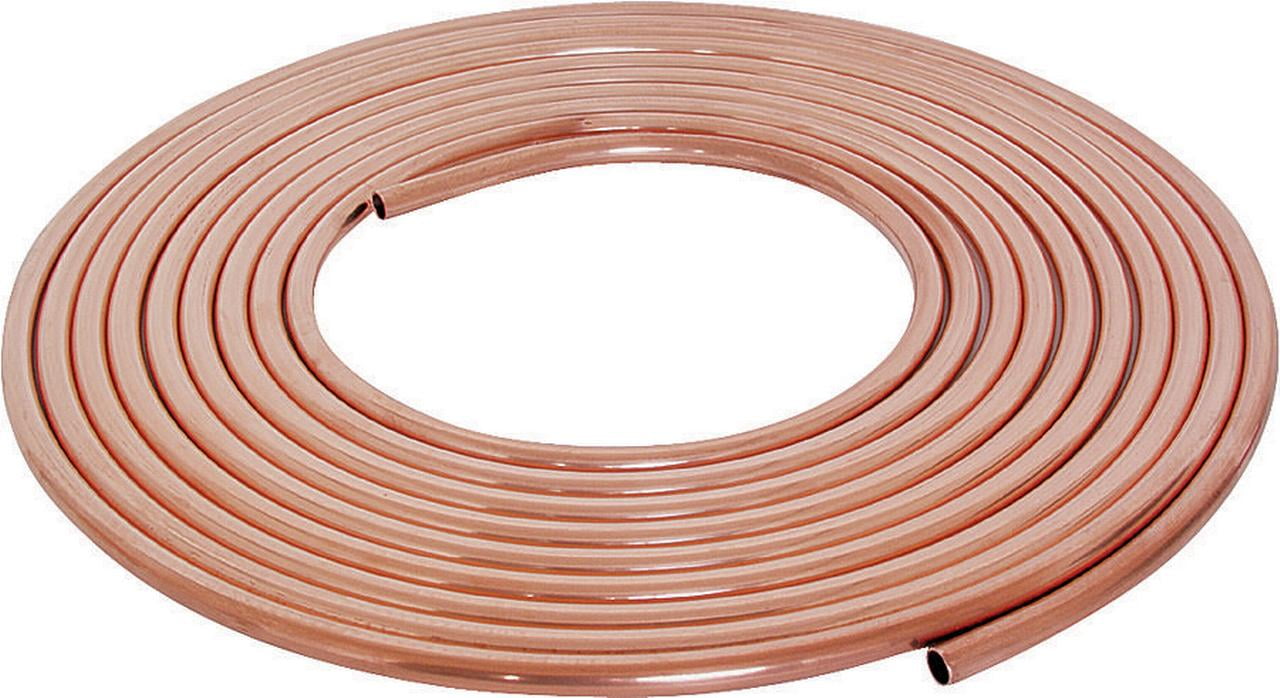
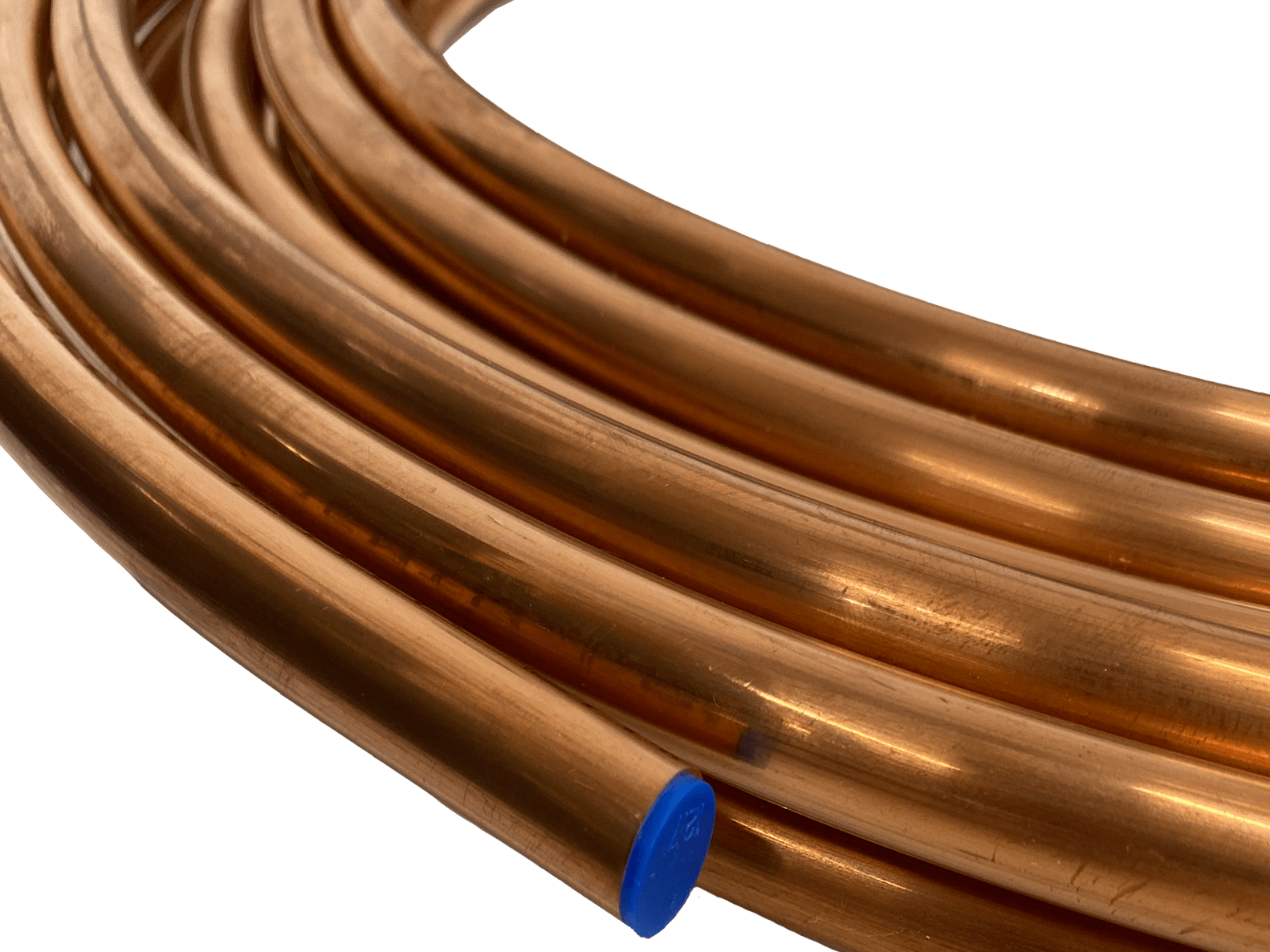
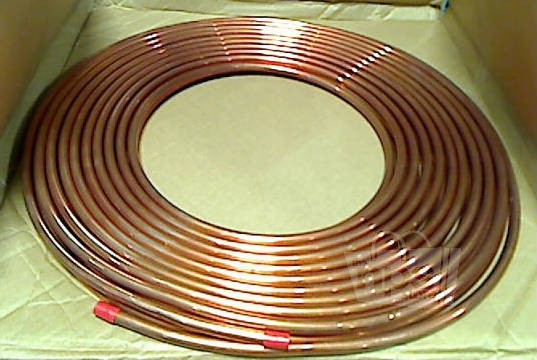
1 2 Inch Soft Copper Pipe
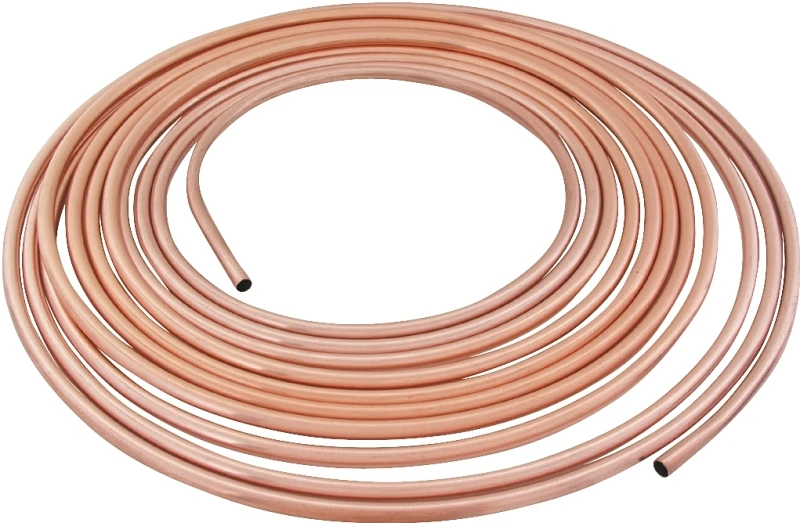
Soft copper piping, often used in residential plumbing for its flexibility and durability, is generally reliable. However, like any plumbing material, it can experience problems. One of the most common issues homeowners encounter with 1/2 inch soft copper pipe is a pinhole leak. These tiny leaks can be insidious, often going unnoticed until they cause significant water damage. This article will guide you through diagnosing and addressing pinhole leaks in your 1/2 inch soft copper pipe, empowering you to tackle simple fixes and knowing when to call in a professional.
Identifying the Problem: Is it Really a Pinhole Leak?
Before diving into repairs, let's confirm it's actually a pinhole leak and not something else. Look for these telltale signs:
- Dripping or spraying water: This is the most obvious sign. Even a slow drip can indicate a pinhole.
- Water stains: Look for stains on walls, ceilings, or floors near the copper pipe. These can be signs of a slow, persistent leak.
- Increased water bill: An unexplained spike in your water bill can be a red flag.
- Musty odor: This can indicate mold growth due to a hidden leak.
- Corrosion on the pipe: Look for green or bluish deposits on the copper. This can weaken the pipe and lead to leaks.
Once you suspect a leak, perform a closer inspection. Use a dry cloth to wipe down the suspected area. Watch carefully to see if water reappears. A magnifying glass can be helpful in locating the exact source of the leak.
Important Safety Note: Before working on any plumbing, always turn off the water supply to the affected area. Locate the main shut-off valve for your home or the shut-off valve specific to the leaking pipe. This prevents flooding and ensures your safety.
Step-by-Step Diagnosis
Follow these steps to pinpoint the leak's location and assess its severity:
- Isolate the affected section: Close any shut-off valves that isolate the area containing the suspected leak. If you can't isolate it, you'll need to shut off the main water supply to your home.
- Dry the pipe: Use a clean cloth to thoroughly dry the section of pipe you suspect is leaking.
- Inspect closely: Use a flashlight and magnifying glass to examine the pipe surface. Look for:
- Tiny holes (pinholes)
- Corrosion (green or blue deposits)
- Thinning of the copper
- Apply pressure (carefully): With the pipe dry, slowly and carefully turn the water supply back on *just a little bit*. Watch for water to emerge from the suspected area. This can make the leak more visible. Turn the water off immediately after you've located the leak.
- Assess the surrounding area: Check for any other signs of corrosion or weakness in the pipe nearby. This will help you determine if the problem is isolated or more widespread.
Simple DIY Fixes (When Appropriate)
For very small, isolated pinhole leaks, you might be able to implement a temporary fix. These fixes are meant to buy you time until a permanent solution can be implemented. They are not a substitute for professional repair.
1. Epoxy Putty
Epoxy putty is a two-part compound that, when mixed, hardens into a durable, waterproof material. It can be effective for sealing small pinhole leaks.
- Gather your materials: You'll need epoxy putty (specifically designed for plumbing), a clean cloth, sandpaper or a wire brush, and gloves.
- Prepare the surface: Thoroughly clean and dry the area around the leak. Use sandpaper or a wire brush to remove any corrosion or loose debris. The cleaner the surface, the better the epoxy will adhere.
- Mix the epoxy: Follow the manufacturer's instructions to mix the epoxy putty. Typically, you'll need to knead the two parts together until they are uniformly colored.
- Apply the epoxy: Press the epoxy putty firmly over the pinhole, ensuring it completely covers the leak and extends slightly beyond the affected area.
- Shape and smooth: Use your fingers (wearing gloves) to shape and smooth the epoxy.
- Allow to cure: Let the epoxy cure completely according to the manufacturer's instructions. This usually takes several hours.
- Test the repair: After the epoxy has cured, slowly turn the water supply back on and check for leaks. If the leak persists, the epoxy may not have sealed properly, and you'll need to consider a different repair method or call a professional.
2. Pipe Repair Clamp
A pipe repair clamp is a metal or plastic clamp lined with rubber that can be tightened around the leaking pipe to compress the rubber and seal the leak. This is a more robust temporary fix than epoxy putty.
- Gather your materials: You'll need a pipe repair clamp of the correct size for your 1/2 inch copper pipe, a clean cloth, and potentially some sandpaper if the pipe is heavily corroded.
- Prepare the surface: Clean and dry the area around the leak. Remove any loose debris or corrosion.
- Position the clamp: Open the pipe repair clamp and position it over the pinhole leak. Ensure the rubber lining is directly over the leak.
- Tighten the clamp: Tighten the clamp screws evenly, alternating between screws to ensure even pressure. Don't overtighten, as this could damage the pipe.
- Test the repair: Slowly turn the water supply back on and check for leaks. If the leak persists, try tightening the clamp screws a little more, but be careful not to overtighten.
3. Rubber and Hose Clamp
In an emergency, you can use a small piece of rubber (like from an old bicycle inner tube) and a hose clamp to temporarily stop a leak. This is a *very* temporary solution.
- Cut a small piece of rubber: Cut a piece of rubber slightly larger than the pinhole leak.
- Position the rubber: Place the rubber directly over the pinhole leak.
- Secure with a hose clamp: Position a hose clamp over the rubber and tighten it securely.
- Test and Monitor: Turn the water back on SLOWLY and monitor closely. This is a temporary fix and should be replaced with a proper repair ASAP.
When to Call a Professional Plumber
While these DIY fixes can address minor pinhole leaks, there are situations where calling a professional plumber is essential. Ignoring these situations can lead to more significant problems and costly repairs.
- Extensive corrosion: If the copper pipe shows signs of widespread corrosion, it's likely that the pinhole leak is just the beginning. The entire section of pipe may be compromised and need replacement.
- Multiple leaks: If you find more than one pinhole leak in a short section of pipe, it indicates a systemic problem. Trying to patch multiple leaks is a temporary solution at best.
- Leak in a difficult location: If the leak is located in a hard-to-reach area, such as behind a wall or under a floor, it's best to leave the repair to a professional. They have the tools and expertise to access and repair the leak safely and effectively.
- Inability to isolate the water supply: If you cannot safely shut off the water supply to the affected area, do not attempt any repairs yourself. Call a plumber immediately.
- The leak persists after attempting DIY fixes: If you've tried the DIY fixes outlined above and the leak continues, it's time to call a professional. You may be dealing with a more complex problem that requires specialized knowledge and equipment.
- You're uncomfortable with plumbing repairs: If you're not confident in your ability to perform plumbing repairs safely and effectively, don't hesitate to call a plumber. It's better to be safe than sorry.
- Galvanic Corrosion: If the copper pipe is in direct contact with dissimilar metals (like iron or steel) and you see rapid corrosion, this is likely galvanic corrosion. A plumber can properly isolate the metals to prevent further corrosion.
Signs of a larger plumbing issue warranting professional attention include:
- Low water pressure throughout the house: This could indicate a significant leak or blockage in the main water line.
- Recurring leaks: If you're constantly dealing with leaks, there may be an underlying problem with your plumbing system.
- Discolored water: Rusty or brown water can indicate corrosion in your pipes.
Preventing Future Pinhole Leaks
While you can't completely eliminate the risk of pinhole leaks, there are steps you can take to minimize the likelihood of them occurring:
- Maintain proper water chemistry: Aggressive water chemistry (pH too low or high) can accelerate corrosion. Consider having your water tested and installing a water softener or neutralizer if necessary.
- Avoid contact with dissimilar metals: Prevent direct contact between copper pipes and other metals, such as iron or steel. Use dielectric unions to isolate dissimilar metals.
- Proper grounding: Ensure your electrical system is properly grounded to prevent stray electrical currents from accelerating corrosion.
- Regular inspections: Periodically inspect your copper pipes for signs of corrosion or leaks. Early detection can prevent minor problems from becoming major ones.
- Avoid excessive water pressure: High water pressure can stress your pipes and lead to leaks. Install a pressure regulator to maintain a safe water pressure.
By understanding the causes of pinhole leaks and taking preventative measures, you can help prolong the life of your copper plumbing system and avoid costly repairs.
Conclusion
Pinhole leaks in 1/2 inch soft copper pipe can be a frustrating problem for homeowners. However, by following the steps outlined in this article, you can effectively diagnose the issue, implement simple DIY fixes when appropriate, and know when to call a professional. Remember, safety is paramount, so always shut off the water supply before attempting any repairs. With a little knowledge and effort, you can keep your plumbing system in good working order and prevent minor leaks from turning into major headaches.