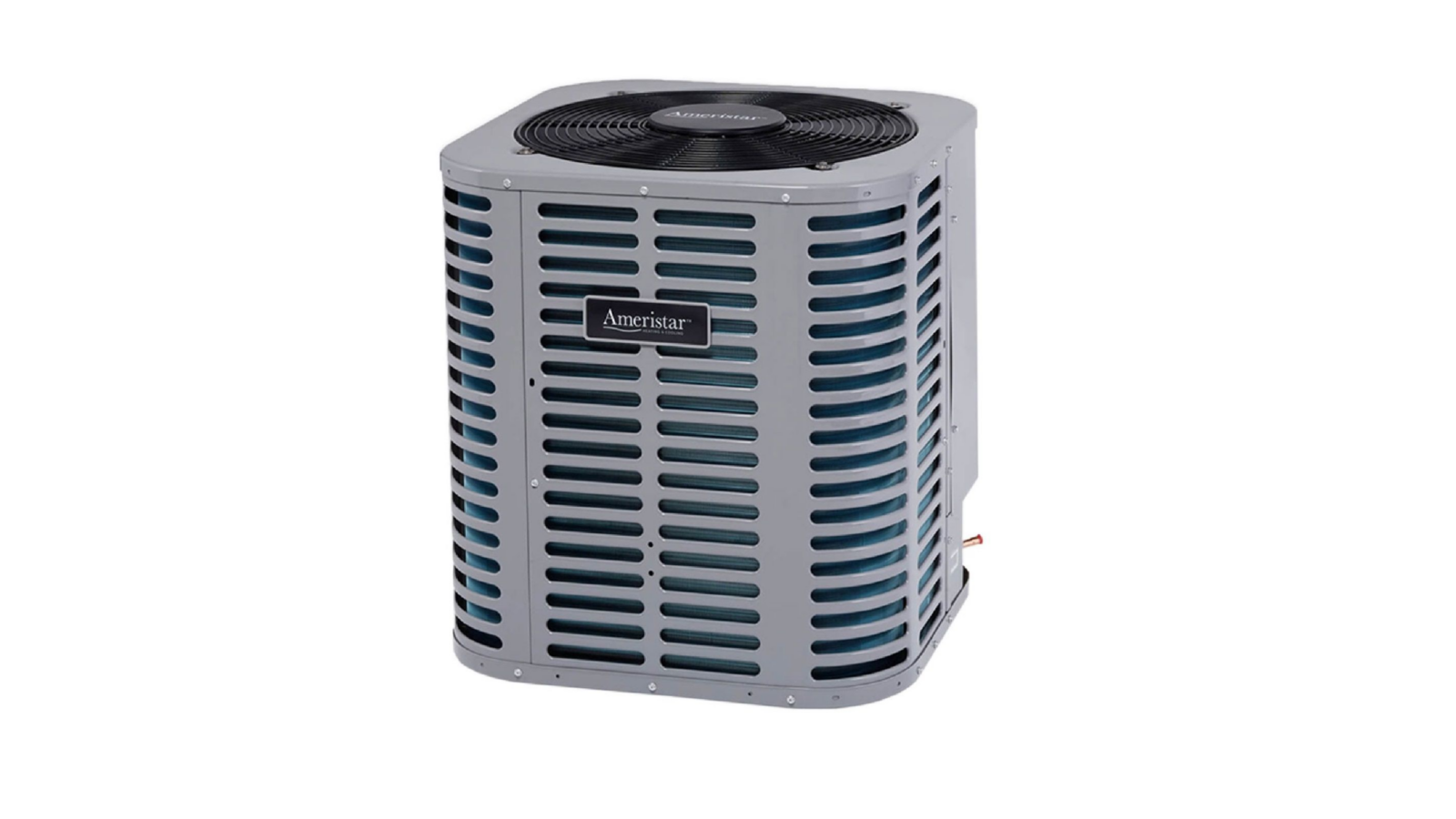
1 2 Ton Air Conditioner Price

Understanding 1.5 Ton Air Conditioner Price and Value: A Comprehensive Guide
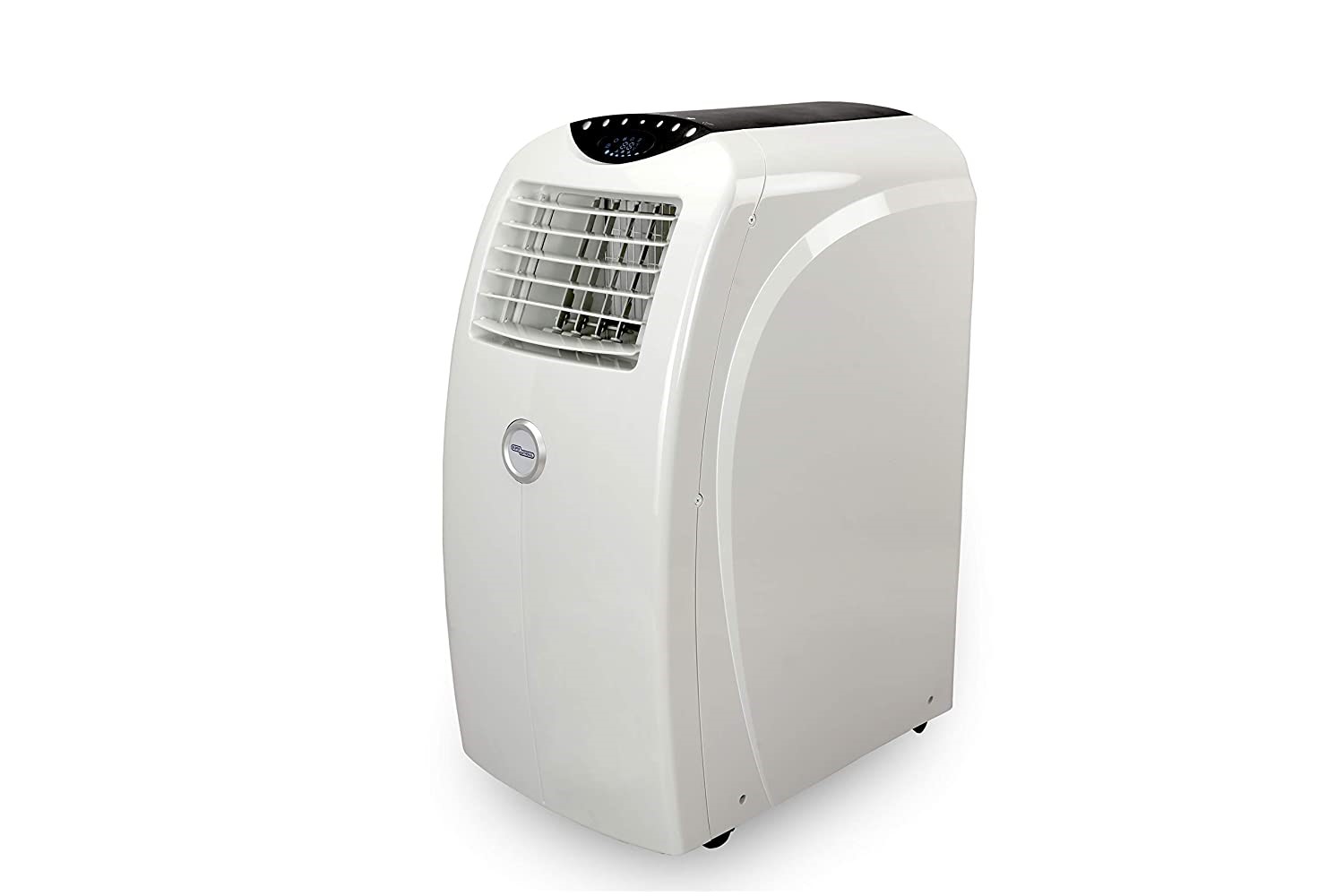
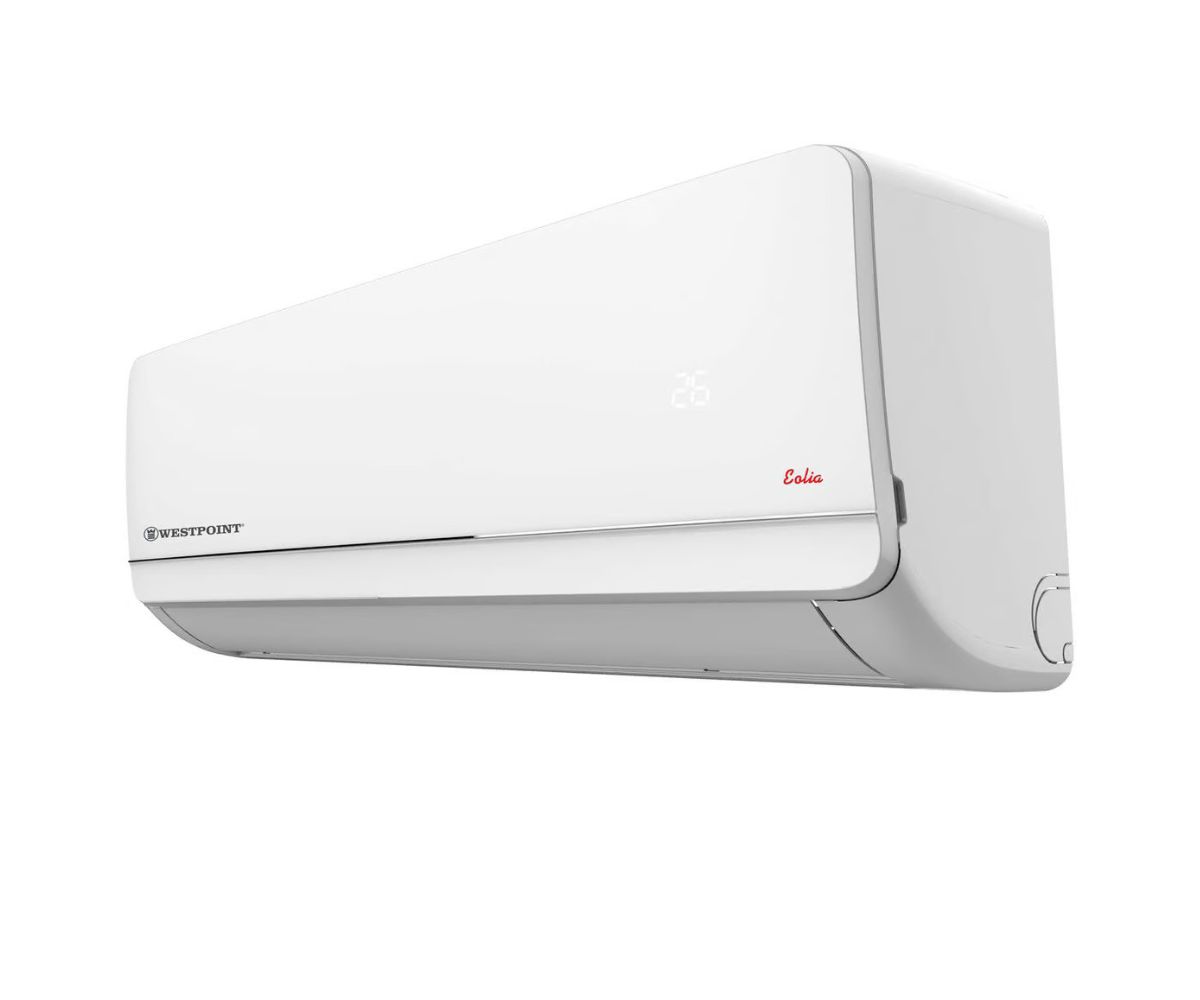
Choosing the right air conditioner for your home is a significant decision, balancing comfort, efficiency, and cost. A 1.5 ton air conditioner, also known as an 18,000 BTU (British Thermal Unit) unit, is a common choice for smaller homes, apartments, or specific zones within a larger property. This guide provides a detailed overview of 1.5 ton AC unit prices, factors influencing those prices, and key considerations when making your purchase.
What Influences 1.5 Ton Air Conditioner Price?
The price of a 1.5 ton air conditioner can vary considerably depending on several factors:
- Brand: Established brands like Carrier, Trane, Lennox, and Goodman often command higher prices due to their reputation for quality, reliability, and advanced features.
- SEER Rating: The Seasonal Energy Efficiency Ratio (SEER) measures an AC unit's cooling efficiency. Higher SEER ratings translate to lower energy bills but typically come with a higher upfront cost. Units with SEER ratings of 16 or higher are generally considered high-efficiency.
- Features: Features such as variable-speed compressors, smart thermostats compatibility, and advanced filtration systems can increase the price.
- Installation Costs: Installation is a significant part of the overall cost. Complexity, ductwork modifications, and regional labor rates all impact the final price.
- Warranty: Comprehensive warranties offer peace of mind but can also influence the price. Be sure to understand the terms and conditions of the warranty.
Typical 1.5 Ton Air Conditioner Price Range
As a general guideline, the cost of a 1.5 ton air conditioner unit itself (excluding installation) typically ranges from $1,200 to $3,500. However, this is just a starting point. Let's break down the cost further:
- Entry-Level Units (SEER 13-14): These models offer basic cooling and are the most budget-friendly. Expect to pay between $1,200 and $1,800 for the unit.
- Mid-Range Units (SEER 15-17): These offer a good balance of efficiency and cost. Prices typically range from $1,800 to $2,500.
- High-Efficiency Units (SEER 18+): These models offer the best energy savings but come with a premium price tag, ranging from $2,500 to $3,500 or more.
Installation costs can add another $800 to $2,000 to the total project cost, depending on the complexity of the installation.
Popular Brands and Models to Consider
Here's a look at some popular brands and models in the 1.5 ton range, keeping in mind that prices can vary by region and dealer:
Carrier
Carrier is a well-respected brand known for its reliable and efficient air conditioners. The Carrier Comfort Series offers a good balance of price and performance, while the Carrier Infinity Series represents their premium line with advanced features and higher SEER ratings.
Pros: Reputable brand, wide range of models, good energy efficiency.
Cons: Can be more expensive than some other brands.
Trane
Trane is another top-tier brand known for its durable and long-lasting AC units. The Trane XR series offers a good value proposition, while the Trane XV series features variable-speed technology for enhanced comfort and efficiency.
Pros: Durable construction, reliable performance, advanced technology options.
Cons: Higher upfront cost.
Lennox
Lennox offers a range of air conditioners known for their quiet operation and innovative features. The Lennox Merit Series provides affordable cooling, while the Lennox Signature Series boasts top-of-the-line efficiency and features.
Pros: Quiet operation, innovative features, energy-efficient models.
Cons: Can be more expensive to repair.
Goodman
Goodman is a budget-friendly brand that offers reliable cooling at a lower price point. While they may not have all the bells and whistles of premium brands, Goodman AC units are a solid choice for homeowners looking for affordable cooling.
Pros: Lower upfront cost, good warranty coverage.
Cons: May not be as energy-efficient or feature-rich as premium brands.
Understanding SEER, EER, and HSPF Ratings
When evaluating air conditioners, it's crucial to understand the key performance metrics:
- SEER (Seasonal Energy Efficiency Ratio): Measures cooling efficiency over an entire cooling season. Higher SEER ratings mean lower energy bills.
- EER (Energy Efficiency Ratio): Measures cooling efficiency at a specific point in time (typically at a higher temperature). EER is less commonly used than SEER but provides another data point for comparison.
- HSPF (Heating Seasonal Performance Factor): This rating applies to heat pumps and measures heating efficiency. While not directly relevant to air conditioners, it's important to consider if you're evaluating a heat pump system that provides both heating and cooling.
For a 1.5 ton air conditioner, look for models with a SEER rating of 15 or higher to maximize energy savings. The higher the SEER rating, the less energy the unit will consume to cool your home.
Installation Considerations and Costs
Installation is a critical aspect of your air conditioner purchase. Improper installation can significantly reduce the unit's efficiency and lifespan. Here are some key considerations:
- Professional Installation: Always hire a qualified and licensed HVAC contractor to install your new air conditioner.
- Ductwork: Ensure your ductwork is properly sized and sealed to maximize airflow and prevent energy loss.
- Refrigerant Charge: The correct refrigerant charge is essential for optimal performance. Your installer should verify and adjust the refrigerant charge as needed.
- Permits: Check local building codes and obtain any necessary permits before installation.
Installation costs can vary depending on the complexity of the job. Factors that can increase installation costs include:
- Replacing existing ductwork.
- Modifying the electrical system.
- Installing a new concrete pad for the outdoor unit.
- Difficult access to the installation location.
Warranty and Maintenance
A solid warranty provides peace of mind and protects your investment. Most air conditioner manufacturers offer a standard warranty on parts, typically ranging from 5 to 10 years. Some manufacturers also offer extended warranties for an additional cost.
Regular maintenance is essential for keeping your air conditioner running efficiently and extending its lifespan. Key maintenance tasks include:
- Changing the air filter regularly (every 1-3 months).
- Cleaning the outdoor unit coils annually.
- Inspecting and cleaning the blower motor.
- Checking the refrigerant charge.
- Having a professional HVAC technician perform a tune-up annually.
Making the Right Choice
Choosing the right 1.5 ton air conditioner involves careful consideration of your budget, cooling needs, and energy efficiency goals. Consider these steps:
- Assess Your Cooling Needs: Determine the square footage you need to cool and factor in factors like sun exposure, insulation, and the number of windows.
- Set a Budget: Determine how much you're willing to spend on the unit and installation.
- Research Brands and Models: Compare different brands and models based on features, SEER ratings, and reviews.
- Get Multiple Quotes: Obtain quotes from several HVAC contractors to compare prices and services.
- Read Reviews: Research online reviews from other customers to get insights into the performance and reliability of different units.
- Consider Long-Term Costs: Factor in energy savings and maintenance costs when evaluating the overall cost of ownership.
By following these guidelines, you can make an informed decision and choose a 1.5 ton air conditioner that provides efficient, reliable, and affordable cooling for your home.
Disclaimer: Prices and specifications mentioned in this article are for informational purposes only and may vary depending on location, dealer, and current market conditions. Always consult with a qualified HVAC professional for accurate pricing and recommendations tailored to your specific needs.