1 Inch Ball Valve With Drain

Unlocking the Secrets of the 1-Inch Ball Valve with Drain: A Comprehensive Guide for HVAC Systems
When it comes to maintaining and optimizing your HVAC system, even seemingly small components like a 1-inch ball valve with drain play a crucial role. This unassuming valve offers essential functionality for isolating sections of your plumbing and HVAC systems for maintenance, repairs, and even winterization. This guide will delve into the details of these valves, helping you understand their benefits, applications, and how to choose the right one for your needs.
What is a 1-Inch Ball Valve with Drain?
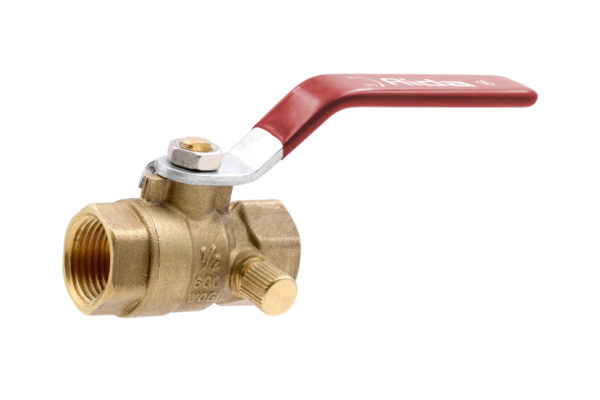
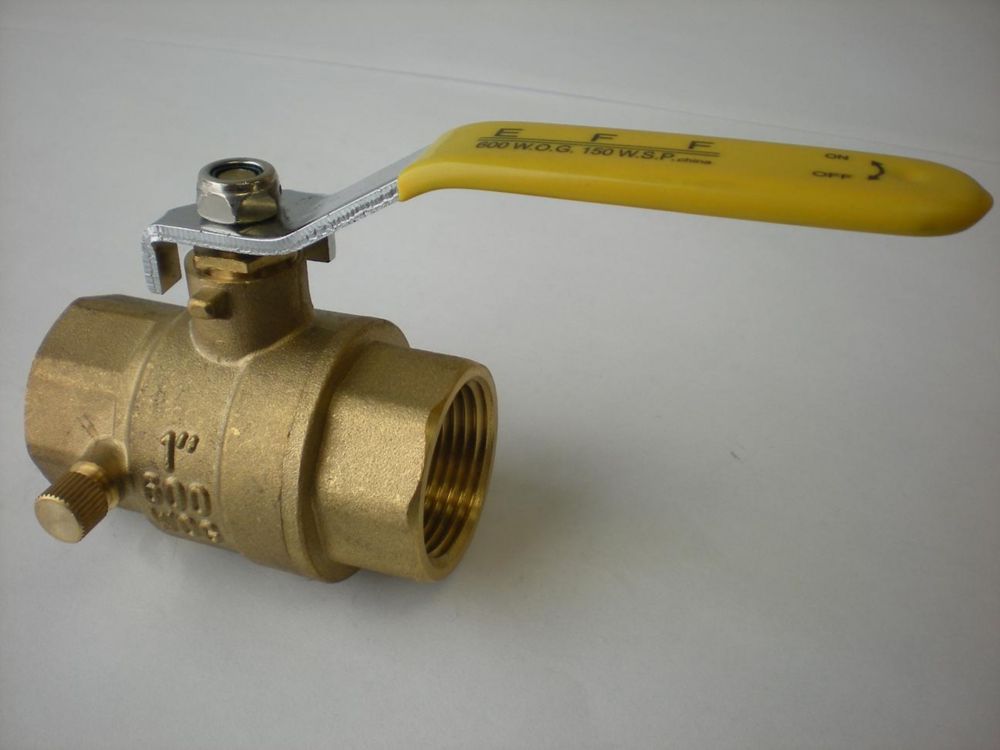
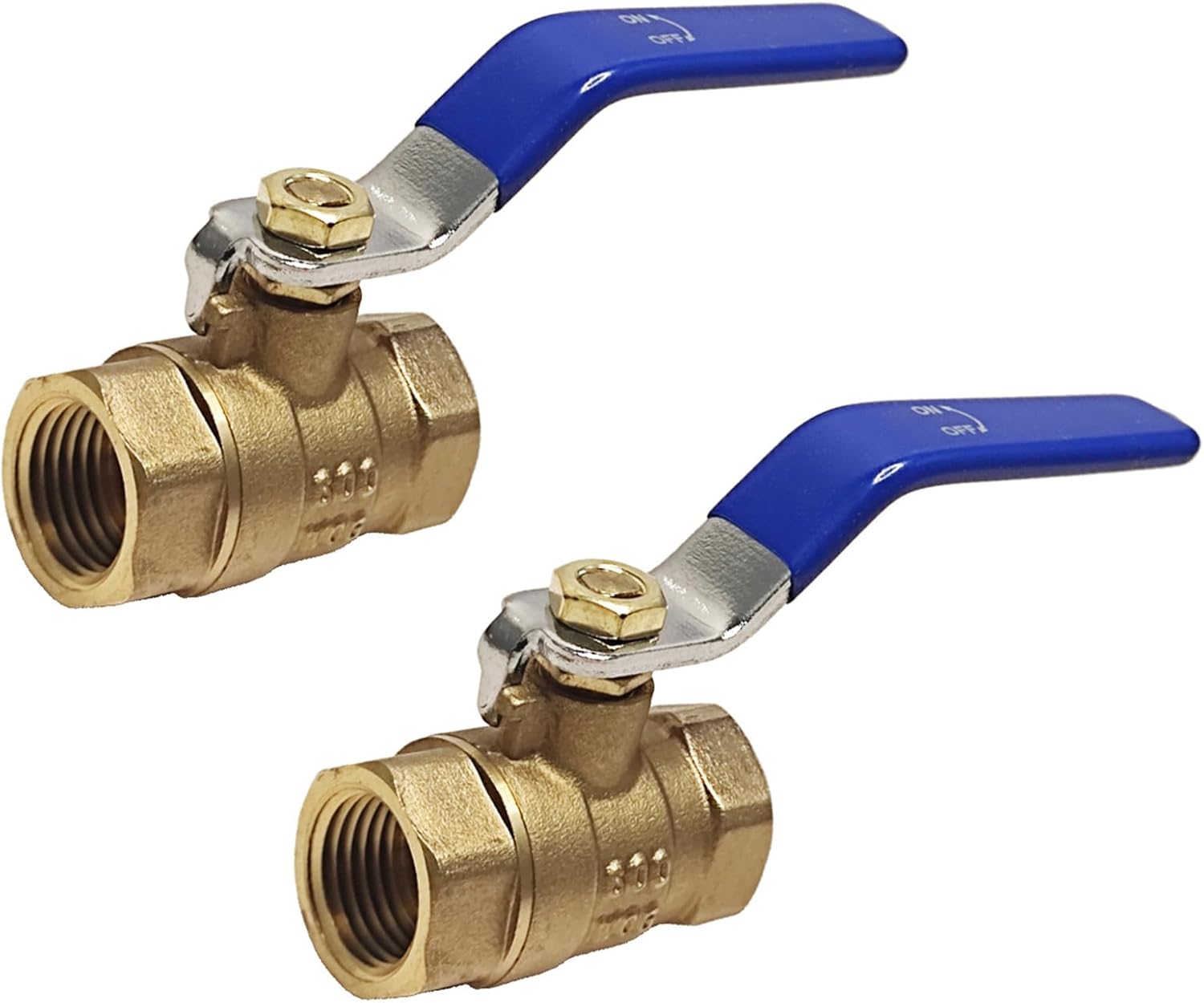
A ball valve is a type of shut-off valve that uses a hollow, pivoting ball to control the flow of liquid or gas. When the ball's bore (the hole through it) is aligned with the flow path, the valve is open. Rotating the ball 90 degrees closes the valve, blocking the flow. The "1-inch" designation refers to the nominal pipe size (NPS) that the valve is designed to connect to. The "with drain" part is crucial: it means the valve incorporates a small drain port, typically with a threaded connection, that allows you to easily drain the isolated section of pipe.
In HVAC systems, these valves are frequently used in:
- Boiler systems: Isolating boiler sections for repairs or cleaning.
- Chiller systems: Draining chiller loops for maintenance or winter shutdown.
- Hydronic heating systems: Separating zones for repairs or balancing.
- Plumbing systems: Providing isolation points for water heaters, expansion tanks, and other components.
Benefits of Using a 1-Inch Ball Valve with Drain
Integrating a 1-inch ball valve with drain into your HVAC or plumbing system offers numerous advantages:
- Simplified Maintenance: Draining a system section becomes significantly easier and cleaner. No more messy spills or struggling to remove all the fluid.
- Efficient Repairs: Isolate the problematic section without shutting down the entire system. This saves time and minimizes disruption, which is crucial for both homeowners and businesses.
- Freeze Protection: Draining water lines is essential for winterizing properties in colder climates. The drain valve simplifies this process, preventing burst pipes and costly damage.
- Precise Control: Ball valves offer quick and reliable on/off control, ensuring a tight seal when closed.
- Versatility: Suitable for various fluids and gases, depending on the valve's material and pressure rating.
Choosing the Right 1-Inch Ball Valve with Drain: Key Considerations
Selecting the appropriate ball valve involves considering several factors to ensure optimal performance and longevity:
1. Material:
- Brass: A common and cost-effective choice for water and non-corrosive fluids. Ensure it's lead-free for potable water applications.
- Stainless Steel: Offers superior corrosion resistance, making it ideal for aggressive fluids and demanding environments.
- PVC/CPVC: Suitable for corrosive fluids and chemical applications. CPVC can handle higher temperatures than PVC.
2. Pressure and Temperature Ratings:
Verify that the valve's pressure and temperature ratings meet or exceed the operating conditions of your system. Exceeding these limits can lead to valve failure and potential leaks.
3. Connection Type:
- Threaded (NPT): The most common type, offering ease of installation.
- Soldered (Sweat): Provides a strong and leak-proof connection, but requires soldering skills.
- Compression: Allows for quick installation without soldering or threading, but may not be suitable for high-pressure applications.
- Push-to-Connect: Easiest to install, requiring no special tools. Excellent for quick repairs.
4. Drain Port Size and Type:
Consider the size of the drain port and the type of connection (e.g., threaded) needed for your drainage setup. A larger drain port will allow for faster drainage.
5. Valve Type:
- Standard Port: The bore diameter is slightly smaller than the pipe size, resulting in a minor pressure drop.
- Full Port: The bore diameter is the same as the pipe size, minimizing pressure drop and maximizing flow. This is generally preferred for HVAC applications.
Popular Brands and Models
Several reputable brands offer high-quality 1-inch ball valves with drain. Here are a few to consider:
- Apollo Valves: Known for their durability and reliability. Their 70 Series is a popular choice for general-purpose applications.
- Watts: Offers a wide range of valves for various applications, including lead-free options for potable water.
- SharkBite: Specializes in push-to-connect fittings and valves, making installation quick and easy.
- Milwaukee Valve: Known for their industrial-grade valves with robust construction.
While specifying exact models changes frequently, look for valves that clearly state their compliance with relevant standards (e.g., NSF 61 for potable water, ASME for pressure ratings).
Installation Tips
Proper installation is crucial for ensuring the longevity and performance of your ball valve. Follow these tips:
- Preparation: Ensure the pipe is clean and free of debris before installing the valve.
- Threading: Use Teflon tape or pipe sealant on threaded connections to create a leak-proof seal.
- Soldering: Follow proper soldering techniques to prevent leaks and ensure a strong connection.
- Support: Support the valve and connecting pipes to prevent stress on the connections.
- Testing: After installation, test the valve for leaks by opening and closing it while the system is pressurized.
Maintenance and Troubleshooting
Ball valves are generally low-maintenance, but occasional inspection and lubrication can extend their lifespan:
- Regular Inspection: Check for leaks, corrosion, and any signs of damage.
- Lubrication: Periodically lubricate the valve stem with a silicone-based lubricant to ensure smooth operation.
- Troubleshooting Leaks: If a leak develops, try tightening the valve packing nut. If that doesn't work, you may need to replace the valve.
Cost Considerations
The cost of a 1-inch ball valve with drain can vary depending on the material, brand, and features. Brass valves are generally the most affordable, while stainless steel valves are more expensive. Expect to pay anywhere from $15 to $50+ for a quality valve. Installation costs will vary depending on the complexity of the job and the plumber's rates.
HVAC System Performance Metrics: AFUE, SEER, and HSPF
While a 1-inch ball valve with drain doesn't directly impact AFUE (Annual Fuel Utilization Efficiency), SEER (Seasonal Energy Efficiency Ratio), or HSPF (Heating Seasonal Performance Factor) ratings, properly maintained HVAC systems, which often include these valves for ease of service, will perform closer to their rated efficiencies. Neglecting maintenance can lead to reduced efficiency and higher energy bills. Consider these ratings when choosing major HVAC components.
- AFUE: Applies to furnaces and boilers, indicating the percentage of fuel converted into usable heat. Higher AFUE ratings mean greater energy efficiency.
- SEER: Applies to air conditioners, measuring the cooling output during a typical cooling season divided by the total electric energy input during the same period. Higher SEER ratings indicate better energy efficiency.
- HSPF: Applies to heat pumps, measuring the heating output during a typical heating season divided by the total electric energy input during the same period. Higher HSPF ratings indicate better energy efficiency.
Warranties
Most ball valve manufacturers offer a limited warranty against defects in materials and workmanship. The warranty period typically ranges from one to five years. Be sure to read the warranty carefully before purchasing a valve to understand the terms and conditions.
Conclusion
A 1-inch ball valve with drain is a simple yet essential component for maintaining and optimizing your HVAC and plumbing systems. By understanding the different types of valves, their benefits, and how to choose the right one for your needs, you can ensure efficient and reliable operation of your systems for years to come. Investing in quality valves and proper installation will save you time, money, and headaches in the long run.