1 Ton Split System Heat Pump
Understanding the 1 Ton Split System Heat Pump: A Comprehensive Guide
For homeowners and property investors seeking efficient and cost-effective heating and cooling solutions for smaller spaces, the 1 ton split system heat pump is often an ideal choice. This guide will provide a detailed overview of these systems, covering their benefits, drawbacks, key features, popular models, pricing, and maintenance requirements. Whether you're replacing an existing unit, upgrading to a more energy-efficient system, or advising clients on the best options, this information will help you make an informed decision.
What is a 1 Ton Heat Pump?
A 1 ton heat pump, by definition, has a cooling capacity of 12,000 BTUs (British Thermal Units) per hour. The "ton" designation refers to the amount of heat needed to melt one ton of ice in 24 hours. In practical terms, a 1 ton unit is typically suitable for cooling or heating spaces ranging from 400 to 600 square feet, depending on factors such as insulation, climate, and window size.
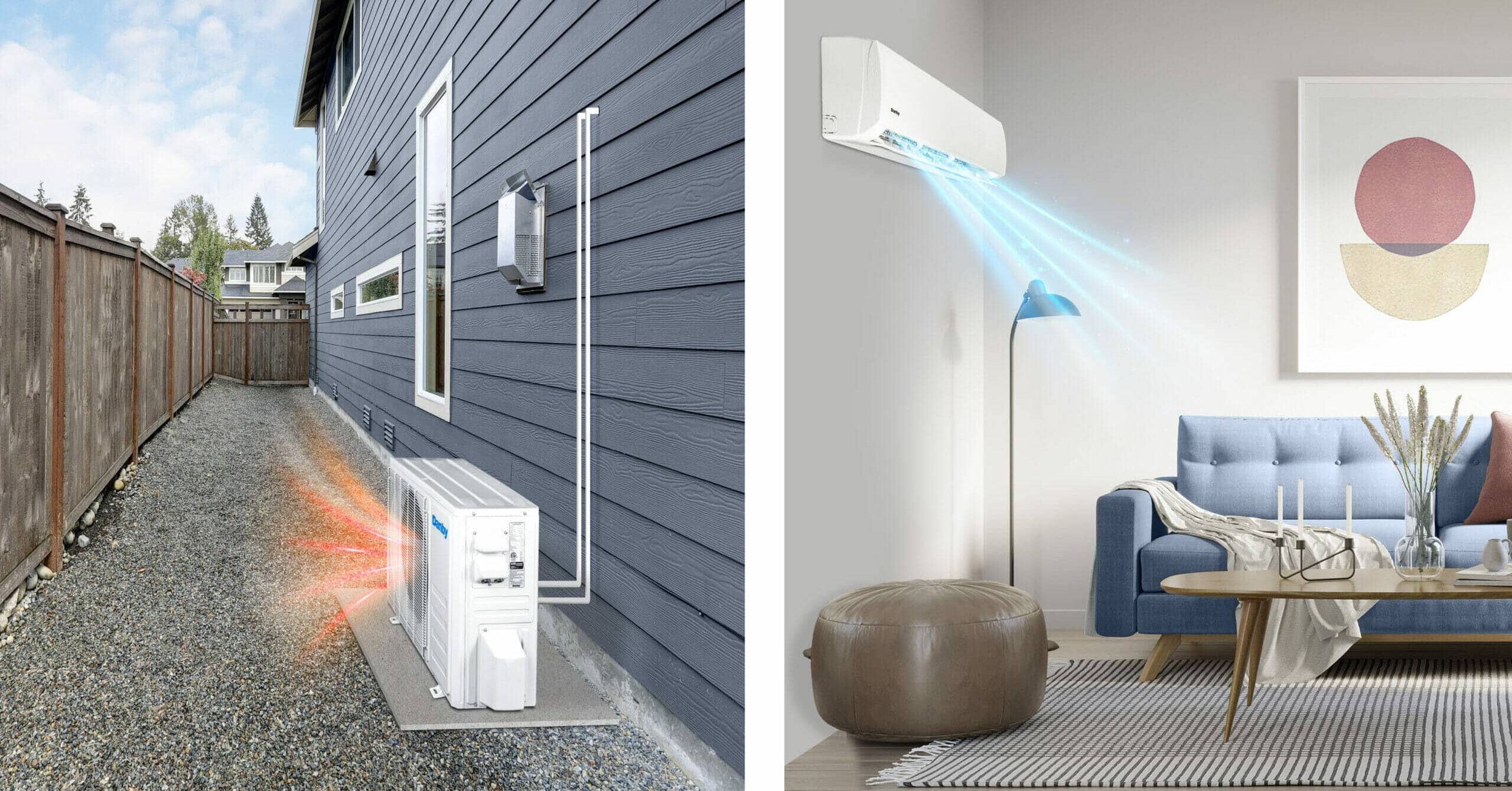
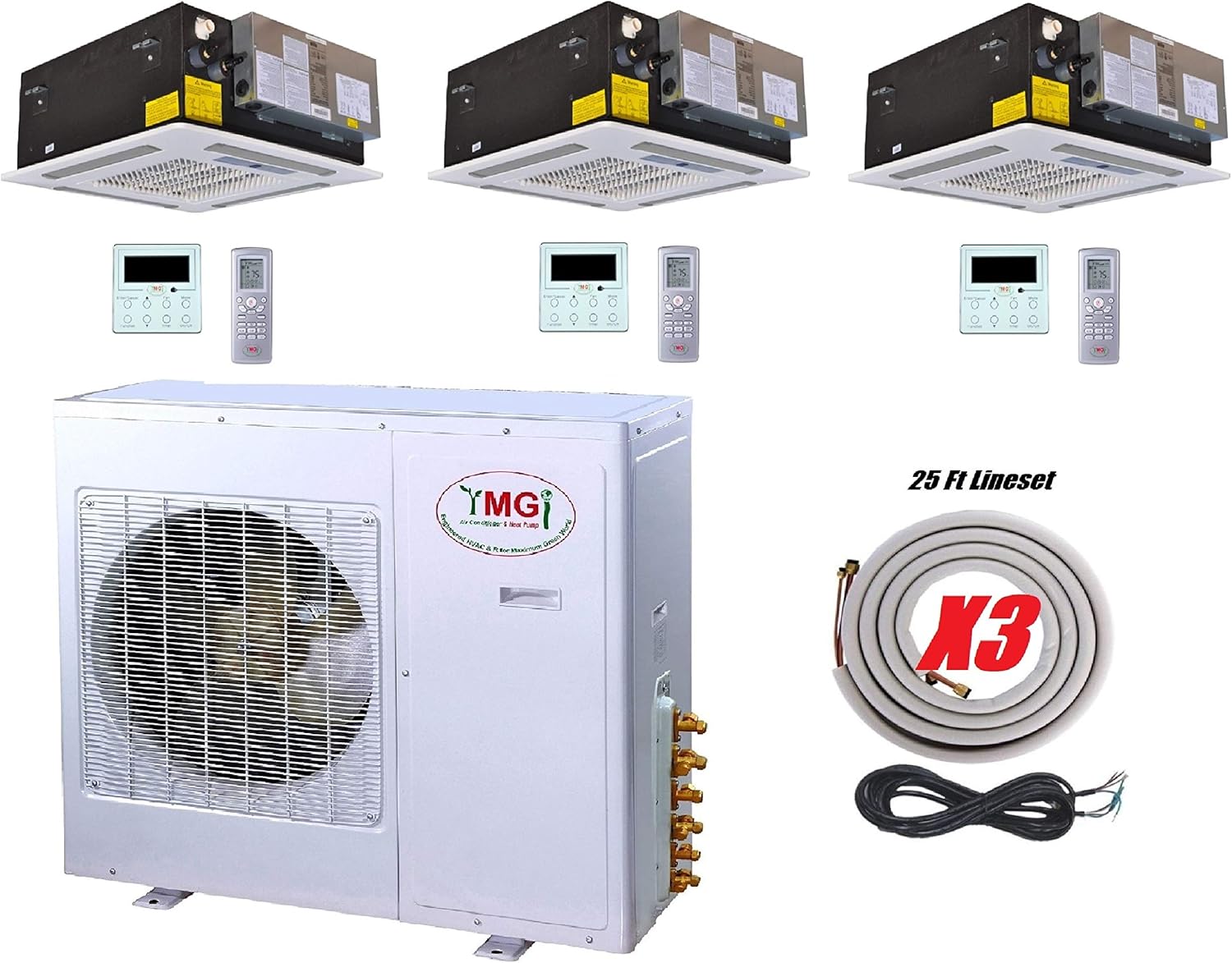
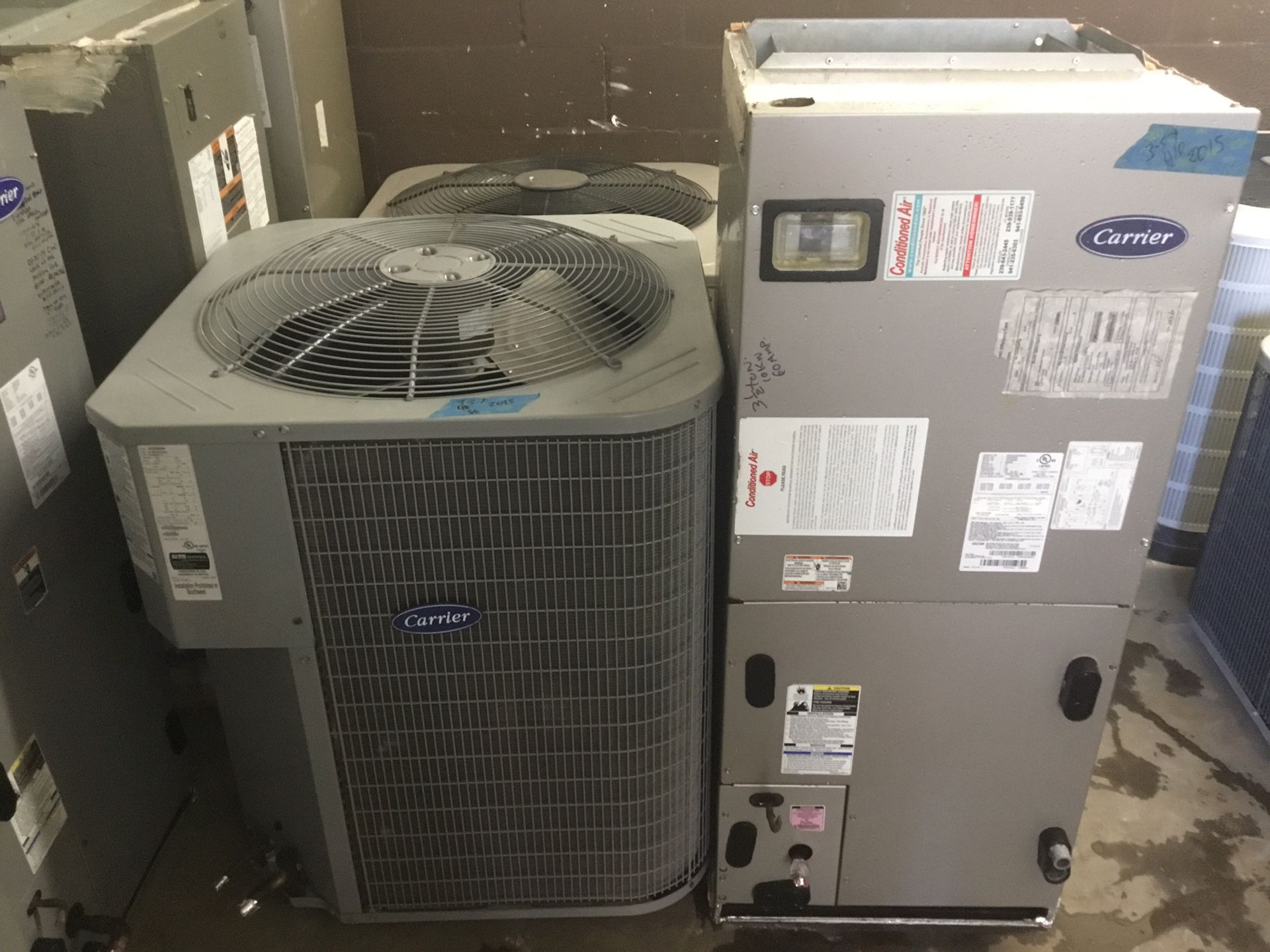
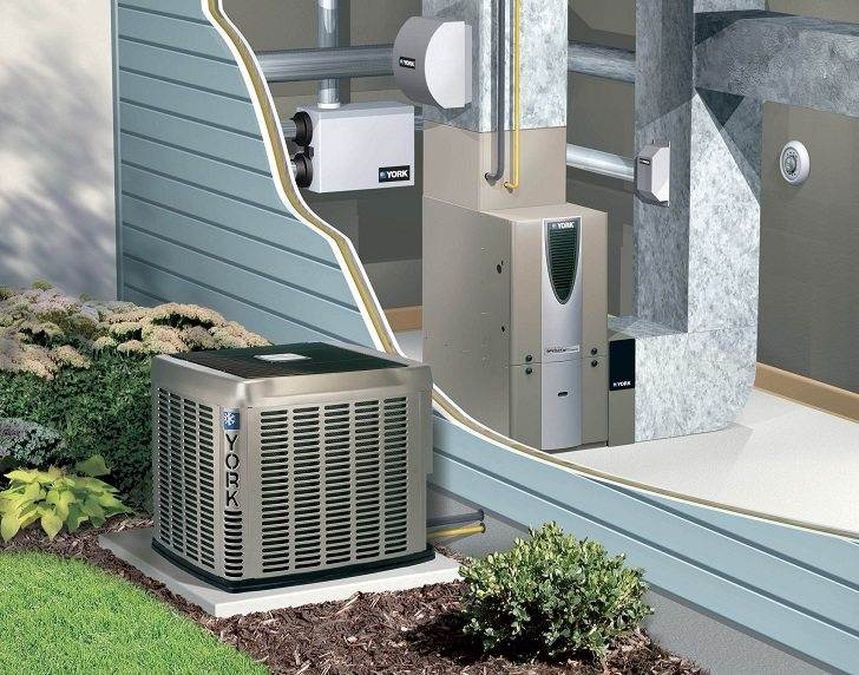
A split system heat pump consists of two main components: an outdoor unit (the heat pump) and an indoor unit (the air handler). The outdoor unit contains the compressor, condenser coil, and a fan. The indoor unit, typically located in an attic, closet, or basement, houses the evaporator coil and blower fan. These two units are connected by refrigerant lines and electrical wiring.
Pros and Cons of a 1 Ton Split System Heat Pump
Advantages:
- Energy Efficiency: Heat pumps are generally more energy-efficient than traditional furnaces and air conditioners, especially in moderate climates. They transfer heat rather than generating it, which consumes less energy. Look for high SEER (Seasonal Energy Efficiency Ratio) and HSPF (Heating Seasonal Performance Factor) ratings.
- Cost-Effective Heating and Cooling: In climates with mild winters, a heat pump can provide efficient and affordable heating. In the summer, it functions as a standard air conditioner.
- Space Saving: The compact design of both the indoor and outdoor units makes them suitable for smaller homes, apartments, and condos.
- Quieter Operation: Compared to window units or older central air systems, split system heat pumps generally operate more quietly, particularly models with variable-speed compressors and fans.
- Zoning Capabilities: Split systems allow for zoning, meaning you can heat or cool specific areas of your home independently, improving comfort and saving energy.
Disadvantages:
- Performance in Extremely Cold Climates: Heat pumps become less efficient in very cold temperatures (below freezing). In these climates, a supplemental heating system (e.g., electric resistance heat) may be necessary, increasing energy consumption.
- Higher Upfront Cost: While energy savings can offset the initial cost over time, heat pumps typically have a higher purchase price than traditional air conditioners or furnaces.
- Installation Complexity: Proper installation is crucial for optimal performance and longevity. It's essential to hire a qualified HVAC technician.
- Maintenance Requirements: Regular maintenance, including filter replacement and coil cleaning, is necessary to maintain efficiency and prevent breakdowns.
- Potential for Refrigerant Leaks: Like all refrigerant-based systems, heat pumps are susceptible to refrigerant leaks, which can reduce efficiency and require costly repairs.
Key Features to Consider
When choosing a 1 ton split system heat pump, several key features should be taken into account:
- SEER Rating: The SEER rating indicates the cooling efficiency of the unit. A higher SEER rating means greater energy savings. Look for models with SEER ratings of 16 or higher.
- HSPF Rating: The HSPF rating indicates the heating efficiency of the unit. A higher HSPF rating means better heating performance in colder climates. Aim for models with HSPF ratings of 8.5 or higher.
- Type of Compressor:
- Single-Stage Compressors: These compressors operate at a single speed, turning on and off to maintain the desired temperature. They are the least expensive option but are also the least energy-efficient and offer the least consistent temperature control.
- Two-Stage Compressors: These compressors have two operating speeds, allowing for more precise temperature control and greater energy efficiency.
- Variable-Speed Compressors (Inverter Technology): These compressors can adjust their speed continuously to match the heating or cooling demand, providing the most precise temperature control, highest energy efficiency, and quietest operation.
- Smart Thermostat Compatibility: Look for models that are compatible with smart thermostats, which allow you to control your HVAC system remotely, track energy usage, and create customized schedules.
- Noise Level: Check the decibel (dB) rating of both the indoor and outdoor units. Lower dB ratings indicate quieter operation.
- Refrigerant Type: Newer models use environmentally friendly refrigerants such as R-410A, which has a lower ozone depletion potential than older refrigerants.
- Warranty: Pay close attention to the warranty terms, including the length of coverage and what is covered. Most manufacturers offer warranties on parts, and some offer extended warranties on the compressor.
Popular Brands and Models
Several reputable HVAC brands offer 1 ton split system heat pumps. Here are a few popular options:
- Mitsubishi Electric: Known for their high-efficiency and ultra-quiet operation, Mitsubishi Electric offers a range of mini-split heat pumps that are ideal for single-room applications. Mitsubishi Electric is a leader in inverter technology.
- Daikin: Daikin offers a wide range of heat pumps, including models with variable-speed compressors and advanced features. Their units are known for their reliability and energy efficiency.
- LG: LG heat pumps are known for their sleek designs and smart features. They offer a variety of models to suit different needs and budgets.
- Carrier: Carrier is a well-established brand with a reputation for quality and performance. They offer a range of heat pumps, including models with high SEER and HSPF ratings.
- Goodman: Goodman is a budget-friendly option that offers reliable performance at an affordable price. While not as feature-rich as some of the higher-end brands, Goodman heat pumps provide good value for the money.
Example Models: (Note: specific models and availability may vary)
- Mitsubishi MSZ-GL12NA / MUZ-GL12NA: A popular choice for single-zone applications, offering efficient and quiet operation.
- Daikin 17 Series: Known for its high SEER rating and inverter technology.
- LG LS090HXV: A stylish and efficient option with smart features.
- Carrier Comfort Series: A reliable and affordable option for basic heating and cooling needs.
Pricing and Installation Costs
The cost of a 1 ton split system heat pump can vary depending on the brand, model, features, and installation complexity. Generally, you can expect to pay between $2,500 and $5,000 for the unit and installation. Factors that can affect the price include:
- Brand and Model: Higher-end brands and models with advanced features typically cost more.
- SEER and HSPF Ratings: Units with higher energy efficiency ratings tend to be more expensive.
- Installation Complexity: Difficult installations that require extensive ductwork or electrical work will increase the overall cost.
- Labor Costs: Labor rates vary depending on your location and the HVAC contractor you choose.
- Permits and Inspections: Local building codes may require permits and inspections, which can add to the overall cost.
It's crucial to obtain quotes from multiple HVAC contractors before making a decision. Be sure to ask for detailed breakdowns of the costs involved, including the price of the unit, installation labor, permits, and any other fees.
Warranty and Maintenance
Most manufacturers offer warranties on their heat pump systems. A typical warranty covers parts for a certain period (e.g., 5-10 years), and some offer extended warranties on the compressor (e.g., 10-12 years). Be sure to read the warranty terms carefully to understand what is covered and what is not.
Regular maintenance is essential to keep your heat pump running efficiently and prevent breakdowns. Recommended maintenance tasks include:
- Filter Replacement: Replace the air filter every 1-3 months, depending on usage and air quality. A dirty filter can restrict airflow, reducing efficiency and potentially damaging the system.
- Coil Cleaning: Clean the indoor and outdoor coils at least once a year to remove dirt and debris that can impede heat transfer.
- Refrigerant Level Check: Have a qualified HVAC technician check the refrigerant level periodically to ensure it is within the optimal range.
- Ductwork Inspection: Inspect the ductwork for leaks and damage and seal any leaks to improve efficiency.
- Professional Tune-Up: Schedule a professional tune-up with a qualified HVAC technician at least once a year. The technician will inspect the system, clean the coils, check the refrigerant level, and perform any necessary repairs.
Conclusion
A 1 ton split system heat pump can be an excellent choice for heating and cooling smaller spaces, offering energy efficiency, cost-effectiveness, and quiet operation. By carefully considering the features, brands, models, pricing, and maintenance requirements outlined in this guide, you can make an informed decision and choose the best system for your needs. Remember to prioritize energy efficiency, proper installation, and regular maintenance to maximize the benefits of your heat pump system. Always consult with a qualified HVAC professional to assess your specific needs and determine the best solution for your home or property. A properly sized and installed heat pump will provide years of comfortable and efficient heating and cooling.