10 Duct Booster Fan With Pressure Switch
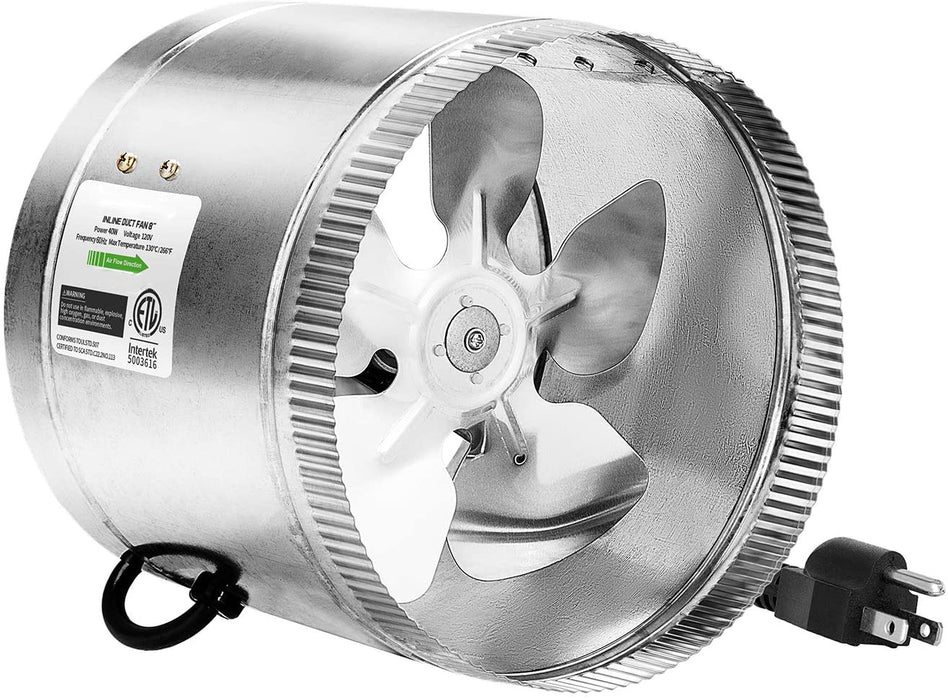
10 Ways a Duct Booster Fan with Pressure Switch Can Slash Your Energy Bills
Are you battling inconsistent temperatures in your home? Is one room always freezing while another feels like a sauna? Chances are, your ductwork is to blame. A poorly designed or aging duct system can lead to significant energy waste and discomfort. But before you rip out all your ducts, consider a simpler, cost-effective solution: a duct booster fan with a pressure switch. This seemingly small device can make a big difference in your home's energy efficiency and comfort.
1. Understanding the Ductwork Dilemma
Your HVAC system works hard to heat or cool air, but that air needs to travel through your ductwork to reach its destination. Long, winding duct runs, leaks, and obstructions can restrict airflow, causing your system to work harder and consume more energy. This is where a duct booster fan comes in. By adding targeted airflow assistance, you can alleviate the pressure on your HVAC system and improve overall performance.
2. What is a Duct Booster Fan with Pressure Switch?
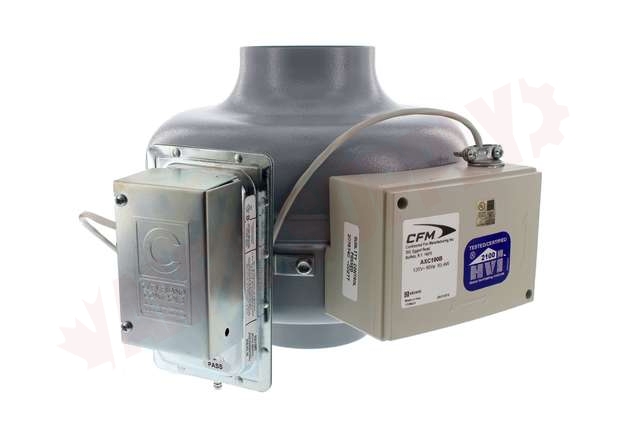
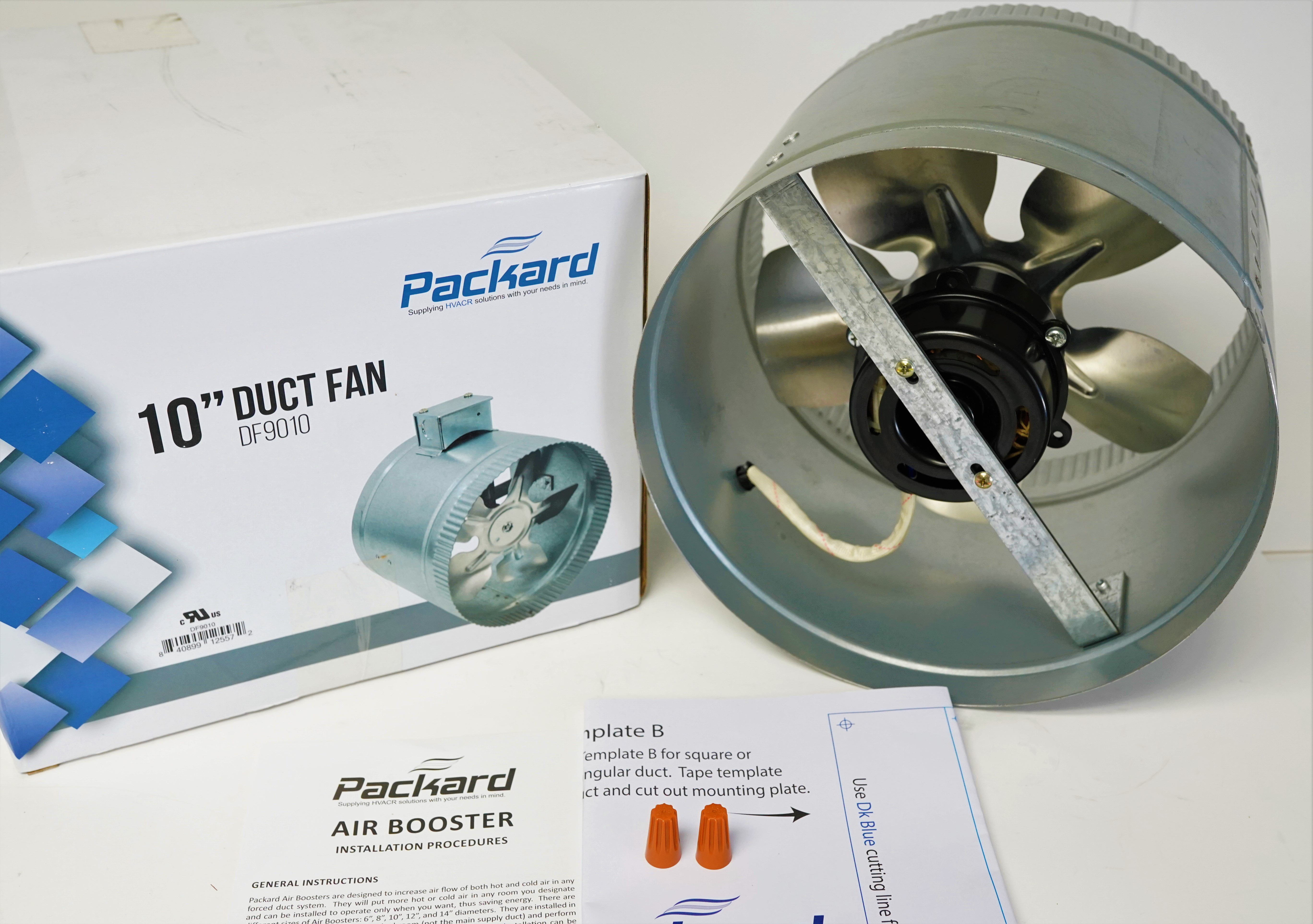
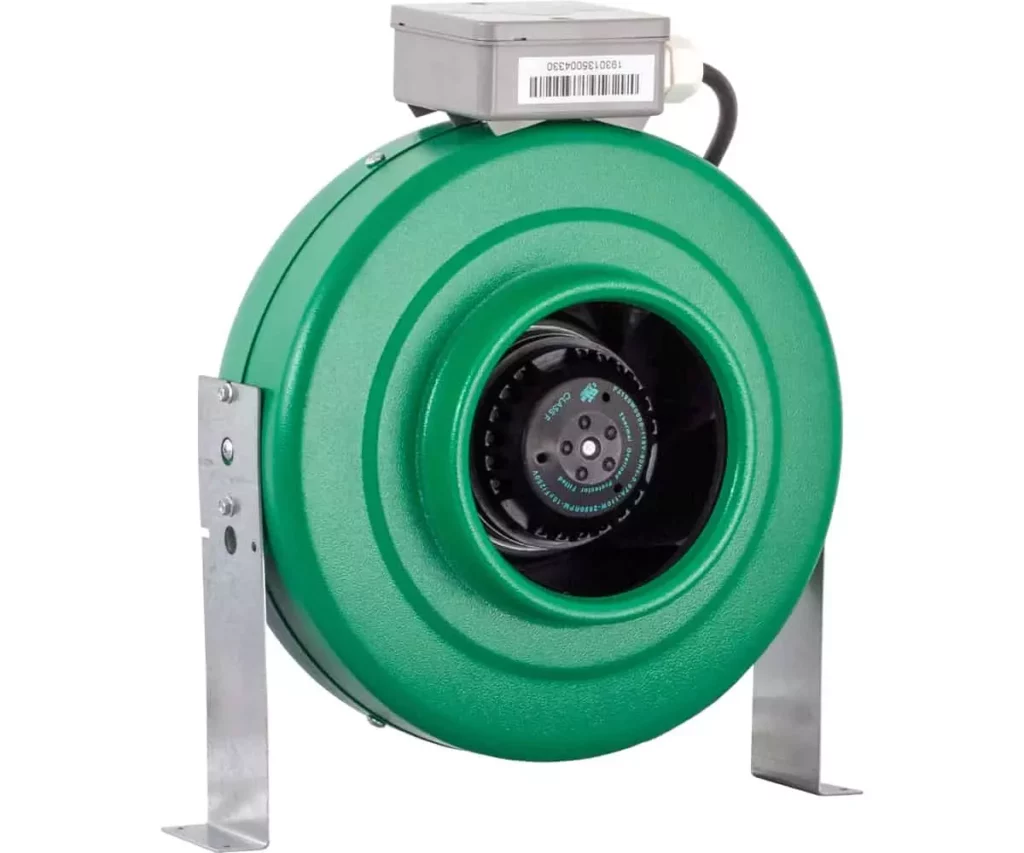
A duct booster fan is an inline fan installed within your ductwork to increase airflow. The pressure switch is a crucial component. It automatically activates the fan only when the HVAC system is running, sensing the pressure change when the furnace or air conditioner kicks on. This prevents the fan from running constantly, saving energy and prolonging its lifespan. Without a pressure switch, the fan would run continuously, negating energy savings and potentially causing backdrafting issues.
3. Boosting Airflow to Distant Rooms
One of the most common problems in homes is inadequate airflow to rooms located far from the HVAC unit. These rooms often feel colder in winter and warmer in summer. A duct booster fan strategically placed in the duct run leading to these distant rooms can significantly improve airflow, balancing the temperature throughout your home. Imagine finally having a consistently comfortable temperature in that back bedroom – no more space heaters or window AC units needed!
4. Improving HVAC System Efficiency
When your HVAC system struggles to push air through constricted ducts, it works harder and consumes more electricity or gas. By supplementing airflow with a duct booster fan, you reduce the strain on your system, allowing it to operate more efficiently. This translates directly into lower energy bills. According to the Energy Star program, optimizing airflow can reduce HVAC energy consumption by up to 15%.
5. Reducing Energy Waste from Leaky Ducts
Even with a well-designed duct system, leaks can occur over time. These leaks allow conditioned air to escape into unconditioned spaces, such as attics or crawl spaces, wasting energy and money. While sealing leaky ducts is essential, a duct booster fan can help compensate for some of the lost airflow, ensuring that conditioned air reaches its intended destination. Remember, sealing ducts should always be the primary solution, with booster fans acting as a supplementary measure.
6. Smart Home Integration: Smart Thermostats and Sensors
Integrating a duct booster fan with your smart home system can further enhance its benefits. By connecting the fan to a smart thermostat, you can monitor airflow and temperature in different zones of your home. Some smart thermostats can even learn your heating and cooling patterns and automatically adjust the fan speed to optimize energy efficiency. You can also use smart sensors to monitor room temperatures and trigger the fan only when needed, ensuring maximum comfort and energy savings.
7. Choosing the Right Duct Booster Fan
Selecting the right duct booster fan is crucial for optimal performance. Consider the following factors:
- Duct Size: Ensure the fan is the correct diameter for your ductwork.
- CFM (Cubic Feet per Minute): Choose a fan with sufficient CFM to handle the airflow requirements of the duct run.
- Noise Level: Look for a fan with a low noise rating, especially if it's located near living areas.
- Pressure Switch Sensitivity: A properly calibrated pressure switch is essential for automatic operation.
- Energy Efficiency: Opt for a fan with a high energy efficiency rating to minimize energy consumption.
Consult with an HVAC contractor to determine the best fan for your specific needs.
8. Installation Considerations
While some homeowners may be comfortable installing a duct booster fan themselves, it's generally recommended to hire a qualified HVAC technician. Proper installation is crucial for safety and performance. The technician will ensure that the fan is correctly wired, securely mounted, and that the pressure switch is properly calibrated. Incorrect installation can lead to electrical hazards, reduced efficiency, and even damage to your HVAC system.
9. Cost and ROI: Is a Duct Booster Fan Worth It?
The cost of a duct booster fan can range from $50 to $200, depending on the size and features. Installation costs can vary depending on the complexity of the job. However, the long-term ROI can be significant. By improving energy efficiency and reducing wear and tear on your HVAC system, a duct booster fan can pay for itself within a few years. Plus, the added comfort and balanced temperatures throughout your home are invaluable. Consider factors like your climate, the age and efficiency of your HVAC system, and the severity of your airflow problems when calculating the potential ROI. Government rebates and incentives may also be available to further reduce the upfront cost.
10. Beyond Booster Fans: A Holistic Approach to Ductwork Efficiency
While a duct booster fan can be a valuable tool, it's important to address underlying issues with your ductwork. Consider the following:
- Duct Sealing: Seal all leaks and gaps in your ductwork with mastic sealant or metal tape.
- Insulation: Ensure that your ducts are properly insulated, especially in unconditioned spaces.
- Duct Cleaning: Remove dust and debris from your ducts to improve airflow.
- Duct Design: If you're experiencing significant airflow problems, consult with an HVAC professional to evaluate your duct design and make necessary modifications.
Addressing these issues in conjunction with installing a duct booster fan will maximize your energy savings and improve the overall performance of your HVAC system.
Duct Booster Fans: An Investment in Comfort and Savings
A duct booster fan with a pressure switch is more than just a fan; it's an investment in your home's comfort, energy efficiency, and the longevity of your HVAC system. By understanding the benefits and choosing the right fan for your needs, you can significantly reduce your energy bills and enjoy a more comfortable living environment. Don't let poorly performing ductwork drain your wallet – take control of your energy consumption and experience the difference a duct booster fan can make. Consult with a qualified HVAC professional to determine the best solution for your home and start saving money today.