100 Ft Mini Split Line Set

Unlocking Energy Savings with a 100 Ft Mini Split Line Set: A Comprehensive Guide
Mini-split systems, also known as ductless air conditioners, have become increasingly popular for their energy efficiency and versatility. A critical component of these systems is the line set, which connects the indoor and outdoor units. Choosing the right line set, particularly a 100 ft mini split line set, can significantly impact your system's performance and energy consumption. This article delves into the intricacies of 100 ft line sets, exploring their benefits, installation considerations, and how they contribute to overall energy savings.
Understanding the Components of a Mini Split Line Set
A standard mini split line set consists of several key components:
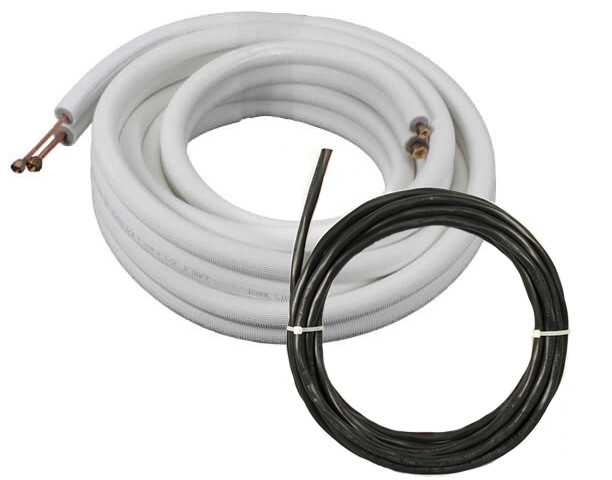
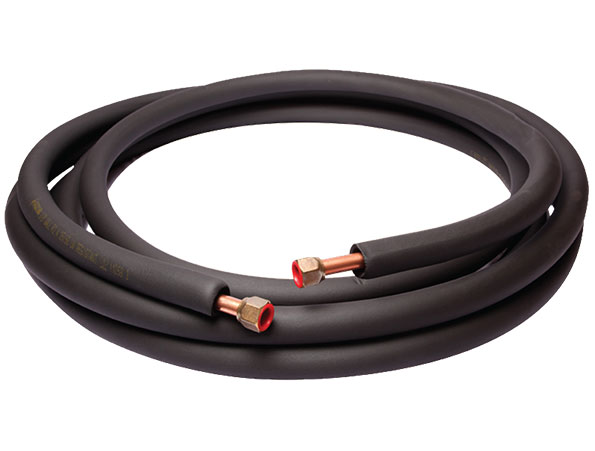
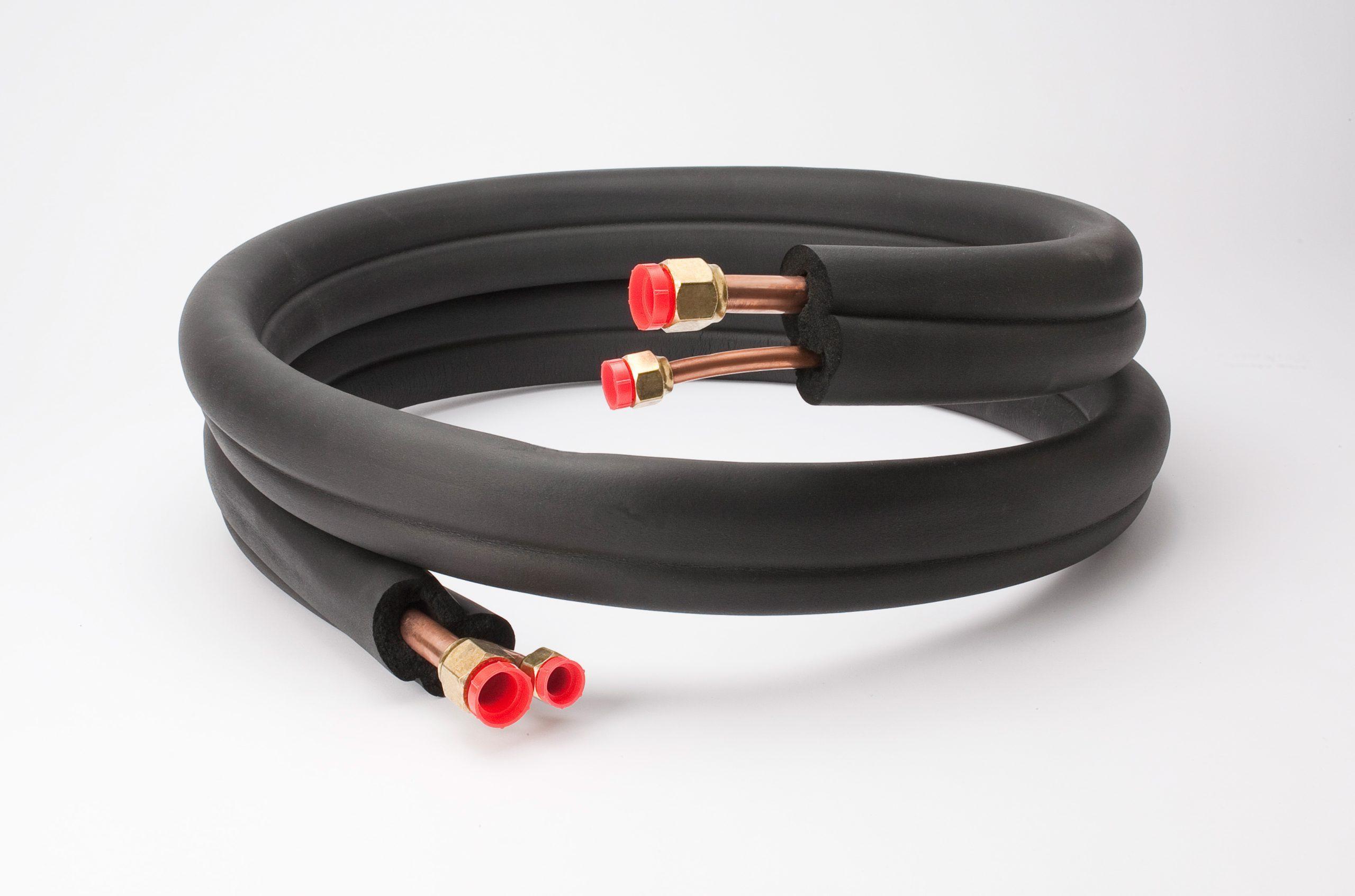
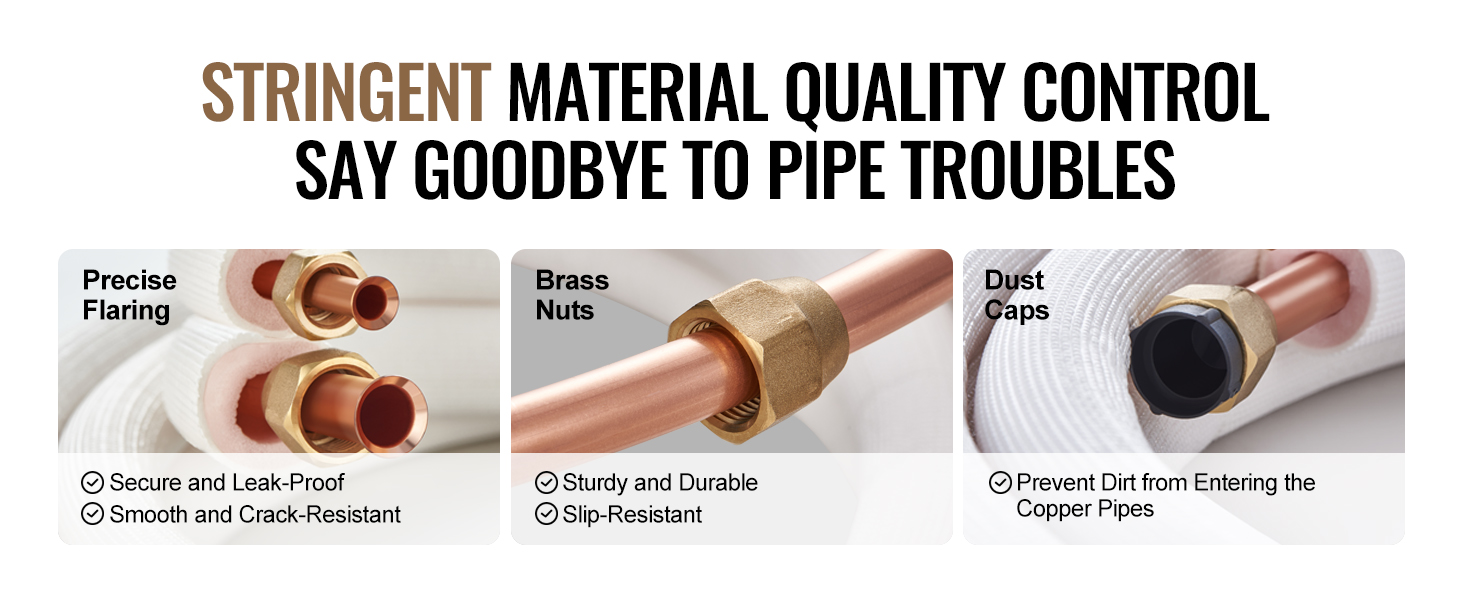
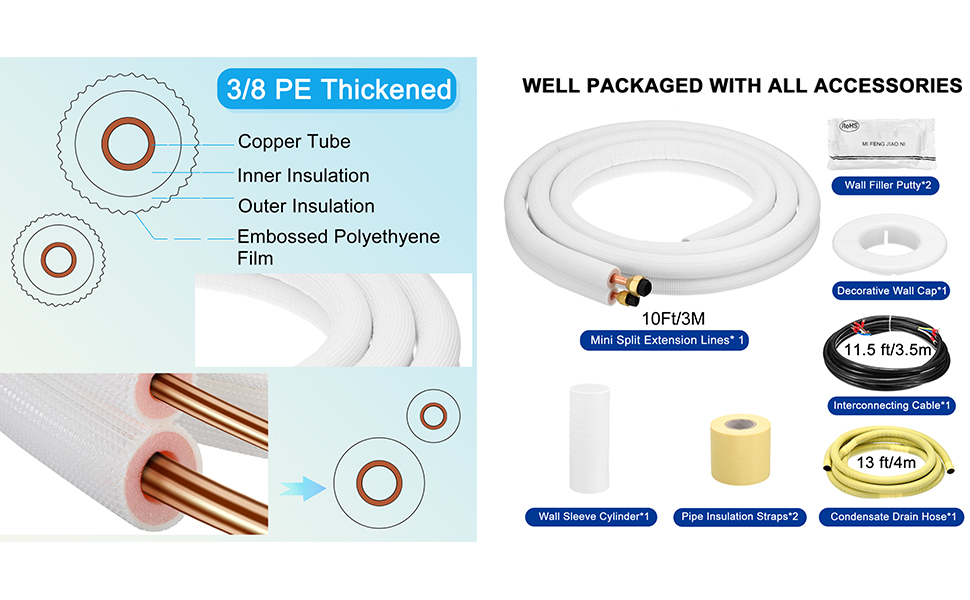
- Copper Tubing: Typically two copper pipes, one for refrigerant liquid and one for refrigerant gas. These are insulated to prevent heat loss or gain.
- Insulation: Wraps the copper tubing to maintain refrigerant temperature and prevent condensation.
- Electrical Wiring: Connects the indoor and outdoor units for power and communication.
- Flare Fittings: Used to create airtight connections between the tubing and the units.
The quality of each component plays a crucial role in the system's efficiency. High-quality copper tubing ensures optimal refrigerant flow, while effective insulation minimizes energy waste.
Why Choose a 100 Ft Mini Split Line Set?
The 100 ft length offers flexibility in placement and installation, but it's essential to understand its implications for performance.
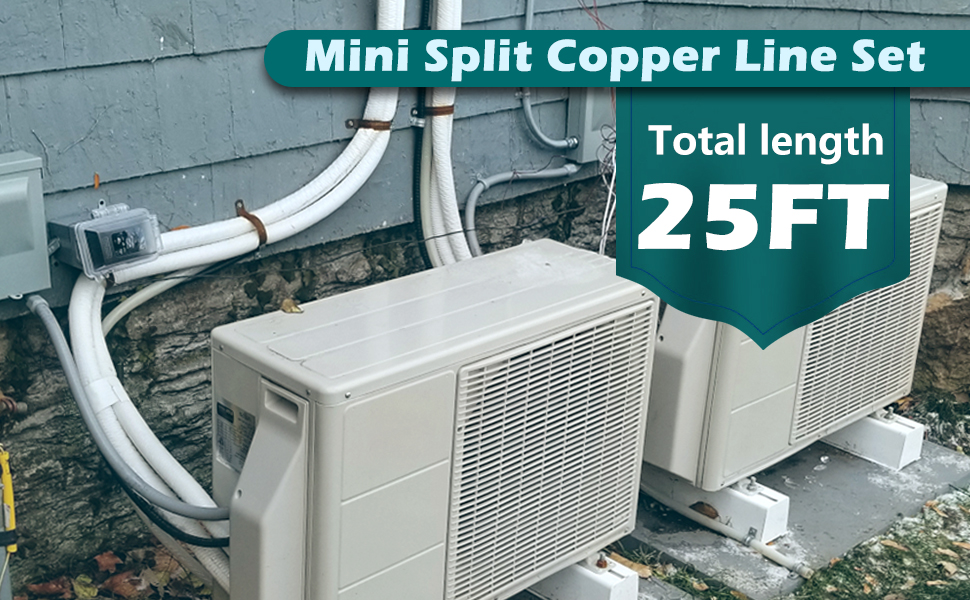
- Extended Reach: Ideal for installations where the indoor and outdoor units need to be located far apart, such as in multi-story buildings or when aesthetic considerations dictate specific placement.
- Potential for Efficiency Loss: Longer line sets can lead to a slight decrease in efficiency due to pressure drop within the refrigerant lines. However, this can be mitigated with proper installation and system calibration.
- Cost Considerations: Longer line sets are inherently more expensive due to the increased material required. Weigh the cost against the flexibility they offer.
According to Energy Star, proper installation is key to maximizing the efficiency of any HVAC system, including mini splits. This is especially true for systems with longer line sets.
Installation Best Practices for 100 Ft Line Sets
Proper installation is paramount to ensuring optimal performance and minimizing energy loss. Consider these best practices:
- Professional Installation: Engaging a qualified HVAC technician is crucial. They have the expertise to properly size the system, install the line set, and calibrate the refrigerant charge.
- Proper Brazing and Flaring: Ensuring airtight connections is essential to prevent refrigerant leaks. Leaks not only reduce efficiency but can also harm the environment.
- Adequate Insulation: Using high-quality insulation that is properly installed will minimize heat transfer and condensation.
- Correct Refrigerant Charge: A precise refrigerant charge is vital for optimal performance. An overcharged or undercharged system will operate inefficiently.
- Vacuuming the Lines: Before releasing the refrigerant, the lines must be thoroughly vacuumed to remove air and moisture, which can compromise system performance.
- Line Set Protection: Protect the exposed line set from the elements and physical damage using line set covers or conduit.
Ignoring these steps can lead to a significant drop in efficiency and potentially shorten the lifespan of your mini split system. Some manufacturers even void warranties if installation is not performed by a certified professional.
Energy Savings and ROI with Mini Split Systems
Mini-split systems are known for their energy efficiency compared to traditional central air conditioning systems. Several factors contribute to these savings:
- Zoned Cooling: Mini-splits allow you to cool only the rooms you're using, eliminating the energy waste associated with cooling unoccupied spaces.
- Inverter Technology: Most modern mini-splits utilize inverter technology, which allows the compressor to operate at variable speeds, adjusting cooling output to match the room's needs. This results in more consistent temperatures and lower energy consumption.
- Ductless Design: The absence of ductwork eliminates energy losses associated with duct leakage, which can account for up to 30% of energy consumption in traditional systems.
A 100 ft line set doesn't negate these benefits, but it's crucial to ensure the system is properly installed and calibrated to account for the longer line length. A properly installed and maintained mini-split system can save homeowners an average of 30% on their cooling costs, according to data from the U.S. Energy Information Administration (EIA).
Smart Home Integration and Advanced Features
Many modern mini-split systems offer smart home integration, allowing you to control and monitor your system remotely via a smartphone or tablet. This integration can further enhance energy savings and convenience.
- Smart Thermostats: Integrate your mini-split with a smart thermostat to create custom schedules and adjust temperatures based on occupancy.
- Remote Monitoring: Monitor your system's performance and energy consumption from anywhere.
- Voice Control: Control your system with voice commands using platforms like Amazon Alexa or Google Assistant.
- Energy Monitoring: Some systems provide detailed energy consumption data, allowing you to identify areas for improvement and optimize your usage.
These smart features, combined with the inherent efficiency of mini-split systems, can help you further reduce your energy bills and create a more comfortable and convenient living environment. Furthermore, smart home integration can help with identifying potential issues with a longer lineset by monitoring performance and alerting users to any drops in efficiency.
Rebates and Incentives
Many utility companies and government agencies offer rebates and incentives for installing energy-efficient HVAC systems, including mini-splits. These incentives can significantly reduce the upfront cost of your system and further improve your ROI.
Check with your local utility company and state energy office to learn about available rebates and incentives. The DSIRE (Database of State Incentives for Renewables & Efficiency) is a comprehensive online resource for finding rebates and incentives for energy-efficient products.
Choosing the Right 100 Ft Line Set: Key Considerations
When selecting a 100 ft mini split line set, consider the following factors:
- Refrigerant Type: Ensure the line set is compatible with the refrigerant used in your mini-split system (e.g., R410A, R32).
- Copper Tubing Quality: Opt for high-quality copper tubing that meets industry standards.
- Insulation Thickness: Choose a line set with adequate insulation thickness to minimize heat transfer.
- UV Resistance: If the line set will be exposed to sunlight, ensure it is UV resistant to prevent degradation of the insulation.
- Manufacturer Reputation: Select a line set from a reputable manufacturer with a proven track record of quality and reliability.
Addressing Potential Drawbacks of Longer Line Sets
While 100 ft line sets offer installation flexibility, they can also present some challenges. These can be largely mitigated with proper setup and maintenance.
- Pressure Drop: As mentioned earlier, longer line sets can experience a greater pressure drop, which can reduce cooling capacity. This can be addressed by properly sizing the system and ensuring adequate refrigerant charge.
- Refrigerant Migration: In colder climates, refrigerant can migrate to the outdoor unit during the off-cycle, leading to reduced starting performance. Using a crankcase heater can help prevent this issue.
- Oil Return: In longer line sets, oil can accumulate in the low points of the lines, reducing lubrication of the compressor. Proper piping practices and oil return strategies can mitigate this issue.
Conclusion: Investing in a 100 Ft Mini Split Line Set for Energy Efficiency
A 100 ft mini split line set provides valuable flexibility for installations where the indoor and outdoor units need to be located far apart. While longer line sets can present some challenges, these can be overcome with proper installation, system calibration, and regular maintenance. By choosing a high-quality line set, adhering to best installation practices, and taking advantage of smart home integration and available rebates, you can maximize the energy savings and ROI of your mini-split system. Remember to consult with a qualified HVAC professional to ensure the right system and line set are selected for your specific needs and to guarantee proper installation and long-term performance. Investing in energy efficiency is not only good for your wallet but also for the environment.