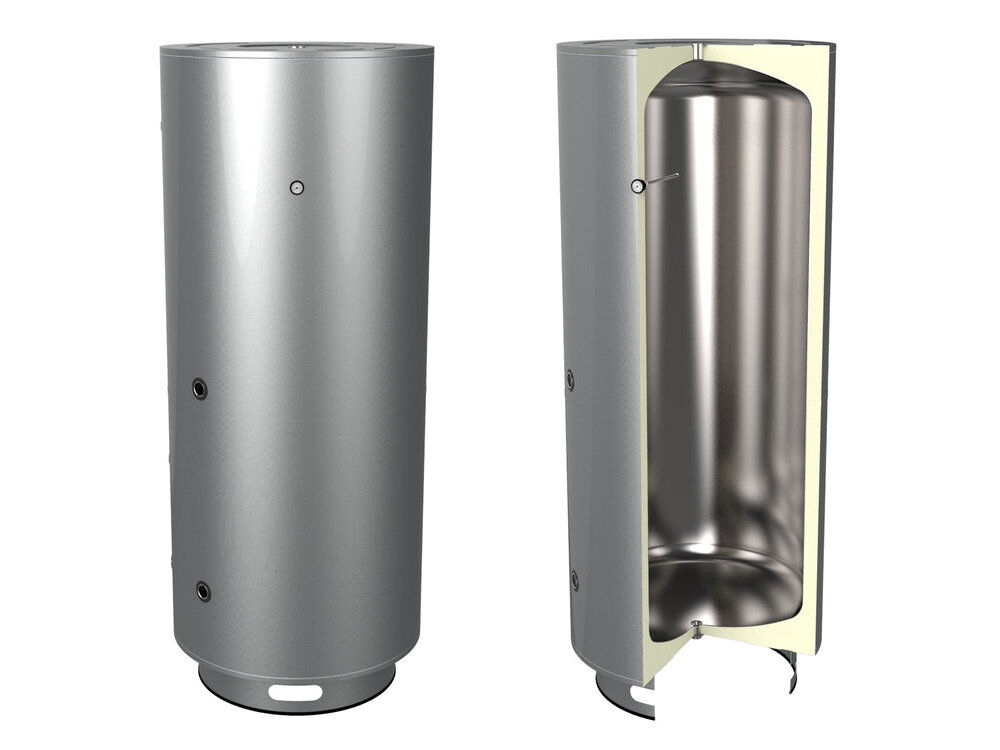
100 Gallon Hot Water Storage Tank

A 100-gallon hot water storage tank is a significant investment for any household. It provides a large supply of hot water, ideal for larger families, homes with high hot water demand, or those seeking to optimize energy efficiency. This guide will provide a comprehensive overview of 100-gallon hot water tanks, helping you understand their benefits, drawbacks, features, and how to choose the right one for your needs.
What is a 100-Gallon Hot Water Tank?
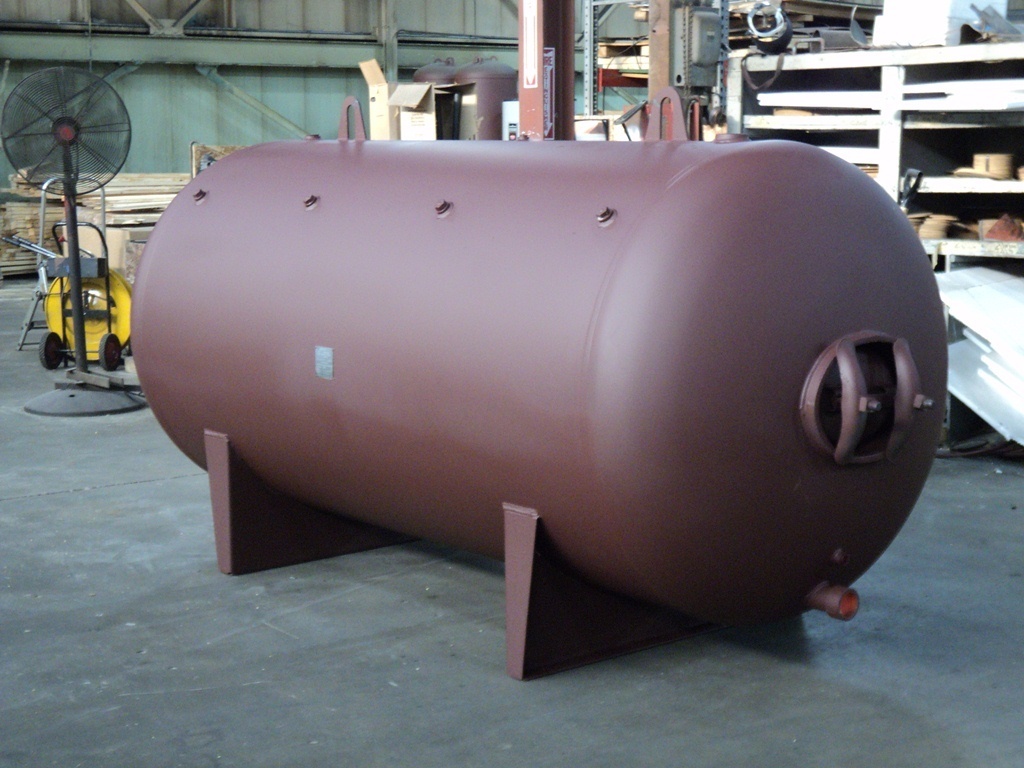
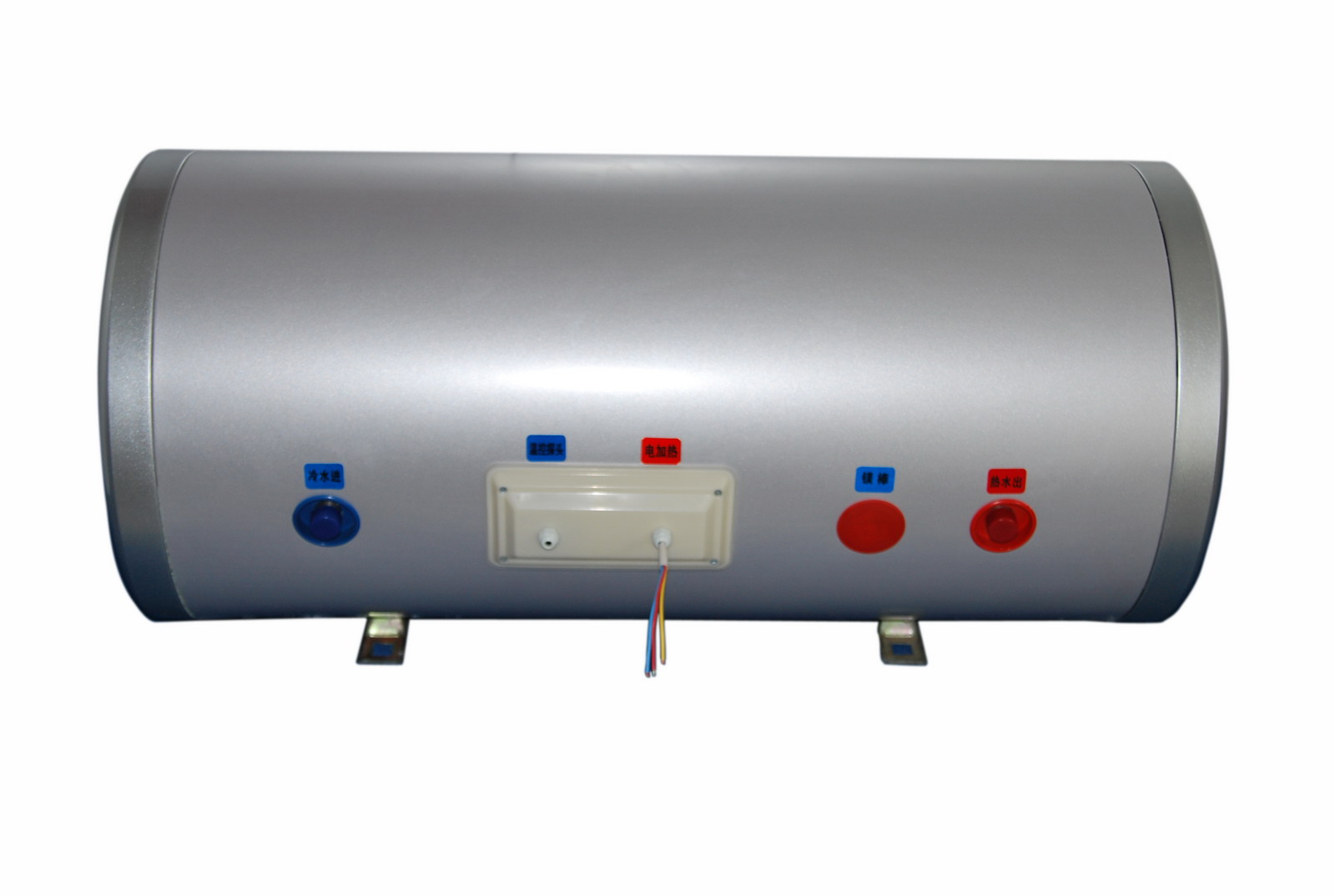
Essentially, a 100-gallon hot water tank is a large, insulated container designed to heat and store water for later use. These tanks are typically powered by electricity, natural gas, or propane. They work by heating the water to a set temperature (usually around 120-140°F) and maintaining that temperature until the hot water is needed.
Key Components:
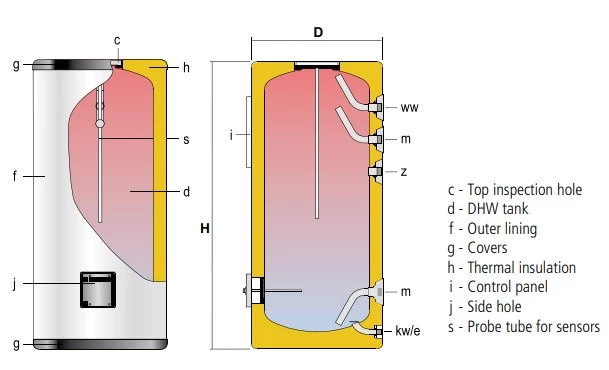
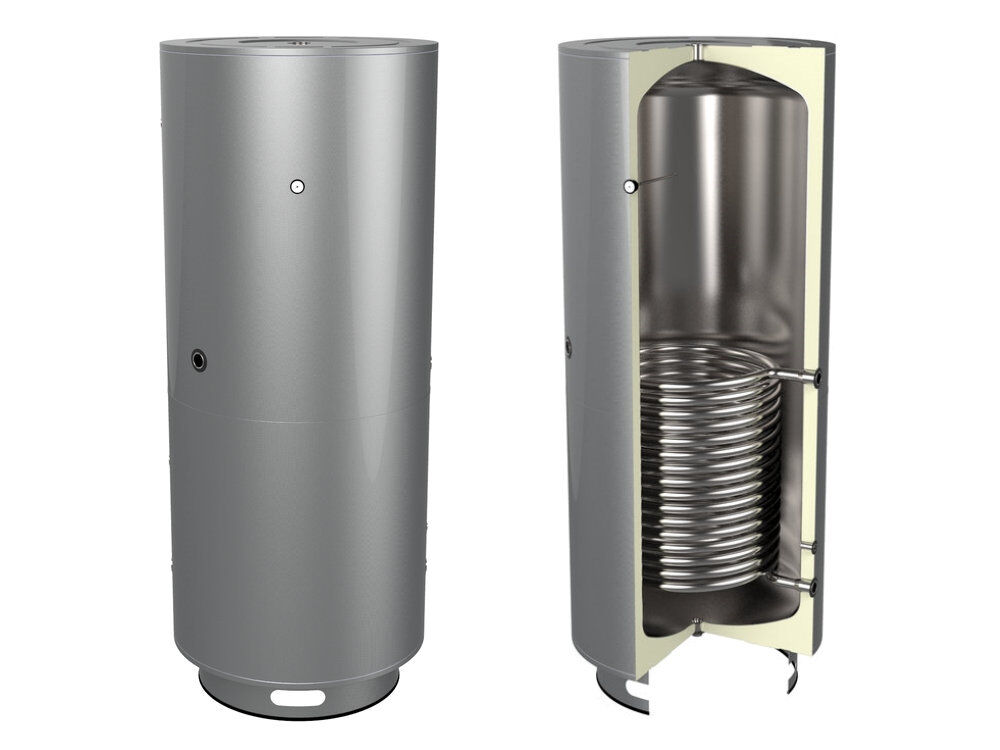
- Tank: The main vessel that holds the water. Made of steel, often lined with porcelain or glass to prevent corrosion.
- Heating Element (Electric): Resistors that heat the water when electricity passes through them.
- Burner (Gas/Propane): A burner that heats the water by burning fuel.
- Thermostat: Controls the temperature of the water and turns the heating element or burner on and off to maintain the set temperature.
- Insulation: Surrounds the tank to minimize heat loss and maintain water temperature. Better insulation results in higher energy efficiency.
- Dip Tube: Brings cold water into the tank from the bottom, preventing it from mixing with the already heated water at the top.
- Anode Rod: A sacrificial rod (usually made of magnesium or aluminum) that corrodes instead of the tank itself, extending the tank's lifespan. Regular replacement of the anode rod is crucial!
- Pressure Relief Valve: Releases excess pressure in the tank to prevent explosions. A critical safety feature.
When is a 100-Gallon Hot Water Tank a Good Choice?
Deciding if a 100-gallon tank is right for you depends on your specific circumstances. Consider these factors:
- Household Size: Larger households (4+ people) generally benefit most from a 100-gallon tank, especially if multiple showers or appliances are used simultaneously.
- Hot Water Demand: Do you frequently run multiple showers, dishwashers, and washing machines at the same time? High demand necessitates a larger tank.
- Frequency of Use: If you have consistent hot water needs throughout the day, a larger tank can be more efficient than a smaller tank that constantly cycles on and off.
- Space Availability: 100-gallon tanks are physically large. Ensure you have adequate space in your basement, garage, or utility room.
- Energy Efficiency Goals: While a larger tank holds more water, modern, well-insulated 100-gallon tanks can be quite energy-efficient, especially when compared to older, less efficient models.
Think of it this way: A 100-gallon tank is like having a large reservoir. If you consistently need a significant amount of water, the reservoir is useful. If you only need a small amount occasionally, a smaller tank or a tankless system might be a better fit.
Types of 100-Gallon Hot Water Tanks
100-gallon hot water tanks primarily come in two fuel source types:
Electric Hot Water Tanks:
These tanks use electric heating elements to heat the water. They are typically less expensive to purchase upfront but can be more expensive to operate depending on electricity rates in your area.
- Pros: Lower initial cost, easier installation (generally), no venting required.
- Cons: Potentially higher operating costs (depending on electricity rates), can put a strain on electrical systems.
Gas (Natural Gas or Propane) Hot Water Tanks:
These tanks use a gas burner to heat the water. They often have lower operating costs than electric tanks, especially if natural gas is readily available and affordable. However, they require proper venting to the outside.
- Pros: Lower operating costs (typically), faster heating times.
- Cons: Higher initial cost, requires venting, more complex installation.
Features to Consider When Choosing a 100-Gallon Hot Water Tank
Several features can impact the performance, efficiency, and lifespan of a 100-gallon hot water tank:
- Energy Efficiency (EF Rating): The Energy Factor (EF) rating indicates how efficiently the tank converts energy into hot water. A higher EF rating means greater energy savings. Look for tanks with an EF rating of 0.67 or higher.
- Insulation: Better insulation reduces heat loss and keeps the water hotter for longer, reducing energy consumption. Look for tanks with a high R-value (resistance to heat flow).
- Smart Features: Some modern tanks come with smart features like Wi-Fi connectivity, leak detection, and energy usage monitoring. These features can provide valuable insights and control over your hot water usage.
- Warranty: A longer warranty period indicates the manufacturer's confidence in the product's durability. Look for tanks with at least a 6-year warranty on the tank and components. Some offer even longer warranties.
- Anode Rod Type: While magnesium anode rods are common, aluminum or powered anode rods can offer longer lifespan and better protection against corrosion in certain water conditions. Consider your water quality when selecting an anode rod type.
- Self-Cleaning Features: Some tanks have features designed to reduce sediment buildup at the bottom of the tank. Sediment can reduce efficiency and lifespan.
Installation and Maintenance
Professional Installation is Highly Recommended: Installing a 100-gallon hot water tank, especially a gas-powered one, is not a DIY project. Hire a licensed plumber to ensure proper installation and adherence to local codes. Improper installation can be dangerous and void the warranty.
Maintenance Tips:
- Flush the Tank Regularly: At least once a year, flush the tank to remove sediment buildup. This improves efficiency and extends the tank's lifespan.
- Replace the Anode Rod: The anode rod is a sacrificial component and will eventually corrode away. Replace it every 3-5 years, or as recommended by the manufacturer. This is crucial for preventing tank corrosion.
- Inspect the Pressure Relief Valve: Test the pressure relief valve periodically to ensure it's functioning correctly.
- Check for Leaks: Regularly inspect the tank and surrounding area for any signs of leaks. Address leaks promptly to prevent further damage.
- Maintain Proper Ventilation (Gas Tanks): Ensure adequate ventilation around gas tanks to prevent carbon monoxide buildup.
Cost Considerations
The cost of a 100-gallon hot water tank includes several factors:
- Purchase Price: The cost of the tank itself can range from several hundred to over a thousand dollars, depending on the type, brand, and features.
- Installation Costs: Professional installation can add several hundred dollars to the overall cost.
- Operating Costs: Consider the ongoing costs of heating the water, which will depend on your fuel source (electricity, gas, propane) and energy usage habits.
- Maintenance Costs: Factor in the cost of anode rod replacement and other maintenance tasks.
Do the Math: While a 100-gallon tank may have a higher upfront cost, it can potentially save you money in the long run if it meets your hot water needs efficiently and reduces the need for frequent replacements. Calculate the total cost of ownership, including purchase price, installation, operating costs, and maintenance, to make an informed decision.
Alternatives to 100-Gallon Hot Water Tanks
If a 100-gallon tank seems too large or inefficient for your needs, consider these alternatives:
- Tankless Water Heaters: These units heat water on demand, eliminating the need for a storage tank. They can be more energy-efficient for households with low or intermittent hot water demand.
- Heat Pump Water Heaters: These highly efficient water heaters use heat pump technology to transfer heat from the surrounding air to the water. They can save significant energy compared to traditional electric tanks.
- Smaller Storage Tank Water Heaters: If a 100-gallon tank is overkill, consider a smaller tank that better matches your hot water needs.
Making the Right Choice
Choosing the right hot water tank is a significant decision that can impact your comfort, energy bills, and home value. By carefully considering your hot water needs, household size, budget, and energy efficiency goals, you can select the best option for your situation.
Consult a Professional: If you're unsure which type or size of hot water tank is right for you, consult with a qualified plumber. They can assess your needs and recommend the best solution based on your specific circumstances. A professional plumber can provide valuable insights and ensure proper installation for optimal performance and safety.
In summary, a 100-gallon hot water tank can be a great solution for large households with high hot water demands, but it's crucial to weigh the pros and cons, consider all the factors discussed above, and choose a unit that fits your specific needs and budget. Remember to prioritize energy efficiency, proper installation, and regular maintenance to maximize the lifespan and performance of your investment.