100 Lb Propane Tank Fitting Size
Understanding 100 Lb Propane Tank Fitting Sizes for Your HVAC Needs
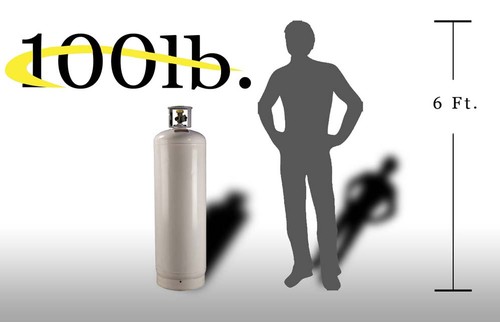
Propane powers many home appliances, from furnaces and water heaters to stoves and dryers. If you're using a 100 lb propane tank, understanding the fitting sizes is crucial for safe and efficient operation, whether you're a homeowner performing basic maintenance or a DIY enthusiast tackling minor repairs. This article will guide you through the essential aspects of 100 lb propane tank fittings, helping you troubleshoot issues and determine when to call a qualified HVAC professional.
Identifying the Key Fitting on a 100 Lb Propane Tank
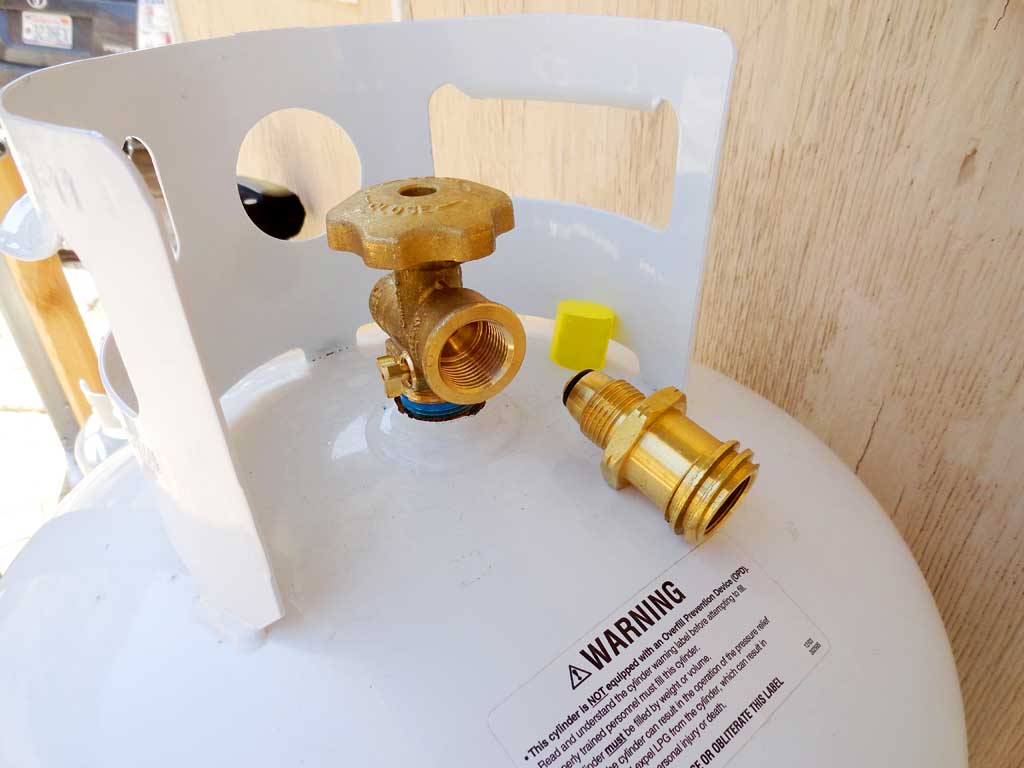
The primary fitting you'll encounter on a 100 lb propane tank is the POL (Prest-O-Lite) valve. This is the connection point where your propane regulator attaches. Understanding its characteristics is vital.
POL Valve Specifications:
- Thread Type: CGA 510 (compressed gas association)
- Connection: Inverted flare
- Function: Controls propane flow and connects to the regulator
Most regulators designed for 100 lb propane tanks will have a matching POL fitting. However, it's always a good idea to double-check compatibility before connecting anything.
Tools You'll Need When Working with Propane Tank Fittings
Before you even *think* about touching any propane fittings, gather the necessary tools. Safety is paramount!
- Wrench Set: Including adjustable wrenches to fit the POL valve and regulator fittings.
- Leak Detector Solution: A specialized solution designed to detect propane leaks. Never use soapy water as it can leave residue that interferes with future leak detection.
- Gloves: To protect your hands.
- Safety Glasses: To shield your eyes.
- Pipe Dope (Propane-Resistant): For sealing threaded connections. Make sure it's specifically rated for propane use.
Important Safety Tip: Never use Teflon tape on propane fittings. Teflon tape is not compatible with propane and can lead to leaks.
Connecting and Disconnecting the Regulator: A Step-by-Step Guide
Connecting and disconnecting the regulator from your 100 lb propane tank is a fundamental skill. Follow these steps carefully:
- Turn off the tank valve: Rotate the valve clockwise until it's fully closed.
- Remove the old regulator (if applicable): Use a wrench to loosen the POL fitting nut on the regulator. Turn counter-clockwise.
- Inspect the POL valve and regulator fitting: Check for damage, debris, or corrosion. Clean or replace components as needed.
- Apply pipe dope: If you are using a threaded connection, apply a small amount of propane-resistant pipe dope to the *male* threads of the regulator fitting.
- Connect the regulator: Align the regulator fitting with the POL valve and hand-tighten the nut.
- Tighten with a wrench: Use a wrench to tighten the nut securely. Do not overtighten, as this can damage the fitting.
- Leak Test: Open the tank valve *slowly*. Apply leak detector solution to all connections. If bubbles appear, tighten the fitting further or re-apply pipe dope.
Warning: If you cannot stop a leak, immediately close the tank valve and call a qualified HVAC technician or your propane supplier.
Troubleshooting Common Fitting Issues
Even with careful installation, problems can arise. Here are some common issues you might encounter with your 100 lb propane tank fittings:
- Leaks: This is the most serious issue. Check for leaks using leak detector solution. If you find a leak, tighten the fitting or replace the damaged component.
- Corrosion: Corrosion can weaken fittings and cause leaks. Clean corroded fittings with a wire brush and apply a protective coating. Replace severely corroded fittings.
- Damaged Threads: Damaged threads can prevent a secure connection. Replace the damaged fitting.
- Regulator Failure: A faulty regulator can cause erratic propane flow. Test the regulator with a manometer or replace it if necessary.
- Frozen Regulator: Can happen in very cold weather. You can try pouring warm (not hot) water over the regulator to thaw it. If the problem persists, consult a professional.
When to Call a Professional HVAC Technician
While some propane tank fitting issues can be resolved with DIY methods, others require the expertise of a qualified HVAC technician. It’s always best to err on the side of caution. Here are situations where you should call a professional:
- You smell a strong odor of propane, even after leak testing. This indicates a significant leak that needs immediate attention.
- You are uncomfortable working with propane. Propane is flammable and can be dangerous if not handled properly.
- You suspect a problem with the tank itself. Do not attempt to repair a damaged propane tank.
- You are unsure of the proper fitting sizes or connection procedures. Incorrect connections can lead to leaks and other problems.
- You are experiencing persistent problems with your propane appliances. This could indicate a more serious issue with the propane supply system.
- The regulator is icing up frequently. Icing can indicate a problem with the regulator itself or the propane supply.
Cost Considerations for Propane Tank Fitting Repairs
The cost of repairing propane tank fittings can vary depending on the nature of the problem. Here's a general estimate:
- Replacing a POL valve: $50 - $100 (including labor)
- Replacing a regulator: $80 - $200 (including labor)
- Leak repair (minor): $75 - $150 (service call and minor repairs)
- Leak repair (major): $200 - $500+ (depending on the complexity of the repair)
These are just estimates, and the actual cost may vary depending on your location and the specific contractor you hire. Always get multiple quotes before proceeding with any repairs.
Understanding Other Fittings in a Propane System (Beyond the Tank)
While the POL valve is the primary fitting on the tank itself, other fittings exist throughout your propane system, connecting the tank to your appliances. These fittings are typically NPT (National Pipe Thread) fittings. Sizes vary depending on the appliance and the length of the gas line. Common sizes include 1/2 inch, 3/4 inch, and 3/8 inch. When working on these fittings, always use pipe dope rated for propane gas.
Selecting the Right Propane Hose
The propane hose connects the regulator to the gas piping within your home. Ensure that the hose you choose is approved for propane use and is of the correct length and diameter for your system. A typical hose has a fitting to connect to the regulator and an NPT fitting on the other end to connect to the piping. Inspect the hose regularly for cracks or damage. Replace it immediately if you find any problems.
Preventative Maintenance for Your Propane System
Regular maintenance can help prevent problems with your propane system and extend the life of your equipment:
- Inspect fittings regularly for leaks. Use leak detector solution to check all connections.
- Clean corroded fittings. Use a wire brush to remove corrosion and apply a protective coating.
- Replace damaged fittings promptly. Damaged fittings can lead to leaks and other problems.
- Have your propane system inspected annually by a qualified HVAC technician. This will help identify potential problems before they become serious.
- Keep the area around your propane tank clear of debris. This will help prevent corrosion and other damage.
Final Thoughts
Understanding the fitting sizes on your 100 lb propane tank, especially the POL valve, is essential for safe and efficient operation. By following the steps outlined in this guide and taking appropriate safety precautions, you can perform basic maintenance and troubleshoot common issues. However, always remember that propane can be dangerous if not handled properly. When in doubt, call a qualified HVAC technician. Your safety and the safety of your family are paramount.