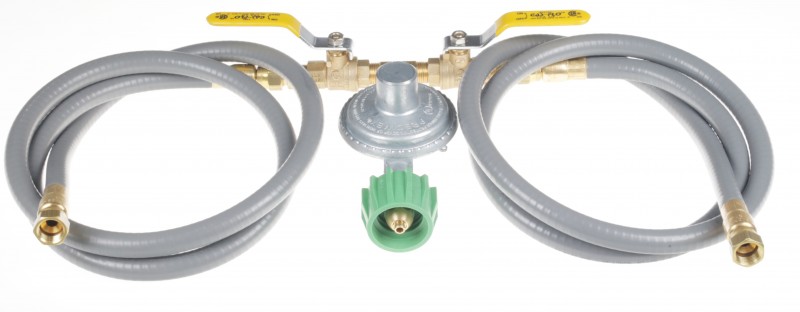
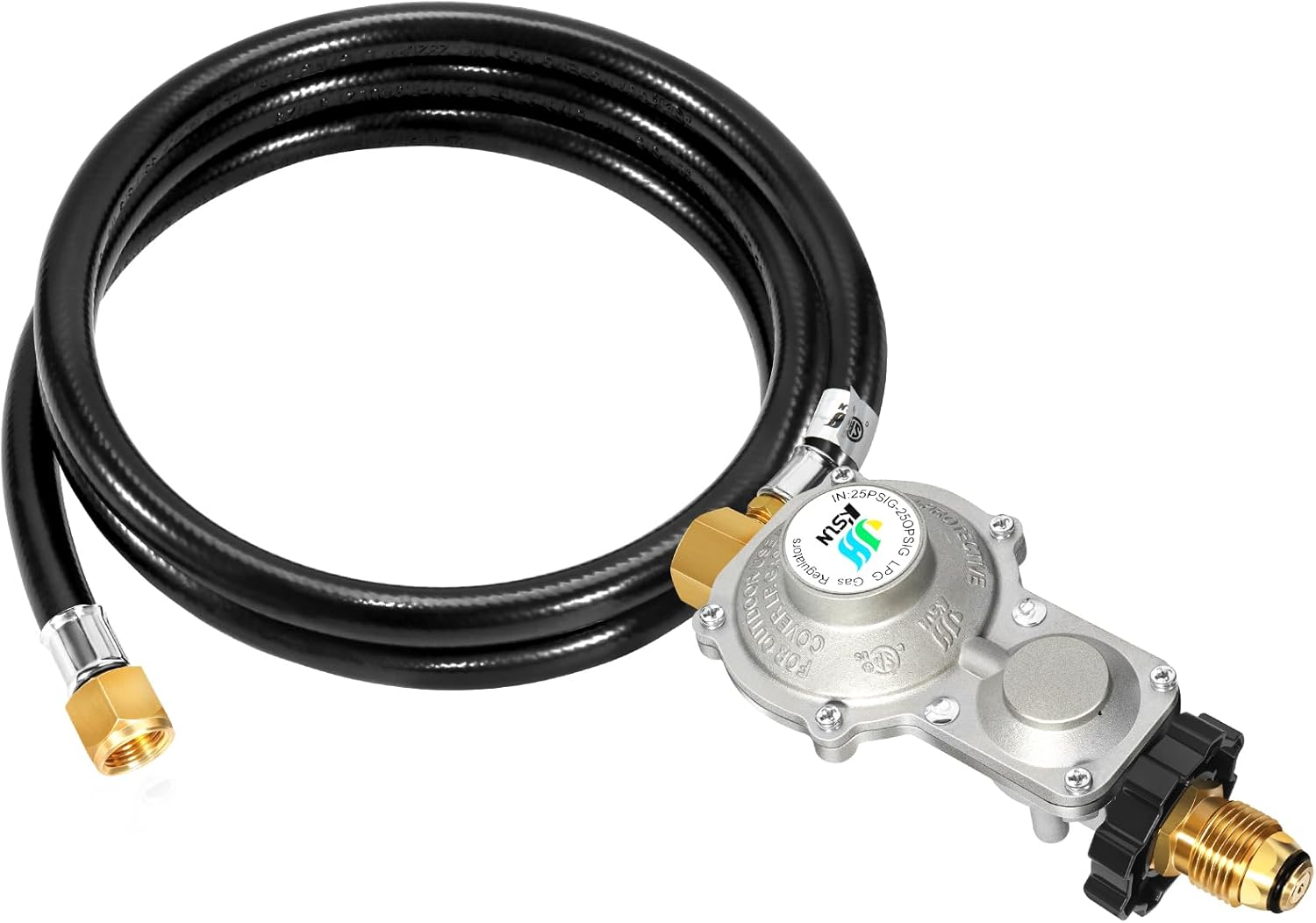
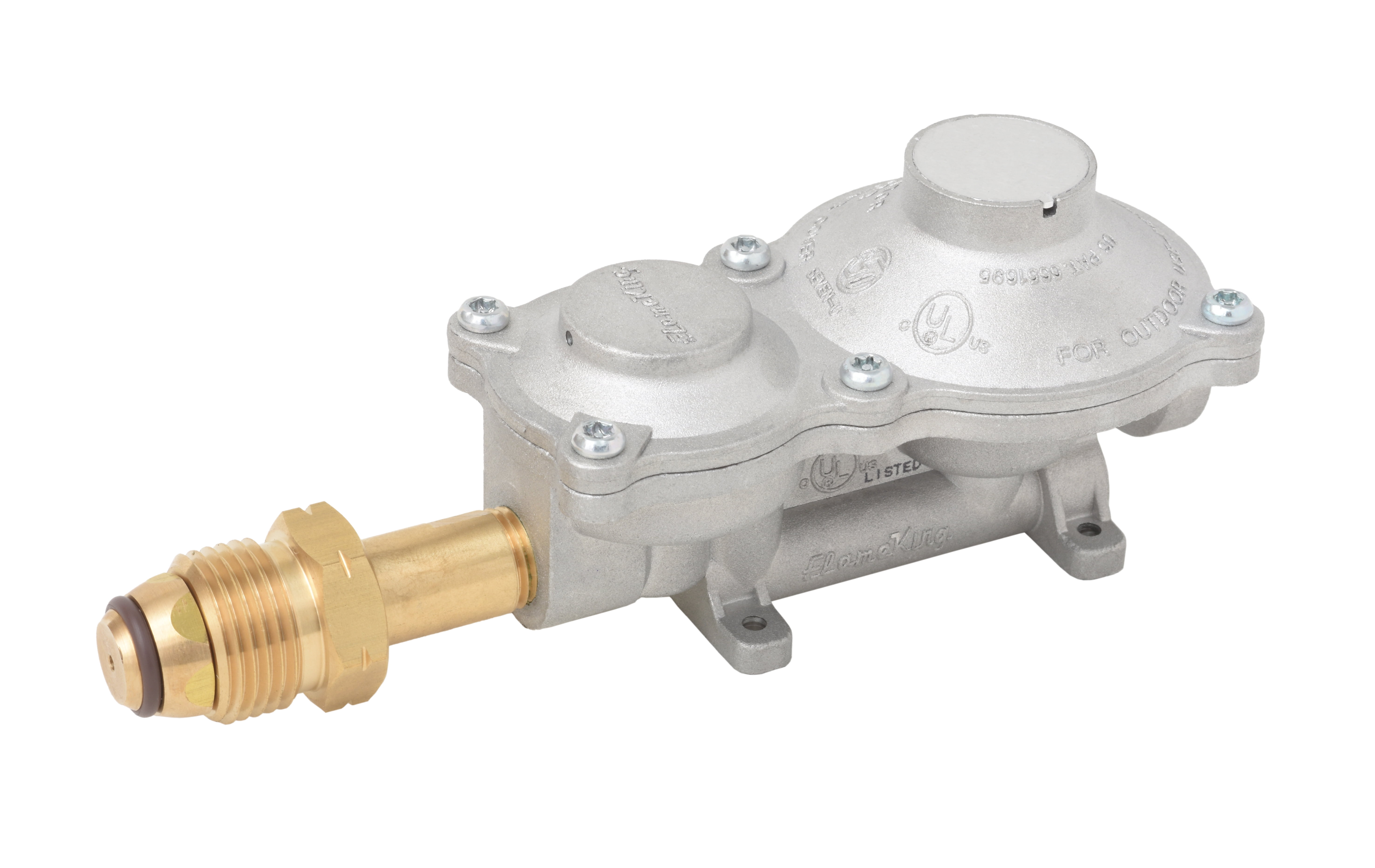
100 Lb Propane Tank Regulator And Hose
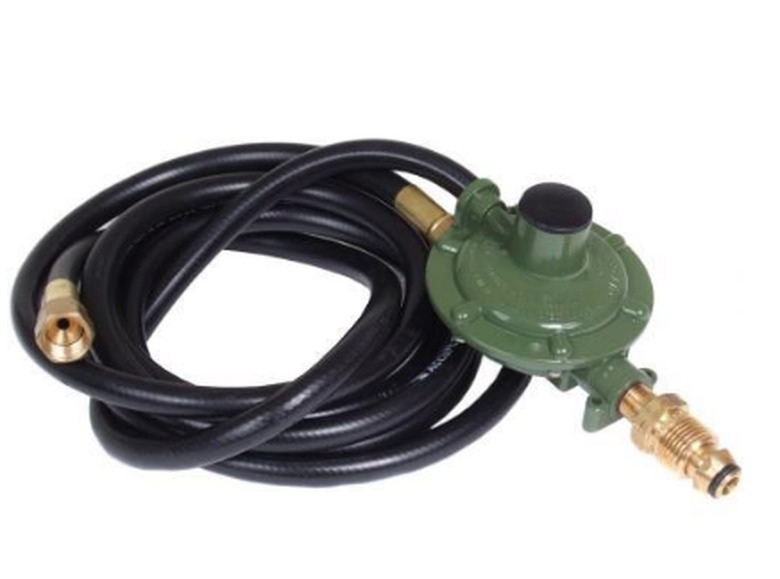
Propane, a versatile and efficient fuel source, powers everything from home heating and cooking to outdoor grills and industrial equipment. Ensuring its safe and efficient delivery hinges on a crucial component: the propane tank regulator and hose. While often overlooked, choosing the right regulator and hose for your 100 lb propane tank significantly impacts safety, performance, and, ultimately, your energy bill. This article delves into the details of selecting, installing, and maintaining these vital parts, with a focus on maximizing energy efficiency and minimizing costs.
Understanding the 100 lb Propane Tank Regulator
The primary function of a propane regulator is to reduce the high pressure of propane gas stored in the tank (typically around 100-200 PSI) to a lower, usable pressure (usually 11 inches water column, or 0.4 PSI) required by appliances. Without a regulator, the high-pressure gas would damage or destroy your equipment.
Types of Regulators for 100 lb Tanks
There are typically two types of regulators suitable for 100 lb propane tanks:
- Single-Stage Regulators: These regulators perform the pressure reduction in a single step. They are generally less expensive and suitable for most residential applications, like powering a grill or a single appliance. However, they can be more susceptible to pressure fluctuations, especially with varying tank levels.
- Two-Stage Regulators: As the name suggests, these regulators reduce the pressure in two stages, providing a more consistent and stable output pressure, even as the propane tank nears empty or experiences large demand fluctuations. They are recommended for more demanding applications, such as whole-house heating systems or when multiple appliances are connected to the same tank. A two-stage regulator enhances safety and efficiency, offering better fuel economy.
Key Features to Consider
When selecting a regulator, consider the following factors:
- BTU Rating: Ensure the regulator's BTU (British Thermal Unit) rating meets or exceeds the total BTU requirements of all appliances it will supply. Undersized regulators can lead to performance issues and even appliance damage.
- Construction Material: Look for durable materials like brass or stainless steel to withstand the elements and resist corrosion.
- Over-Pressure Protection (OPD): OPD devices are crucial safety features that automatically shut off the gas flow if the outlet pressure exceeds a safe level. This helps prevent dangerous leaks and explosions.
- Adjustability: Some regulators offer adjustable outlet pressure, allowing you to fine-tune the gas flow to your appliances. However, unless you're an experienced technician, it's best to avoid adjusting the pressure yourself.
- Vent Location: Check the vent location. It should be positioned to prevent water or debris from entering the regulator, which can cause malfunctions.
The Propane Tank Hose: A Critical Link
The propane hose connects the regulator to the appliance. It must be specifically designed for propane use, constructed of materials resistant to propane's corrosive properties and capable of withstanding high pressures. Using a hose not rated for propane is extremely dangerous.
Choosing the Right Hose
Here's what to look for in a propane hose:
- Material: Propane hoses are typically made of reinforced rubber or thermoplastic materials. Look for hoses labeled "LP Gas" or "Propane."
- Length: Choose a hose length that is adequate for your setup but avoid excessive length, as it can create unnecessary bends and potential leak points.
- Fittings: Ensure the hose fittings are compatible with both the regulator and the appliance. Common fittings include POL (used to connect to the tank valve) and various NPT (National Pipe Thread) sizes.
- Date Code: Propane hoses have a limited lifespan, typically 5-10 years. Check the date code on the hose and replace it if it's past its expiration date.
- Kink Resistance: Opt for hoses designed to resist kinking, as kinks can restrict gas flow and damage the hose.
Installation and Safety Best Practices
Proper installation is paramount for safety and efficiency. Always follow these guidelines:
- Professional Installation: While some homeowners may be comfortable with basic plumbing tasks, it's generally recommended to have a qualified HVAC technician or propane professional install the regulator and hose, especially for whole-house heating systems.
- Leak Testing: After installation, always perform a leak test using a soapy water solution. Apply the solution to all connections and look for bubbles, which indicate a leak. Never use a flame to test for leaks.
- Proper Ventilation: Ensure the propane tank and appliances are located in well-ventilated areas to prevent gas buildup.
- Regular Inspections: Inspect the regulator, hose, and connections regularly for signs of wear, damage, or leaks. Replace any damaged components immediately.
- Emergency Shut-Off: Know the location of the shut-off valve on the propane tank and how to use it in case of an emergency.
Maximizing Energy Efficiency with Your Propane System
Beyond the regulator and hose, several factors contribute to the overall energy efficiency of your propane system:
- Appliance Efficiency: Choose Energy Star certified propane appliances whenever possible. These appliances meet strict energy efficiency standards, saving you money on your energy bills. For instance, high-efficiency propane furnaces can achieve AFUE (Annual Fuel Utilization Efficiency) ratings of 95% or higher, compared to older models that may only be 70-80% efficient. This translates to significant fuel savings over the long term.
- Proper Insulation: Ensure your home or business is adequately insulated to minimize heat loss. Proper insulation can reduce your heating and cooling costs by as much as 30%.
- Smart Thermostats: Integrating a smart thermostat into your propane-powered heating system allows you to program temperature settings based on your schedule and occupancy patterns. Some smart thermostats even learn your preferences and automatically adjust the temperature to optimize energy savings. They also offer remote control via smartphone, allowing you to adjust the temperature from anywhere. According to the EPA, smart thermostats can save homeowners an average of 8% on heating and cooling costs.
- Tank Location: Position your propane tank in a location that minimizes exposure to extreme temperatures. Direct sunlight or cold drafts can affect propane vaporization and pressure, impacting appliance performance.
- Regular Maintenance: Schedule regular maintenance for your propane appliances, including cleaning burners, checking vents, and inspecting the regulator and hose. Regular maintenance ensures optimal performance and extends the lifespan of your equipment.
Smart Home Integration and Propane Systems
The integration of smart home technology with propane systems is rapidly evolving, offering homeowners and businesses greater control over their energy consumption and safety. Consider these smart features:
- Smart Leak Detectors: Wireless propane leak detectors can provide early warning of gas leaks, allowing you to take immediate action to prevent accidents. These detectors can send alerts to your smartphone or trigger an alarm, providing peace of mind.
- Remote Tank Monitoring: Some propane suppliers offer remote tank monitoring services that allow you to track your propane level online or via a mobile app. This eliminates the guesswork of knowing when to order a refill, ensuring you never run out of propane.
- Smart Appliance Control: Future smart appliances may offer features like remote control and energy monitoring, allowing you to optimize their performance and reduce energy consumption.
Financial Incentives and Rebates
Many states and local governments offer financial incentives and rebates for upgrading to energy-efficient propane appliances and systems. Check with your local utility company or state energy office to see what programs are available in your area. The Propane Education & Research Council (PERC) also provides information on rebates and incentives.
"Investing in energy-efficient propane appliances and smart home technology not only reduces your energy bills but also contributes to a more sustainable future."
Troubleshooting Common Problems
Even with proper installation and maintenance, propane systems can sometimes experience problems. Here are some common issues and their potential solutions:
- Low Flame: A low flame can be caused by a low propane level, a clogged burner, or a malfunctioning regulator. Check the propane level first and refill the tank if necessary. Clean the burner with a wire brush or compressed air. If the problem persists, have the regulator inspected by a qualified technician.
- Pilot Light Goes Out: A dirty pilot orifice, a draft, or a faulty thermocouple can cause the pilot light to go out. Clean the pilot orifice with a small wire or needle. Shield the pilot light from drafts. If the problem continues, replace the thermocouple.
- Propane Odor: A propane odor indicates a leak. Immediately turn off the gas at the tank, evacuate the area, and contact a qualified propane technician.
- Regulator Freezing: In cold weather, regulators can sometimes freeze due to moisture in the propane. This can be prevented by using a two-stage regulator or by installing a regulator heater.
Conclusion
The 100 lb propane tank regulator and hose are essential components of any propane system. Choosing the right components, ensuring proper installation, and performing regular maintenance are crucial for safety, efficiency, and cost savings. By investing in energy-efficient appliances, integrating smart home technology, and taking advantage of available rebates, you can maximize the benefits of propane as a clean and reliable energy source. Remember to prioritize safety above all else, and consult with qualified professionals for any complex installations or repairs. By taking a proactive approach to propane system management, you can enjoy years of reliable and cost-effective performance.