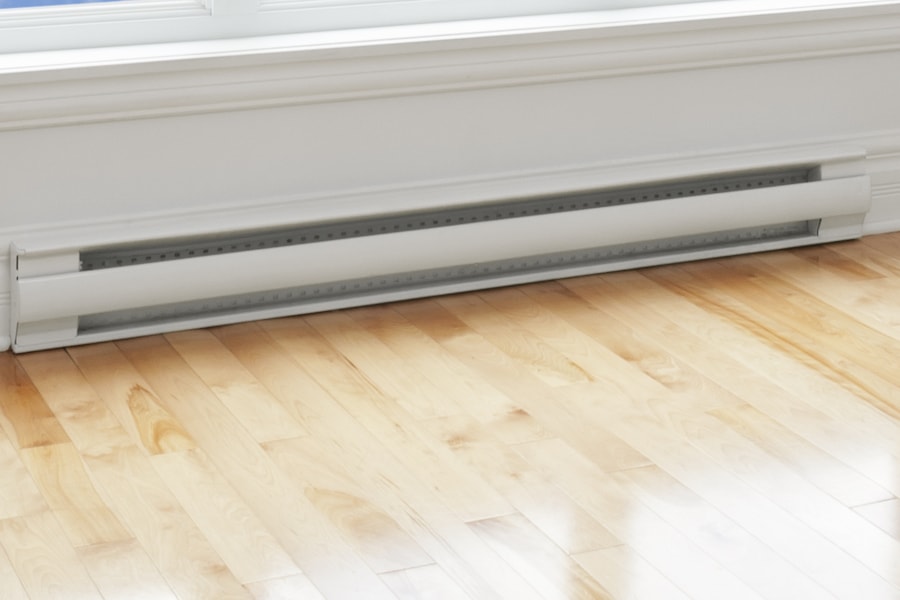
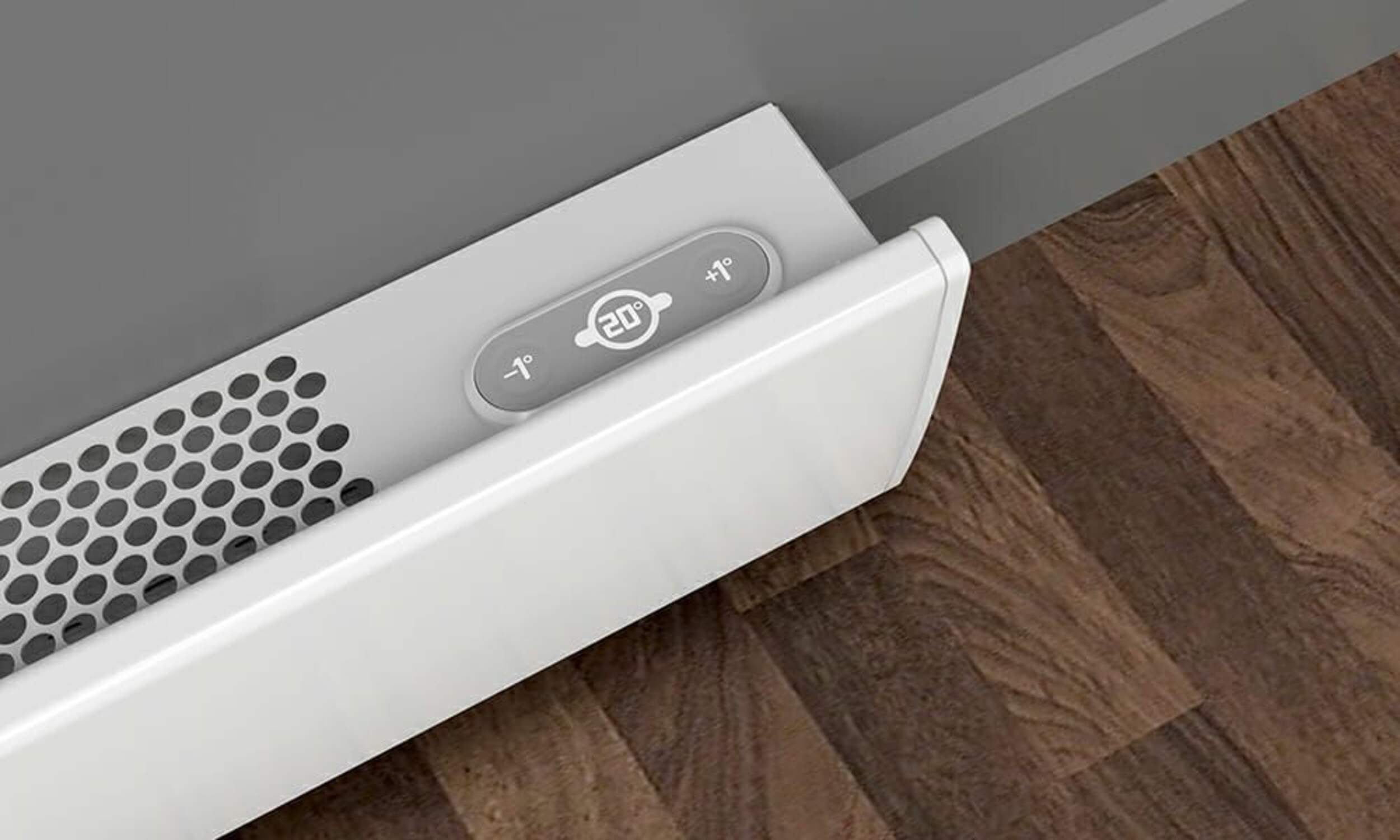
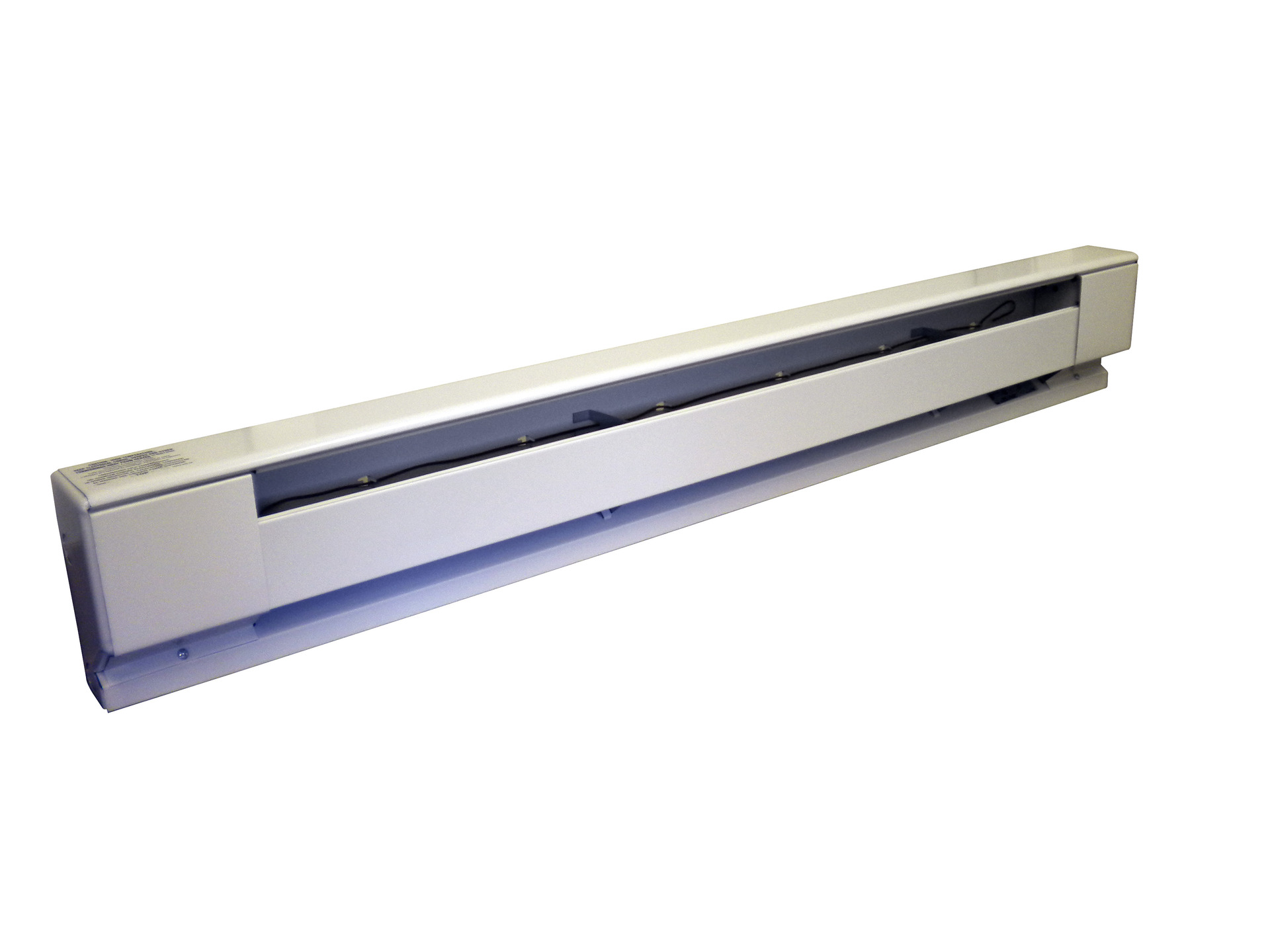
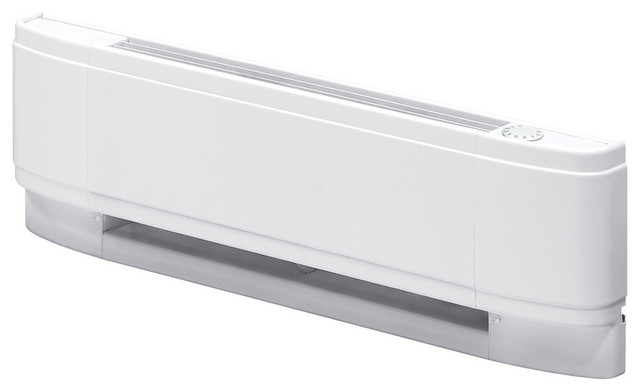
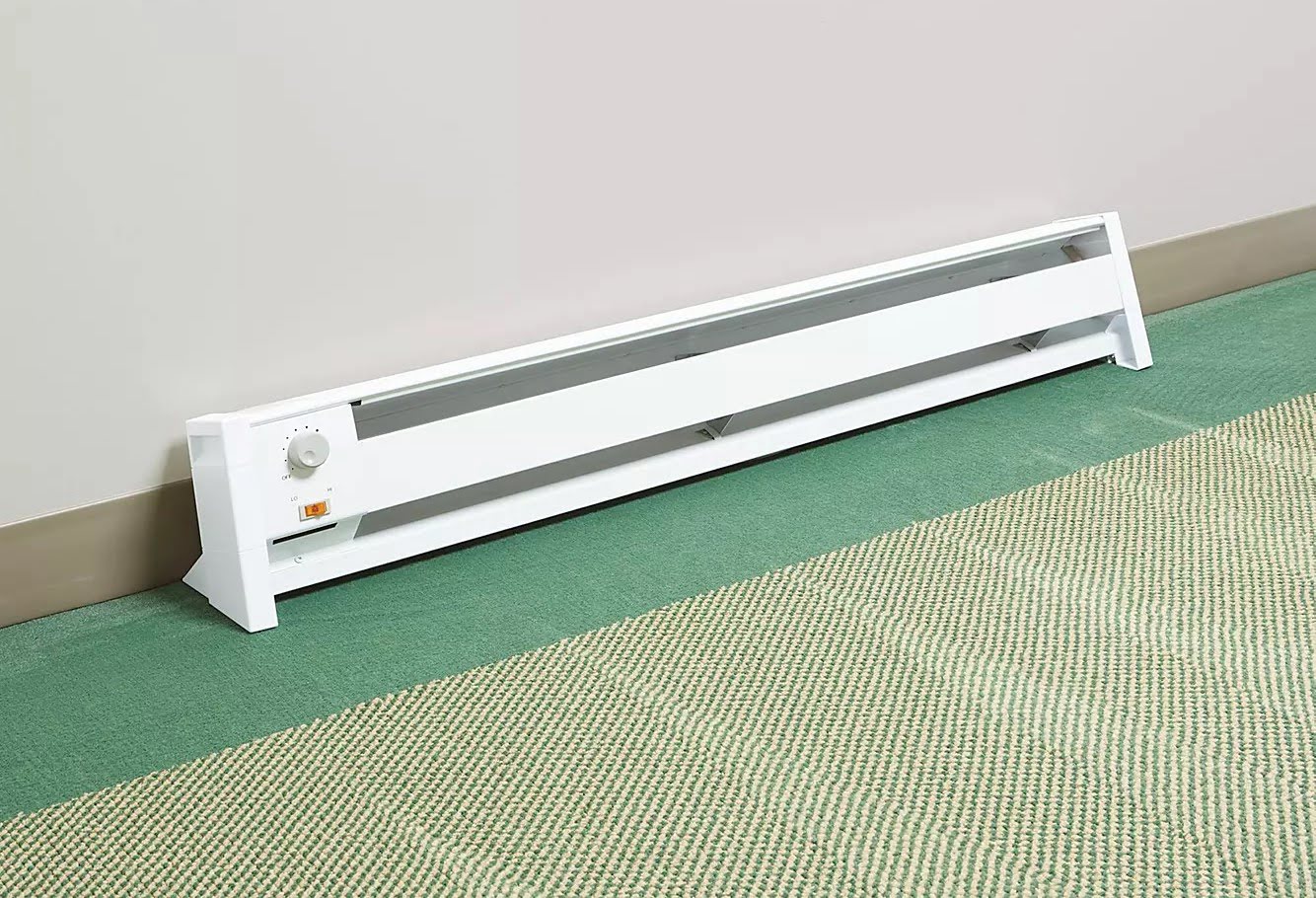
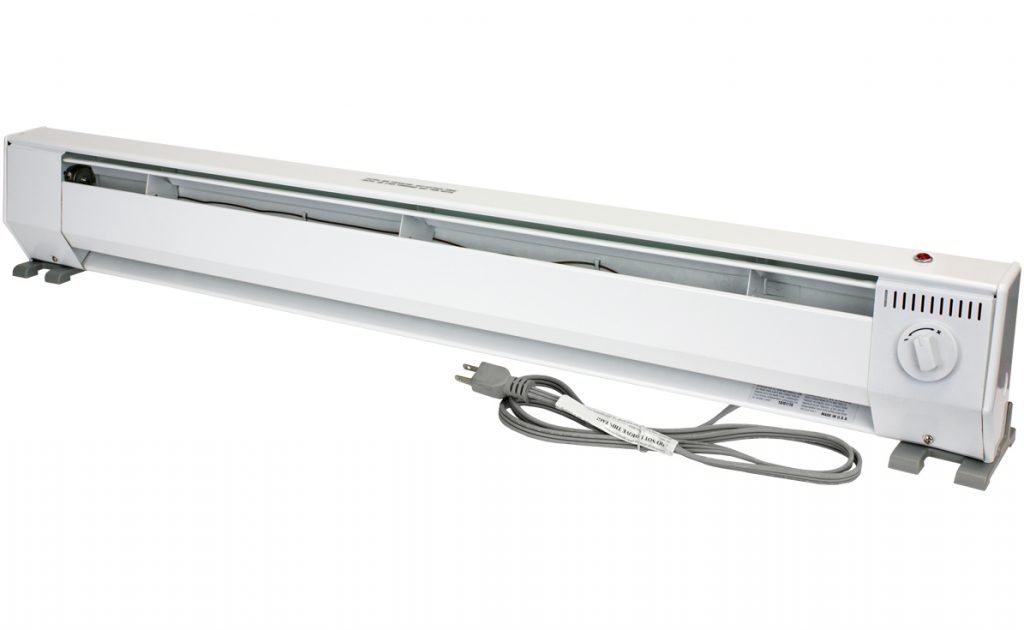
110 Volt Baseboard Heater With Thermostat
Unlocking Energy Savings: A Deep Dive into 110 Volt Baseboard Heaters with Thermostats
Baseboard heaters have long been a staple in residential and commercial heating systems, offering a simple and relatively inexpensive way to provide warmth. While often perceived as energy hogs, advancements in technology, particularly the integration of thermostats and smart home systems, are reshaping the narrative. This article explores the nuances of 110 volt baseboard heaters with thermostats, delving into their energy efficiency, cost-effectiveness, and integration possibilities.
Understanding 110 Volt Baseboard Heaters
110 volt baseboard heaters are electric resistance heaters that operate on standard household current. Unlike their 220/240 volt counterparts, which require dedicated circuits and higher amperage, 110 volt heaters can be plugged into regular wall outlets. This makes them easier to install and move, a significant advantage for supplemental heating in specific rooms or areas.
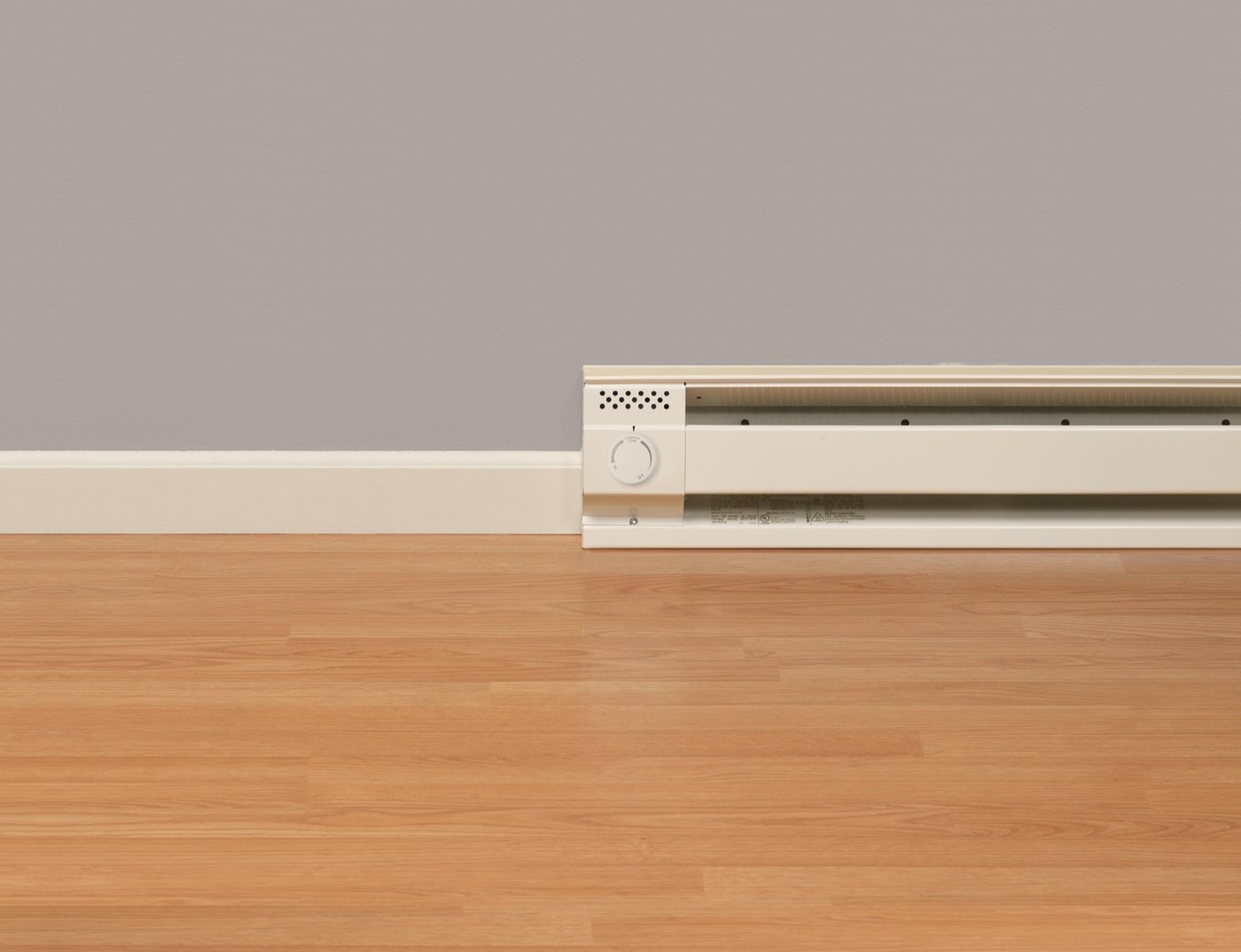
The core principle is simple: electricity flows through a resistive element, generating heat that rises and circulates via convection. The addition of a thermostat allows for precise temperature control, preventing the heater from running continuously and unnecessarily consuming energy.
The Importance of Thermostats
Without a thermostat, a baseboard heater would operate at full power until manually switched off. This leads to significant energy waste and uncomfortable temperature fluctuations. A thermostat acts as a control center, cycling the heater on and off to maintain a pre-set temperature.
There are several types of thermostats commonly used with 110 volt baseboard heaters:
- Mechanical Thermostats: These are the simplest and most affordable option. They use a bimetallic strip or gas-filled bellows to sense temperature changes and switch the heater on or off. While reliable, they often lack precision, resulting in temperature swings of several degrees.
- Electronic Thermostats: These offer improved accuracy and control. They use a thermistor or other electronic sensor to measure temperature and employ a digital circuit to manage the heater's operation. They offer tighter temperature control, often within 1-2 degrees.
- Programmable Thermostats: A step up from electronic thermostats, programmable models allow users to set different temperature schedules for different times of the day or week. This allows for automatic setback periods when the space is unoccupied, significantly reducing energy consumption.
- Smart Thermostats: The most advanced option, smart thermostats connect to a home Wi-Fi network and can be controlled remotely via a smartphone or tablet. They offer features like geofencing (adjusting temperature based on location), energy usage tracking, and integration with other smart home devices. Energy Star certified smart thermostats can qualify for rebates and further savings.
Energy Efficiency Considerations
While electric resistance heating is generally considered less energy-efficient than heat pumps or natural gas furnaces, there are ways to maximize the efficiency of 110 volt baseboard heaters with thermostats:
- Proper Sizing: Choosing the right size heater for the space is crucial. An undersized heater will struggle to maintain the desired temperature, while an oversized heater will cycle on and off frequently, wasting energy. A general rule of thumb is 10 watts per square foot of space.
- Strategic Placement: Position heaters along exterior walls or under windows to counteract cold drafts. Avoid placing furniture or other obstructions in front of the heater, as this can block airflow and reduce efficiency.
- Insulation: Ensure the space is properly insulated to minimize heat loss. Seal any drafts around windows and doors.
- Thermostat Setback: Lower the thermostat when the space is unoccupied. Even a few degrees of setback can result in significant energy savings over time. For every degree you lower the thermostat for eight hours, you can save around 1% on your heating bill.
- Smart Thermostat Integration: Utilize the advanced features of smart thermostats, such as geofencing and energy usage tracking, to optimize heating schedules and identify areas for improvement.
Cost Analysis and ROI
The initial cost of a 110 volt baseboard heater with a thermostat is relatively low, typically ranging from $50 to $200 depending on the size, features, and brand. Smart thermostats add to the upfront cost, ranging from $100 to $300 or more.
However, the long-term cost-effectiveness depends on usage patterns, energy prices, and thermostat efficiency. A programmable or smart thermostat can pay for itself within a few years through energy savings alone. Consider the following scenario:
A homeowner uses a 1500-watt 110 volt baseboard heater for 4 hours per day, 7 days a week, for 6 months of the year. With an electricity rate of $0.15 per kilowatt-hour (kWh), the annual cost of operation without any thermostat control is:
(1.5 kW x 4 hours/day x 7 days/week x 26 weeks/year) x $0.15/kWh = $163.80
By installing a programmable thermostat and setting back the temperature by 5 degrees during unoccupied hours, the homeowner can potentially save 10% to 15% on energy consumption, translating to $16.38 to $24.57 in annual savings. Over several years, these savings can significantly offset the initial cost of the thermostat.
Furthermore, many utility companies offer rebates for the purchase and installation of Energy Star certified smart thermostats, further improving the ROI.
Smart Home Integration: A Game Changer
The integration of 110 volt baseboard heaters with smart home systems unlocks a new level of control and efficiency. Smart thermostats can be controlled remotely via a smartphone or tablet, allowing users to adjust the temperature from anywhere. This is particularly useful for vacation homes or for preheating a space before arrival.
Smart thermostats can also be integrated with other smart home devices, such as smart sensors and voice assistants. For example, a smart sensor can detect occupancy and automatically adjust the temperature accordingly. Voice assistants like Amazon Alexa or Google Assistant can be used to control the heater with voice commands.
Beyond convenience, smart home integration can lead to significant energy savings. By optimizing heating schedules based on real-time data and user preferences, smart home systems can minimize energy waste and reduce heating costs.
Benefits for HVAC Contractors
For HVAC contractors, recommending and installing 110 volt baseboard heaters with thermostats, especially smart thermostats, presents a significant opportunity to provide value-added services and increase revenue.
- Offer Energy Audits: Conduct energy audits to assess homeowners' heating needs and identify opportunities for energy savings.
- Recommend Energy-Efficient Solutions: Recommend and install energy-efficient baseboard heaters with programmable or smart thermostats.
- Provide Smart Home Integration Services: Help homeowners integrate their baseboard heaters with smart home systems.
- Highlight Rebates and Incentives: Inform homeowners about available rebates and incentives for energy-efficient heating solutions.
- Offer Ongoing Maintenance and Support: Provide ongoing maintenance and support to ensure the optimal performance of the heating system.
Conclusion
110 volt baseboard heaters with thermostats, particularly when integrated with smart home technology, offer a cost-effective and energy-efficient way to provide supplemental heating. By carefully considering factors such as heater sizing, thermostat type, insulation, and smart home integration, homeowners and businesses can significantly reduce energy consumption and lower heating costs. For HVAC contractors, providing these solutions presents a valuable opportunity to offer energy-efficient services and build customer loyalty. By leveraging advancements in technology and taking a holistic approach to energy management, we can unlock the full potential of 110 volt baseboard heaters and create more sustainable and comfortable living spaces.