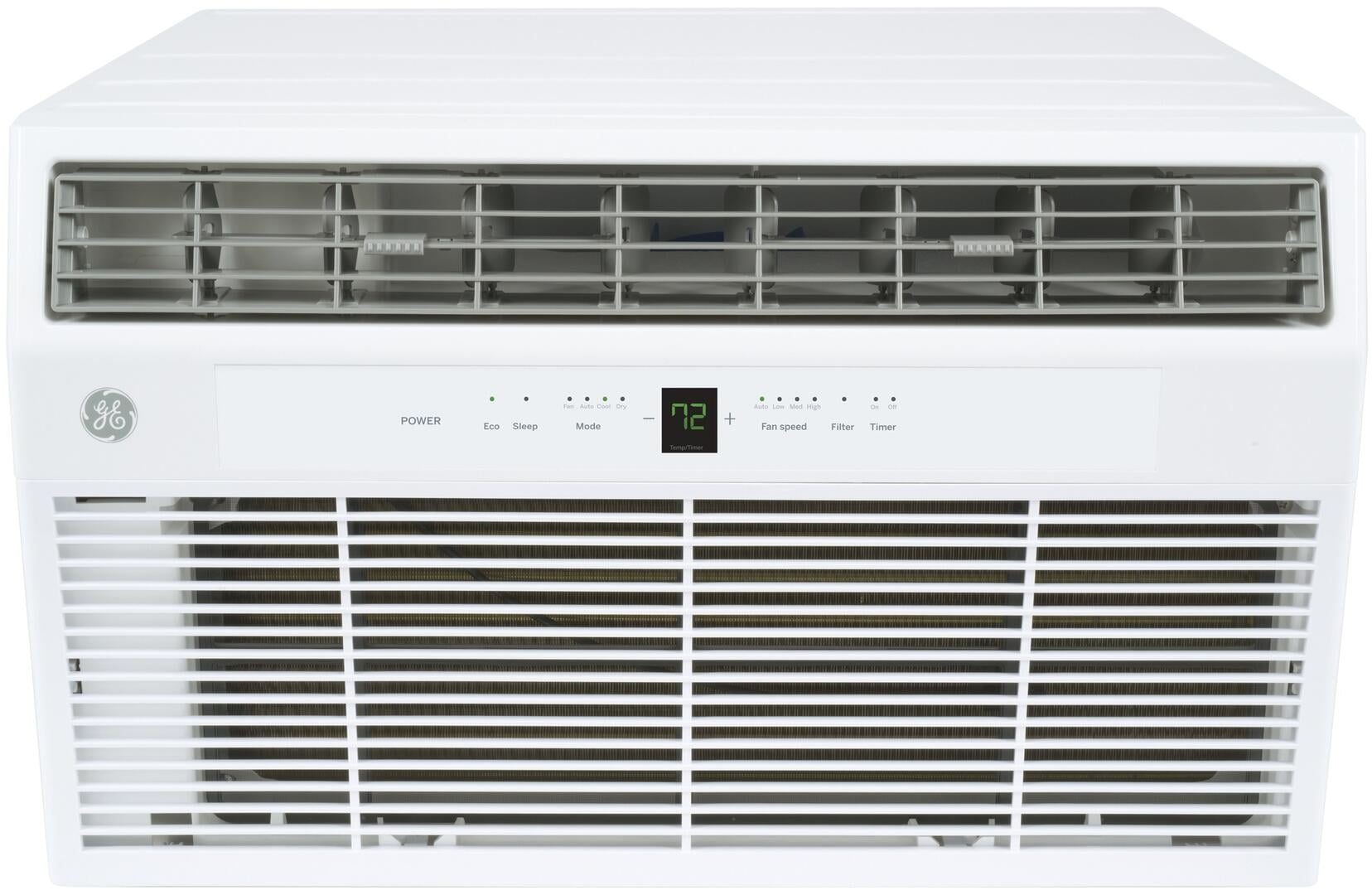
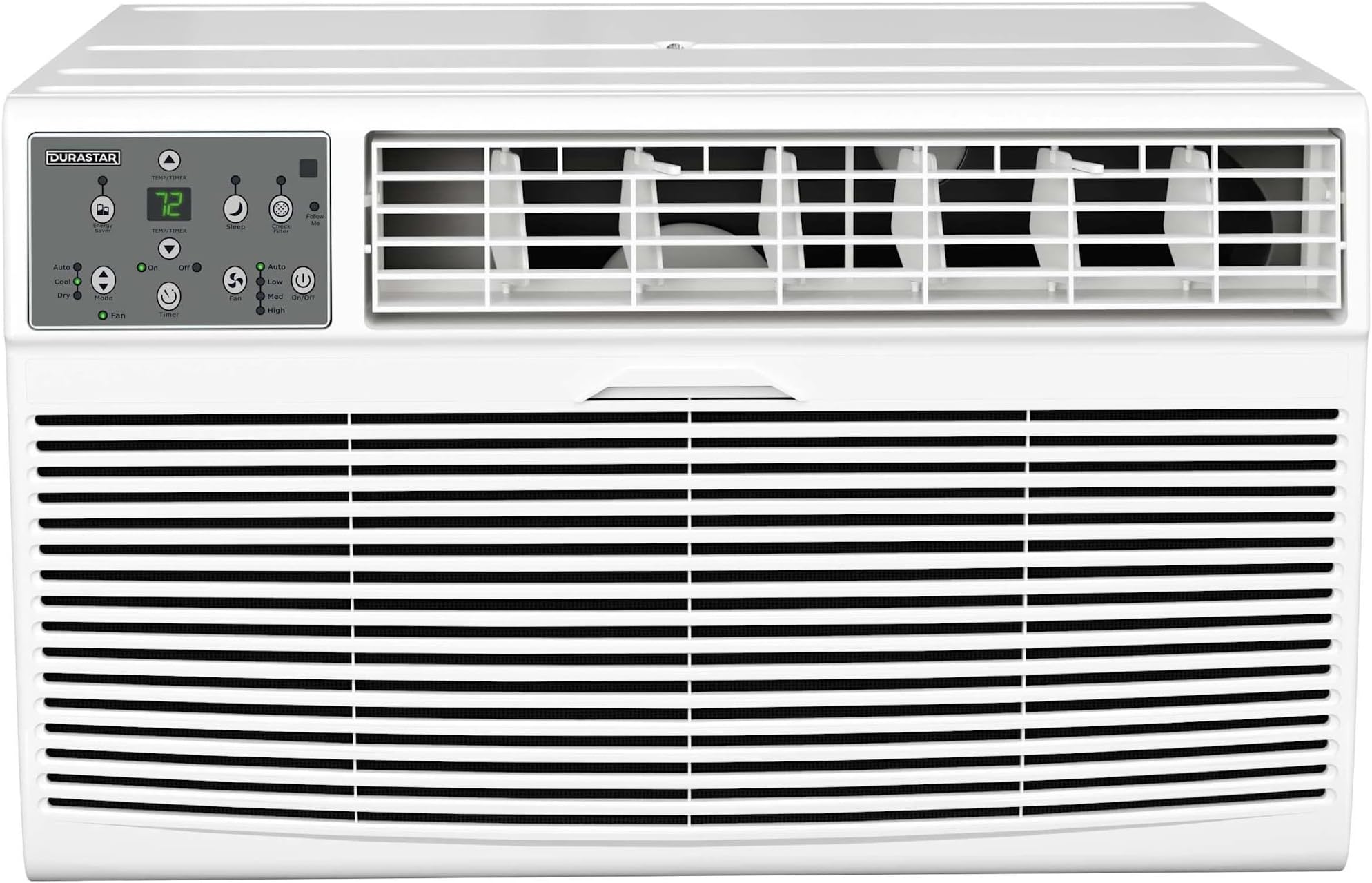
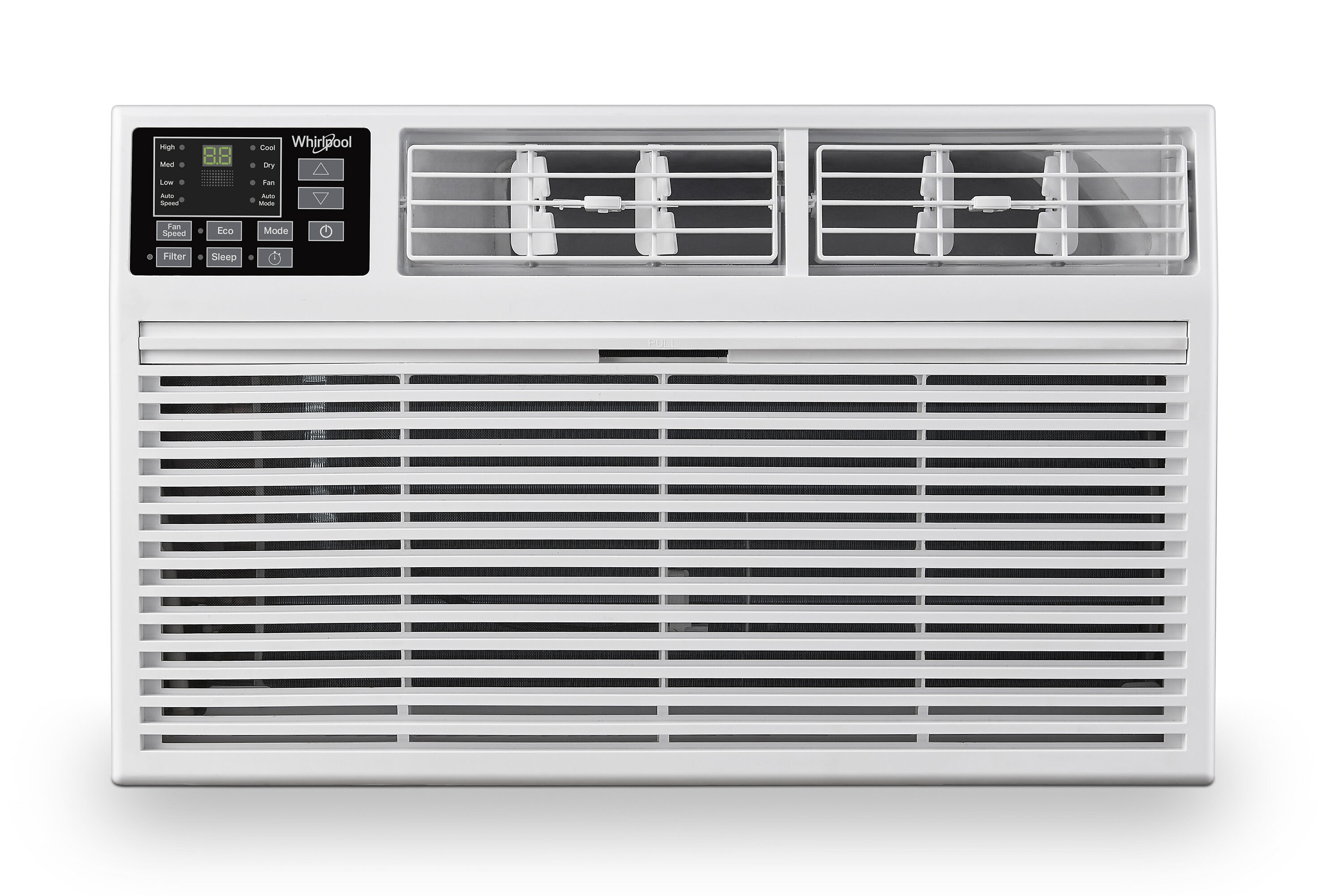
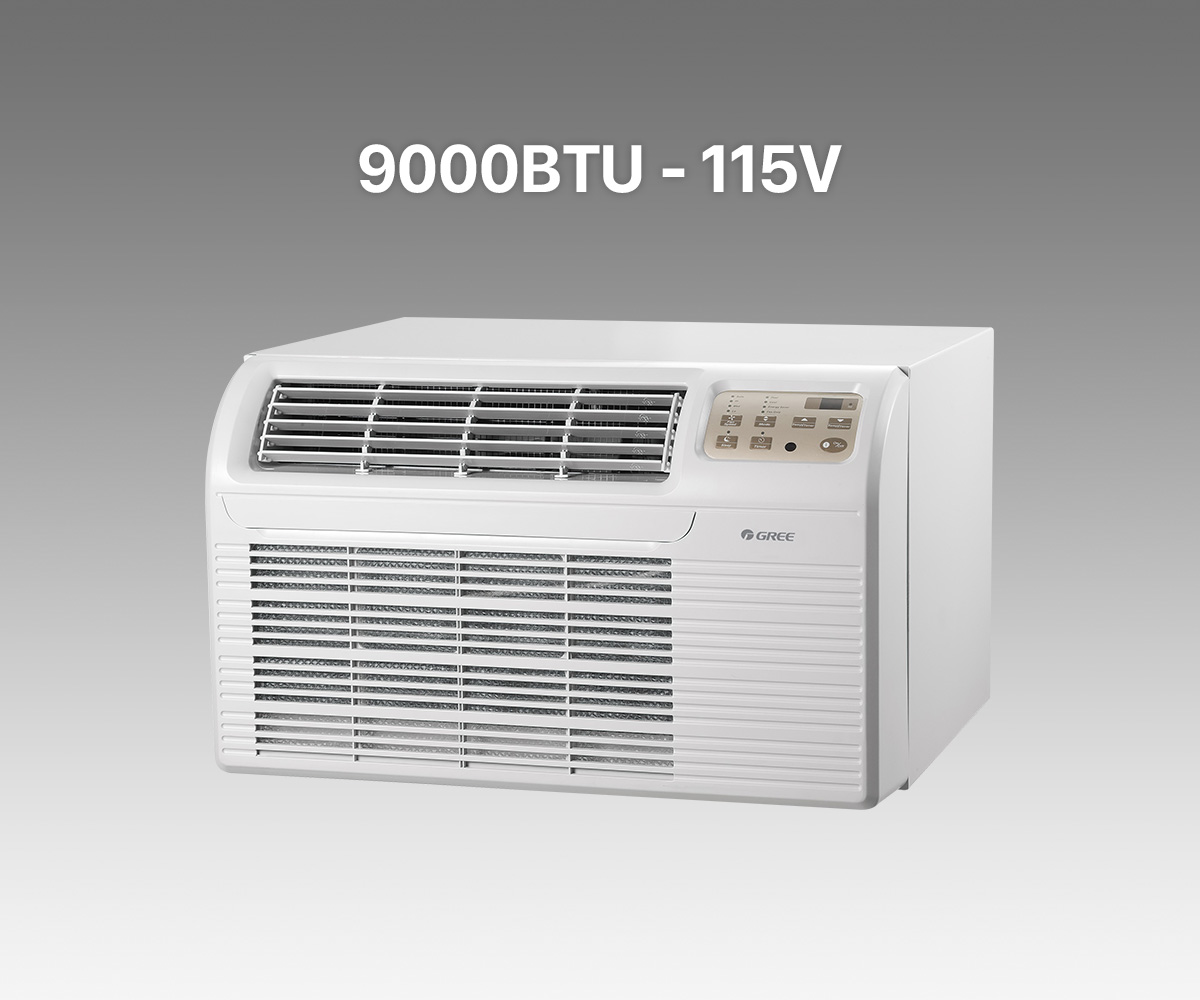
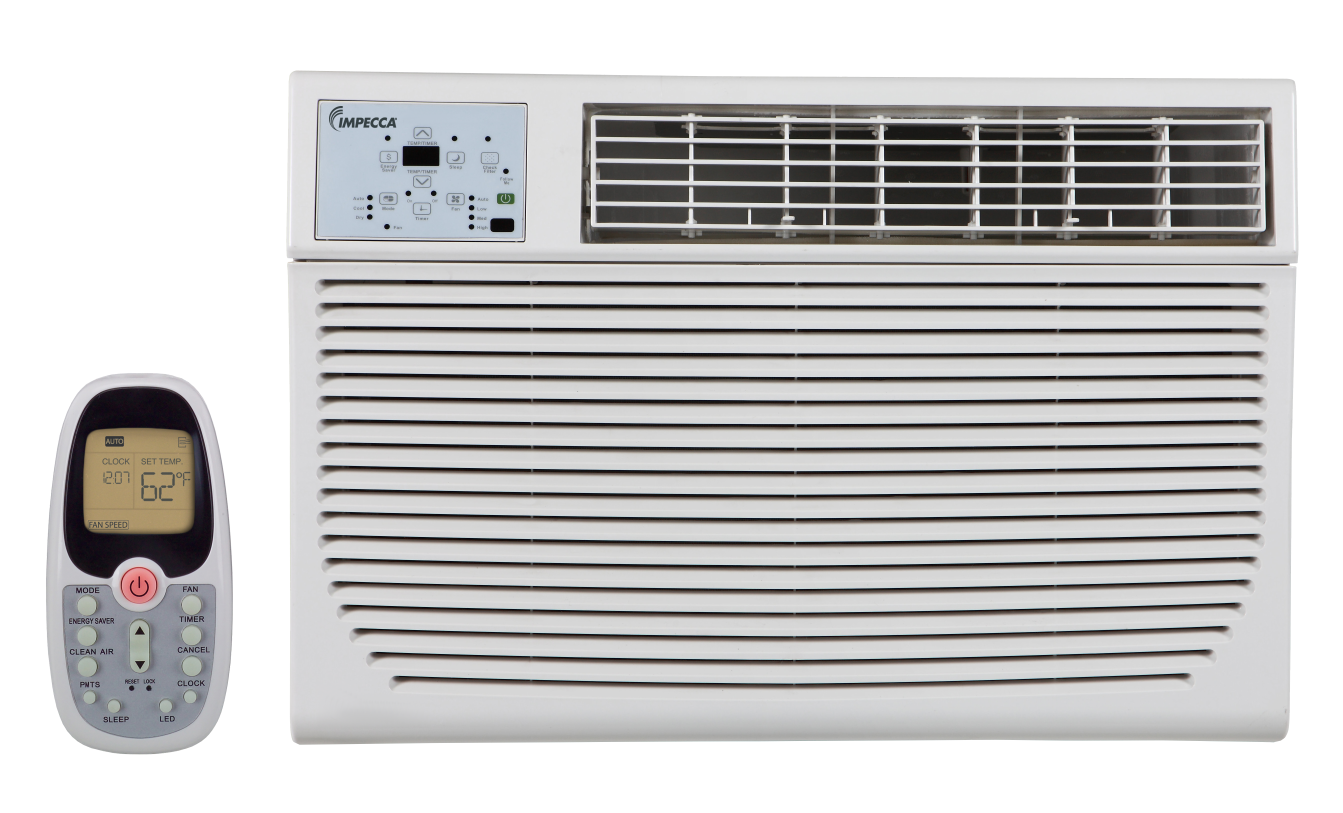
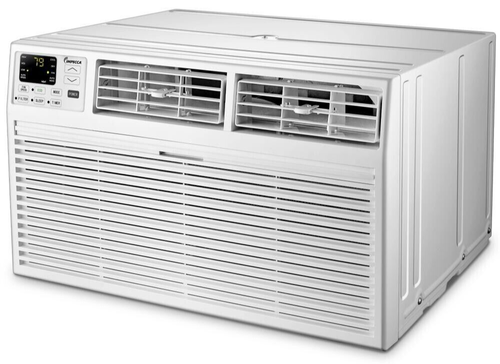
115v Through The Wall Air Conditioner
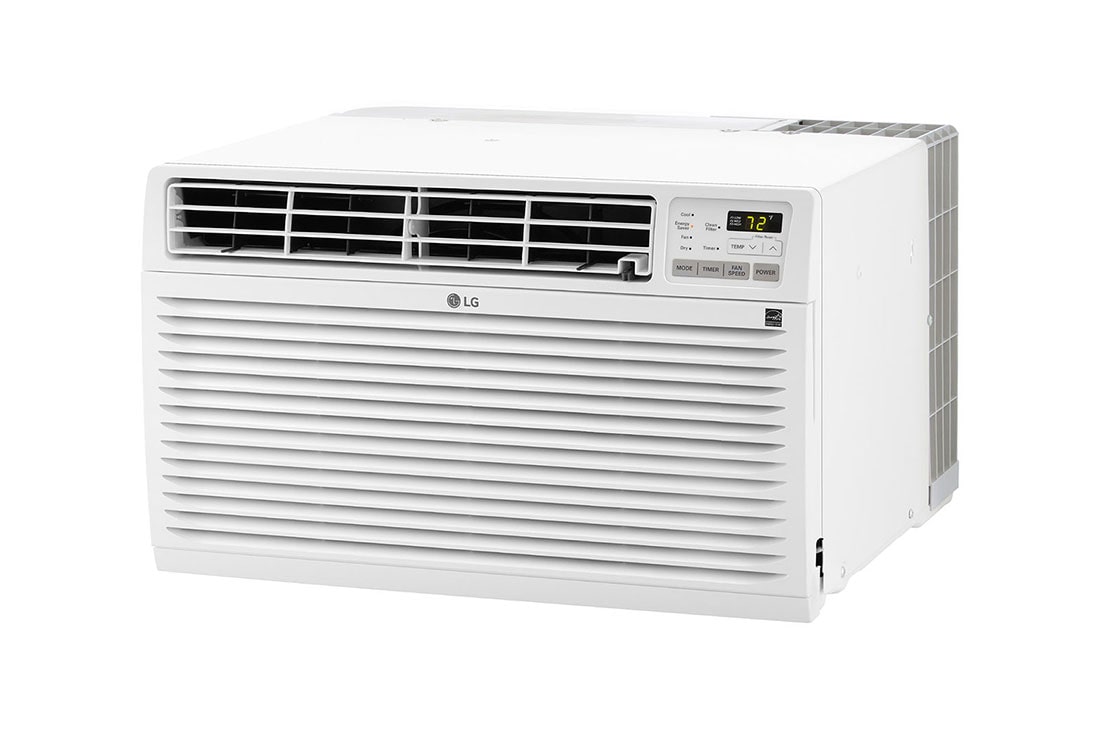
Understanding 115V Through-The-Wall Air Conditioners: A Comprehensive Guide for HVAC Professionals and Employers
For HVAC professionals and employers, a deep understanding of various air conditioning systems is crucial. Among these, the 115V through-the-wall air conditioner occupies a significant niche. These units offer a practical and cost-effective cooling solution for apartments, small offices, and individual rooms. This article explores the technical aspects, installation considerations, maintenance procedures, and career opportunities associated with 115V through-the-wall AC units.
Technical Specifications and Operation
115V through-the-wall air conditioners are designed to operate on a standard 115-volt electrical circuit. This makes them readily accessible for installation in most residential and commercial buildings without requiring specialized electrical wiring. Typically, these units range in cooling capacity from 5,000 to 15,000 BTU (British Thermal Units) per hour. The BTU rating indicates the amount of heat the unit can remove from a room per hour.
Key Components:
- Compressor: The heart of the system, responsible for compressing the refrigerant.
- Condenser: Dissipates heat from the refrigerant to the outside air.
- Evaporator: Absorbs heat from the room air, cooling it in the process.
- Refrigerant: A substance that cycles between liquid and gas states, transferring heat. R-410A is commonly used, though newer units may utilize more environmentally friendly refrigerants like R-32.
- Fan Motor: Circulates air across the condenser and evaporator coils.
- Thermostat: Controls the unit's operation based on the desired temperature.
The efficiency of a 115V through-the-wall AC is measured by its Energy Efficiency Ratio (EER) or its Seasonal Energy Efficiency Ratio (SEER). Higher EER/SEER ratings indicate greater energy efficiency and lower operating costs.
Installation and Maintenance
Proper installation is critical for the performance and longevity of a 115V through-the-wall AC. Here are key considerations:
- Wall Sleeve: The unit slides into a pre-existing or newly installed wall sleeve. Ensuring a proper fit and secure mounting is essential.
- Electrical Requirements: Verifying the electrical circuit can handle the unit's amperage draw is crucial to prevent overloads and potential fire hazards. Most units require a dedicated circuit.
- Drainage: Ensuring proper drainage of condensate is necessary to prevent water damage and mold growth.
- Sealing: Sealing gaps around the unit's perimeter prevents air leaks and maximizes cooling efficiency.
Regular maintenance is vital to keep these units running efficiently. Key maintenance tasks include:
- Filter Cleaning/Replacement: Regularly cleaning or replacing air filters ensures proper airflow and prevents dust and debris from accumulating on the evaporator coil.
- Coil Cleaning: Cleaning the condenser and evaporator coils removes dirt and debris that can impede heat transfer.
- Inspection: Inspecting the unit for leaks, damage, or unusual noises.
Troubleshooting: Common issues include insufficient cooling, unusual noises, water leaks, and electrical problems. Technicians should be proficient in diagnosing and resolving these issues.
Certification and Training
For HVAC technicians working with 115V through-the-wall AC units, several certifications can enhance their skills and career prospects:
- EPA Section 608 Certification: Required for handling refrigerants. This certification demonstrates competency in refrigerant recovery, recycling, and reclaiming procedures.
- NATE (North American Technician Excellence) Certification: While not specific to through-the-wall units, NATE certification in air conditioning or HVAC service technology validates a technician's knowledge and skills across a broader range of HVAC systems.
- HVAC Excellence Certification: Similar to NATE, HVAC Excellence offers certifications that demonstrate competency in HVAC principles and practices.
- Manufacturer-Specific Training: Many manufacturers offer training programs on their specific models of through-the-wall AC units. These programs provide valuable insights into the unit's design, operation, and troubleshooting.
Pursuing these certifications not only enhances a technician's skillset but also increases their credibility and earning potential.
Career Paths and Job Outlook
The demand for HVAC technicians is projected to grow steadily in the coming years. According to the U.S. Bureau of Labor Statistics, the employment of HVAC mechanics and installers is projected to grow 6 percent from 2022 to 2032, about as fast as the average for all occupations. This growth is driven by factors such as increased building construction, growing demand for energy-efficient HVAC systems, and the need to replace aging equipment.
Career Paths:
- HVAC Technician: Installs, maintains, and repairs various HVAC systems, including 115V through-the-wall AC units.
- HVAC Installer: Specializes in installing new HVAC systems.
- HVAC Service Technician: Focuses on troubleshooting and repairing existing HVAC systems.
- HVAC Sales Representative: Sells HVAC equipment and services to residential and commercial customers.
- HVAC Project Manager: Oversees HVAC installation and maintenance projects.
Salary Ranges: The median annual wage for HVAC mechanics and installers was $59,620 in May 2023. The best-paid 10 percent earned more than $85,850. Salary varies based on experience, location, certifications, and the type of employer.
Real-World Examples:
- Entry-Level Technician: Starts with basic installation and maintenance tasks, gradually gaining experience and knowledge.
- Experienced Technician: Handles more complex troubleshooting and repair tasks, potentially specializing in a specific type of HVAC system.
- Master Technician: Possesses advanced knowledge and skills, often leading teams of technicians and providing technical guidance.
Trends and Future Developments
The HVAC industry is constantly evolving, with new technologies and trends emerging regularly. Some key trends impacting 115V through-the-wall AC units include:
- Smart Technology: Integration of smart thermostats and controls that allow users to remotely monitor and adjust the unit's settings via smartphone apps.
- Energy Efficiency: Development of more energy-efficient units with higher EER/SEER ratings, reducing energy consumption and operating costs.
- Eco-Friendly Refrigerants: Transition to refrigerants with lower global warming potential (GWP), minimizing the environmental impact of HVAC systems.
- Improved Filtration: Enhanced air filtration systems that remove allergens, pollutants, and odors from the air, improving indoor air quality.
For Employers:
Employers in the HVAC industry should prioritize hiring technicians with the necessary certifications and skills to work with 115V through-the-wall AC units and other HVAC systems. Investing in employee training and development is crucial to ensure that technicians stay up-to-date with the latest technologies and best practices.
Conclusion:
115V through-the-wall air conditioners represent a significant segment of the HVAC market. For HVAC professionals, mastering the installation, maintenance, and repair of these units is essential for career advancement. For employers, understanding the technical aspects and trends associated with these units is crucial for making informed business decisions and providing high-quality services to customers. By staying informed and investing in training and certification, both technicians and employers can thrive in the dynamic HVAC industry.