12 Volt Mini Split Air Conditioner

A 12-volt mini-split air conditioner is a compact and efficient cooling solution designed for use in spaces where traditional AC units are impractical or unavailable. These units are particularly popular in off-grid applications, vehicles, and small rooms due to their ability to operate on 12-volt direct current (DC) power.
What is a Mini-Split Air Conditioner?
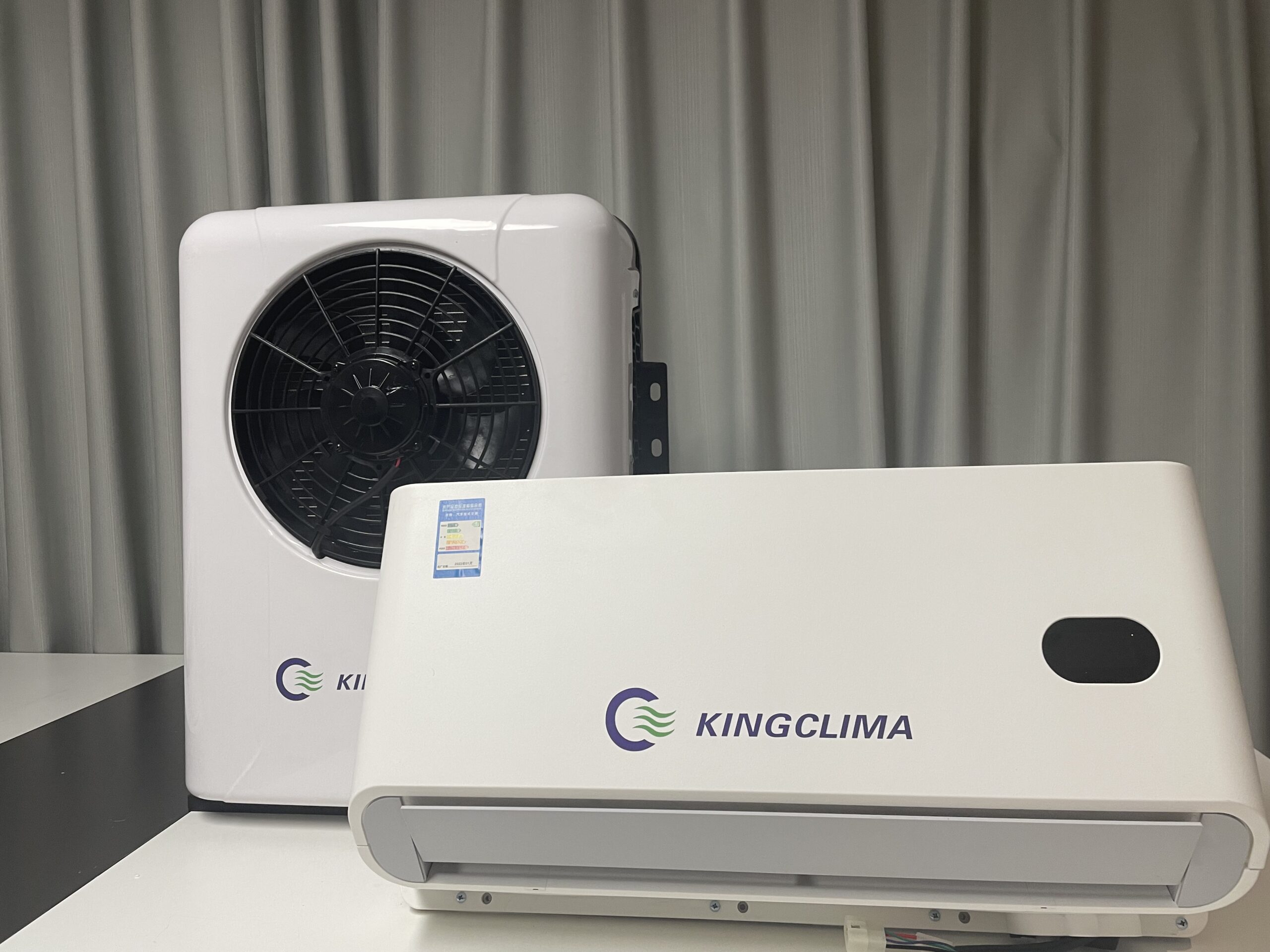
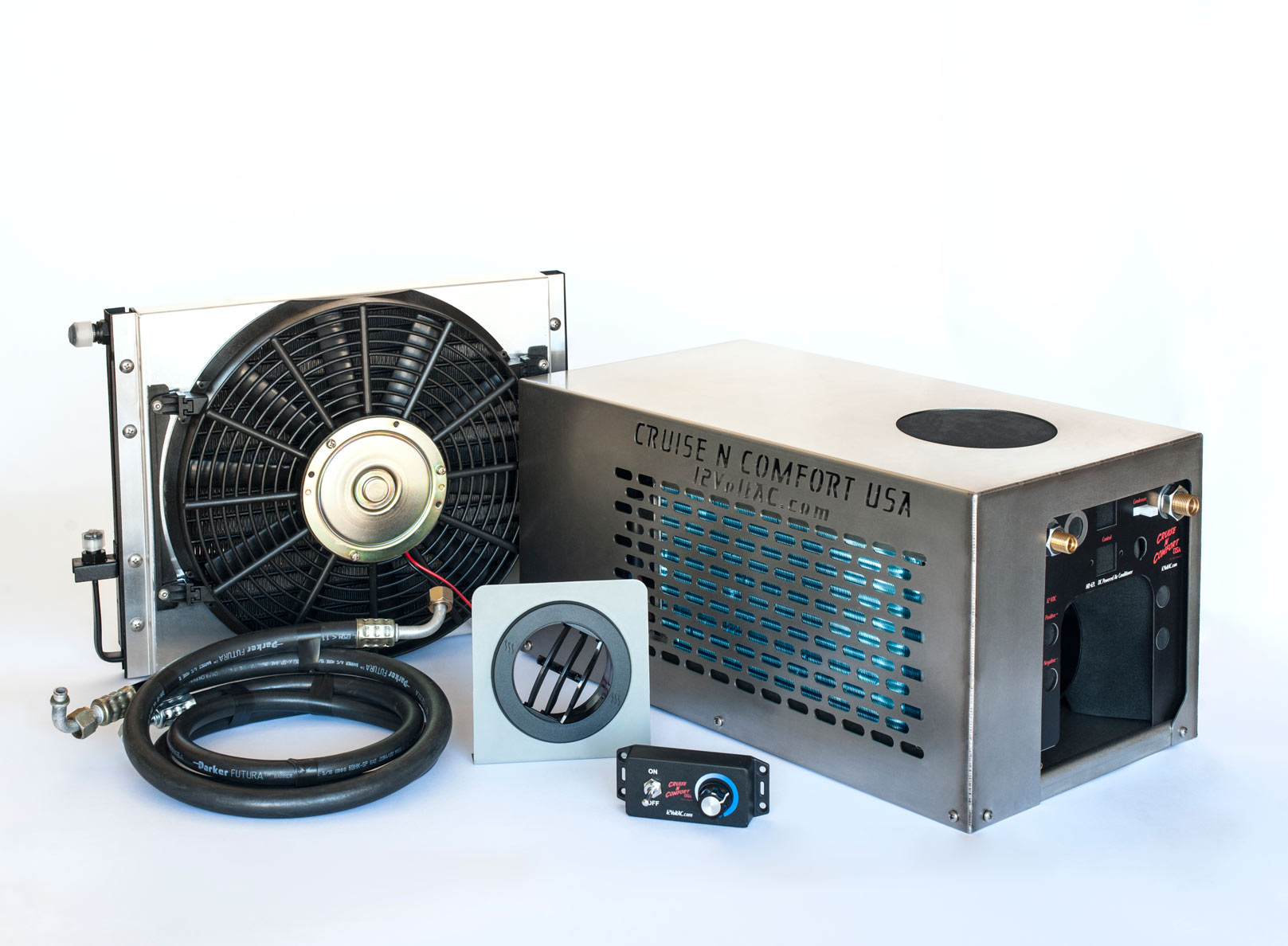
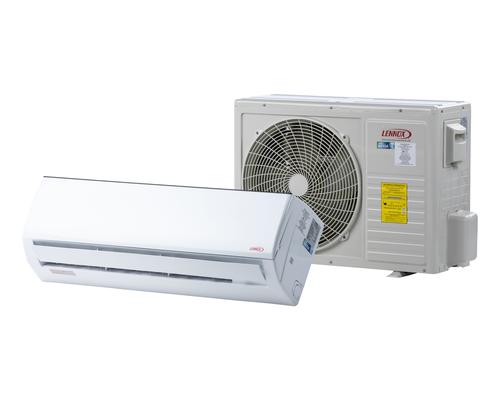
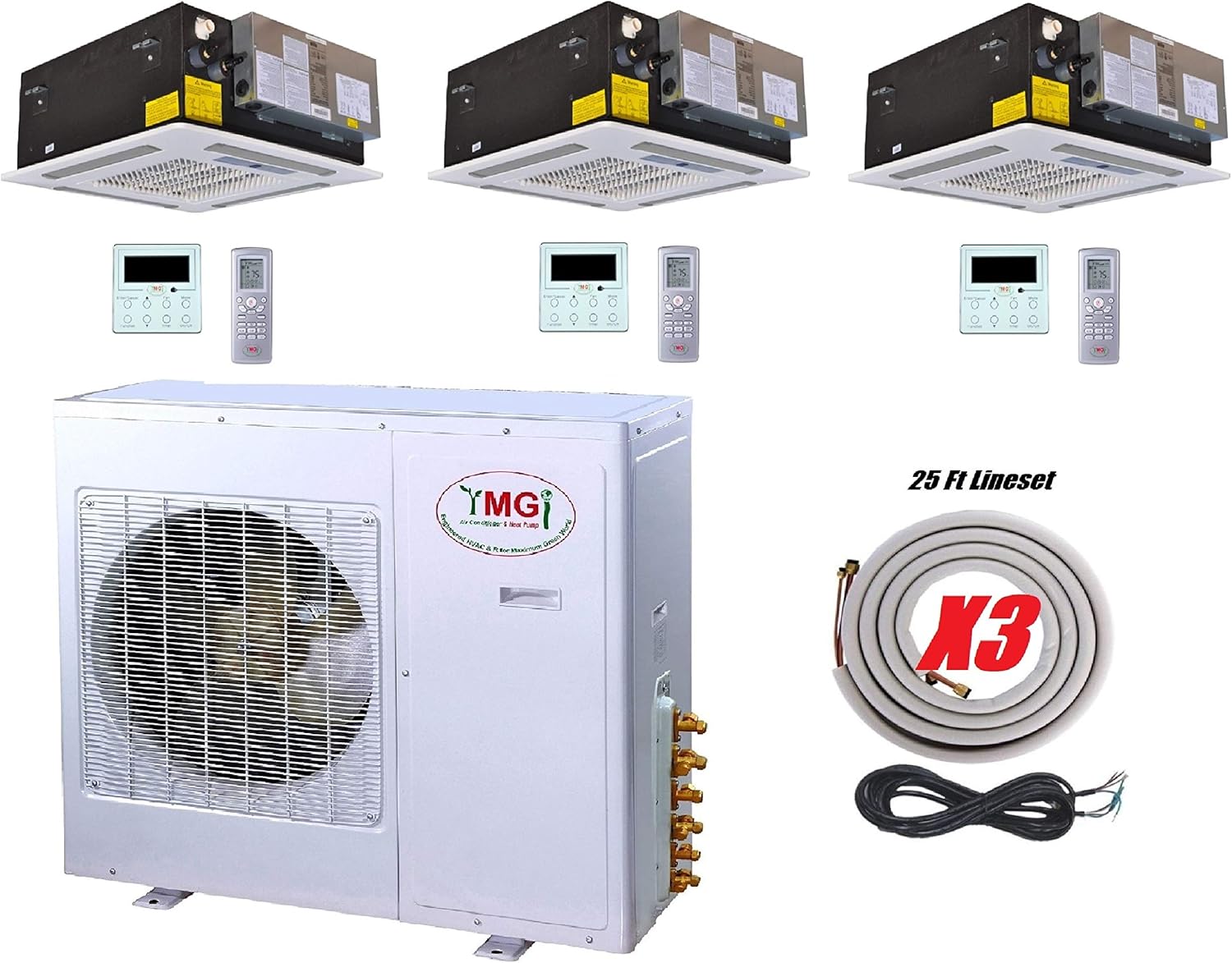
First, let's understand what a mini-split AC is in general. Unlike window units that are self-contained, a mini-split system has two main components: an indoor unit (the air handler) and an outdoor unit (the condenser). These two are connected by refrigerant lines and electrical wiring, allowing the system to move heat from inside to outside.
Think of the refrigerant as the "blood" of the AC system. It's a special fluid that absorbs heat from the indoor air and carries it to the outdoor unit to be released. The indoor unit blows cool air into the room, while the outdoor unit expels the heat.
How is a 12-Volt Mini-Split Different?
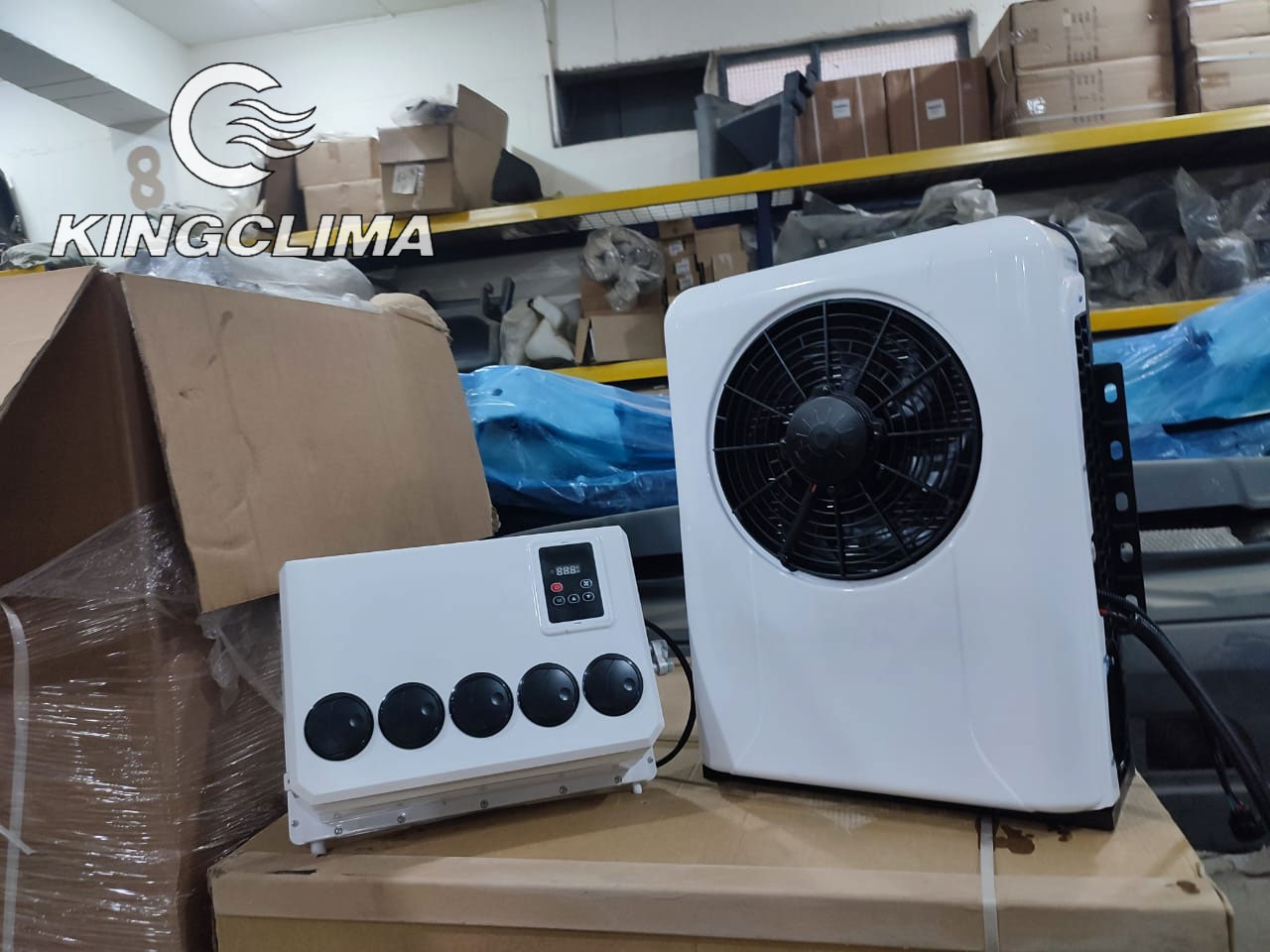
The key difference lies in the power source. Standard mini-splits use alternating current (AC) power from your household outlets. A 12-volt mini-split is designed to run on 12-volt direct current (DC) power, typically from a battery, solar panel, or other DC power source. This makes them ideal for situations where AC power is limited or unavailable.
Advantages of 12-Volt Mini-Split Air Conditioners
Choosing a 12-volt mini-split offers several benefits:
- Off-Grid Capability: The most significant advantage is the ability to operate independently of the electrical grid. This makes them perfect for RVs, boats, cabins, and other off-grid locations.
- Energy Efficiency: While not all 12V units are created equal, many are designed for relatively low power consumption, maximizing battery life or solar panel output. Look for units with high Coefficient of Performance (COP) or Energy Efficiency Ratio (EER) ratings.
- Zoning: Mini-splits are great for cooling specific zones or rooms in your home or vehicle. You can cool only the areas you need, saving energy.
- Quiet Operation: Most mini-splits are quieter than window units because the noisy compressor is located outside.
- Relatively Easy Installation: While professional installation is recommended, the process is generally less complex than installing a central AC system.
Disadvantages of 12-Volt Mini-Split Air Conditioners
Before you invest, consider the potential drawbacks:
- Cost: 12-volt mini-splits can be more expensive upfront than traditional AC units, especially when factoring in the cost of batteries, solar panels, or other DC power sources.
- Limited Cooling Capacity: 12-volt units typically have lower cooling capacities compared to standard AC units. They may not be suitable for cooling large spaces.
- Battery Drain: Running an AC unit on batteries can quickly drain them, especially if the system is not energy efficient. Proper battery management is crucial.
- Voltage Drop: DC power systems are susceptible to voltage drop over long distances. Using appropriately sized wiring is essential to ensure the AC unit receives sufficient power.
- Complexity of Installation: While easier than central AC, installation still requires some technical knowledge, especially when integrating with solar or battery systems. Incorrect wiring can damage the unit or create a safety hazard.
Key Considerations When Choosing a 12-Volt Mini-Split
Selecting the right 12-volt mini-split requires careful consideration of several factors:
Cooling Capacity (BTU)
BTU (British Thermal Units) measures the amount of heat the AC unit can remove from a room per hour. Choose a BTU rating appropriate for the size of the space you want to cool. A unit that's too small won't effectively cool the room, while one that's too large can cycle on and off frequently, wasting energy and potentially reducing its lifespan.
Here's a general guideline (though factors like insulation, window size, and sun exposure can significantly affect cooling needs):
- 150-250 sq ft: 5,000 - 6,000 BTU
- 250-300 sq ft: 7,000 - 8,000 BTU
- 300-350 sq ft: 9,000 - 10,000 BTU
- 350-400 sq ft: 11,000 - 12,000 BTU
Energy Efficiency (COP & EER)
COP (Coefficient of Performance) and EER (Energy Efficiency Ratio) indicate how efficiently the AC unit converts electricity into cooling. Higher numbers mean greater efficiency and lower energy consumption. COP is more commonly used in specifying heat pumps, but the principal is the same.
Look for units with a high EER or COP to minimize battery drain. A higher EER/COP translates to more cooling output for the same amount of power input. For a 12v system this is especially important because you are likely running on limited power and battery capacity.
Power Consumption (Amps)
Pay close attention to the AC unit's ampere (amp) draw. This determines how much current the unit will pull from your battery or power source. Make sure your battery and charging system can handle the load. Consider both the startup amps (the surge of power required when the compressor starts) and the running amps (the amps used during normal operation).
Voltage Range
Ensure the AC unit is compatible with your 12-volt system. Some units may have a wider voltage range than others, which can be beneficial if your system experiences voltage fluctuations.
Features
Consider features such as:
- Adjustable Fan Speed: Allows you to control the airflow and noise level.
- Timer: Enables you to schedule the AC to turn on or off automatically.
- Remote Control: Offers convenient control from a distance.
- Dehumidification Mode: Helps remove excess moisture from the air.
- Refrigerant Type: Modern refrigerants are more environmentally friendly. R32 and R410A are common choices.
Brand Reputation and Warranty
Choose a reputable brand with a good track record for reliability and customer support. A solid warranty can provide peace of mind in case of defects or malfunctions.
Installation Considerations
Installing a 12-volt mini-split involves connecting the indoor and outdoor units, running refrigerant lines, and wiring the electrical connections. While DIY installation is possible, professional installation is generally recommended to ensure proper operation and avoid potential safety hazards.
Important Installation Steps:
- Location: Choose suitable locations for both the indoor and outdoor units. The outdoor unit should be placed in a well-ventilated area, away from direct sunlight and obstructions.
- Refrigerant Lines: Properly connect and insulate the refrigerant lines to prevent leaks and maintain efficiency.
- Wiring: Use appropriately sized wiring to handle the AC unit's amp draw. Ensure all connections are secure and properly grounded.
- Vacuuming: After connecting the refrigerant lines, it's crucial to vacuum the system to remove air and moisture. This prevents damage to the compressor and ensures optimal performance.
- Testing: After installation, thoroughly test the AC unit to verify that it's operating correctly and cooling effectively.
Powering a 12-Volt Mini-Split
There are several ways to power a 12-volt mini-split:
- Battery: A deep-cycle battery is a common choice for powering 12-volt AC units. The battery's capacity (measured in amp-hours, Ah) determines how long the AC unit can run before needing to be recharged.
- Solar Panel: Solar panels can be used to charge the battery, providing a sustainable and renewable power source. The size of the solar panel array depends on the AC unit's power consumption and the amount of sunlight available.
- Generator: A generator can be used as a backup power source to recharge the battery when solar power is insufficient.
- DC Power Supply: A dedicated DC power supply can provide a stable and reliable source of 12-volt power.
Calculating Battery Size:
To estimate the battery size you need, consider the AC unit's power consumption (in watts) and the desired runtime. Here's a simplified formula:
Battery Capacity (Ah) = (AC Power (Watts) / System Voltage (12V)) x Runtime (Hours) / Depth of Discharge (%)
Depth of Discharge (DoD) refers to the percentage of the battery's capacity that can be safely discharged without damaging the battery. For deep-cycle batteries, a DoD of 50% is often recommended to prolong battery life.
Example:
Let's say you have a 12-volt AC unit that consumes 200 watts, and you want to run it for 8 hours with a 50% DoD.
Battery Capacity (Ah) = (200W / 12V) x 8 hours / 0.5 = 266.67 Ah
Therefore, you would need a battery with a capacity of at least 267 Ah.
Maintenance
Regular maintenance is essential to keep your 12-volt mini-split operating efficiently and reliably. Key maintenance tasks include:
- Cleaning the Air Filters: Clean the air filters regularly (typically every few weeks) to remove dust and debris. Dirty filters restrict airflow, reducing cooling performance and increasing energy consumption.
- Cleaning the Coils: Periodically clean the indoor and outdoor coils to remove dirt and grime. Use a fin comb to straighten any bent fins.
- Checking Refrigerant Levels: If you notice a decrease in cooling performance, have a qualified technician check the refrigerant levels.
- Inspecting Electrical Connections: Inspect all electrical connections for corrosion or damage. Tighten any loose connections.
Conclusion
A 12-volt mini-split air conditioner can be a valuable investment for off-grid living, mobile applications, or cooling small spaces. By carefully considering your cooling needs, energy requirements, and installation considerations, you can choose the right unit and enjoy comfortable cooling wherever you go. Remember to prioritize safety and consult with qualified professionals when needed to ensure proper installation and maintenance.