14 Gauge Wire Amp Rating
Understanding electrical wiring is crucial for homeowners, businesses, and HVAC professionals alike, especially when aiming for energy efficiency and cost savings. Choosing the correct wire gauge for your electrical circuits directly impacts safety, performance, and energy consumption. One common wire size is 14 gauge, and its ampacity (ampere rating) is a vital factor to consider in any electrical project.
What is 14 Gauge Wire Amp Rating?
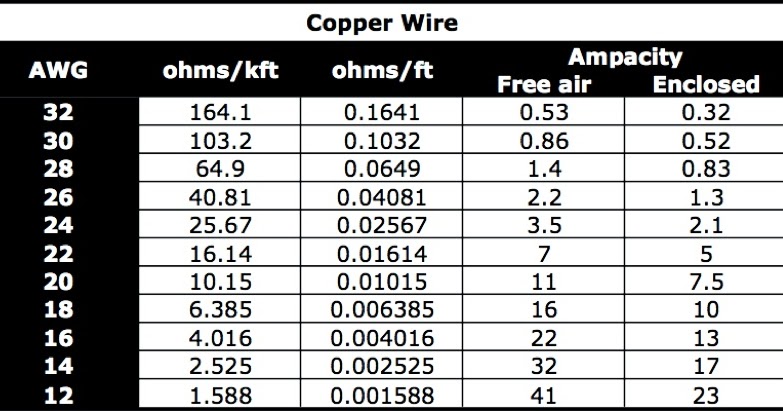
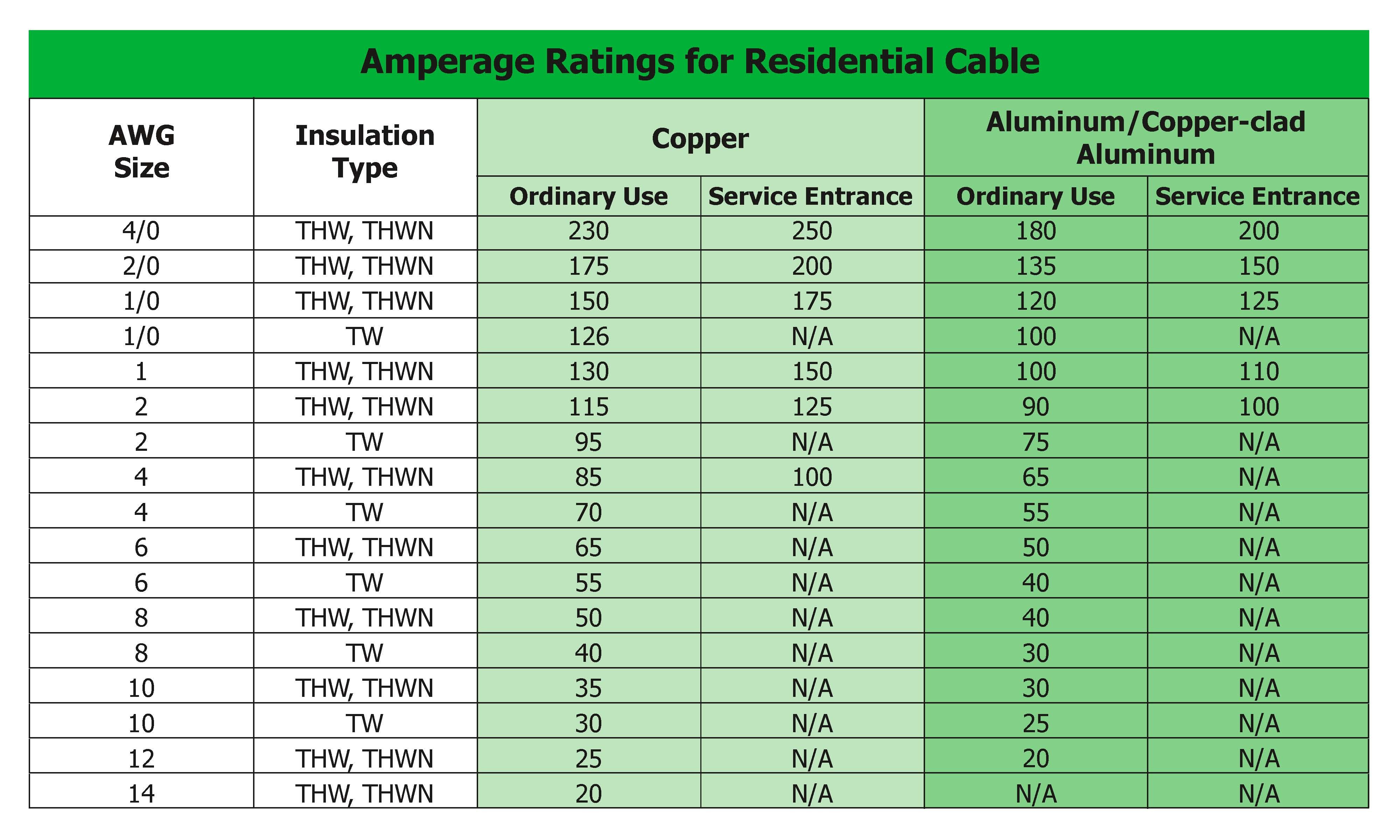
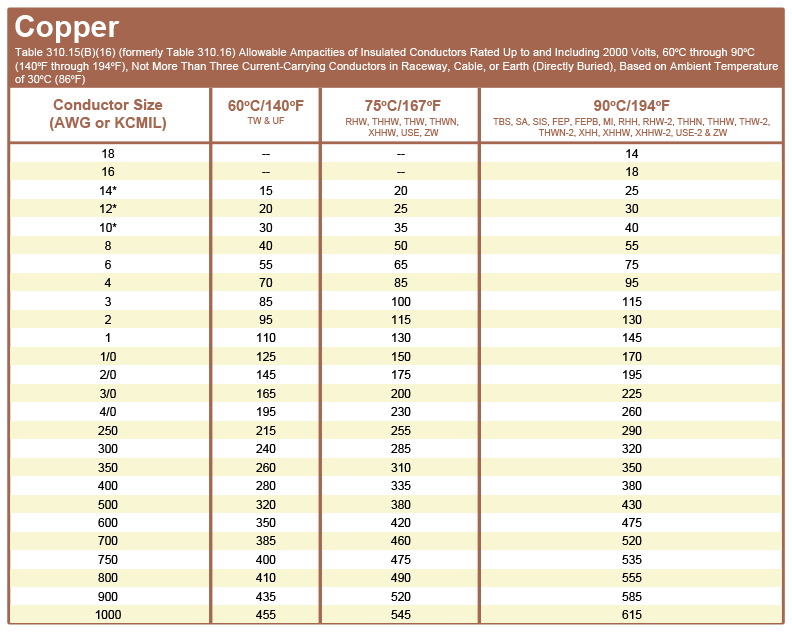
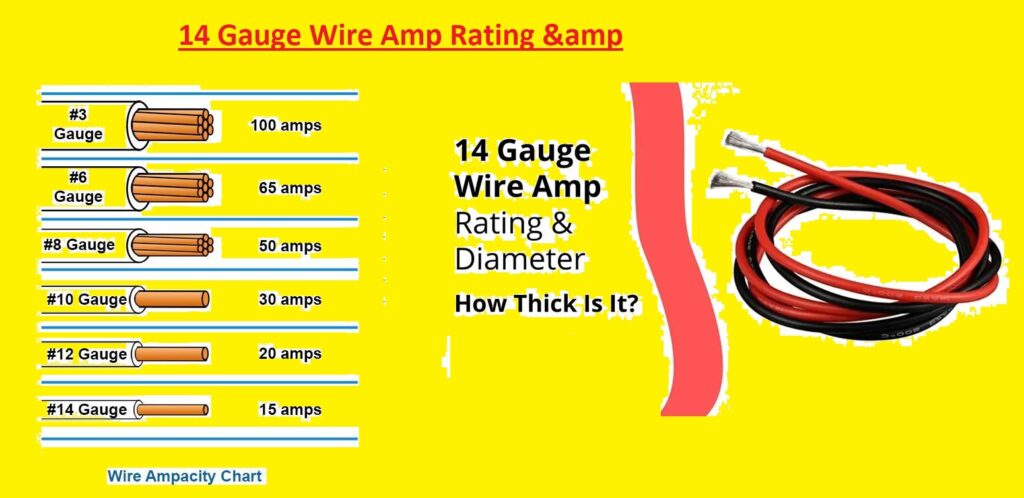
The amp rating of a wire refers to the maximum amount of continuous electrical current, measured in amperes (amps), that the wire can safely carry without overheating and potentially causing a fire. For 14 gauge copper wire, the generally accepted ampacity is 15 amps. This rating is based on the National Electrical Code (NEC), which provides the standards for safe electrical installations in the United States. However, there are situations where derating is necessary, reducing the allowable ampacity.
It's critical to remember that this 15-amp rating applies to copper wire. Aluminum wire has different ampacity ratings, and 14 gauge aluminum wire is rarely used in residential or commercial wiring due to its lower conductivity and higher risk of overheating.
Factors Affecting 14 Gauge Wire Ampacity
While 15 amps is the standard rating, several factors can affect the safe ampacity of 14 gauge wire. Ignoring these factors can lead to dangerous situations and negate any energy-saving benefits you're trying to achieve with efficient HVAC systems or smart home devices.
1. Temperature Rating of Insulation
The insulation surrounding the wire plays a significant role in determining its ampacity. Wires are rated based on the maximum temperature their insulation can withstand without degrading. Common insulation types include:
- THHN/THWN: Thermoplastic High Heat-resistant Nylon-coated/Thermoplastic Heat and Water-resistant Nylon-coated. These wires are typically rated for 90°C (194°F) in dry locations but are often derated to 75°C (167°F) for termination purposes.
- NM-B: Nonmetallic-sheathed cable. This is commonly used for residential wiring and is typically rated for 90°C (194°F) but must be derated to 60°C (140°F) for ampacity calculations according to NEC.
The NEC mandates using the 60°C or 75°C column in the ampacity tables for most residential applications. This means even if the wire itself is rated for 90°C, the lower temperature rating governs the allowable ampacity. Using the 60°C column, 14-gauge wire is often limited to 15 amps, while the 75°C column might allow for a slightly higher ampacity under certain conditions, though still typically limited to 15 amps by circuit breaker size.
2. Ambient Temperature
The surrounding temperature affects the wire's ability to dissipate heat. If the ambient temperature is high, the wire will heat up more quickly and reach its maximum allowable temperature at a lower current. The NEC provides correction factors for ampacity based on ambient temperature. For example, if the ambient temperature is consistently above 86°F (30°C), you need to derate the ampacity of the wire. Higher ambient temperatures are often found in attics, near heating equipment, or in direct sunlight.
3. Number of Conductors in a Raceway or Cable
When multiple current-carrying conductors are bundled together in a conduit, cable, or raceway, they generate heat that can affect each other. The NEC requires derating the ampacity based on the number of conductors. The more conductors in close proximity, the lower the allowable ampacity for each conductor. For example, if you have more than three current-carrying conductors in a conduit, you'll need to apply a derating factor that reduces the 15-amp rating.
4. Length of the Wire Run
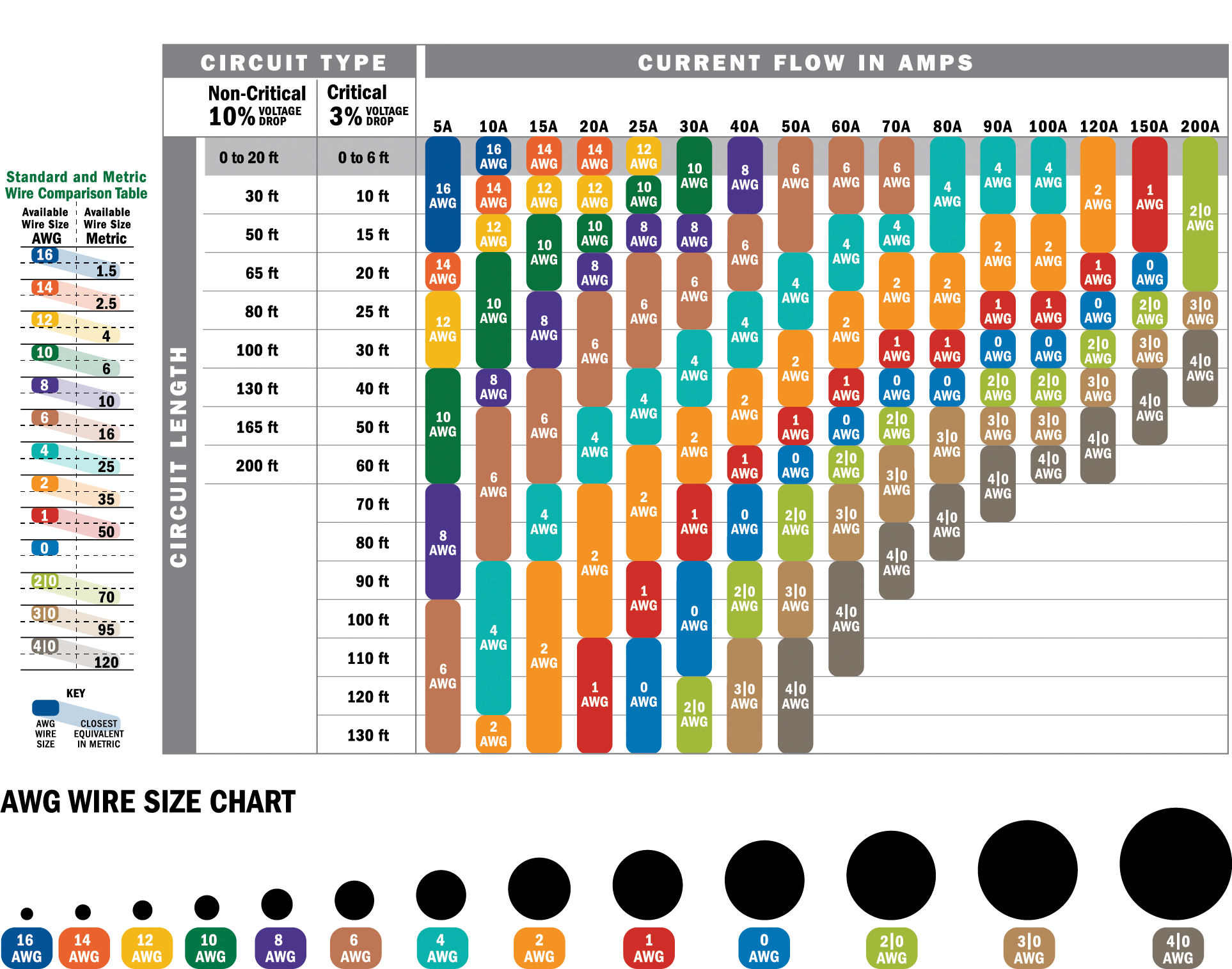
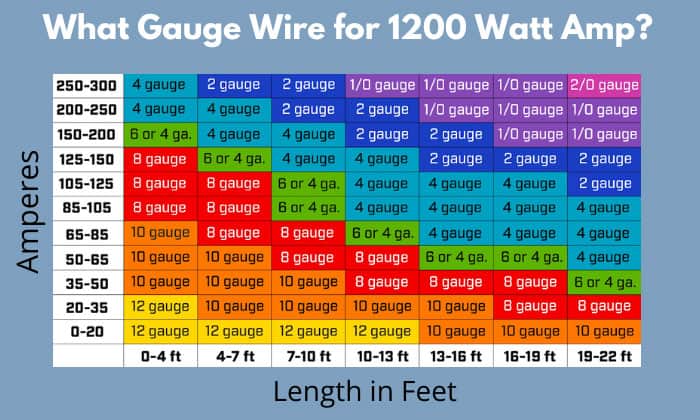
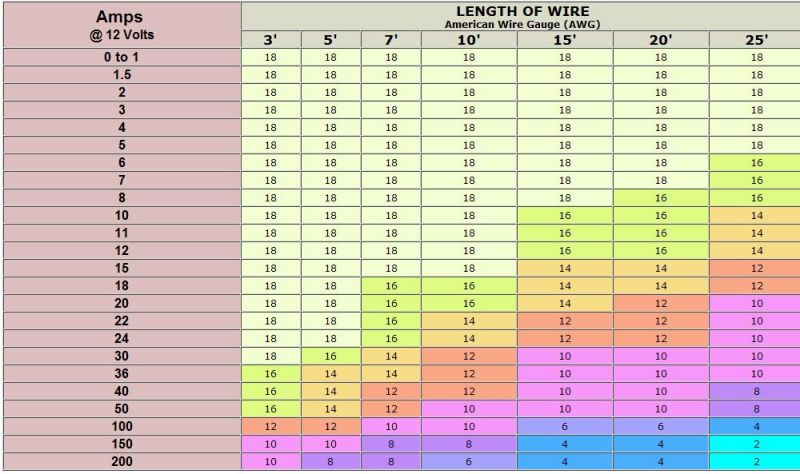
While not directly affecting the ampacity rating, the length of the wire run is crucial to consider due to voltage drop. Longer wire runs experience a greater voltage drop, which can reduce the efficiency of the connected equipment and potentially damage it. While voltage drop doesn't change the safe ampacity, it necessitates using a larger wire gauge to maintain adequate voltage at the load. For long runs powering energy-efficient appliances or smart home devices, consider using 12 gauge wire to minimize voltage drop and ensure optimal performance.
Common Applications for 14 Gauge Wire
14 gauge wire is commonly used for:
- Lighting circuits: Most standard lighting circuits in homes use 14 gauge wire, protected by a 15-amp circuit breaker. This includes general lighting, recessed lighting, and track lighting.
- Receptacle circuits: In some cases, 14 gauge wire is used for general-purpose receptacle circuits, also protected by a 15-amp circuit breaker. However, local codes may require 12 gauge wire for receptacle circuits, especially in kitchens and laundry rooms, which have higher power demands.
- Small appliances: 14 gauge wire can be used for powering small appliances that draw less than 15 amps, such as lamps, fans, and some electronics.
- Smart home devices: Low-power smart home devices like smart thermostats, sensors, and some smart outlets can often be wired with 14 gauge wire, assuming their total power draw is within the 15-amp limit.
Why Correct Wire Gauge Matters for Energy Efficiency and Cost Savings
Using the correct wire gauge is not just about safety; it's also about energy efficiency and long-term cost savings. Here's why:
- Reduced Energy Waste: Undersized wiring leads to increased resistance, causing energy to be lost as heat. This wasted energy translates directly into higher electricity bills.
- Improved Appliance Performance: Adequate wire gauge ensures that appliances receive the correct voltage and current, allowing them to operate at peak efficiency. Insufficient voltage can cause appliances to work harder, consume more energy, and potentially shorten their lifespan.
- Lower Risk of Fire: Overloaded circuits are a leading cause of electrical fires. Using the correct wire gauge prevents overheating and reduces the risk of fire, protecting your home or business and preventing costly damage.
- Extended Equipment Lifespan: Properly sized wiring prevents voltage fluctuations that can damage sensitive electronic equipment, including energy-efficient HVAC systems and smart home devices.
- Compliance with Codes and Regulations: Using the correct wire gauge ensures compliance with local electrical codes, which is essential for safety and can also be a requirement for obtaining permits and insurance.
Integrating Smart HVAC Systems and Smart Home Devices
Smart HVAC systems and smart home devices are increasingly popular for their energy-saving potential. However, integrating these technologies effectively requires careful attention to electrical wiring. For example:
- Smart Thermostats: While many smart thermostats run on low voltage, some require a dedicated 120V circuit. Ensure the wiring is appropriately sized for the thermostat's power requirements.
- Smart Sensors: Wireless sensors typically use batteries, but some require wired connections. Use the correct wire gauge for these connections to ensure reliable operation.
- Energy Monitoring Systems: Whole-house energy monitoring systems can provide valuable insights into energy consumption, but they often require wiring into the main electrical panel. A qualified electrician should handle this wiring, ensuring it meets all safety and code requirements.
Smart HVAC systems, such as variable-speed heat pumps and ductless mini-splits, can significantly reduce energy consumption. However, these systems often require dedicated circuits and properly sized wiring. Consult with a licensed HVAC contractor and electrician to ensure that your wiring is adequate for the new equipment. Many utilities offer rebates and incentives for installing energy-efficient HVAC systems. Be sure to check with your local utility company for available programs.
Best Practices for Working with 14 Gauge Wire
Here are some best practices to follow when working with 14 gauge wire:
- Always de-energize the circuit: Before working on any electrical circuit, turn off the power at the circuit breaker. Use a non-contact voltage tester to verify that the circuit is de-energized.
- Use the correct tools: Use insulated tools specifically designed for electrical work. This includes wire strippers, crimpers, and pliers.
- Make secure connections: Use wire connectors (wire nuts) that are properly sized for the number and gauge of wires being joined. Ensure the connections are tight and secure.
- Follow the NEC: Adhere to the National Electrical Code (NEC) and local electrical codes. The NEC provides detailed guidelines for safe electrical installations.
- Hire a qualified electrician: If you are not comfortable working with electrical wiring, hire a licensed and insured electrician. Electrical work can be dangerous, and it's always best to err on the side of caution.
- Label circuits clearly: Properly label all circuits in your electrical panel. This will make it easier to identify and troubleshoot circuits in the future.
When to Choose a Larger Wire Gauge
While 14 gauge wire is suitable for many applications, there are situations where a larger wire gauge, such as 12 gauge, is necessary. Consider using a larger wire gauge when:
- The circuit will carry a heavy load: If the circuit will power multiple devices or appliances that draw a significant amount of current, use a larger wire gauge to prevent overloading.
- The wire run is long: Longer wire runs experience greater voltage drop. Use a larger wire gauge to minimize voltage drop and ensure that appliances receive adequate voltage.
- Required by local codes: Some local electrical codes may require a larger wire gauge for certain circuits, such as receptacle circuits in kitchens and laundry rooms.
- Future-proofing: Consider using a larger wire gauge to future-proof your electrical system. This will allow you to add more devices or appliances to the circuit without having to rewire it later.
Conclusion
Understanding the 14 gauge wire amp rating and the factors that affect it is crucial for ensuring safe, efficient, and code-compliant electrical installations. By choosing the correct wire gauge, homeowners, businesses, and HVAC professionals can reduce energy waste, improve appliance performance, and minimize the risk of electrical fires. Remember to consult with a qualified electrician if you have any questions or concerns about electrical wiring.
Investing in energy-efficient HVAC systems and smart home devices is a great way to save money and reduce your environmental impact. However, these technologies are only as effective as the electrical wiring that supports them. By paying attention to the details of electrical wiring, you can maximize the energy-saving potential of these technologies and enjoy a more comfortable and sustainable home or business.