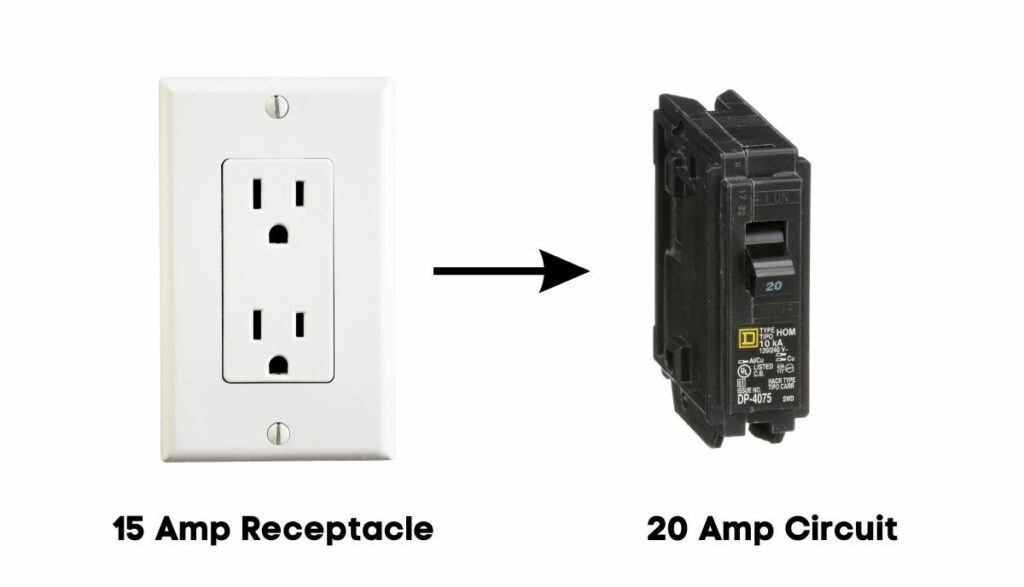
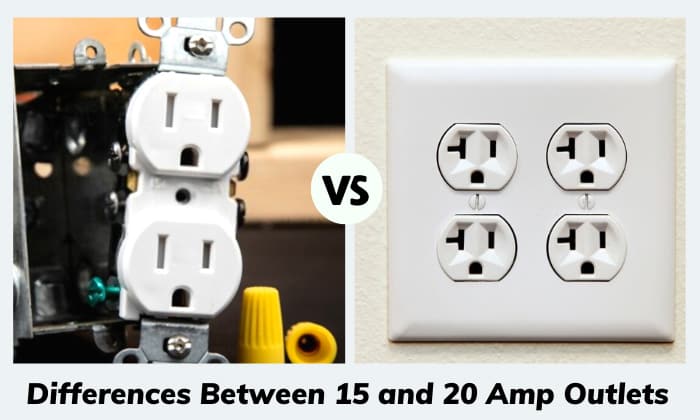
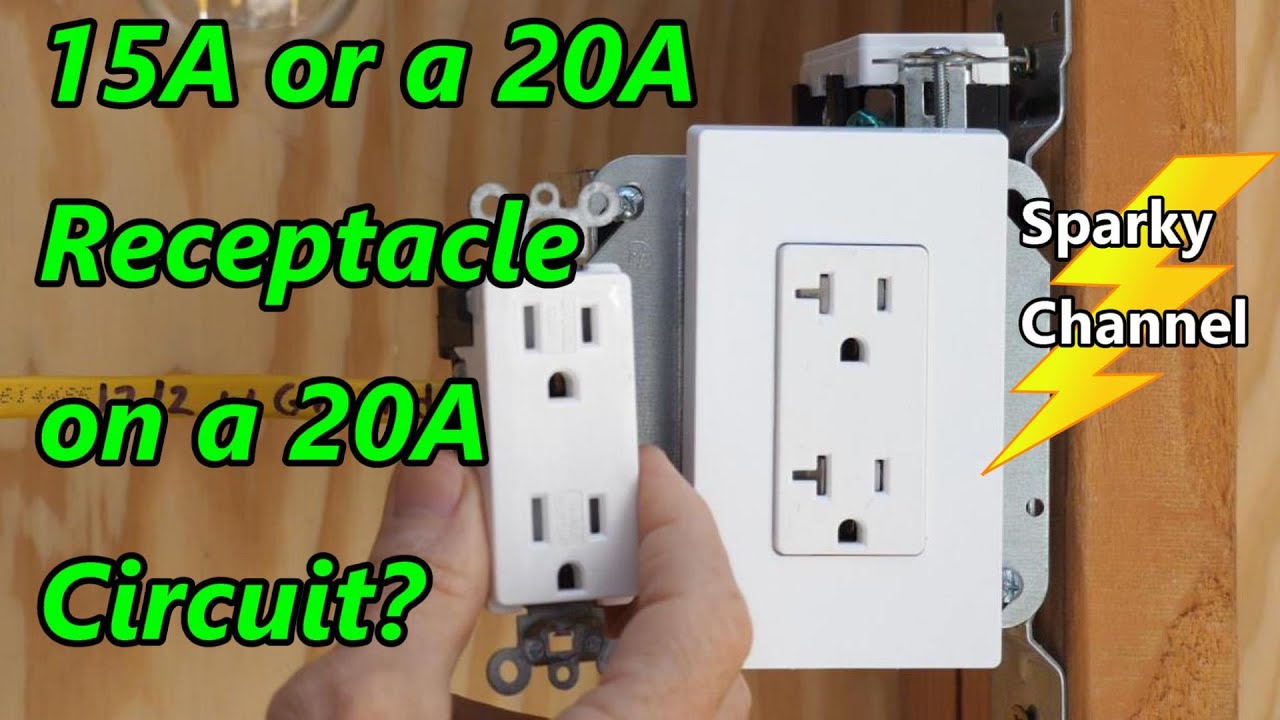
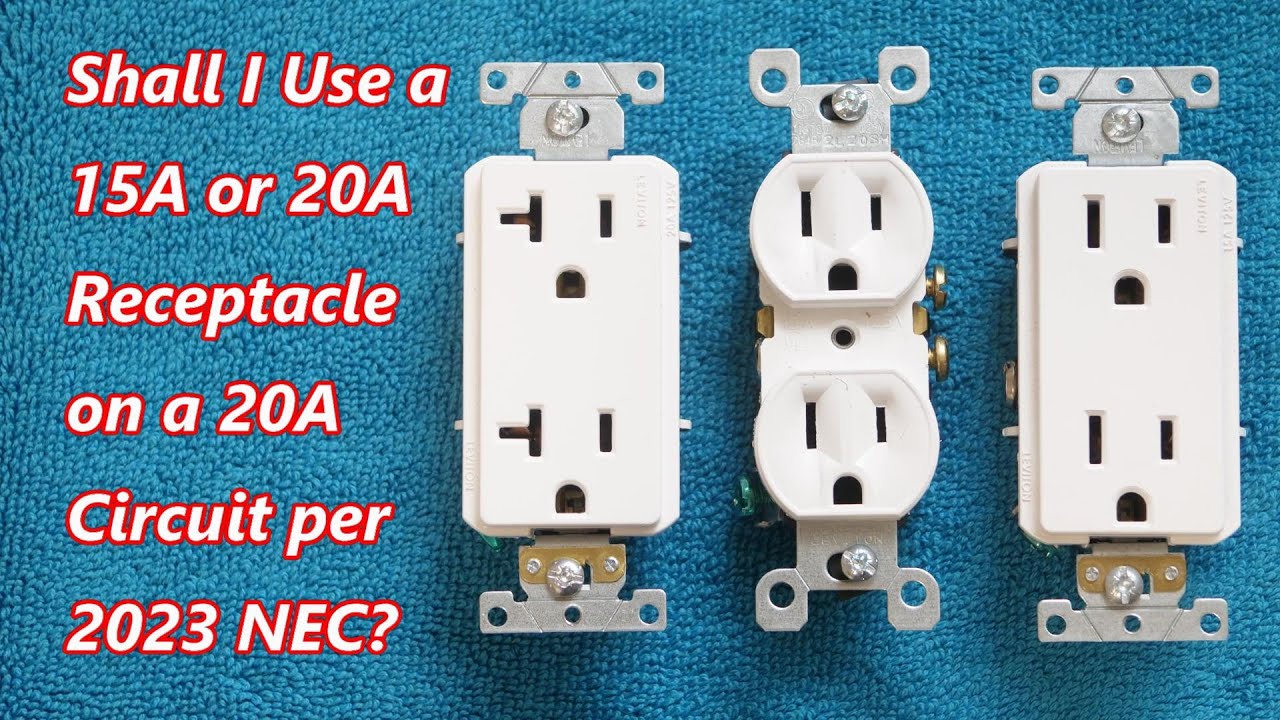
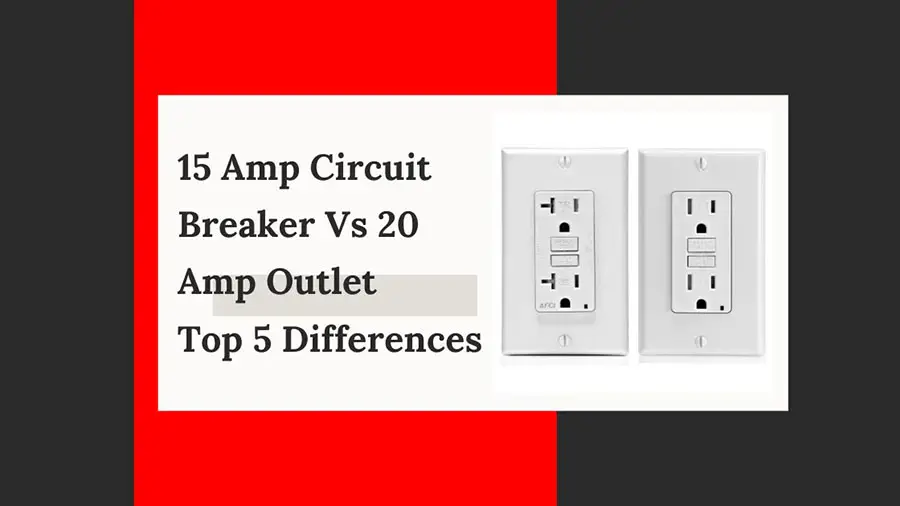
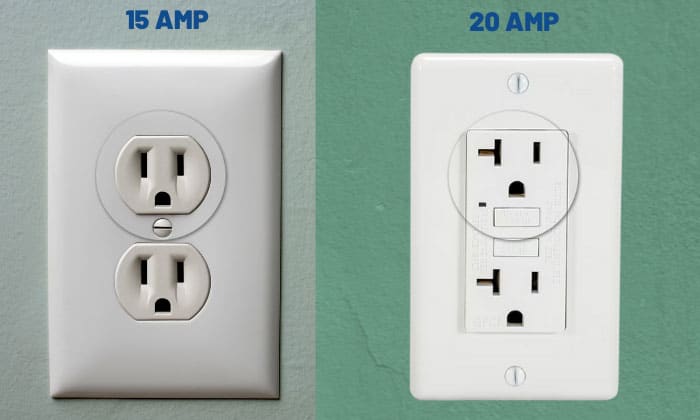
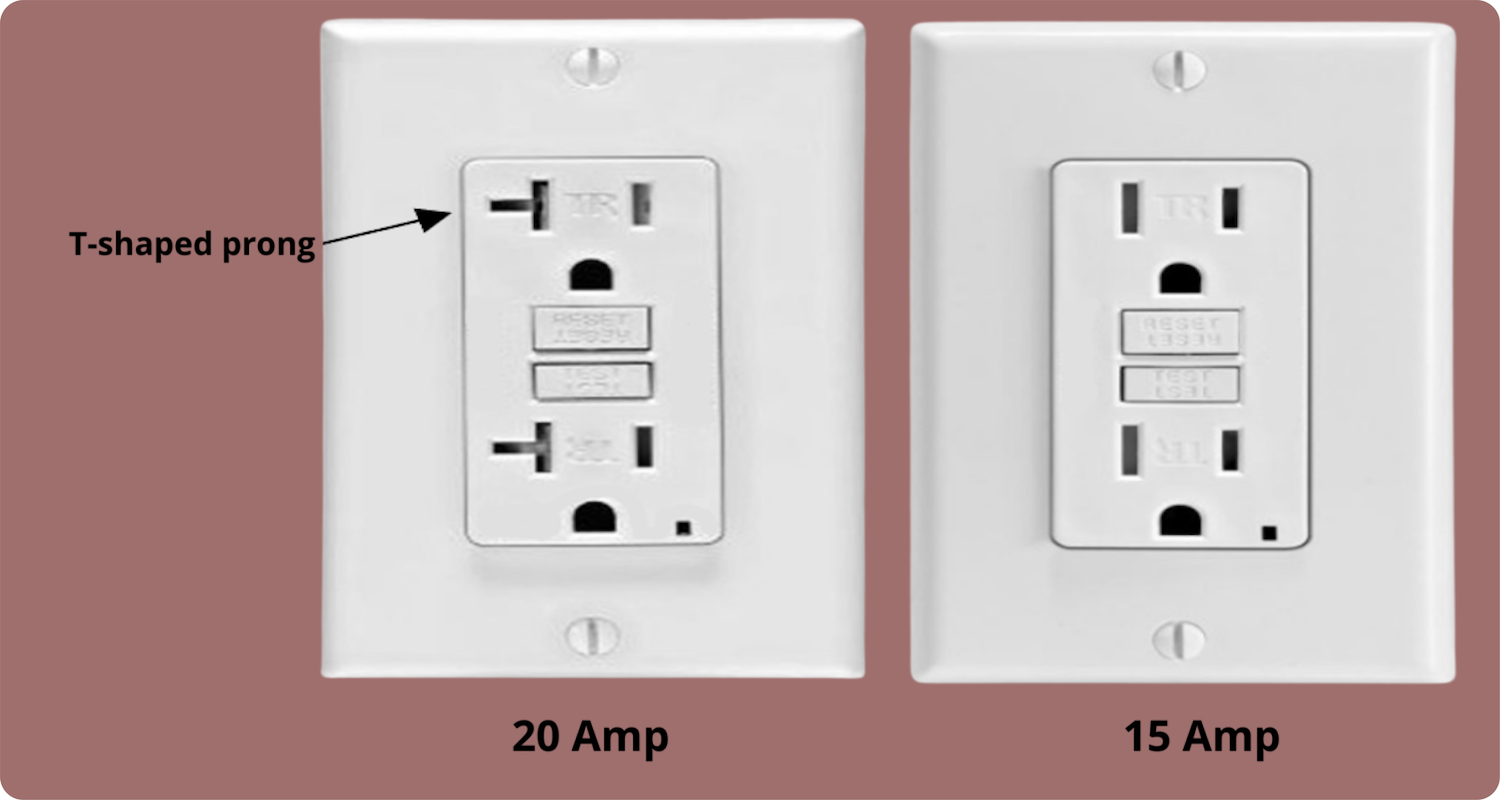
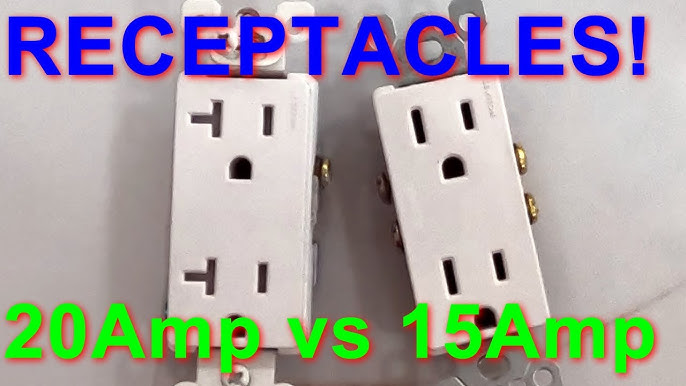
15 Amp Receptacle On 20 Amp Breaker

Is That 15 Amp Receptacle on a 20 Amp Breaker a Problem? Understanding Your HVAC Electrical Needs
When upgrading your HVAC system, understanding the electrical requirements is crucial. A common question that arises, particularly when replacing older units, is whether a 15-amp receptacle can be safely used on a 20-amp circuit breaker. The answer, unfortunately, isn't a straightforward yes or no. It depends on the specific circumstances and the load the HVAC equipment will draw.
The Basics: Amps, Receptacles, and Breakers
Before delving into the specifics, let's establish a clear understanding of the terminology:
- Amp (Ampere): A unit of electrical current. It measures the amount of electricity flowing through a circuit.
- Receptacle (Outlet): The point where you plug in electrical devices. Receptacles are rated by the maximum current they can safely handle.
- Circuit Breaker: A safety device designed to protect electrical circuits from overcurrent. When the current exceeds the breaker's rating, it trips, cutting off power to the circuit.
Generally, a 15-amp receptacle is designed to handle a maximum current of 15 amps, while a 20-amp breaker is designed to protect a circuit from exceeding 20 amps. The breaker should always be rated lower than the wiring's capacity to prevent overheating and potential fire hazards. Standard residential wiring for a 15-amp circuit is typically 14-gauge wire, whereas a 20-amp circuit uses 12-gauge wire.
When is it Acceptable? (And When Is it Definitely Not?)
The National Electrical Code (NEC) allows for 15-amp receptacles on a 20-amp circuit under specific conditions. The key is that there must be more than one receptacle on the circuit. This distribution helps prevent any single device from drawing excessive current and overloading the 15-amp receptacle. However, using a 15-amp receptacle on a 20-amp circuit dedicated solely to a single appliance, such as an HVAC unit, is generally not permissible and is a code violation.
Here's a breakdown:
Acceptable Scenarios:
- Multiple Receptacles: If the 20-amp circuit serves multiple receptacles (e.g., several outlets along a wall), it *may* be acceptable to have some 15-amp receptacles, provided the total load on the circuit doesn't exceed 20 amps.
- Specific HVAC Equipment: Some low-power HVAC components, like condensate pumps or certain control panels, might specify a 15-amp receptacle and draw very little current. In such cases, a 20-amp breaker may be used if the wiring is correctly sized for 20 amps (12-gauge) and the equipment's instructions permit. Always consult the manufacturer's specifications.
Unacceptable Scenarios:
- Dedicated Circuit: Never use a 15-amp receptacle on a 20-amp circuit dedicated solely to a single HVAC unit or any other appliance requiring a significant power draw.
- High-Power Equipment: If the HVAC equipment requires a dedicated 20-amp circuit according to its specifications, you must use a 20-amp receptacle.
- Uncertainty: When in doubt, consult a qualified electrician. It's always better to be safe than sorry when dealing with electricity.
Why the Concern? Potential Hazards
Using a 15-amp receptacle on a 20-amp circuit inappropriately can lead to several potential hazards:
- Overheating: The 15-amp receptacle is designed to handle a maximum of 15 amps. If the HVAC unit draws more than that, the receptacle can overheat, potentially melting the plastic and creating a fire hazard.
- Fire Risk: Overheating can ignite nearby materials, leading to a fire.
- Equipment Damage: Excessive current can damage the HVAC equipment itself, shortening its lifespan and potentially voiding the warranty.
- Nuisance Tripping: While not dangerous, repeatedly tripping the breaker can be annoying and indicate a problem that needs addressing.
What to Do: Correcting the Situation
If you discover a potentially problematic situation, here's what you should do:
- Assess the Situation: Determine if the 15-amp receptacle is on a dedicated circuit or part of a circuit with multiple outlets. Check the HVAC equipment's specifications to determine its power requirements.
- Consult an Electrician: This is the most important step. A qualified electrician can assess the situation, determine the correct wiring and receptacle size, and make the necessary changes to ensure safety and compliance with electrical codes.
- Upgrade the Receptacle: If the HVAC equipment requires a 20-amp circuit, the 15-amp receptacle must be replaced with a 20-amp receptacle. Ensure the wiring is also correctly sized (12-gauge) for a 20-amp circuit.
- Adjust the Breaker (If Necessary): If the wiring is only rated for 15 amps (14-gauge), you should not have a 20-amp breaker installed. An electrician can correctly size the breaker.
HVAC Electrical Needs: A General Guide
Different types of HVAC equipment have different electrical requirements. Here's a general guide, but always refer to the manufacturer's specifications for the specific unit you're considering:
- Window Air Conditioners: Smaller units may run on a standard 15-amp, 120-volt circuit. Larger units might require a dedicated 20-amp circuit.
- Portable Air Conditioners: Similar to window units, smaller models often use a 15-amp circuit, while larger models may need a 20-amp circuit.
- Central Air Conditioners: These typically require dedicated 240-volt circuits, often with a 30-amp or higher breaker, depending on the size and efficiency of the unit.
- Heat Pumps: Similar to central air conditioners, heat pumps usually require dedicated 240-volt circuits with breakers sized according to the unit's specifications.
- Furnaces (Gas or Oil): While the blower motor and controls require electricity, the power draw is typically less than that of air conditioners or heat pumps. A 15-amp circuit is often sufficient, but always check the manufacturer's requirements.
- Mini-Split Systems: The electrical requirements vary depending on the size and configuration of the system. Single-zone systems may use a 15-amp or 20-amp circuit, while multi-zone systems may require a larger dedicated circuit.
HVAC Brands and Electrical Considerations
Here's a brief overview of some popular HVAC brands and general electrical considerations. Always consult the product specifications for accurate information:
- Carrier: Carrier offers a wide range of HVAC systems, from energy-efficient heat pumps to powerful air conditioners. Their higher-end models often require dedicated 240-volt circuits with appropriately sized breakers.
- Trane: Trane is known for its durable and reliable HVAC equipment. Their units typically have clear electrical specifications, making it easier to determine the necessary circuit requirements.
- Lennox: Lennox offers a variety of HVAC systems, including high-efficiency models. Their product literature provides detailed electrical information to ensure proper installation.
- Goodman: Goodman provides more affordable HVAC options. While generally reliable, it's crucial to carefully review the electrical specifications to ensure compatibility with your home's wiring.
- Mitsubishi Electric: Mitsubishi Electric is a leader in mini-split systems. Their systems often have specific voltage and amperage requirements, which should be followed precisely.
Key Takeaways
Navigating the electrical requirements of your HVAC system can seem daunting, but understanding the basics and following these guidelines will help ensure a safe and efficient installation:
- Never assume. Always consult the manufacturer's specifications for the specific HVAC equipment you're installing.
- When in doubt, call an electrician. A qualified electrician can assess your electrical system, identify potential problems, and make the necessary corrections.
- Prioritize safety. Electrical safety is paramount. Never compromise safety to save money or time.
- Ensure proper wiring. Use the correct gauge wire for the circuit breaker size.
- Use the correct receptacle. Match the receptacle rating to the circuit breaker and the equipment's requirements.
By following these guidelines, you can ensure that your new HVAC system is installed safely and efficiently, providing years of reliable comfort.