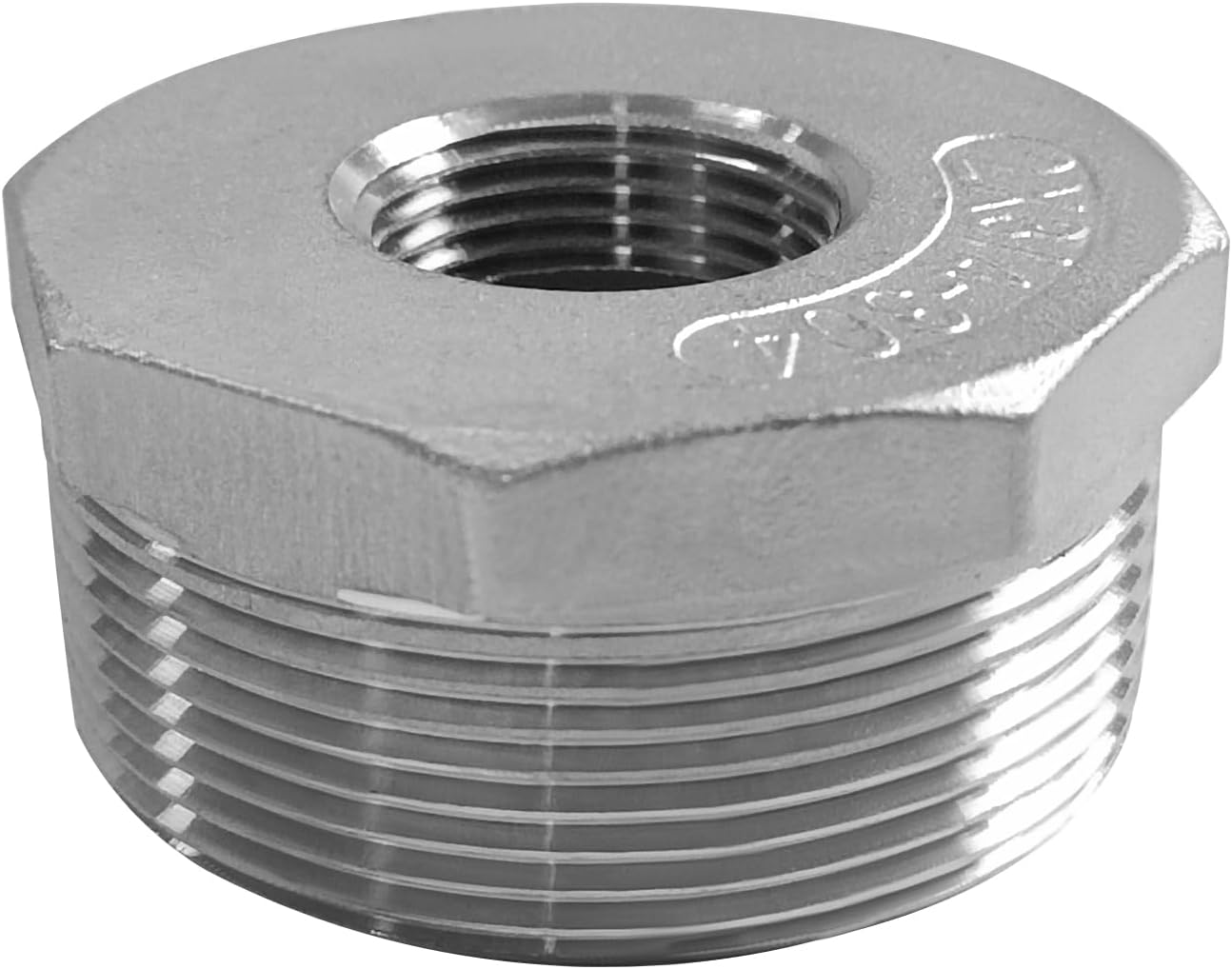
1.5 Female To 1 Male Reducer

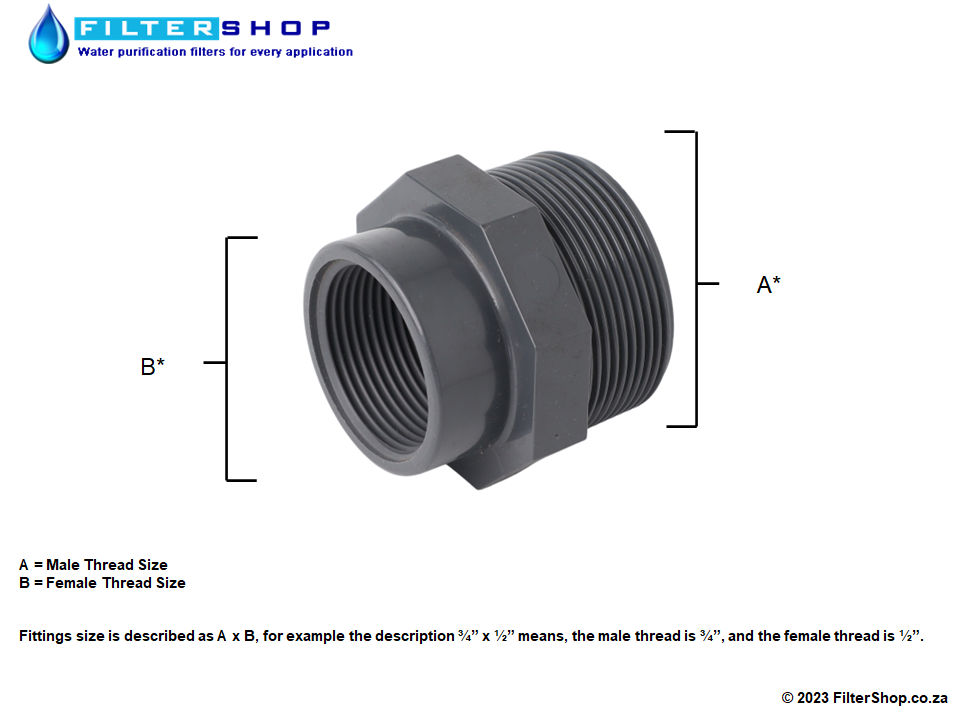
A "1.5 Female to 1 Male Reducer" is a plumbing fitting designed to connect two pipes of different sizes. It has a female connection on one end, sized to accept a 1.5-inch pipe, and a male connection on the other end, sized to fit inside a 1-inch pipe. This allows you to reduce the pipe diameter within your plumbing system.
Understanding the Basics
To understand the function of a 1.5 Female to 1 Male Reducer, let's break down the terminology:
- Female Connection: A female connection, also called an internal thread connection, has threads on the inside of the fitting. It receives a pipe or fitting with male threads.
- Male Connection: A male connection, also called an external thread connection, has threads on the outside of the fitting. It inserts into a female connection.
- Reducer: A reducer is a fitting that changes the diameter of a pipe run. In this case, it reduces from 1.5 inches to 1 inch.
Therefore, the 1.5 Female to 1 Male Reducer has an internally threaded side that accepts a 1.5-inch male-threaded pipe and an externally threaded side that fits into a 1-inch female-threaded pipe or fitting.
Common Applications
These reducers are used in various plumbing and industrial applications. Here are a few examples:
- Plumbing Systems: Connecting drain pipes of different sizes, adapting pipes for fixtures (sinks, toilets, showers), and altering pipe sizes in water supply lines.
- Irrigation Systems: Reducing pipe size to connect sprinkler heads or other irrigation components.
- HVAC Systems: Connecting components with different pipe sizes in heating, ventilation, and air conditioning systems.
- Industrial Piping: Connecting pipes in chemical processing, manufacturing, and other industrial applications where fluid transfer is involved.
Imagine you're installing a new sink. The drain pipe coming from the wall might be 1.5 inches, but the tailpiece on the sink drain might be 1 inch. The reducer bridges that gap, allowing you to make a secure and leak-proof connection.
Materials Used
Reducers are manufactured from various materials, each with its own advantages and disadvantages. The choice of material depends on the specific application, the type of fluid being conveyed, and the operating pressure and temperature.
- PVC (Polyvinyl Chloride): Inexpensive and commonly used for drain, waste, and vent (DWV) systems. Not suitable for hot water or high-pressure applications.
- CPVC (Chlorinated Polyvinyl Chloride): Similar to PVC but can withstand higher temperatures, making it suitable for hot water supply lines.
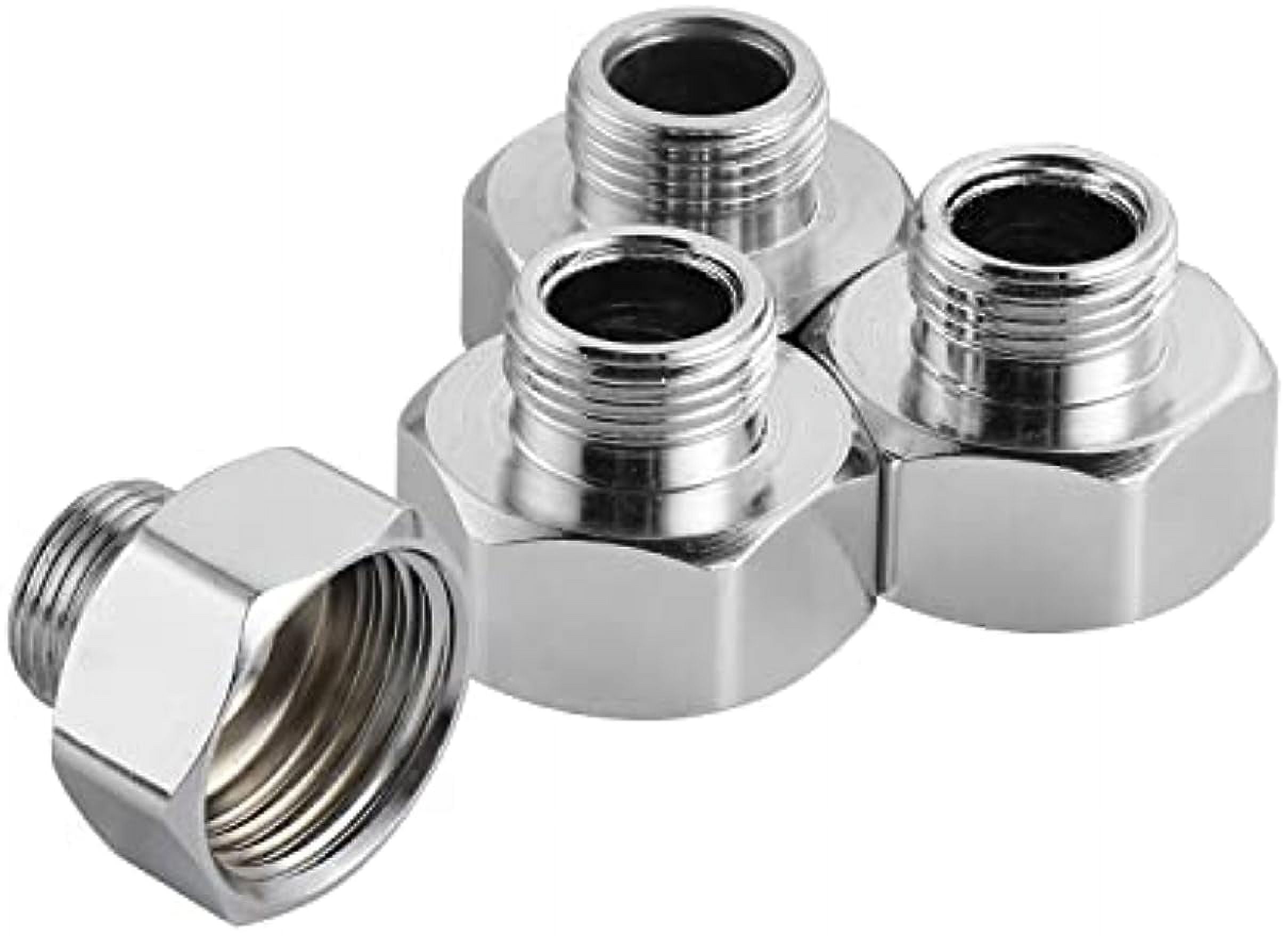
- Brass: Durable, corrosion-resistant, and suitable for both hot and cold water applications. Brass reducers are often used in potable water systems.
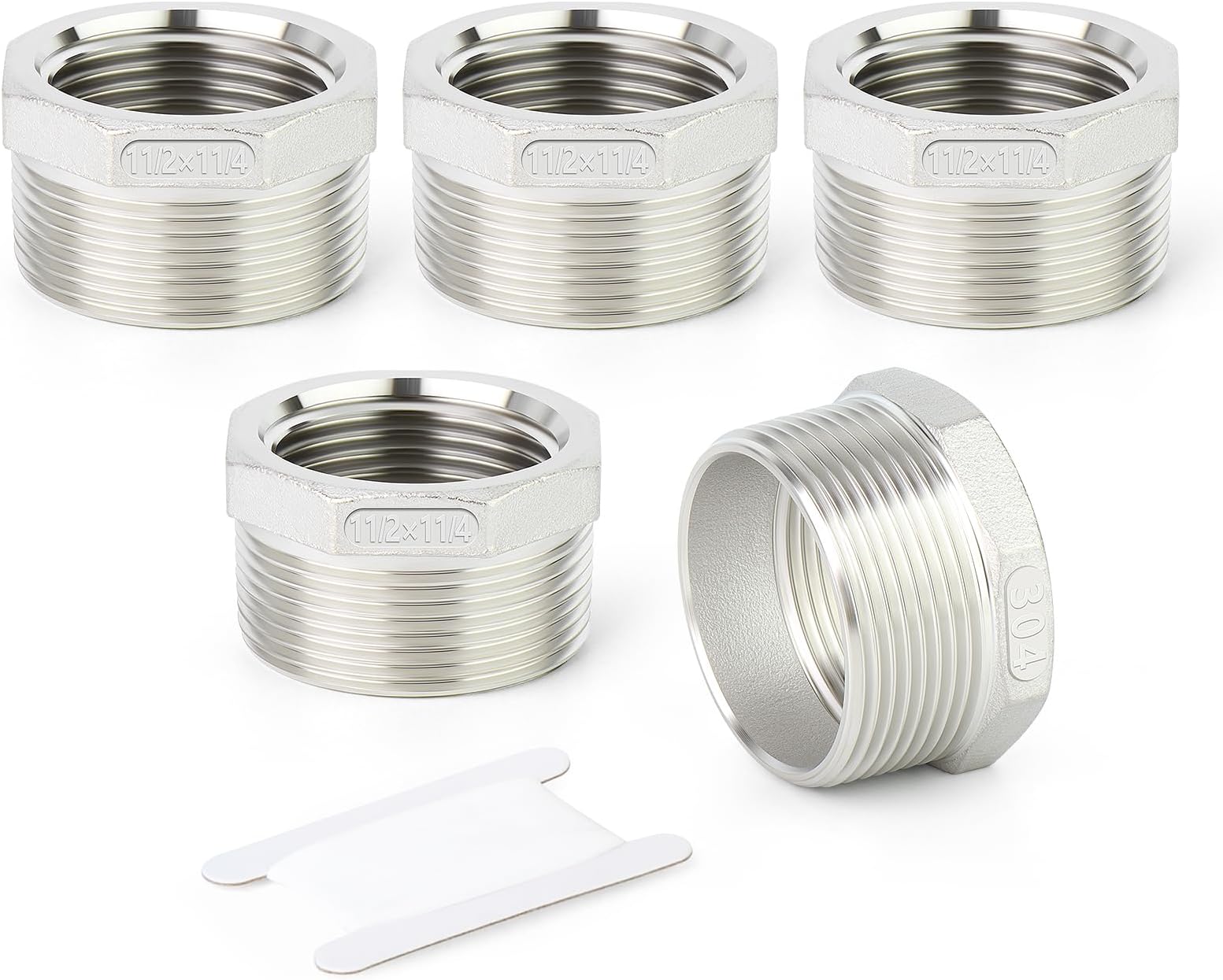
- Stainless Steel: Highly corrosion-resistant and able to withstand high temperatures and pressures. Stainless steel reducers are commonly used in industrial applications and food processing.
- Cast Iron: Strong and durable, commonly used for underground drain and sewer lines.
- Copper: Offers excellent corrosion resistance and heat transfer properties. Often used for water lines, and can be soldered or mechanically joined.
Selecting the right material is crucial for the longevity and performance of your plumbing system. For example, using a PVC reducer for hot water will likely result in failure over time.
Installation Tips and Best Practices
Proper installation is critical to ensure a leak-proof and reliable connection. Here are some tips for installing a 1.5 Female to 1 Male Reducer:
- Prepare the Pipes: Ensure the pipes are clean and free of burrs or debris. Use a pipe cutter to create a clean, square cut.
- Apply Pipe Dope or Teflon Tape: Apply pipe dope (pipe joint compound) or Teflon tape to the male threads to create a watertight seal. Follow the manufacturer's instructions for the specific product you are using.
- Tighten Properly: Tighten the connections securely, but avoid over-tightening, which can damage the threads or the fitting. Use appropriate wrenches for the pipe size.
- Check for Leaks: After installation, turn on the water supply and check for leaks. If you find a leak, tighten the connection slightly. If the leak persists, disassemble the connection, reapply pipe dope or Teflon tape, and reassemble.
- Use the Right Tools: Invest in quality pipe cutters, wrenches, and other plumbing tools to ensure a professional-looking and reliable installation.
Think of it like changing a tire on your car. You need the right tools, you need to follow the proper procedure, and you need to tighten the lug nuts to the correct torque to prevent problems down the road.
Potential Problems and Solutions
Even with careful installation, problems can sometimes arise. Here are some common issues and how to address them:
- Leaks: Leaks are the most common problem. They are usually caused by improper threading, insufficient pipe dope or Teflon tape, or over-tightening. Re-taping or re-doping the threads and re-tightening the connection often resolves the issue.
- Cross-Threading: Cross-threading occurs when the threads of the fitting and the pipe don't align properly, resulting in a damaged connection. Avoid forcing the connection. Back the fitting off and realign the threads before tightening. If the threads are damaged, you may need to replace the fitting.
- Material Failure: If the reducer is made of an inappropriate material for the application (e.g., PVC used for hot water), it can crack or fail over time. Replace the fitting with one made of a suitable material.
- Corrosion: Corrosion can occur, especially with dissimilar metals. For example, connecting a brass fitting directly to a steel pipe can cause galvanic corrosion. Use dielectric unions or fittings to prevent corrosion in these situations.
Regularly inspecting your plumbing for signs of leaks or corrosion can help you identify and address problems before they become major issues.
Choosing the Right Reducer
Selecting the correct 1.5 Female to 1 Male Reducer is critical for a successful plumbing project. Here are some factors to consider:
- Material: Choose a material that is compatible with the fluid being conveyed, the operating temperature, and the pressure. Consider the long-term durability of the material in the specific environment.
- Thread Type: Ensure that the reducer has the correct thread type for your pipes (e.g., NPT, BSPT). Mismatched thread types will not seal properly and can damage the fittings.
- Pressure Rating: Select a reducer with a pressure rating that is suitable for the maximum pressure in your plumbing system. Exceeding the pressure rating can cause the fitting to fail.
- Compliance with Codes: Ensure that the reducer meets all applicable plumbing codes and regulations in your area.
- Application: Consider the specific application. For example, a reducer used for potable water should be lead-free and certified for drinking water use.
Always consult with a qualified plumber if you are unsure about which reducer is right for your application.
Alternative Fittings
While a 1.5 Female to 1 Male Reducer is a common solution for reducing pipe size, there are other fitting options that may be more appropriate in certain situations:
- Reducing Coupling: A reducing coupling is a fitting that joins two pipes of different sizes in a straight line. It typically has solvent-weld connections for PVC or CPVC pipes.
- Reducing Bushing: A reducing bushing is a fitting that screws into a larger fitting to reduce its size. For example, a 1.5-inch to 1-inch reducing bushing can be screwed into a 1.5-inch female fitting to create a 1-inch female connection.
- Bell Reducer: A bell reducer is a fitting that gradually reduces the pipe diameter. It is often used in drainage systems to prevent turbulence and clogging.
The best choice of fitting depends on the specific requirements of the application, the available space, and the desired flow characteristics.
Cost Considerations
The cost of a 1.5 Female to 1 Male Reducer varies depending on the material, brand, and vendor. PVC reducers are generally the least expensive, while stainless steel reducers are the most expensive. Brass and CPVC reducers fall somewhere in between.
Consider the long-term cost of the fitting, including the cost of replacement and potential damage from leaks. A higher-quality, more durable fitting may be a better investment in the long run.
Safety Precautions
Plumbing work can be hazardous if not done properly. Here are some safety precautions to take when working with plumbing fittings:
- Wear Safety Glasses: Protect your eyes from flying debris.
- Wear Gloves: Protect your hands from sharp edges and chemicals.
- Turn Off the Water Supply: Before working on any plumbing system, turn off the water supply to prevent flooding.
- Follow Manufacturer's Instructions: Always follow the manufacturer's instructions for installing and using plumbing fittings.
- Obtain Necessary Permits: Check with your local building department to determine if any permits are required for your plumbing project.
- Know Your Limits: If you are not comfortable performing plumbing work, hire a qualified plumber.
Maintenance
Once installed, a 1.5 Female to 1 Male Reducer typically requires little maintenance. However, it's a good idea to periodically inspect the fitting for signs of leaks or corrosion. If you notice any problems, address them promptly to prevent further damage.
Conclusion
The 1.5 Female to 1 Male Reducer is a versatile and essential fitting for various plumbing and industrial applications. By understanding its function, materials, installation techniques, and potential problems, you can ensure a reliable and leak-proof connection. Remember to choose the right material and size for your specific needs and always follow proper safety precautions.