15 Hp Motor Amps 3 Phase

Understanding the electrical demands of a 15 horsepower (HP) motor operating on a 3-phase power system is crucial for homeowners, HVAC technicians, and facility managers alike. This knowledge impacts everything from selecting appropriately sized circuit breakers to optimizing energy efficiency in heating, ventilation, and air conditioning (HVAC) systems. This article provides a comprehensive guide to 15 HP motor amp draws, covering various voltage levels, calculations, and real-world applications within the HVAC industry.
Fundamentals of Motor Amperage
Before diving into specific amp values for a 15 HP 3-phase motor, let's establish some foundational concepts. Horsepower (HP) is a unit of power, representing the rate at which work is done. In electrical terms, it relates to the amount of electrical energy a motor consumes. Amperage (amps), on the other hand, is a measure of electrical current – the flow of electrons through a conductor. A motor converts electrical energy into mechanical energy to perform tasks like turning a fan or compressor.
The relationship between horsepower, voltage, and amperage is defined by the following formula (simplified for AC motors):
HP = (Voltage x Current x Efficiency x Power Factor x √3) / 746
Where:
- Voltage (V): The electrical potential difference. Common 3-phase voltages are 208V, 230V, 460V, and 575V.
- Current (I or Amps): The flow of electricity. This is what we're trying to determine.
- Efficiency (Eff): A measure of how well the motor converts electrical energy into mechanical energy. Typically expressed as a percentage.
- Power Factor (PF): The ratio of real power (kW) to apparent power (kVA). It indicates how effectively the electrical power is being used.
- √3 (Square Root of 3): A constant used for 3-phase power calculations, approximately 1.732.
- 746: The conversion factor from horsepower to watts (1 HP = 746 watts).
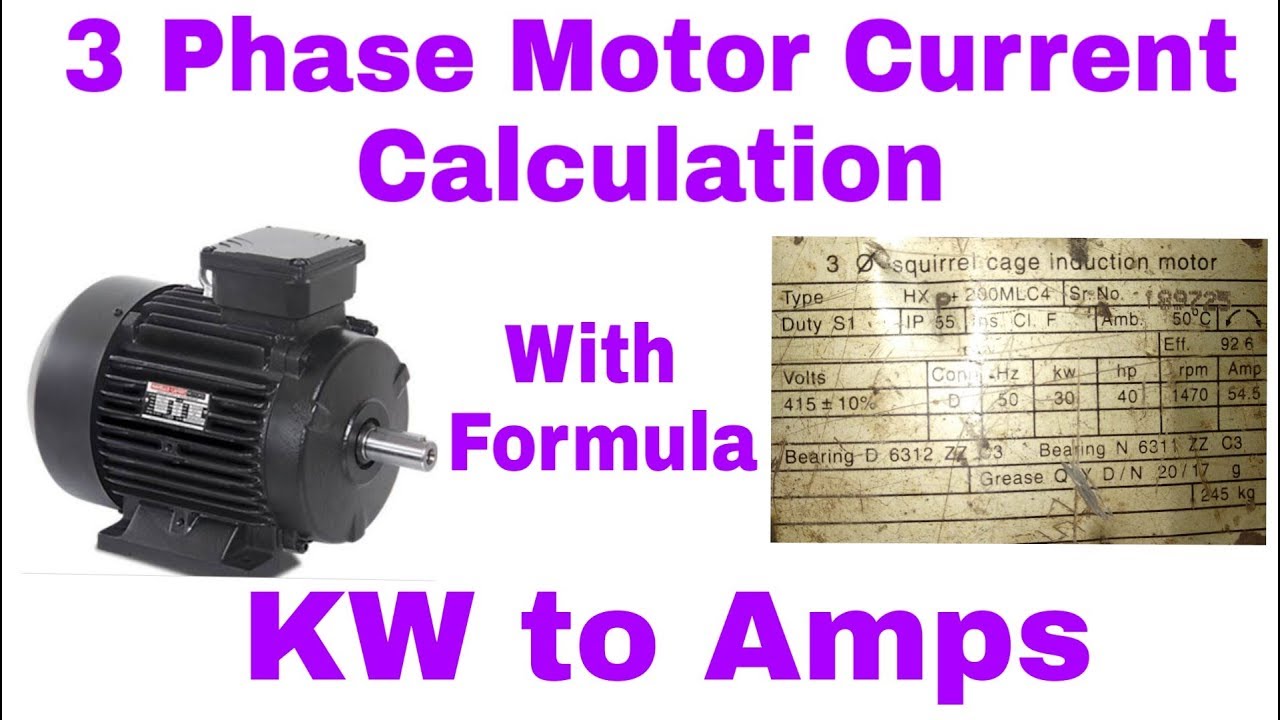
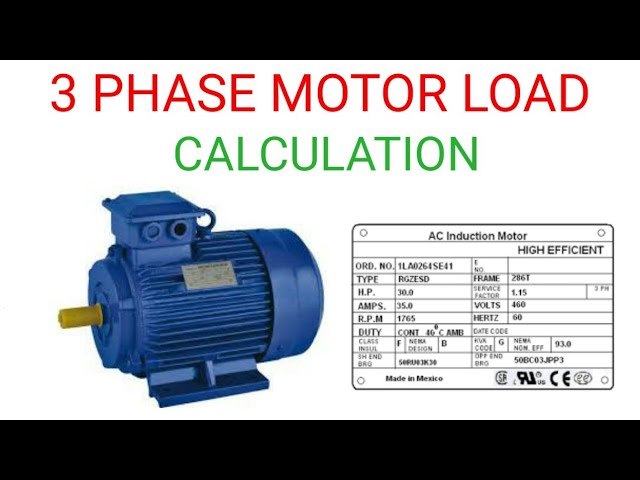
Manufacturers provide Full Load Amps (FLA) ratings on the motor nameplate. This is the maximum current the motor is designed to draw under normal operating conditions at its rated voltage and horsepower. Always refer to the motor nameplate as the primary source for FLA information.
Typical Amp Draws for a 15 HP 3-Phase Motor
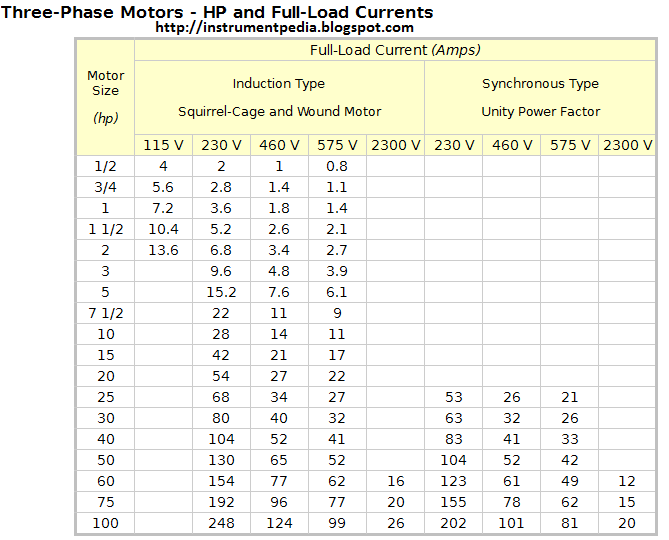
While the exact amp draw varies slightly based on the motor's efficiency and power factor, the following values provide a general guideline for different voltage levels:
- 208V: Approximately 42 Amps
- 230V: Approximately 38 Amps
- 460V: Approximately 19 Amps
- 575V: Approximately 15 Amps
These are approximate FLA values. Always consult the motor's nameplate for the precise FLA rating. Furthermore, these are *running* amps. Starting amps can be significantly higher (see section on inrush current below).
Example: A 15 HP motor used in a commercial building's chiller system is rated for 460V. The motor nameplate specifies an FLA of 19 amps. This means that under full load conditions, the motor will draw approximately 19 amps from each of the three phases of the 460V power supply.
Calculating Motor Amps
Let's demonstrate how to calculate the amperage using the formula from above. Assume we have a 15 HP motor operating at 460V with an efficiency of 90% (0.90) and a power factor of 0.85.
First, rearrange the formula to solve for Current (I):
I = (HP x 746) / (Voltage x Efficiency x Power Factor x √3)
Now, plug in the values:
I = (15 x 746) / (460 x 0.90 x 0.85 x 1.732)
I = 11190 / 610.25
I ≈ 18.34 Amps
This calculated value of 18.34 amps is close to the general guideline of 19 amps for a 460V 15 HP motor. The slight difference is due to the assumed efficiency and power factor values.
Importance of Motor Efficiency and Power Factor
As the calculation above illustrates, motor efficiency and power factor significantly impact the amperage. A more efficient motor requires less electrical energy to deliver the same amount of mechanical power, resulting in lower amperage. Similarly, a higher power factor indicates more efficient use of electrical power, also leading to lower amperage.
Investing in high-efficiency motors can lead to significant energy savings over the motor's lifespan. While the initial cost may be higher, the reduced energy consumption can result in a lower total cost of ownership, especially in applications where the motor runs frequently or continuously, such as in large HVAC systems.
Inrush Current (Starting Amps)
It's crucial to understand that motors draw a significantly higher current during startup than during normal operation. This is known as inrush current or locked rotor amps (LRA). Inrush current can be 5 to 7 times the FLA. This surge of current is necessary to overcome the motor's inertia and bring it up to speed.
For a 15 HP motor, the inrush current could be in the range of 190 to 266 amps at 460V (assuming FLA of 38 amps times a factor of 5 to 7). This high inrush current must be considered when selecting circuit breakers, fuses, and motor starters to prevent nuisance tripping.
Example: If a 15 HP motor has an FLA of 19 amps at 460V, and its LRA is six times the FLA (6 x 19 = 114 amps), the circuit breaker must be sized to handle this 114 amp surge at startup, even though the motor will only draw 19 amps during normal operation.
HVAC Applications of 15 HP Motors
15 HP motors are commonly found in various HVAC applications, including:
- Chiller Compressors: In smaller chiller units for commercial buildings. The motor drives the compressor, which circulates refrigerant to cool water that is then used for air conditioning.
- Large Air Handlers: Driving the blower fans that circulate air throughout a building's ventilation system.
- Cooling Tower Fans: For dissipating heat from the condenser water loop in cooling towers.
- Pumps: Circulating chilled water or condenser water in HVAC systems.
In these applications, understanding the motor's amperage is vital for proper system design, maintenance, and troubleshooting. Overloaded motors can overheat, leading to premature failure and costly downtime. Properly sized electrical components protect the motor and ensure reliable operation.
Selecting Appropriate Electrical Components
Choosing the correct electrical components is critical for safe and reliable motor operation. This includes:
- Circuit Breakers or Fuses: These protect the motor and electrical system from overloads and short circuits. They must be sized to handle the motor's inrush current and FLA. Local electrical codes and the National Electrical Code (NEC) provide guidelines for proper sizing.
- Motor Starters: These provide controlled starting of the motor, reducing the inrush current and protecting the motor from voltage fluctuations. Various types of motor starters are available, including across-the-line starters, reduced voltage starters (e.g., soft starters, autotransformer starters), and variable frequency drives (VFDs).
- Wiring: The wiring must be sized appropriately to handle the motor's FLA without overheating. Wire gauge is determined by the amperage and the distance between the power source and the motor.
- Overload Relays: Integrated into the motor starter, overload relays protect the motor from sustained overcurrent conditions that can cause overheating and damage.
Consulting with a qualified electrician or HVAC technician is essential to ensure that all electrical components are properly selected and installed according to applicable codes and standards.
Troubleshooting Motor Problems
If a 15 HP motor is drawing excessive current, it could indicate a problem with the motor itself or with the equipment it is driving. Common causes of high amperage include:
- Overload: The motor is working harder than it was designed to, perhaps due to a clogged air filter, a failing bearing, or excessive load on the driven equipment.
- Voltage Imbalance: Unequal voltage across the three phases can cause the motor to draw excessive current.
- Winding Fault: A short circuit or ground fault within the motor windings can cause high amperage.
- Mechanical Problems: Binding or friction in the driven equipment can increase the motor's load.
Using an ammeter to measure the current draw on each phase of the motor can help diagnose the problem. A qualified electrician or HVAC technician should be consulted to troubleshoot and repair any motor problems.
Variable Frequency Drives (VFDs)
Variable Frequency Drives (VFDs) offer advanced motor control capabilities. They allow you to adjust the motor's speed by changing the frequency of the electrical power supplied to it. This provides several benefits, including:
- Energy Savings: By matching the motor's speed to the actual demand, VFDs can significantly reduce energy consumption, especially in variable-load applications like fans and pumps.
- Reduced Inrush Current: VFDs provide a soft start, gradually increasing the motor's speed and eliminating the high inrush current associated with traditional motor starters.
- Improved Process Control: VFDs allow for precise control of motor speed, improving the performance of the driven equipment.
While VFDs are more expensive than traditional motor starters, the energy savings and improved control they offer can often justify the investment, particularly in larger HVAC systems.
Conclusion
Understanding the amperage requirements of a 15 HP 3-phase motor is essential for homeowners, HVAC technicians, and facility managers. By knowing the FLA, inrush current, and the impact of factors like motor efficiency and power factor, you can select appropriate electrical components, optimize energy efficiency, and troubleshoot motor problems effectively. Always consult the motor's nameplate for the most accurate information and consult with qualified professionals for any electrical work or motor repairs. Proper motor management ensures reliable operation, reduced energy costs, and a longer lifespan for your HVAC equipment.