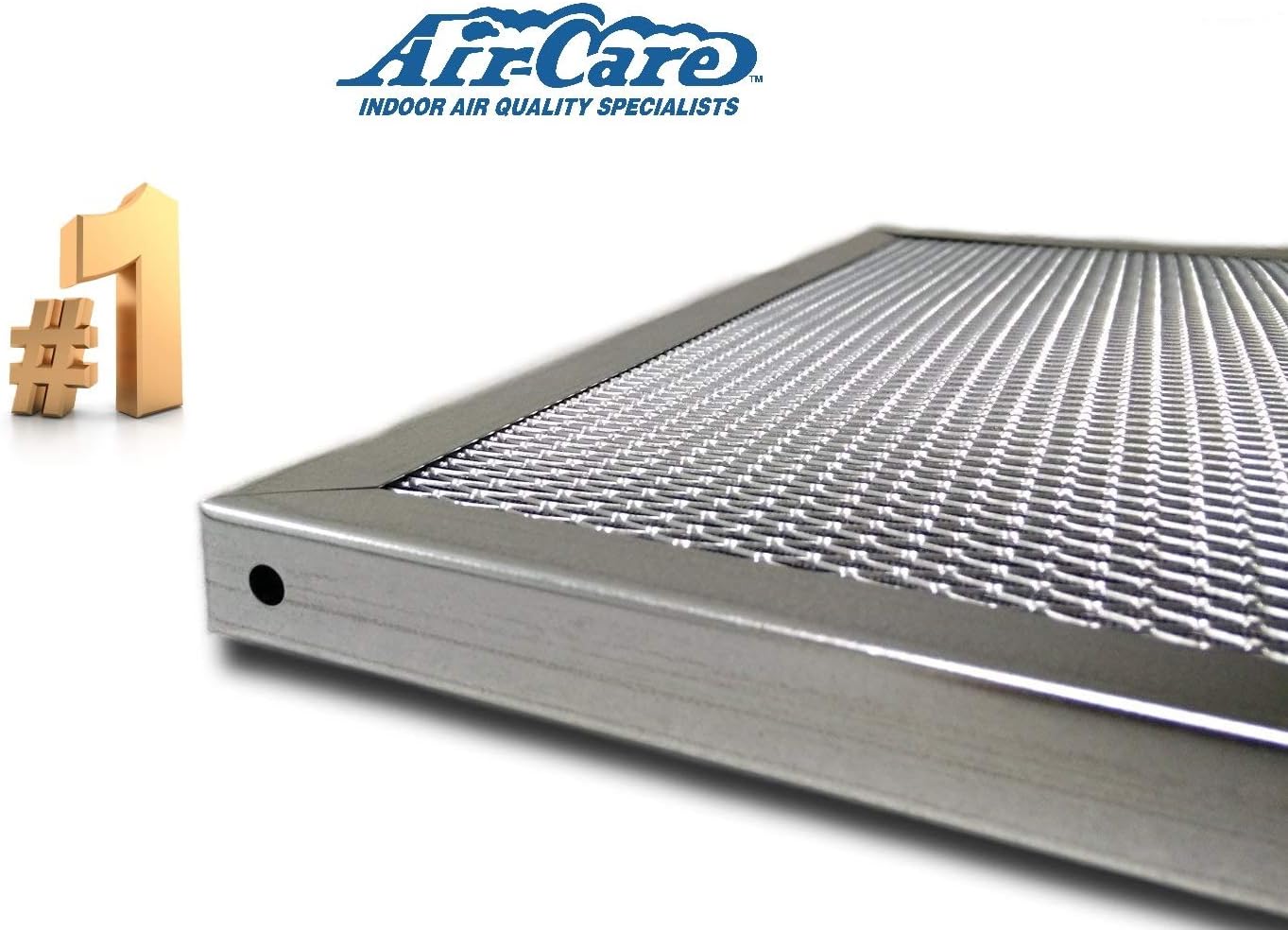
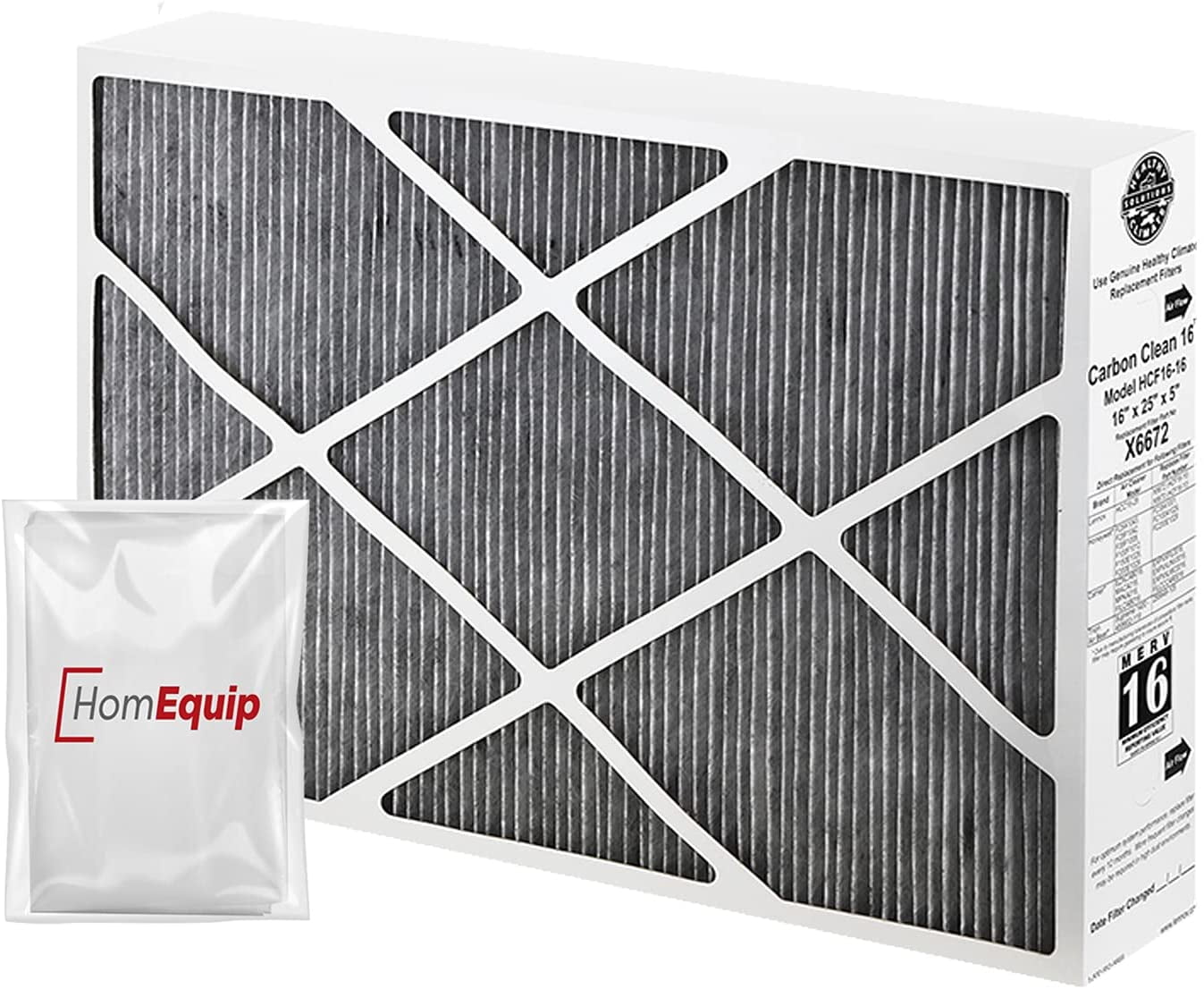
16 By 25 By 1 Inch Furnace Filters

One of the most common frustrations homeowners face, especially during peak heating and cooling seasons, is a furnace or air conditioner that isn't performing as expected. You might notice inconsistent temperatures, rooms that are too hot or too cold, or even a system that seems to run constantly without ever reaching the desired setting. While several factors can contribute to these problems, a surprisingly frequent culprit is the humble 16x25x1 inch furnace filter.
This article provides a practical, step-by-step guide to troubleshoot issues related to your furnace filter, empowering you to diagnose and potentially resolve the problem yourself. We’ll cover what you can check without tools, what requires basic equipment, and, most importantly, when it's time to call in a professional HVAC technician.
Step 1: The Visual Inspection - Your First Line of Defense
This step requires no tools and should always be your starting point. It’s about observing the condition of your filter and the surrounding area.
1.1. Locate Your Filter
First, you need to find where your filter is located. This is usually in one of two places:
* Inside the Furnace Unit: Often, there’s a slot or door on the side of your furnace where the filter slides in. This is the most common location. * In the Return Air Vent: Some homes have a larger return air vent (the vent that sucks air into the furnace) that houses the filter. This vent is usually located on a wall or ceiling in a central area of your home.Once you've located the filter housing, open it carefully. You might need to unlatch a door or slide off a panel.
1.2. Observe the Filter's Condition
Carefully remove the filter and hold it up to the light. Ask yourself these questions:
* How Dirty is it? A brand-new filter will be clean and white (or whatever color it's supposed to be). A moderately used filter will have a light coating of dust. A heavily clogged filter will be dark gray or even black, with visible debris caked onto the surface. This is the most important visual cue. * Is it Bent or Damaged? Check for any obvious bends, tears, or punctures in the filter material. A damaged filter won’t effectively capture dust and debris. * Is it the Correct Size and Type? Confirm that the filter is actually a 16x25x1 inch filter (or the size specified for your furnace). Also, check the MERV (Minimum Efficiency Reporting Value) rating. Using a filter with a drastically different MERV rating than recommended can impact airflow and system efficiency. * Is the Airflow Direction Correct? Filters usually have an arrow printed on the frame indicating the direction of airflow. Make sure the filter was installed with the arrow pointing towards the furnace. Incorrect installation can drastically reduce its effectiveness.DIY Action: If the filter is excessively dirty, replace it immediately with a new 16x25x1 inch filter. Make sure to install it with the airflow arrow pointing in the correct direction. If the filter is damaged, replace it regardless of how clean it looks.
1.3. Check the Filter Housing
While the filter is removed, take a quick look inside the filter housing:
* Is it Clean? Use a vacuum cleaner with a brush attachment to remove any loose dust or debris from inside the housing. This will prevent the new filter from getting dirty prematurely. * Is the Filter Properly Seated? Ensure the filter fits snugly within the housing. There shouldn't be any gaps around the edges where unfiltered air can bypass the filter.DIY Action: Vacuum the filter housing if needed. Make sure the new filter fits snugly and securely in the housing.
Step 2: Assessing Airflow – Feeling the Difference
After inspecting (and potentially replacing) the filter, it's time to assess the airflow coming from your vents. This step requires no tools, but relies on your senses.
2.1. Check the Airflow from Supply Vents
Turn on your furnace or air conditioner. Go to several of your supply vents (the vents that blow air out into the room) and feel the airflow. Note the following:
* Is the Airflow Strong? The airflow should be noticeable and consistent. A weak or barely perceptible airflow can indicate a restriction somewhere in the system. * Is the Airflow Consistent Across Different Vents? While some variation is normal, there shouldn’t be a drastic difference in airflow between vents. A significant disparity could point to ductwork issues or other problems. * Is the Air Temperature Appropriate? If your furnace is running, the air should feel warm. If your air conditioner is running, the air should feel cool. If the air is lukewarm or the same temperature as the room, there might be a problem.DIY Action: If the airflow is weak, but the filter was extremely dirty and you've just replaced it, give the system some time (1-2 hours) to see if the airflow improves. A severely clogged filter can restrict airflow to the point where it takes time for the system to recover.
2.2. Listen for Unusual Noises
While the system is running, listen carefully for any unusual noises coming from the furnace unit or the ductwork:
* Whistling: A whistling sound can indicate a restricted airflow, often caused by a clogged filter or blocked ductwork. * Rattling: A rattling sound might indicate loose components within the furnace or ductwork. * Banging: A banging sound can indicate more serious mechanical problems within the furnace. * Increased Fan Noise: If the blower fan is working harder to overcome a restricted airflow, it might sound louder than usual.DIY Action: If you hear any unusual noises, turn off the system immediately. Unusual noises often indicate a more serious problem that requires professional attention.
Step 3: Using Basic Tools – A Deeper Dive
If the previous steps haven’t revealed the problem, it's time to use some basic tools to investigate further. Always turn off the power to the furnace at the breaker box before attempting any of these steps.
3.1. Thermometer Check
Equipment Needed: Thermometer (digital or analog).
Measure the air temperature at a supply vent with the furnace running for at least 15 minutes. Compare this temperature to the temperature setting on your thermostat. Also, measure the temperature at a return vent. The temperature difference between the supply and return vents should be within a certain range (typically 15-25 degrees Fahrenheit for heating, and 15-20 degrees Fahrenheit for cooling). A significantly lower temperature difference can indicate a problem with the furnace or air conditioner's heating or cooling capacity. If you are not sure how to do this safely, skip to Step 4.
DIY Action: If the temperature difference is significantly lower than expected, and you've already replaced the filter, it's likely a more complex issue that requires professional diagnosis.
3.2. Inspecting Ductwork (Visually)
Equipment Needed: Flashlight.
Visually inspect the accessible ductwork (the parts you can see without removing walls or ceilings). Look for the following:
* Leaks: Check for any obvious leaks in the ductwork, such as gaps between sections or tears in the duct tape. Leaks can significantly reduce the efficiency of your system. * Collapses or Kinks: Make sure the flexible ductwork isn’t collapsed or kinked, as this can restrict airflow. * Insulation Damage: Check for damaged or missing insulation on the ductwork. Proper insulation is essential for maintaining air temperature.DIY Action: You can temporarily seal small leaks with duct tape. However, for more significant damage or difficult-to-reach areas, professional ductwork repair or replacement is recommended. Do not attempt to repair or modify ductwork inside walls or ceilings unless you are a qualified professional.
Step 4: When to Call a Professional – Knowing Your Limits
While replacing a dirty filter is a simple DIY task, certain issues require the expertise of a qualified HVAC technician. It's important to recognize your limits and prioritize safety. Never attempt repairs or modifications to the furnace itself unless you are a qualified HVAC professional.
Call a Professional if:
* You smell gas: If you smell gas near the furnace, evacuate the area immediately and call your gas company and the fire department. * You hear unusual noises coming from the furnace itself: As mentioned earlier, banging, grinding, or other unusual noises often indicate serious mechanical problems that require professional attention. * The system still isn't working correctly after replacing the filter and checking airflow: This indicates that the problem is likely more complex and requires professional diagnosis and repair. * You suspect a refrigerant leak: Refrigerant leaks can be harmful and require specialized equipment and training to repair. * You are not comfortable working with electricity or gas: Working with electricity or gas can be dangerous if you are not properly trained. * The problem involves complex components like the blower motor, heat exchanger, or control board: These components require specialized knowledge and tools to diagnose and repair. * Your furnace is old or outdated: Older furnaces may have underlying problems that are best addressed by a professional. * You observe any signs of carbon monoxide poisoning, such as headaches, dizziness, nausea, or confusion: Immediately evacuate the home and call 911. Carbon monoxide is a deadly gas that can be produced by a malfunctioning furnace.Conclusion
A dirty 16x25x1 inch furnace filter can be a significant source of heating and cooling problems. By following these simple troubleshooting steps, you can often identify and resolve the issue yourself. However, it's crucial to recognize when the problem is beyond your capabilities and to seek professional help. Prioritizing safety and knowing your limits will ensure that your furnace operates efficiently and reliably, keeping your home comfortable year-round. Regular filter changes are a small investment that can save you money on energy bills and prevent more costly repairs in the long run. Aim to check your filter monthly and replace it every 1-3 months, depending on the level of dust and debris in your home.