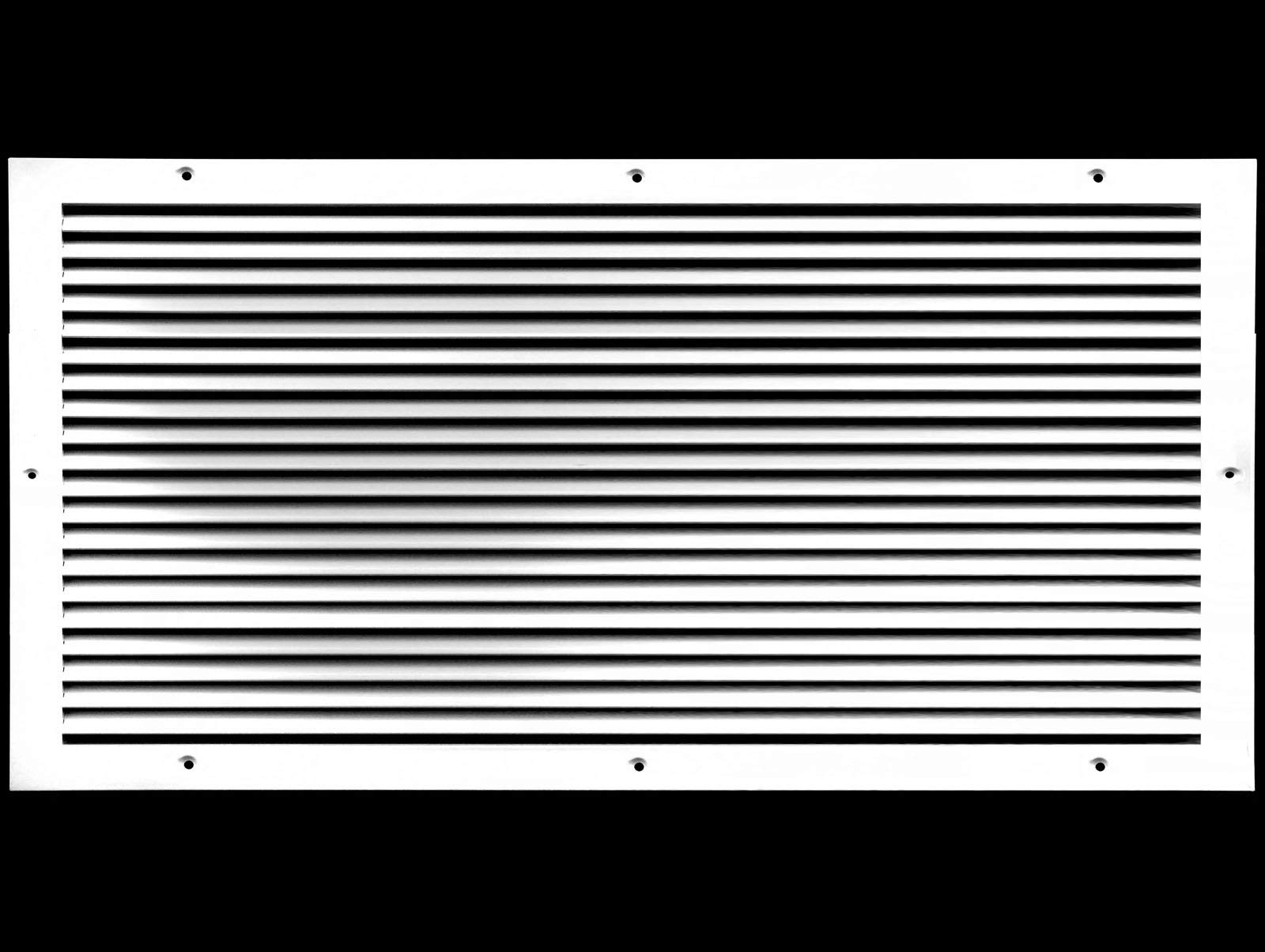
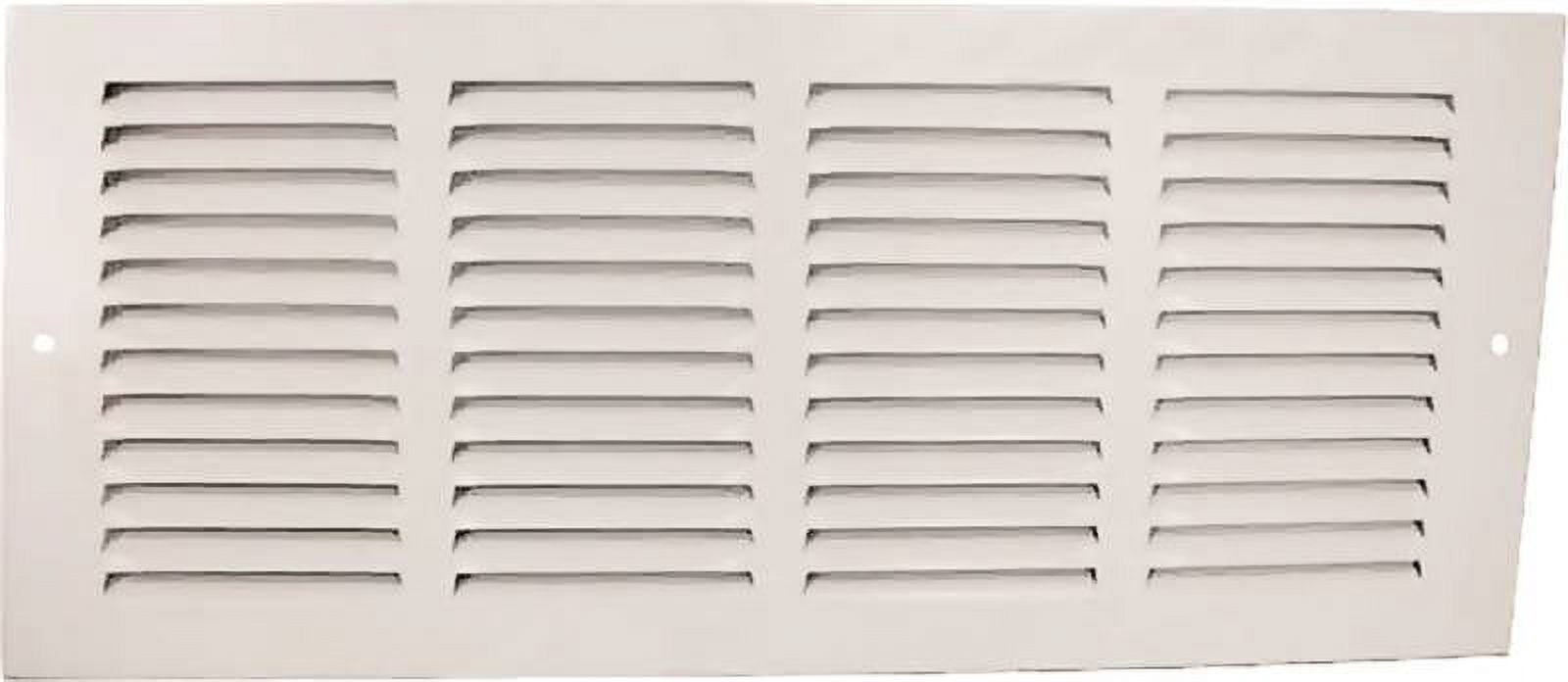
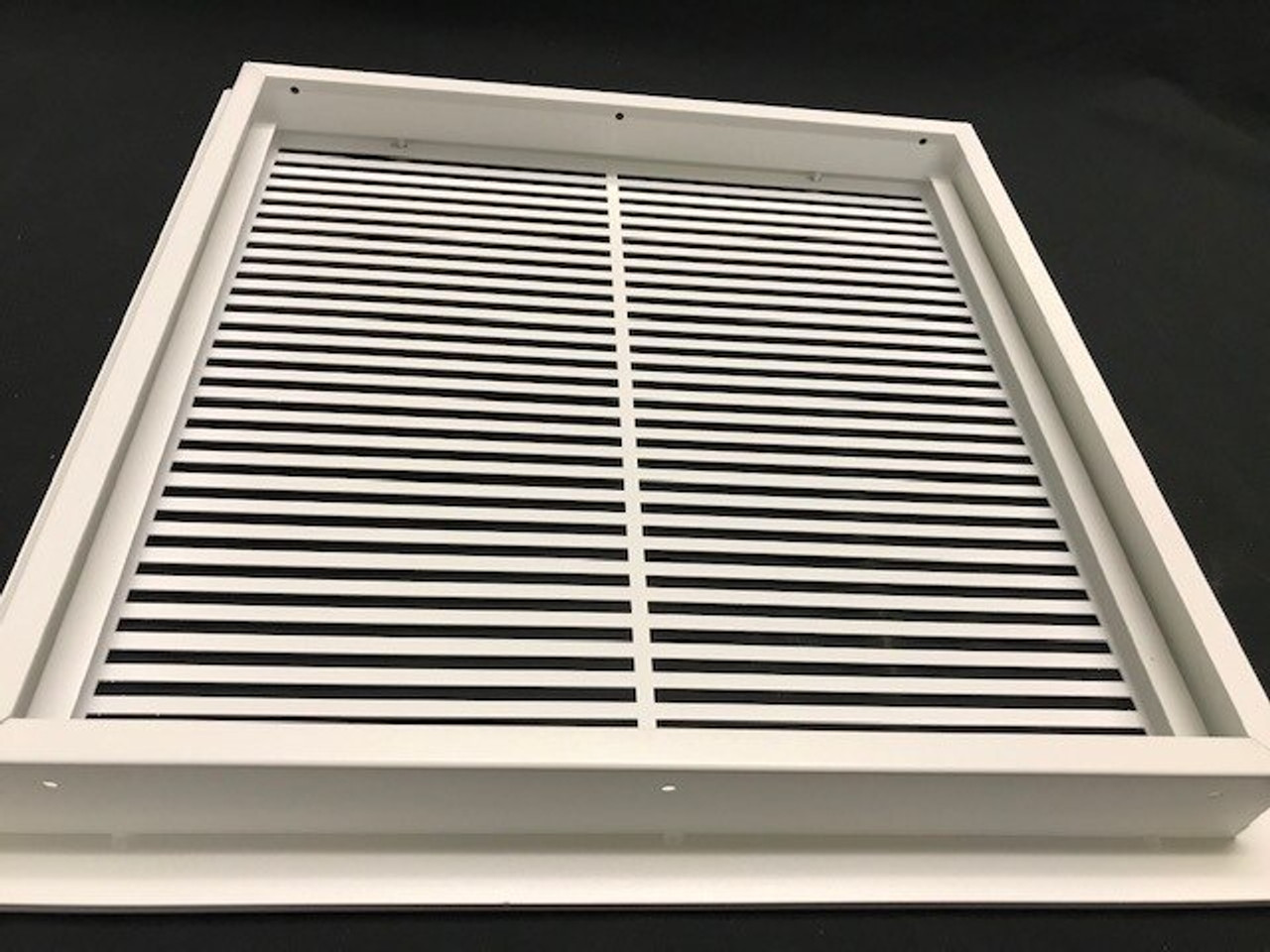
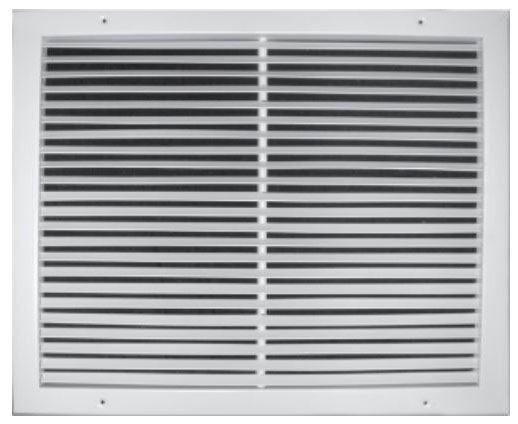
18 X 24 Air Return Grille

An 18x24 air return grille is a crucial component of your home's HVAC system, ensuring air circulates efficiently. When it's not functioning correctly, your heating and cooling system has to work harder, potentially leading to higher energy bills and decreased comfort. One common issue homeowners face is reduced airflow through the return grille. This can manifest as stuffy rooms, uneven temperatures, or even a noisy HVAC system struggling to maintain its set point. Let's explore how to troubleshoot this problem, step-by-step.
Step 1: Preliminary Inspection - Visual Checks and Listening
Before you grab any tools, start with a thorough visual inspection. This simple step can often reveal the source of the problem.
Visual Inspection:
Check for Obvious Obstructions: Carefully examine the grille itself. Is anything blocking it? Look for furniture, rugs, curtains, or even piled-up boxes that might be restricting airflow. Even seemingly small obstructions can significantly impact performance.
Grille Condition: Inspect the grille for damage. Are any of the louvers (the angled slats) bent or broken? Bent louvers can redirect airflow improperly and reduce efficiency. Broken louvers can create sharp edges, posing a safety hazard.
Dust and Debris Buildup: Examine the grille for excessive dust or debris accumulation. A thick layer of dust can act as an insulator, hindering airflow. Pay close attention to the corners and edges of the grille, where dust tends to collect.
Auditory Inspection:
Listen for Unusual Noises: Turn on your HVAC system and stand near the return grille. Listen carefully for any unusual noises, such as whistling, rattling, or whistling. These sounds can indicate obstructions or loose components within the ductwork.
Feel for Airflow: With the system running, place your hand near the grille. Do you feel a strong, steady flow of air being drawn in? A weak or nonexistent airflow is a major red flag.
Note the Location: Make note of the location of the return grille within your home. Is it located in a high-traffic area, or a dusty environment? This information can provide clues about the cause of the problem.
Step 2: Cleaning the Air Return Grille
If your preliminary inspection reveals dust and debris, cleaning the grille is the next logical step. This is a simple DIY task that can often significantly improve airflow.
Tools You'll Need:
- Screwdriver (usually a Phillips head)
- Vacuum cleaner with a brush attachment
- Damp cloth or sponge
- Mild detergent (optional)
Cleaning Procedure:
Turn Off Your HVAC System: Before you begin, always turn off your HVAC system at the thermostat or circuit breaker. This will prevent dust and debris from being sucked into the system while you're cleaning.
Remove the Grille: Use the screwdriver to carefully remove the screws securing the grille to the wall or ceiling. Place the screws in a safe place so you don't lose them.
Vacuum the Grille: Use the vacuum cleaner with the brush attachment to thoroughly vacuum both sides of the grille. Pay special attention to the louvers and any areas where dust has accumulated.
Wash the Grille (Optional): If the grille is heavily soiled, you can wash it with a damp cloth or sponge and a mild detergent. Be sure to rinse the grille thoroughly with clean water and allow it to dry completely before reattaching it.
Vacuum the Duct Opening: While the grille is removed, take the opportunity to vacuum the inside of the duct opening. This will remove any dust or debris that may have accumulated there.
Reattach the Grille: Once the grille is clean and dry, reattach it to the wall or ceiling using the screws you removed earlier. Be careful not to overtighten the screws, as this could damage the grille or the surrounding wall.
Test the Airflow: Turn your HVAC system back on and check the airflow at the grille. You should notice a significant improvement.
Step 3: Checking for Ductwork Obstructions
If cleaning the grille doesn't resolve the issue, the problem might lie within the ductwork itself. This is where things can become a bit more complex, but there are still some DIY checks you can perform.
Accessing the Ductwork:
Locate Accessible Duct Runs: Identify any sections of ductwork that are easily accessible, such as in the basement, attic, or crawl space. Look for seams, joints, or access panels that you can open.
Safety First: Before you start poking around in ductwork, wear appropriate safety gear, including gloves, a dust mask, and eye protection. Ductwork can be dusty and may contain fiberglass insulation, which can be irritating to the skin and lungs.
Inspection Procedure:
Visual Inspection Inside the Ducts: Use a flashlight to carefully inspect the inside of the ductwork. Look for any obvious obstructions, such as loose insulation, debris, or even small animals (rodents, birds, etc.).
Check for Collapsed or Damaged Ducts: Inspect the ductwork for any signs of collapse or damage. Flexible ductwork is particularly prone to collapsing if it's not properly supported. Damaged ducts can leak air, reducing airflow and energy efficiency.
Feel for Air Leaks: With the HVAC system running, feel around the seams and joints of the ductwork for any air leaks. Air leaks can significantly reduce airflow and increase energy bills.
Simple DIY Fixes:
Removing Minor Obstructions: If you find any small, easily removable obstructions, such as loose insulation or debris, carefully remove them.
Sealing Minor Air Leaks: For small air leaks, you can use duct tape (specifically designed for HVAC systems) to seal the seams and joints. Make sure the surface is clean and dry before applying the tape.
Step 4: Inspecting the Air Filter
A clogged air filter is a very common cause of reduced airflow throughout the entire HVAC system, including at the return grille. A dirty filter restricts the amount of air that can pass through, forcing the system to work harder and reducing overall efficiency.
Location of the Air Filter:
Find the Filter Housing: The air filter is usually located near the blower motor, either within the furnace itself or in a separate filter housing attached to the return ductwork. Consult your HVAC system's manual if you're unsure of its location.
Inspection and Replacement:
Inspect the Filter: Remove the filter and hold it up to the light. If you can't see light through the filter, it's likely clogged and needs to be replaced. Even if you can see some light, if the filter is visibly dirty or dusty, it's time for a replacement.
Replace the Filter: Replace the old filter with a new one of the same size and type. Pay attention to the airflow direction arrow on the filter and make sure it's pointing in the correct direction (usually towards the blower motor).
Regular Filter Changes: Change your air filter regularly, typically every 1-3 months, depending on the type of filter and the level of dust in your home. Regular filter changes are essential for maintaining good airflow and protecting your HVAC system.
When to Call a Professional: Knowing Your Limits
While many airflow problems can be resolved with simple DIY fixes, there are certain situations where it's best to call a professional HVAC technician. Attempting to tackle complex issues without the proper knowledge and tools can potentially damage your system or even create safety hazards.
Signs You Need Professional Help:
Persistent Airflow Issues: If you've tried all the DIY fixes mentioned above and you're still experiencing reduced airflow at the return grille, it's time to call a professional. This could indicate a more serious problem within the ductwork or the HVAC system itself.
Major Ductwork Damage: If you discover significant damage to your ductwork, such as collapsed sections, large tears, or mold growth, it's best to leave the repairs to a professional. Attempting to repair severely damaged ductwork yourself can be dangerous and may not be effective.
Complex Ductwork Issues: If you suspect that the ductwork is improperly designed or installed, it's best to consult with a professional HVAC technician. They can assess the system and recommend solutions to improve airflow and efficiency.
Refrigerant Leaks: If you suspect a refrigerant leak in your HVAC system, do not attempt to repair it yourself. Refrigerant is a hazardous substance, and only trained professionals have the proper equipment and knowledge to handle it safely.
Electrical Problems: If you suspect an electrical problem within your HVAC system, such as a faulty blower motor or wiring issue, do not attempt to repair it yourself. Electrical repairs should always be performed by a qualified electrician.
Unusual Noises: Persistent and loud unusual noises coming from your HVAC system can indicate serious mechanical problems that require professional attention. Continuing to run the system with these noises could lead to further damage.
Uneven Heating and Cooling: If you experience significant temperature differences between different rooms in your home, even after addressing airflow issues at the return grille, it could indicate a problem with the zoning system or ductwork distribution, which requires professional diagnosis.
Benefits of Calling a Professional:
Expert Diagnosis: Professional HVAC technicians have the experience and training to accurately diagnose complex airflow problems.
Specialized Tools and Equipment: They have access to specialized tools and equipment that are necessary for performing more complex repairs and maintenance.
Safety: They are trained to work safely with HVAC systems and can prevent potential hazards, such as refrigerant leaks and electrical shocks.
Warranty Protection: Using a qualified professional can help ensure that your HVAC system's warranty remains valid.
Long-Term Solutions: They can provide long-term solutions to improve airflow and efficiency, saving you money on energy bills in the long run.
By following these troubleshooting steps, you can effectively diagnose and address many common airflow problems associated with your 18x24 air return grille. Remember to prioritize safety and know when it's best to call a professional for assistance. Maintaining proper airflow is crucial for the comfort and efficiency of your home.