1800 Sq Ft House Ac Unit Size
Determining the correct air conditioner size for an 1800 sq ft house is crucial for optimal comfort, energy efficiency, and equipment longevity. An undersized unit will struggle to cool the space, leading to discomfort and higher energy bills, while an oversized unit can cycle on and off too frequently, resulting in poor dehumidification and potentially premature wear and tear.
Understanding BTU and Tonnage
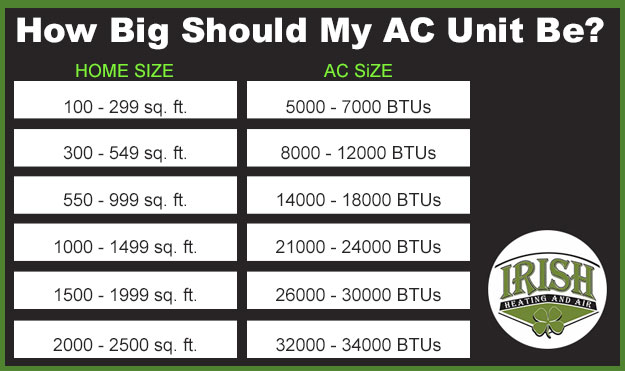
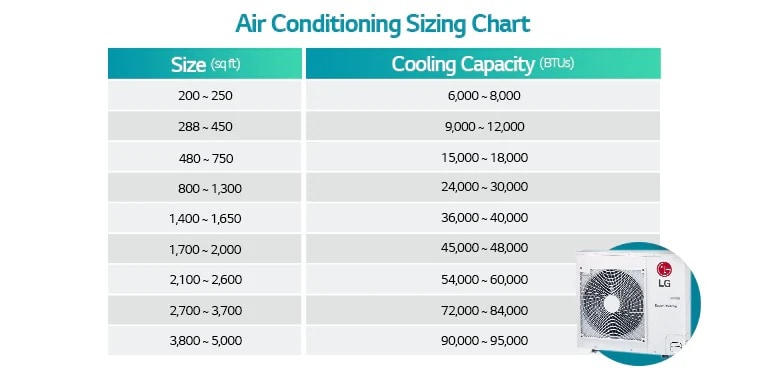
Air conditioner capacity is measured in BTU (British Thermal Units), which represents the amount of heat the unit can remove from a space in one hour. A ton of air conditioning is equivalent to 12,000 BTU. Therefore, a 3-ton AC unit has a cooling capacity of 36,000 BTU.
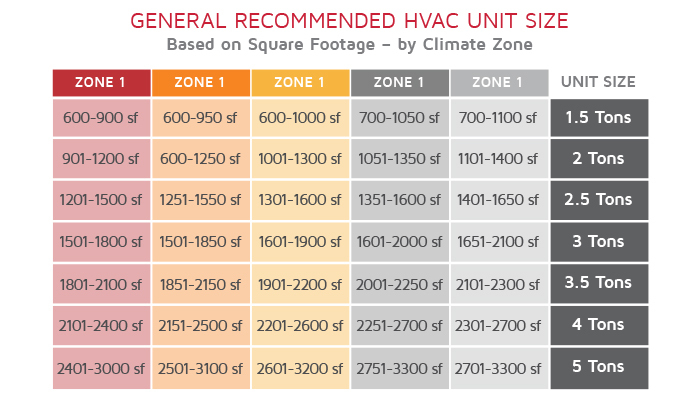
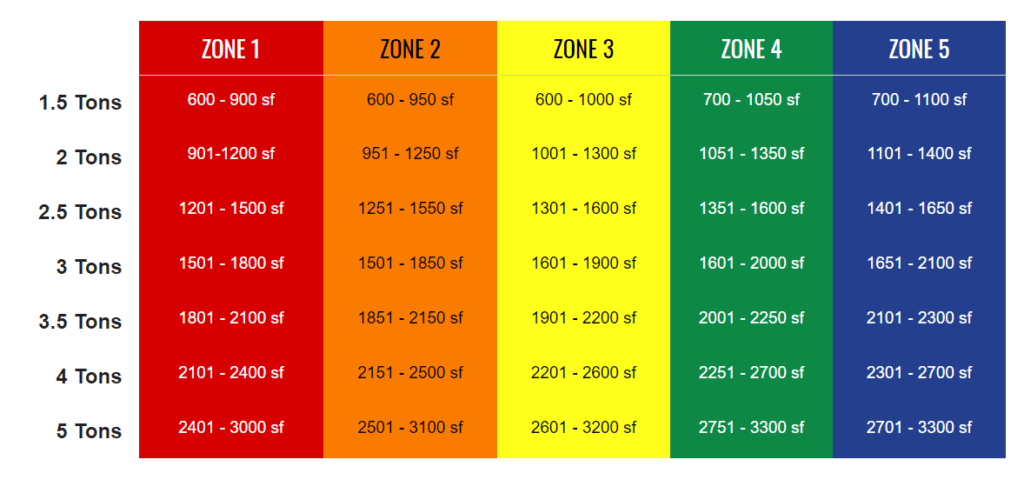
A common rule of thumb suggests that an 1800 sq ft house typically requires a 3-ton (36,000 BTU) air conditioner. However, this is a highly simplified estimation. Numerous factors influence the ideal AC unit size, and relying solely on square footage can lead to inaccurate results.
Factors Influencing AC Unit Size
Several factors, beyond square footage, play a significant role in determining the appropriate AC unit size. Ignoring these can lead to an inefficient and uncomfortable home environment.
Climate
The climate in which you live is a major determinant. Homes in hotter, more humid climates, such as the southeastern United States, require a larger AC unit compared to those in milder climates like the Pacific Northwest. Higher temperatures and humidity levels increase the cooling load on the system.
Insulation
Proper insulation is key to minimizing heat gain in the summer and heat loss in the winter. Well-insulated walls, ceilings, and floors reduce the amount of heat that enters your home, allowing for a smaller, more efficient AC unit. Consider the R-value of your insulation. Higher R-values indicate better insulation performance.
Windows
Windows are a major source of heat gain. The type, size, and orientation of your windows significantly impact the cooling load. Large, south-facing windows, for example, allow a lot of sunlight and heat to enter the house. Consider using energy-efficient windows with low-E coatings to reduce heat transfer. Window tinting or awnings can also help minimize solar heat gain.
Ceiling Height
Homes with high ceilings have a larger volume of air to cool, necessitating a larger AC unit. Standard ceiling heights (8-9 feet) are generally factored into the square footage estimate. However, if your home has vaulted or cathedral ceilings, you'll need to adjust the BTU calculation accordingly.
Occupancy
The number of people living in the house affects the cooling load. Each person generates heat, so a larger family will require a slightly larger AC unit compared to a single occupant.
Appliances and Lighting
Heat-generating appliances and lighting contribute to the overall cooling load. Older appliances, incandescent light bulbs, and computers can produce significant amounts of heat. Switching to energy-efficient appliances and LED lighting can help reduce the cooling demand.
Ductwork
Leaky or poorly insulated ductwork can significantly reduce the efficiency of your AC system. Conditioned air can escape through leaks, forcing the unit to work harder to maintain the desired temperature. Properly sealing and insulating your ductwork is essential for optimal performance. Regular duct cleaning can also improve airflow and efficiency.
Manual J Calculation: The Accurate Approach
The most accurate way to determine the correct AC unit size is to perform a Manual J load calculation. This industry-standard method takes into account all of the factors mentioned above, providing a precise estimate of the cooling load for your specific home. Manual J calculations should be performed by a qualified HVAC professional.
The Manual J calculation considers factors such as the home's orientation, construction materials, insulation levels, window specifications, and even the number of light fixtures. It provides a comprehensive assessment of the heat gain and heat loss characteristics of your home.
AC Unit Types and Efficiency Ratings
Once you've determined the appropriate BTU rating, you'll need to choose the right type of AC unit. Common options include:
- Central Air Conditioners: These are the most common type for whole-house cooling. They consist of an outdoor compressor unit and an indoor evaporator coil, connected by refrigerant lines.
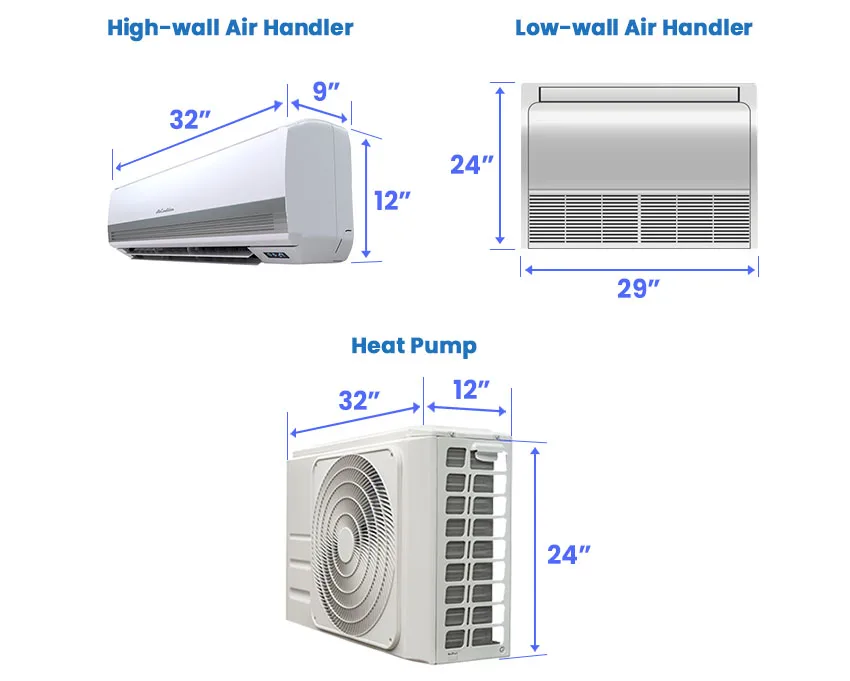
- Ductless Mini-Split Systems: These systems are ideal for homes without ductwork or for providing supplemental cooling to specific rooms. They consist of an outdoor unit and one or more indoor air handlers.
- Window Units: These are small, self-contained units that are installed in windows. They are suitable for cooling individual rooms.
- Portable Air Conditioners: These units can be moved from room to room. They vent hot air through a window using a hose.
AC units are rated for efficiency using the SEER (Seasonal Energy Efficiency Ratio). The higher the SEER rating, the more efficient the unit. Modern AC units typically have SEER ratings ranging from 14 to 25. Choosing a higher SEER unit can save you money on energy bills over the long term.
Installation and Maintenance
Proper installation is crucial for optimal AC performance. An improperly installed unit can be inefficient and prone to problems. It's essential to hire a qualified HVAC technician for installation. Regular maintenance, such as cleaning the coils and changing the air filter, is also important for maintaining efficiency and extending the lifespan of your AC unit.
Cost Considerations
The cost of an AC unit depends on its size, type, SEER rating, and brand. A 3-ton central air conditioner can range from $4,000 to $8,000, including installation. Ductless mini-split systems typically cost more than central air conditioners. Window units and portable air conditioners are the least expensive options.
In addition to the initial purchase price, consider the ongoing operating costs. A more efficient AC unit will have lower energy bills. Also, factor in the cost of maintenance and potential repairs.
Sizing Example for an 1800 Sq Ft House
Let's consider an example of an 1800 sq ft house located in Atlanta, Georgia. The house has average insulation, double-pane windows, and 8-foot ceilings. The Manual J calculation reveals a cooling load of 34,000 BTU. In this case, a 3-ton (36,000 BTU) AC unit would be appropriate. However, if the house had poor insulation, single-pane windows, and 10-foot ceilings, the cooling load could be significantly higher, potentially requiring a 3.5-ton or even a 4-ton unit.
Oversized vs. Undersized Units
It's important to avoid both oversized and undersized AC units. An undersized unit will struggle to cool the house, leading to discomfort and higher energy bills. It will run constantly, potentially shortening its lifespan.
An oversized unit, on the other hand, will cool the house too quickly and then shut off. This short cycling can lead to poor dehumidification, uneven temperatures, and increased wear and tear on the compressor. It can also result in higher energy bills, as the unit is constantly starting and stopping.
Professional Consultation
Determining the correct AC unit size for your home is a complex process. It's always best to consult with a qualified HVAC professional who can perform a Manual J load calculation and recommend the appropriate unit for your specific needs. They can also assess your ductwork, insulation, and other factors to ensure optimal performance and energy efficiency. They can help you select the right SEER rating and explain the benefits of different AC technologies.

:max_bytes(150000):strip_icc()/air-conditioning-chart-1152654_final-02-c37c8b4fdf08432baf378e8f0cb9d8e0.jpg)