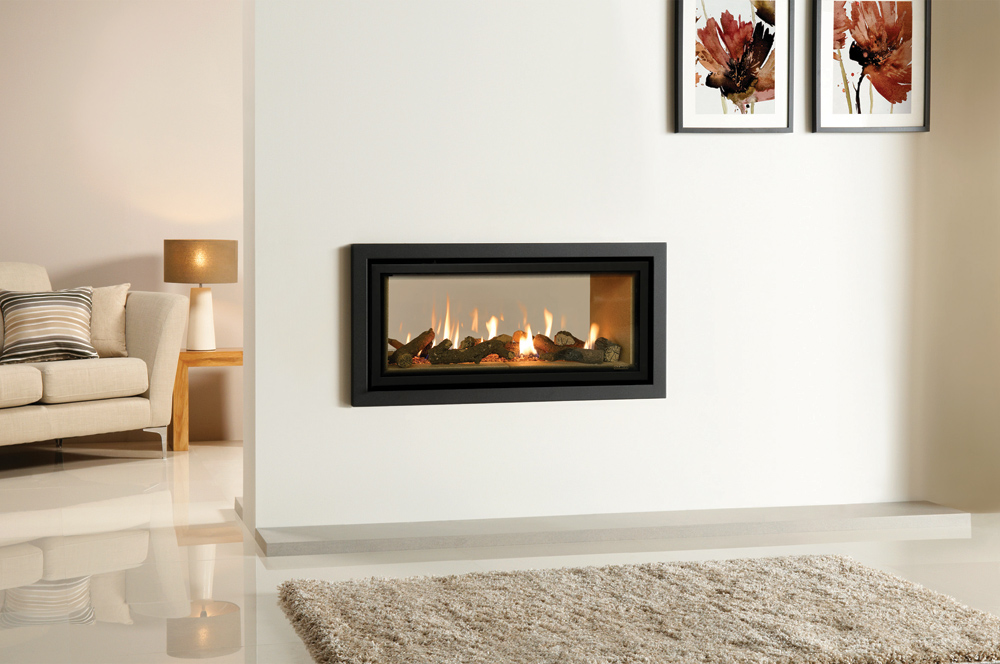
2 Sided Gas Fireplace

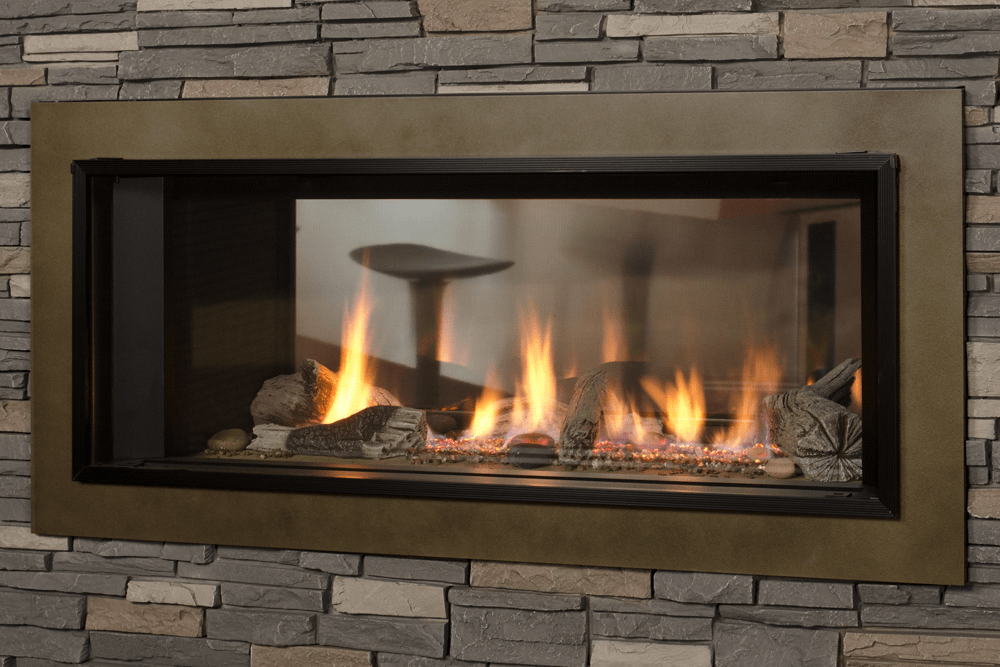
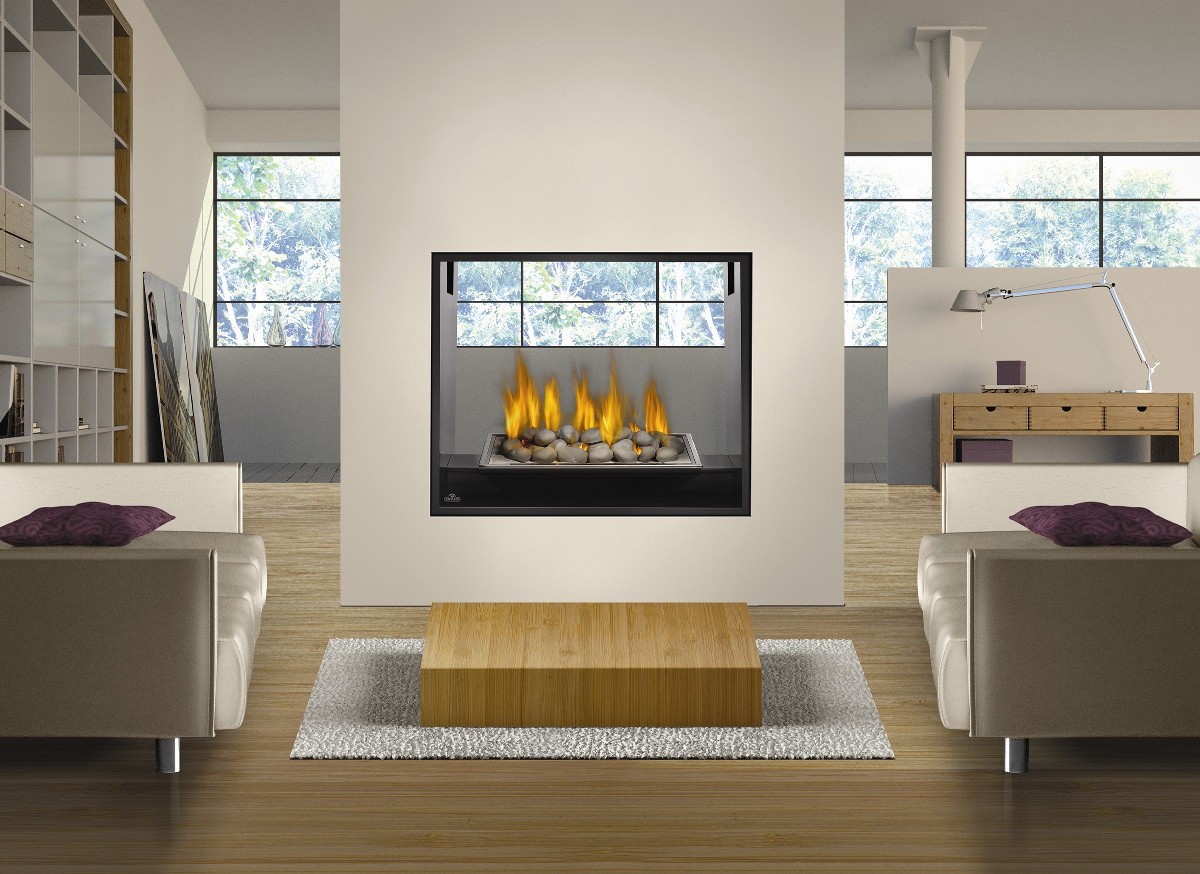
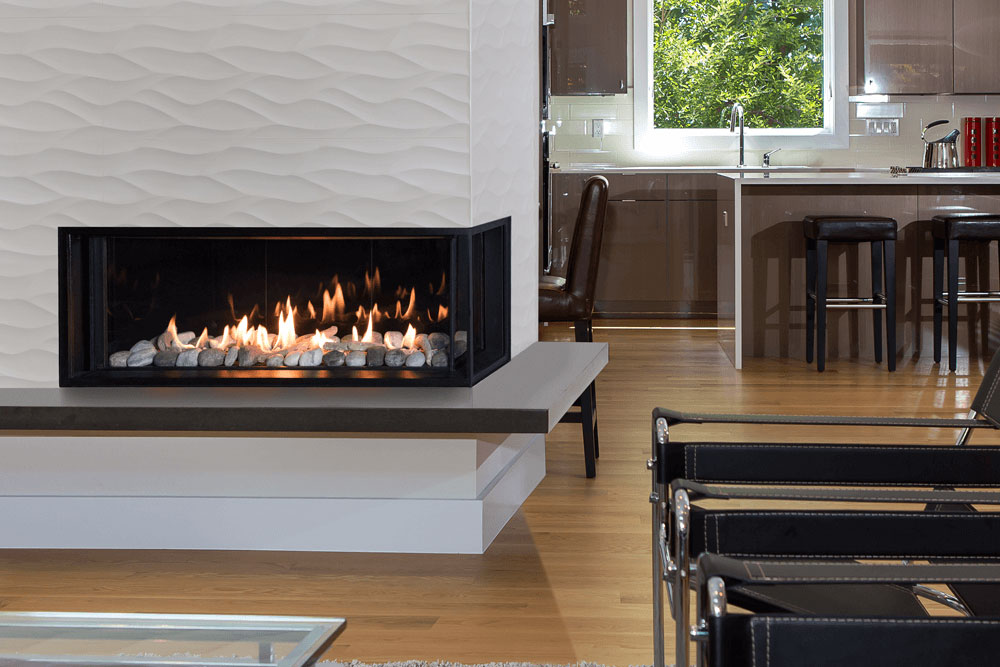
Two-sided gas fireplaces, also known as see-through or peninsula fireplaces, offer a unique and captivating way to heat and enhance the ambiance of two adjoining rooms. They are a popular choice for homeowners, architects, and designers looking to create a visually stunning and functional focal point. This article delves into the intricacies of two-sided gas fireplaces, covering their design, installation, efficiency, maintenance, and suitability for different applications, catering to homeowners, HVAC technicians, and facility managers alike.
Understanding Two-Sided Gas Fireplace Design and Operation
A two-sided gas fireplace features a firebox open on two opposing sides, allowing for viewing of the flames from either room. They typically utilize either natural gas or propane as fuel and can be categorized into vented and vent-free models. Vented models require a chimney or venting system to expel combustion byproducts, while vent-free models burn gas more completely, minimizing emissions and eliminating the need for external venting.
Vented gas fireplaces are generally considered safer and offer a more realistic flame appearance, but they lose some heat up the chimney. They need to be installed with appropriate venting, which can be a B-vent, direct vent, or conventional chimney. Vent-free gas fireplaces, on the other hand, are easier to install and more energy-efficient, as they retain more heat within the home. However, they produce small amounts of carbon monoxide and require a CO detector for safety. Proper ventilation within the room is also crucial.
The firebox itself is constructed from durable materials like steel or cast iron and lined with refractory bricks or ceramic fiber panels to withstand high temperatures. The burners are designed to distribute gas evenly, creating a consistent and visually appealing flame. Control mechanisms range from simple on/off switches to sophisticated remote controls with thermostatic settings and flame height adjustments. Some models even integrate with smart home systems, allowing for remote operation and monitoring.
Installation Considerations for HVAC Technicians and Homeowners
Installing a two-sided gas fireplace requires careful planning and adherence to local building codes. For HVAC technicians, this includes assessing the structural integrity of the surrounding walls, determining the appropriate venting requirements (if applicable), and ensuring proper gas line connections. Homeowners should always hire a qualified and licensed professional for installation to guarantee safety and compliance.
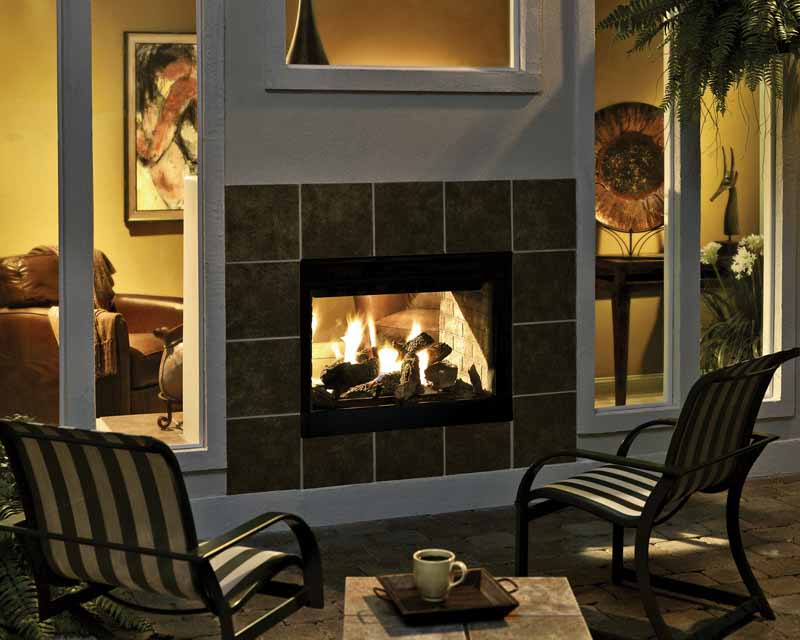
The location of the fireplace is crucial. It should be situated between two rooms that can benefit from the shared heat and aesthetic appeal. Common locations include between a living room and dining room, a master bedroom and bathroom, or an indoor and outdoor living space. Clearance to combustibles must be strictly observed to prevent fire hazards. The manufacturer's instructions provide detailed specifications regarding minimum clearances to walls, ceilings, and flooring.
Gas line installation requires meticulous attention to detail. The gas line must be properly sized to provide adequate gas pressure to the fireplace. Leak testing is essential after all connections are made to ensure there are no gas leaks. Proper grounding is also necessary to prevent electrical shocks. For facility managers overseeing installations in multi-unit dwellings, coordinating with gas utilities and obtaining necessary permits is crucial.
Venting Options: Direct Vent vs. B-Vent
Choosing the right venting system is critical for vented gas fireplaces. Direct vent fireplaces use a sealed combustion system that draws air from outside the home and vents exhaust gases directly outdoors through a coaxial pipe. This system is highly efficient and minimizes indoor air pollution. B-vent fireplaces, on the other hand, draw combustion air from inside the home and vent exhaust gases through a vertical pipe. B-vent systems are typically less expensive but require adequate ventilation in the room.
Efficiency and Cost Analysis
The efficiency of a two-sided gas fireplace is measured by its AFUE (Annual Fuel Utilization Efficiency) rating. Vented gas fireplaces typically have AFUE ratings ranging from 60% to 85%, while vent-free models can achieve efficiencies of up to 99%. A higher AFUE rating indicates that a greater percentage of the fuel's energy is converted into usable heat. Homeowners should consider the AFUE rating when comparing different models to estimate long-term energy costs.
The initial cost of a two-sided gas fireplace can range from $2,000 to $10,000 or more, depending on the size, features, and venting requirements. Installation costs can add an additional $1,000 to $5,000, depending on the complexity of the project. Operating costs will vary depending on the price of natural gas or propane and the frequency of use. Regular maintenance, including cleaning the burner and inspecting the venting system, can help optimize efficiency and extend the lifespan of the fireplace.
Comparing the cost of a two-sided gas fireplace to other heating options, such as electric fireplaces or traditional wood-burning fireplaces, requires considering both initial investment and long-term operating expenses. Electric fireplaces are typically less expensive to purchase and install, but they have higher operating costs due to the higher price of electricity. Wood-burning fireplaces offer a traditional ambiance but require a constant supply of firewood and generate more air pollution.
Maintenance and Troubleshooting
Regular maintenance is essential for ensuring the safe and efficient operation of a two-sided gas fireplace. Homeowners should clean the glass panels regularly to remove soot and debris, ensuring a clear view of the flames. The burner should be inspected annually for clogs or damage and cleaned as needed. HVAC technicians should also inspect the venting system for obstructions or leaks.
Common problems with gas fireplaces include pilot light outages, burner malfunctions, and gas leaks. Pilot light outages can be caused by a dirty pilot orifice or a faulty thermocouple. Burner malfunctions can result from clogged burner ports or a malfunctioning gas valve. Gas leaks are a serious safety hazard and should be addressed immediately by a qualified technician. If you smell gas, immediately evacuate the building and call your gas company or fire department.
For facility managers maintaining gas fireplaces in commercial buildings, implementing a preventative maintenance program is crucial. This program should include regular inspections, cleaning, and testing of all components. Training staff to recognize potential problems and report them promptly can help prevent costly repairs and ensure the safety of occupants.
Troubleshooting Tips for Technicians
- Pilot Light Issues: Check the thermocouple and pilot orifice. Clean the orifice with a fine wire if clogged.
- Burner Problems: Inspect the burner ports for blockage. Test the gas valve for proper operation.
- Gas Leaks: Use a gas leak detector to locate leaks. Tighten fittings or replace damaged gas lines. Always shut off the gas supply before attempting any repairs.
Safety Considerations
Safety is paramount when operating a gas fireplace. Always follow the manufacturer's instructions and never tamper with the fireplace's components. Install carbon monoxide detectors near the fireplace and in sleeping areas to alert occupants to the presence of CO gas. Keep flammable materials away from the fireplace and never use it to dry clothes or other items.
Homeowners should educate themselves on the signs of carbon monoxide poisoning, which include headache, dizziness, nausea, and confusion. If you suspect carbon monoxide poisoning, evacuate the building immediately and seek medical attention. Regular maintenance and inspections can help prevent carbon monoxide leaks and ensure the safe operation of your gas fireplace.
For facility managers, ensuring compliance with all applicable safety codes and regulations is essential. This includes conducting regular safety inspections, maintaining records of all maintenance and repairs, and providing training to staff on safe operating procedures. Emergency procedures should be in place to address gas leaks, fires, and other potential hazards.
Choosing the Right Two-Sided Gas Fireplace
Selecting the appropriate two-sided gas fireplace requires careful consideration of several factors, including the size of the rooms to be heated, the desired aesthetic, and the budget. Homeowners should consult with a qualified HVAC professional to determine the optimal size and type of fireplace for their needs.
Consider the BTU (British Thermal Unit) rating of the fireplace. A higher BTU rating indicates a greater heat output. Choose a fireplace with a BTU rating that is appropriate for the size of the rooms you intend to heat. Also, consider the style of the fireplace. Two-sided gas fireplaces are available in a variety of styles, from traditional to contemporary. Choose a style that complements the décor of your home.
Finally, compare the features and warranties offered by different manufacturers. Look for features such as remote controls, thermostatic settings, and flame height adjustments. A comprehensive warranty can provide peace of mind and protect your investment. Reputable manufacturers typically offer warranties on parts and labor.
By carefully considering these factors, homeowners, HVAC technicians, and facility managers can make informed decisions about the suitability of two-sided gas fireplaces for their specific applications. With proper installation, maintenance, and safety precautions, a two-sided gas fireplace can provide years of warmth, beauty, and enjoyment.