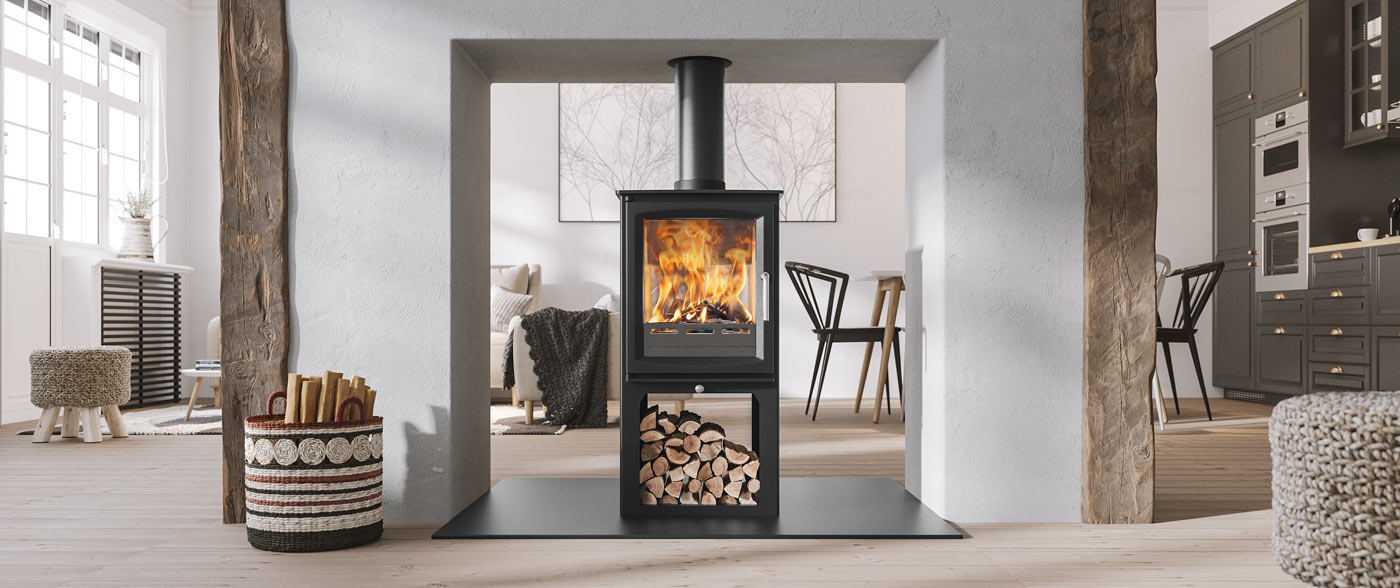
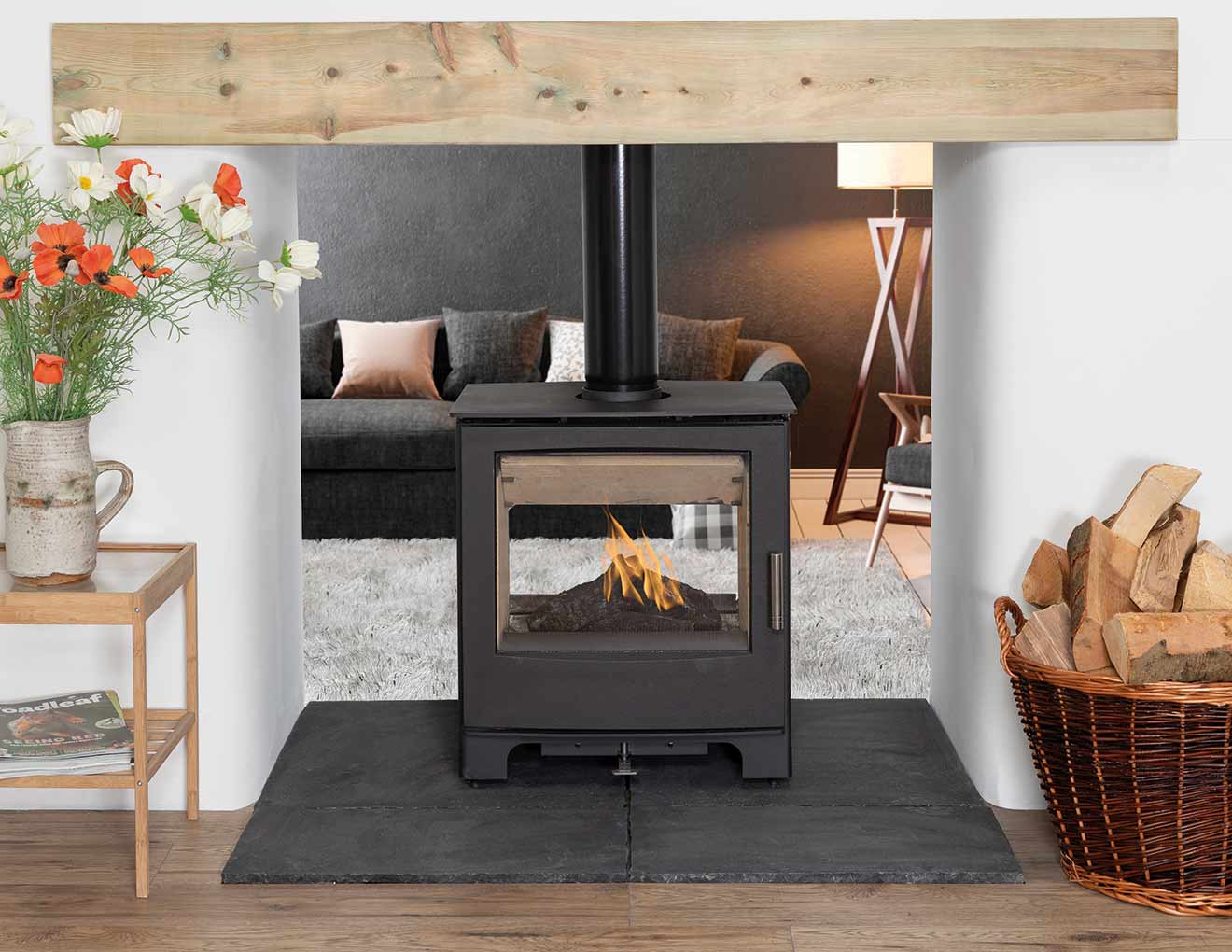
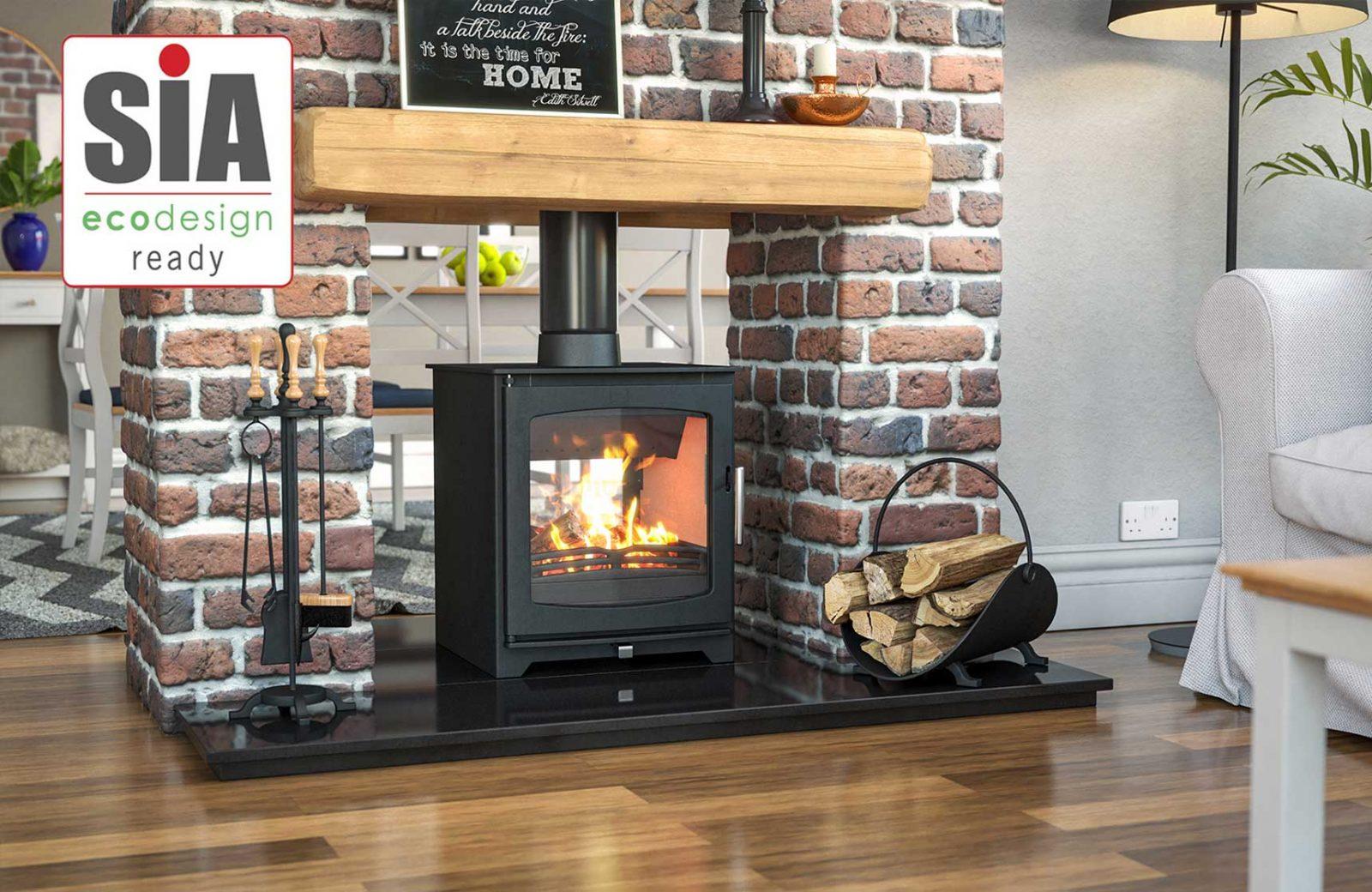
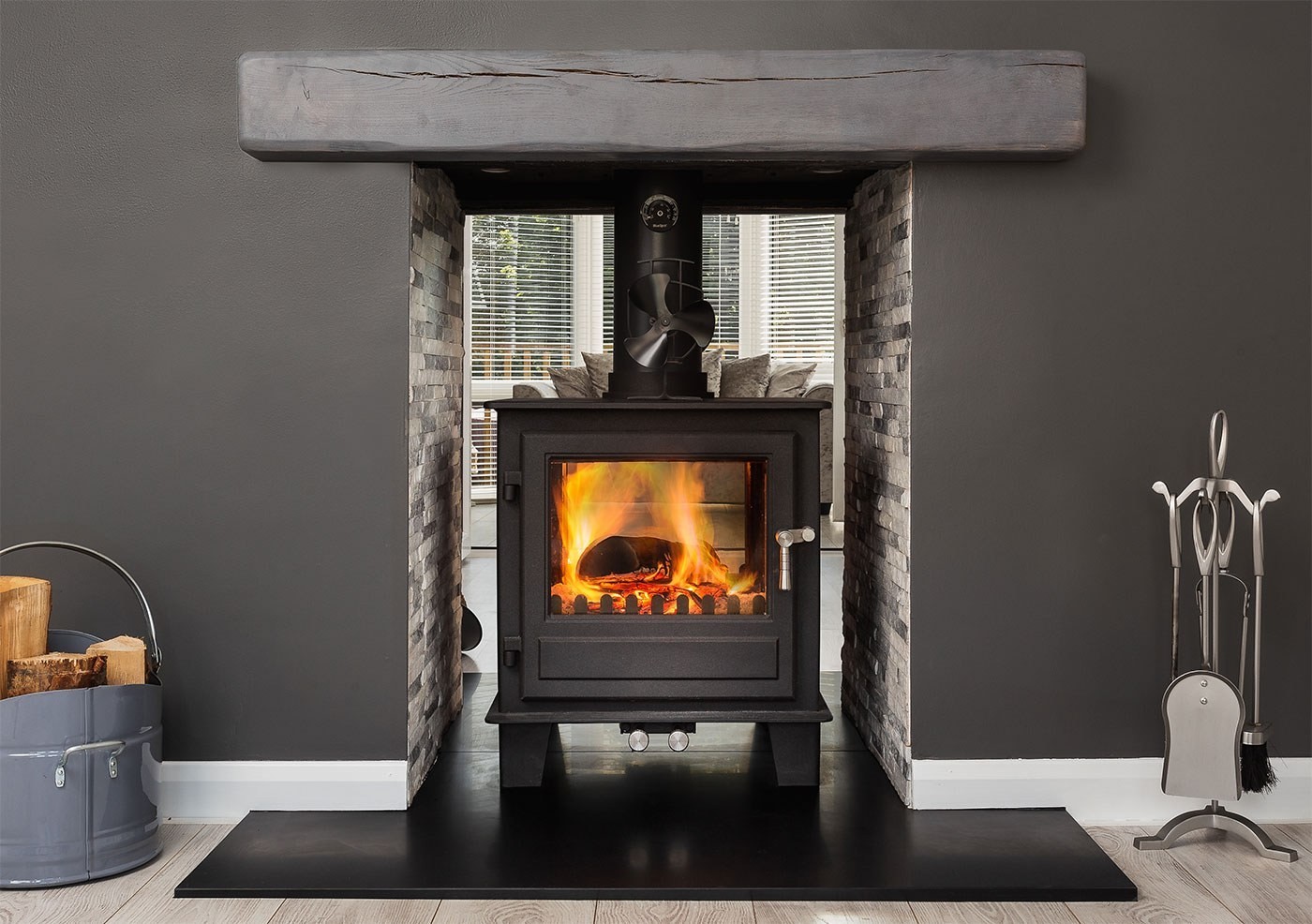
2 Sided Wood Burning Stove
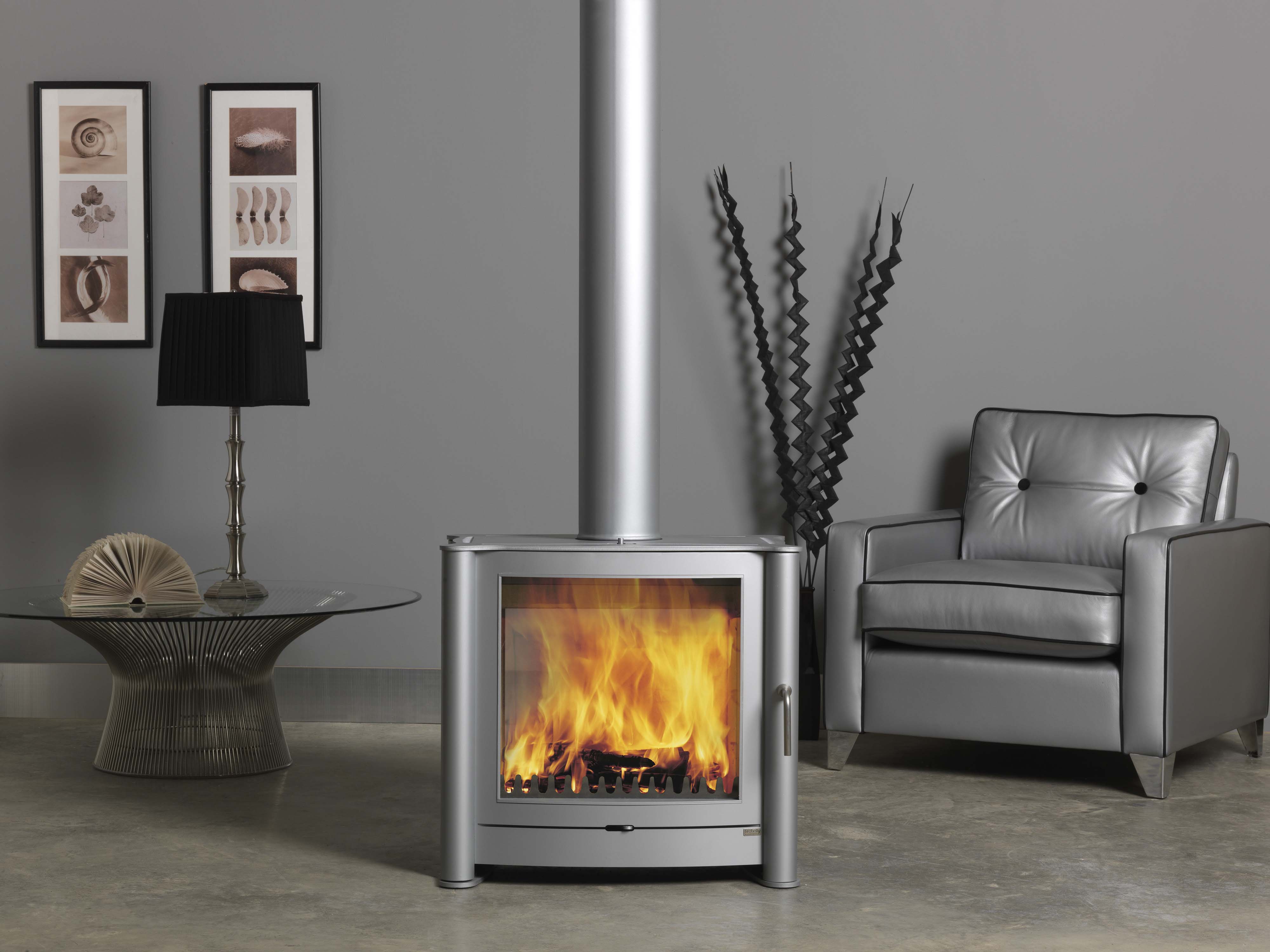
Two-sided wood-burning stoves offer a unique and beautiful way to heat two rooms simultaneously. However, like any heating appliance, they can sometimes experience issues. A common problem many homeowners face is uneven heating – where one side of the stove provides ample warmth, while the other side struggles to maintain a comfortable temperature. This can be frustrating and negate the benefit of having a two-sided unit. This article will guide you through a step-by-step troubleshooting process to diagnose and potentially resolve this uneven heating issue.
Step 1: Initial Observation and Safety Precautions (No Tools Required)
Before diving into any troubleshooting, prioritize your safety. Ensure the stove is completely cool before beginning any inspection. Never attempt to work on a hot or even warm stove. Gather a notebook and pen to record your observations – this will be helpful as you go through the steps.
1. Visual Inspection of the Firebox
Carefully examine both fireboxes. Look for the following:
- Excessive Ash Buildup: Is there a significantly larger amount of ash on the side that's heating poorly? Excessive ash can insulate the fire and prevent heat from radiating effectively.
- Damaged or Missing Firebricks: Firebricks line the firebox and protect the stove's steel structure while also radiating heat. Are any cracked, broken, or missing? Missing firebricks can lead to uneven heat distribution and potential damage to the stove itself.
- Obstructions: Are there any objects blocking the airflow or radiant heat on the side that's not heating well? This could be firewood stacked too high, tools left inside, or even furniture placed too close to the stove.
- Damper Position (if applicable): Some two-sided stoves have separate dampers for each firebox. Ensure both dampers are open to a similar degree. A closed or partially closed damper will significantly reduce airflow and heat output.
- Air Intake Vents: Locate the air intake vents for each firebox. Are they clear of debris and obstructions? Blocked vents restrict airflow, leading to incomplete combustion and reduced heat.
2. Observe the Flame
Light a small fire and carefully observe the flames in both fireboxes. Note the following:
- Flame Size and Color: Are the flames significantly smaller or weaker on the side that's heating poorly? Are the flames a vibrant yellow-orange (indicating good combustion) or smoky and red (indicating incomplete combustion)?
- Smoke: Is there excessive smoke coming from the side that's heating poorly? This could indicate a lack of airflow or wet wood.
- Draft: Does the fire seem to be drawing air properly? A strong draft will pull the flames upwards. A weak draft will result in sluggish and smoky combustion.
3. Check the Wood
Ensure you're using seasoned firewood. Wet or unseasoned wood is a major cause of poor heating performance. Seasoned wood should have a moisture content of less than 20%.
- Moisture Check: Examine the wood for cracks on the ends and listen for a hollow sound when you knock two pieces together. Wet wood will feel heavier and sound dull. If possible, use a wood moisture meter (available at most hardware stores) to get an accurate reading.
- Wood Type: Are you using the same type of wood in both fireboxes? Different types of wood have different heat outputs. For example, hardwoods like oak and maple burn hotter and longer than softwoods like pine.
- Wood Size: Are the pieces of wood the same size in both fireboxes? Using larger pieces of wood in one firebox and smaller pieces in the other can affect the burn rate and heat output.
Step 2: Basic Troubleshooting Steps (May Require Simple Tools)
If the initial observations haven't revealed an obvious cause, you can proceed with some basic troubleshooting steps. These steps may require simple tools such as a screwdriver, a wire brush, and a flashlight.
1. Cleaning the Air Intake Vents
Use a wire brush and a vacuum cleaner to thoroughly clean the air intake vents on both sides of the stove. Accumulated dust, cobwebs, and other debris can significantly restrict airflow.
2. Ash Removal
If there's excessive ash buildup in either firebox, carefully remove it using an ash shovel and a metal container. Ensure the ashes are completely cool before disposing of them. Consider investing in an ash vacuum for easier and cleaner ash removal.
3. Damper Adjustment and Lubrication (If Applicable)
If your stove has dampers, ensure they are moving freely and are properly aligned. If the dampers are stiff or difficult to move, try lubricating them with a heat-resistant lubricant. Consult your stove's owner's manual for specific instructions on damper adjustment and lubrication.
4. Chimney Inspection (Visual from Ground Level)
While you can't safely inspect the entire chimney yourself, you can visually inspect the base of the chimney from ground level. Look for any signs of damage, such as cracks, missing bricks, or loose mortar. Also, check for any obstructions near the chimney opening, such as tree branches or bird nests.
5. Door Seal Inspection
The door seals on your stove are critical for maintaining a proper draft and preventing air leaks. Inspect the door seals for any signs of damage, such as cracks, tears, or hardening. To test the seal, close the door on a dollar bill. If you can easily pull the dollar bill out, the seal is likely compromised and needs to be replaced.
6. Baffle Board Inspection
Many wood stoves have a baffle board located at the top of the firebox. This board helps to direct the flow of hot gases and improve combustion efficiency. Carefully inspect the baffle board for any signs of damage, such as cracks, warping, or missing pieces. A damaged baffle board can significantly reduce heat output and increase creosote buildup. Consult your owner's manual or contact a professional for information on replacing a damaged baffle board. Usually requires a screwdriver.
Step 3: Advanced Troubleshooting and When to Call a Professional
If you've completed the basic troubleshooting steps and the uneven heating issue persists, it's likely that the problem is more complex and requires professional attention. Do not attempt the following troubleshooting steps unless you have the necessary skills and experience. Improperly performed repairs can be dangerous and may void your stove's warranty.
1. Chimney Inspection and Cleaning (Requires Specialized Tools and Expertise)
A blocked or partially blocked chimney is a common cause of poor draft and uneven heating. Creosote buildup can restrict airflow and even cause a chimney fire. Do not attempt to clean your chimney yourself unless you have the proper tools and experience. Hire a qualified chimney sweep to inspect and clean your chimney at least once a year.
2. Internal Stove Component Inspection (Requires Disassembly and Technical Knowledge)
Some stoves have internal components, such as heat exchangers or air distribution systems, that can become clogged or damaged over time. Inspecting these components requires disassembling parts of the stove, which should only be done by a qualified technician.
3. Draft Issues (Requires Specialized Testing Equipment)
If you suspect a draft issue, a professional can use specialized equipment to measure the draft in your chimney. This will help to determine if there is a problem with the chimney's design or if there are other factors affecting the draft, such as negative pressure in your home.
4. Combustion Air Supply Issues (Requires Diagnostic Skills)
In some cases, the problem may not be with the stove itself, but with the combustion air supply to the stove. A professional can help to diagnose and resolve issues such as inadequate air supply or negative pressure in your home.
When to Call a Professional HVAC Technician or Chimney Sweep:
Here are some situations where you should immediately call a professional:
- You suspect a chimney fire.
- You notice excessive creosote buildup in your chimney.
- You smell gas or smoke inside your home.
- The stove is producing excessive smoke.
- You are uncomfortable working on the stove yourself.
- You have exhausted all of the basic troubleshooting steps and the problem persists.
- You lack the experience or confidence to perform a particular repair.
- Your stove is under warranty. Attempting repairs yourself may void the warranty.
Preventative Maintenance
Regular maintenance is key to keeping your two-sided wood-burning stove operating efficiently and safely.
- Annual Chimney Inspection and Cleaning: Schedule a professional chimney sweep to inspect and clean your chimney at least once a year.
- Regular Ash Removal: Remove ash from the firebox regularly to prevent buildup.
- Door Seal Inspection: Inspect the door seals regularly and replace them if they are damaged.
- Proper Wood Storage: Store firewood in a dry, well-ventilated area.
- Burn Seasoned Wood Only: Avoid burning wet or unseasoned wood.
- Follow Manufacturer's Recommendations: Adhere to the manufacturer's recommendations for operating and maintaining your stove.
By following these troubleshooting steps and preventative maintenance tips, you can help ensure that your two-sided wood-burning stove provides years of reliable and efficient heating. Remember, safety is always the top priority. If you are ever unsure about a repair or maintenance task, it's always best to consult with a qualified professional.
Disclaimer: This article provides general troubleshooting information and should not be considered a substitute for professional advice. Always consult with a qualified HVAC technician or chimney sweep for specific advice related to your situation.