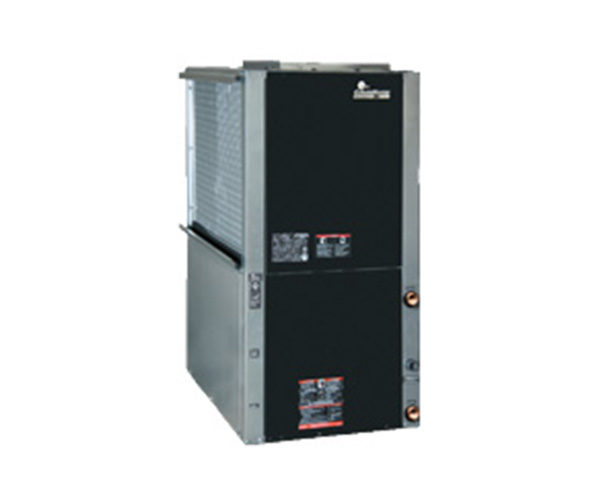
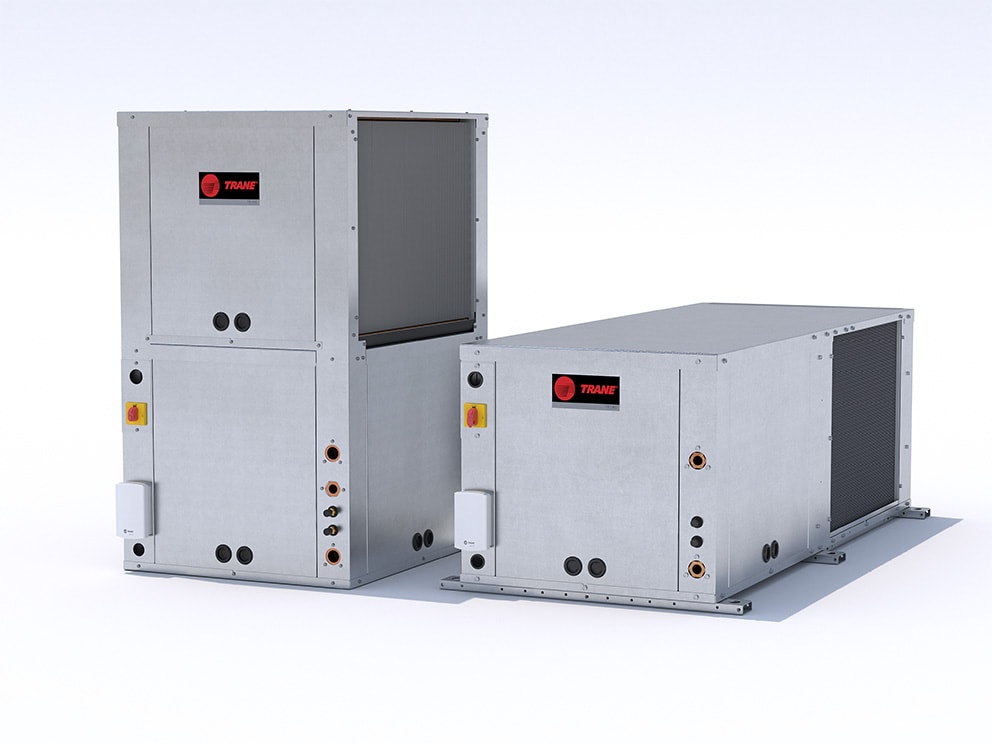
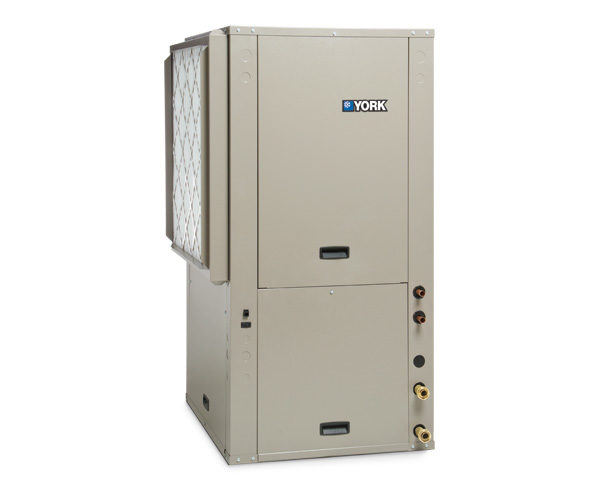
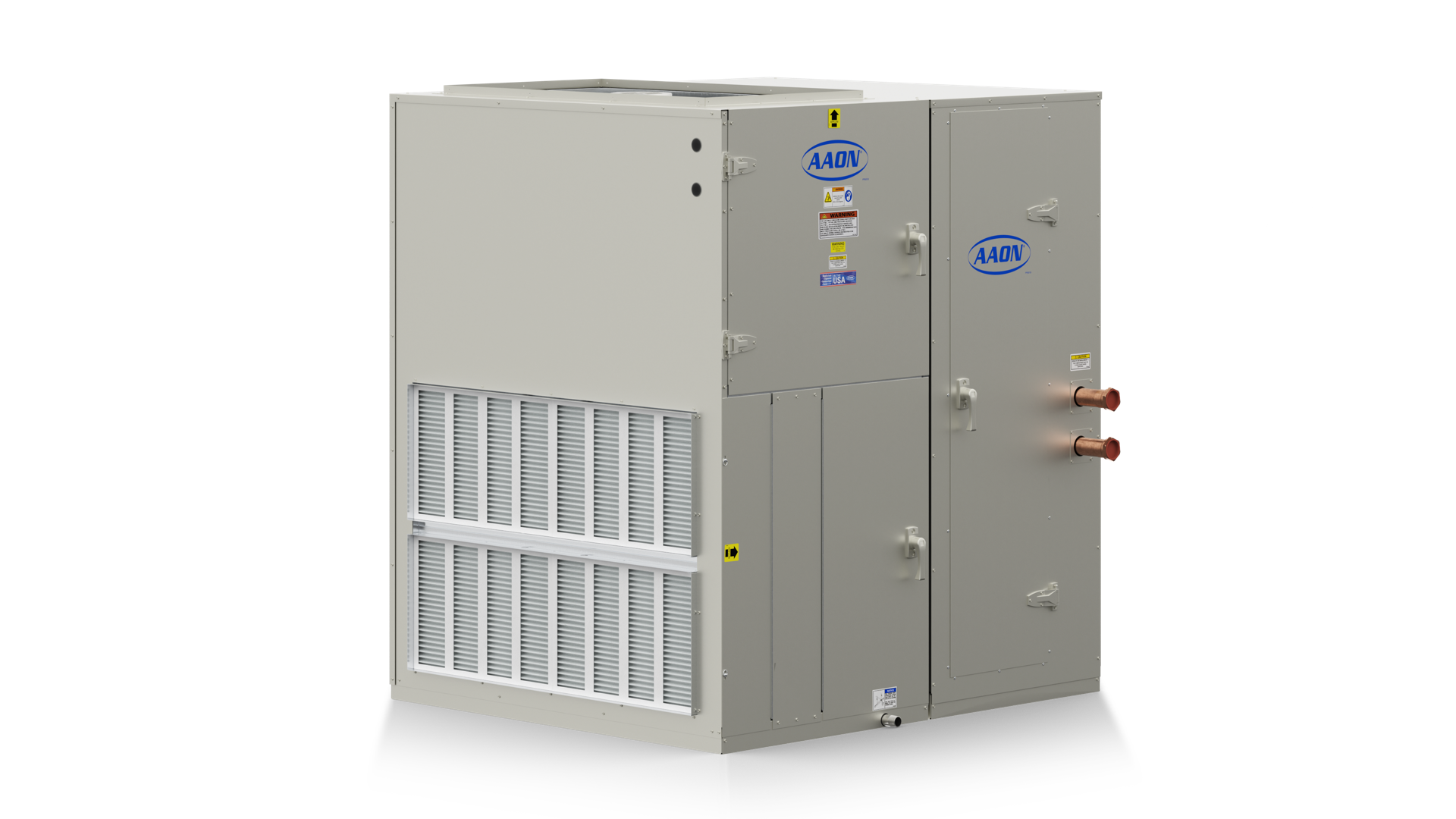
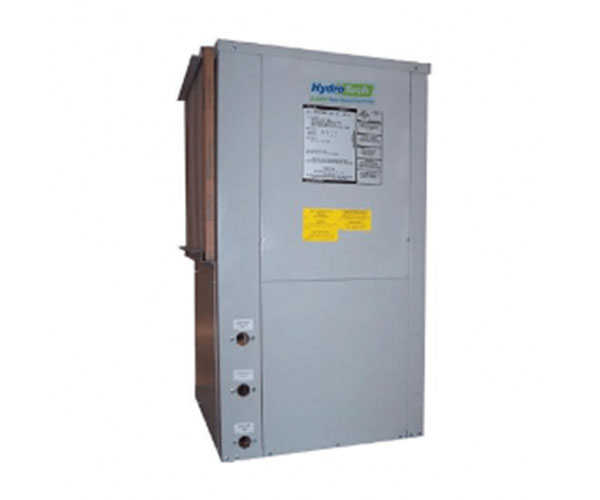
2 Ton Water Source Heat Pump
Is your energy bill leaving you cold? Are you searching for a sustainable and cost-effective way to heat and cool your home or business? Look no further than the 2 Ton Water Source Heat Pump. This often-overlooked HVAC solution offers a powerful combination of energy efficiency, environmental friendliness, and long-term savings, making it a smart choice for homeowners, businesses, and contractors alike.
What is a 2 Ton Water Source Heat Pump?
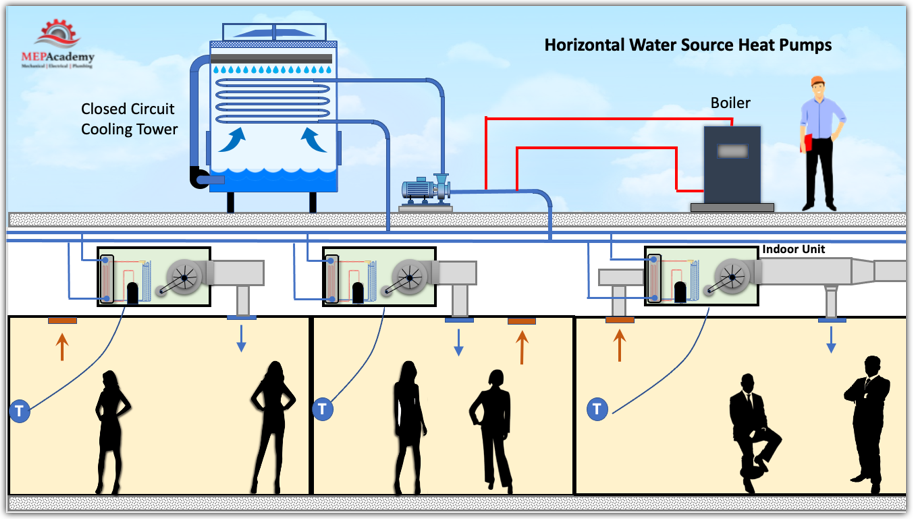
Unlike traditional air source heat pumps that extract heat from the outside air, a water source heat pump, sometimes called a geothermal heat pump, utilizes the relatively constant temperature of a water source to provide heating and cooling. This water source can be a well, a pond, a lake, or even a closed-loop geothermal system buried underground. A 2 ton unit refers to the heat pump's cooling capacity, roughly equivalent to 24,000 BTUs (British Thermal Units) per hour. This size is typically suitable for homes or small businesses ranging from 800 to 1200 square feet, depending on climate and insulation.
Here's a simplified breakdown of how it works:
- Heating Mode: The heat pump circulates water from the water source. In winter, even though the water might feel cold to the touch, it's warmer than the outside air. The heat pump extracts this heat and transfers it to your home.
- Cooling Mode: The heat pump reverses the process. It extracts heat from your home and transfers it to the cooler water source.
Why Choose a 2 Ton Water Source Heat Pump?
Superior Energy Efficiency
The primary advantage of water source heat pumps is their exceptional energy efficiency. Because they tap into a more stable temperature source, they require less energy to operate than air source heat pumps or traditional furnaces and air conditioners. This translates directly into lower utility bills. Water source heat pumps boast impressively high Coefficient of Performance (COP) and Energy Efficiency Ratio (EER) ratings. A well-maintained 2 ton water source heat pump can achieve a COP of 3.0-5.0 and an EER of 15-25, significantly outperforming many conventional HVAC systems. To put it in perspective, consider that a COP of 4 means that for every unit of electricity consumed, the heat pump delivers four units of heating or cooling energy.
Reduced Operating Costs and ROI
While the initial investment in a water source heat pump can be higher than a traditional system, the long-term operating cost savings quickly offset this difference. Studies have shown that homeowners can save anywhere from 30% to 70% on their heating and cooling bills by switching to a water source heat pump. The exact savings will depend on factors such as your climate, the efficiency of your existing system, and your energy consumption habits. However, the ROI (Return on Investment) is often realized within 5-10 years, making it a financially sound decision.
Consider this example: A homeowner currently spends $2,000 annually on heating and cooling with a traditional system. A 2 ton water source heat pump reduces those costs by 50%, saving $1,000 per year. Over a 10-year period, that's a total savings of $10,000!
Environmentally Friendly
Water source heat pumps are a sustainable HVAC solution that significantly reduces your carbon footprint. By using a renewable energy source (the earth or water), they consume less fossil fuels than conventional systems, leading to lower greenhouse gas emissions. In addition, many modern water source heat pumps use environmentally friendly refrigerants that have a low Global Warming Potential (GWP), further minimizing their impact on the environment.
Quiet Operation
Unlike noisy air conditioners that disrupt your peace and quiet, water source heat pumps operate very quietly. The compressor and other noisy components are typically located indoors, away from living areas. This makes them an ideal choice for homeowners who value a quiet and comfortable indoor environment.
Long Lifespan
Water source heat pumps are known for their durability and long lifespan. With proper maintenance, they can last for 20 years or more, significantly longer than traditional HVAC systems. This extended lifespan contributes to their overall cost-effectiveness.
Factors to Consider Before Installation
While water source heat pumps offer numerous benefits, there are some factors to consider before installing a 2 ton unit:
Water Source Availability
The most crucial factor is the availability of a suitable water source. This could be a well, a pond, a lake, or a geothermal ground loop. The water source must be reliable and provide a consistent temperature year-round. A professional assessment is essential to determine the suitability of your water source.
Installation Costs
The initial installation cost of a water source heat pump can be higher than a traditional system, especially if you need to drill a well or install a geothermal ground loop. However, these costs are often offset by the long-term energy savings and potential rebates.
Maintenance Requirements
Water source heat pumps require regular maintenance to ensure optimal performance and longevity. This includes cleaning filters, checking water flow, and inspecting the system for leaks. Regular maintenance can help prevent costly repairs and extend the lifespan of your unit.
Local Codes and Regulations
Before installing a water source heat pump, it's essential to check your local building codes and regulations. Some areas may have specific requirements for well drilling or geothermal installations.
Smart Home Integration
Modern water source heat pumps can be seamlessly integrated with smart home systems, allowing you to control and monitor your HVAC system remotely. You can use a smart thermostat to adjust the temperature, set schedules, and track your energy consumption. Some systems even offer features like geofencing, which automatically adjusts the temperature based on your location. Integration with smart sensors can further optimize energy efficiency by detecting occupancy and adjusting the temperature accordingly.
For example, integrating your 2 ton water source heat pump with a smart thermostat like Nest or Ecobee allows you to create custom heating and cooling schedules. You can program the system to lower the temperature when you're away from home and raise it just before you arrive, maximizing energy savings without sacrificing comfort.
Government Incentives and Rebates
To encourage the adoption of energy-efficient technologies, many governments and utility companies offer incentives and rebates for installing water source heat pumps. These incentives can significantly reduce the upfront cost of the system, making it even more attractive. Check with your local utility company and government agencies to see what incentives are available in your area. The Energy Star website is also a valuable resource for finding information on rebates and tax credits.
The federal government, through programs like the Inflation Reduction Act, provides tax credits for homeowners who install qualified geothermal heat pump systems. These credits can cover a significant portion of the installation cost, making water source heat pumps even more affordable.
Choosing the Right Contractor
Selecting a qualified and experienced HVAC contractor is crucial for a successful water source heat pump installation. Look for contractors who have specific experience with geothermal or water source heat pump systems. They should be able to assess your water source, recommend the appropriate size unit, and install the system according to industry best practices. Ask for references and check online reviews to ensure you're choosing a reputable contractor.
A good contractor will conduct a thorough load calculation to determine the appropriate size heat pump for your home or business. Installing an undersized unit will result in inadequate heating and cooling, while an oversized unit will cycle on and off frequently, reducing efficiency and potentially shortening the lifespan of the system.
Is a 2 Ton Water Source Heat Pump Right for You?
A 2 ton water source heat pump is an excellent choice for homeowners and businesses looking for a sustainable, energy-efficient, and cost-effective HVAC solution. While the initial investment may be higher than a traditional system, the long-term energy savings, environmental benefits, and potential rebates make it a smart investment. If you have access to a reliable water source and are looking to reduce your energy bills and carbon footprint, a 2 ton water source heat pump is definitely worth considering. Remember to consult with a qualified HVAC contractor to determine the best solution for your specific needs.