25 Amp Breaker Wire Size
Understanding Wire Size for a 25 Amp Breaker in HVAC Systems
Ensuring proper electrical wiring is paramount in HVAC systems for safety and optimal performance. Selecting the correct wire size for a 25 amp breaker is a crucial aspect of this, directly impacting the longevity and efficiency of the connected equipment. This article provides a comprehensive guide for HVAC students, technicians, and employers, focusing on the essential considerations for wire sizing in relation to a 25 amp breaker, along with industry insights and career advice.
The Importance of Proper Wire Sizing
Undersized wires can lead to overheating, posing a significant fire hazard. Over time, this can degrade the insulation, leading to short circuits and equipment failure. Conversely, excessively large wires increase material costs and might be difficult to terminate within electrical panels and equipment. Proper wire sizing ensures safe operation and maximizes system efficiency. National Electrical Code (NEC) guidelines are the gold standard.
NEC Guidelines and the 25 Amp Breaker
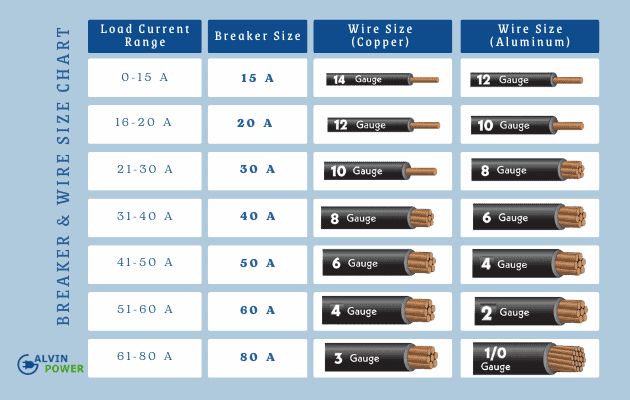
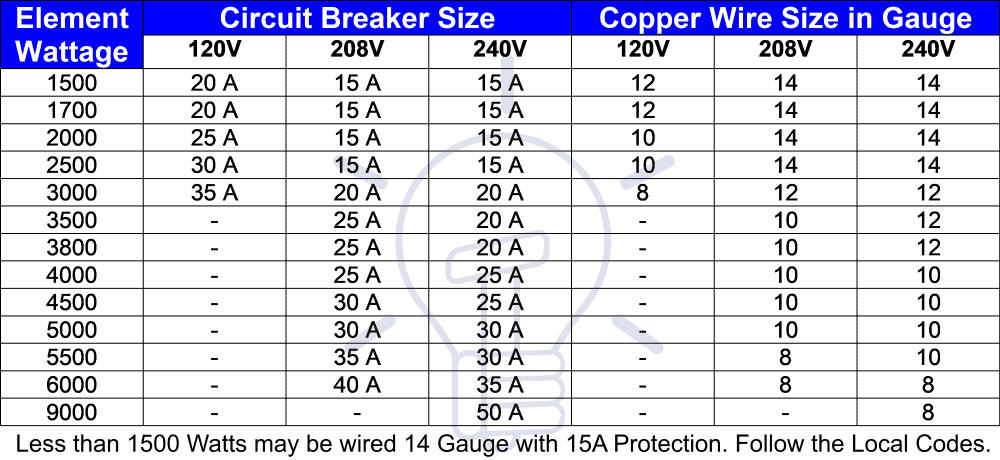
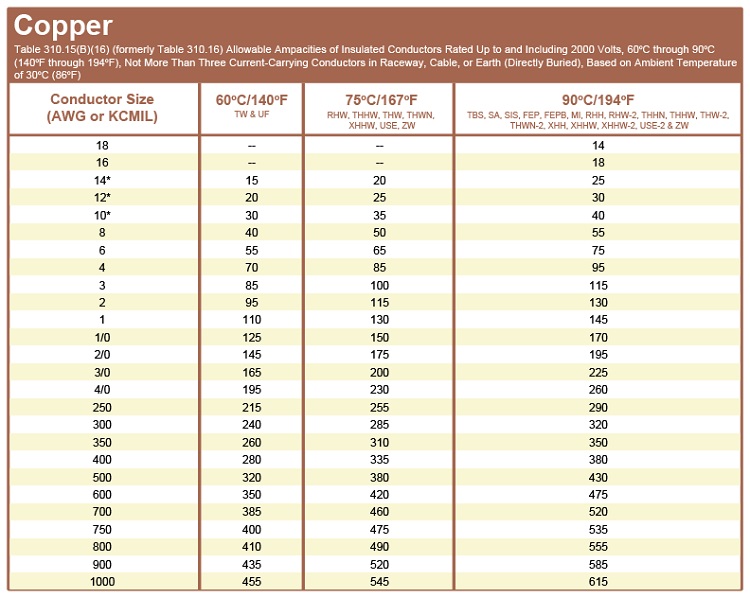
The National Electrical Code (NEC) provides the minimum requirements for electrical installations, including wire sizing. For a 25 amp breaker, the general rule is to use a wire gauge that's rated to carry at least 25 amps. However, several factors can influence this decision, including:
- Wire Type: Copper (Cu) and Aluminum (Al) have different ampacity ratings. Copper is the preferred choice for most HVAC applications due to its superior conductivity.
- Insulation Type: THHN, THWN, and XHHW are common insulation types, each with different temperature ratings, affecting their ampacity. Higher temperature ratings generally allow for higher ampacity.
- Ambient Temperature: Higher ambient temperatures reduce the ampacity of wires. The NEC provides correction factors to account for this.
- Conduit Fill: The number of conductors within a conduit affects their heat dissipation capacity, requiring derating factors to be applied.
- Distance: For longer runs, voltage drop becomes a significant concern. Larger wire sizes might be necessary to minimize voltage drop and ensure equipment receives adequate voltage.
Generally, for a 25 amp breaker using copper wire with THHN insulation in a standard residential or commercial HVAC application, 12 AWG wire is typically sufficient. However, always consult the NEC tables and applicable local codes for the most accurate determination based on the specific installation conditions.
Calculating Voltage Drop
Voltage drop is the decrease in voltage along a conductor's length. Excessive voltage drop can cause equipment malfunction and reduced efficiency. The NEC recommends limiting voltage drop to 3% for branch circuits and 5% for feeders.
The voltage drop can be calculated using the following formula:
Voltage Drop = (2 x K x I x D) / CM
Where:
- K = Direct-current constant (12.9 for copper, 21.2 for aluminum)
- I = Current (Amps)
- D = One-way distance (feet)
- CM = Circular mils (a measure of wire size)
Using online voltage drop calculators or consulting with a qualified electrician is highly recommended to accurately assess voltage drop for longer wire runs.
Real-World HVAC Applications
Consider these examples:
- Residential Air Conditioner: A small residential air conditioner might require a 25 amp breaker. Properly sized wiring ensures the unit receives adequate power without overloading the circuit.
- Heat Pump: A heat pump operating in heating mode might draw a significant amount of current, necessitating careful wire sizing to prevent overheating and voltage drop.
- Electric Duct Heater: Smaller electric duct heaters are frequently wired to 25 amp breakers.
Career Paths in HVAC
The HVAC industry offers diverse and rewarding career paths. Here are a few examples:
- HVAC Technician: Installs, maintains, and repairs HVAC systems. The median annual salary for HVAC technicians in the US is around $50,590 (Bureau of Labor Statistics, May 2022). Job outlook is projected to grow 6 percent from 2022 to 2032.
- HVAC Installer: Specializes in the installation of HVAC systems. Similar salary ranges apply.
- HVAC Service Manager: Oversees a team of technicians and manages service operations. Salary ranges can exceed $75,000 per year, depending on experience and location.
- HVAC Design Engineer: Designs HVAC systems for residential, commercial, and industrial buildings. This role typically requires a bachelor's degree in mechanical engineering. Salary ranges can exceed $90,000 per year.
- HVAC Sales Engineer: Sells HVAC equipment and systems to contractors and end-users. Strong technical knowledge and sales skills are essential. Salary ranges can vary significantly based on commission structure.
Essential HVAC Certifications
Obtaining relevant certifications can significantly enhance career prospects and earning potential in the HVAC industry.
- EPA Section 608 Certification: Required for technicians who handle refrigerants. Different levels of certification exist, depending on the type of equipment serviced (Type I, Type II, Type III, and Universal).
- NATE Certification (North American Technician Excellence): Validates the competency of HVAC technicians through rigorous testing. NATE offers certifications in various specialties, such as air conditioning, heat pumps, and gas furnaces.
- HVAC Excellence Certification: Another reputable certification program that assesses technical skills and knowledge.
- State and Local Licenses: Many states and municipalities require HVAC technicians to be licensed. Licensing requirements vary by location.
Continuing Education and Training
The HVAC industry is constantly evolving with new technologies and regulations. Continuous learning is essential for staying current and advancing your career. Consider these options:
- Manufacturer Training Programs: Many HVAC equipment manufacturers offer training courses on their products.
- Online Courses: Numerous online platforms provide HVAC training courses on a variety of topics.
- Trade Shows and Conferences: Attending industry events is a great way to learn about new technologies and network with other professionals.
- Apprenticeships: A formal apprenticeship program provides hands-on training and classroom instruction under the guidance of experienced professionals.
The Role of Employers
Employers play a vital role in ensuring that HVAC technicians are properly trained and equipped to perform their jobs safely and effectively. This includes:
- Providing adequate training: Investing in employee training programs to ensure technicians are up-to-date on the latest technologies and best practices.
- Ensuring compliance with safety regulations: Providing a safe working environment and ensuring technicians adhere to all applicable safety regulations.
- Providing proper tools and equipment: Equipping technicians with the necessary tools and equipment to perform their jobs efficiently and safely.
- Encouraging certification: Supporting technicians in obtaining relevant certifications to enhance their skills and credibility.
Industry Outlook and Salary Trends
The HVAC industry is expected to experience continued growth in the coming years, driven by factors such as population growth, increasing demand for energy-efficient systems, and stricter environmental regulations. This growth will create numerous job opportunities for skilled HVAC technicians and professionals.
According to the Bureau of Labor Statistics, the median annual wage for HVAC mechanics and installers was $50,590 in May 2022. The best-paid 10 percent earned more than $79,840. Salary ranges vary depending on experience, location, and certifications. Technicians with specialized skills and certifications, such as NATE certification, often command higher salaries.
Conclusion
Selecting the correct wire size for a 25 amp breaker is a critical aspect of HVAC system installation and maintenance. By understanding the NEC guidelines, considering factors such as wire type, insulation, and ambient temperature, and calculating voltage drop, HVAC professionals can ensure safe and efficient operation of equipment. Continuous learning, relevant certifications, and employer support are essential for a successful and rewarding career in the HVAC industry. Remember to always consult the NEC and local codes, and when in doubt, consult with a qualified electrician. Selecting appropriate wire gauge for a 25 amp breaker is essential. 12 AWG copper wire is commonly used, but other sizes may be required. Always refer to the NEC, and adhere to regulations and local codes. Understanding these elements will lead to career longevity in the field. Certifications like EPA 608 and NATE can increase job opportunities in HVAC.