2.5 Ton Air Conditioner And Furnace

The Complete Guide to 2.5 Ton Air Conditioners and Furnaces
Choosing the right HVAC system for your home is a significant investment. A 2.5 ton air conditioner and furnace combination is a popular choice for homes ranging from 1,200 to 1,600 square feet, depending on climate and insulation. This guide provides a comprehensive overview to help you make an informed decision.
Understanding Your HVAC Needs: Is 2.5 Tons the Right Size?
Before diving into specific models, it's crucial to determine if a 2.5 ton unit is appropriate for your home. An undersized system will struggle to maintain a comfortable temperature, leading to higher energy bills and premature wear. An oversized system, on the other hand, can cycle on and off too frequently, resulting in uneven temperatures, increased humidity, and reduced efficiency.
A professional HVAC technician can perform a Manual J load calculation to accurately assess your heating and cooling needs. This calculation considers factors like:
- Square footage of your home
- Climate zone
- Insulation levels in walls, ceilings, and floors
- Number and size of windows and doors
- Orientation of your home (sun exposure)
- Air leakage rates
- Number of occupants
While a general rule of thumb suggests 2.5 tons for the specified square footage, a professional assessment is always recommended to ensure optimal performance and efficiency.
Air Conditioner Features and Ratings: SEER, EER, and More
When evaluating air conditioners, several key features and ratings determine their efficiency and performance:
- SEER (Seasonal Energy Efficiency Ratio): This rating measures the cooling efficiency of an air conditioner over an entire cooling season. The higher the SEER rating, the more efficient the unit. Current minimum SEER standards are 14 in most regions of the US, with some regions requiring 15 or higher. Look for SEER ratings of 16 or higher for increased energy savings.
- EER (Energy Efficiency Ratio): EER measures the cooling efficiency of an air conditioner at a specific operating point (95°F outdoor temperature and 80°F indoor temperature). EER is often used to compare the efficiency of different models under similar conditions.
- HSPF (Heating Seasonal Performance Factor): While primarily associated with heat pumps, understanding HSPF is important if you're considering a heat pump as an alternative to a traditional furnace. HSPF measures the heating efficiency of a heat pump over an entire heating season. The higher the HSPF rating, the more efficient the unit.
- Refrigerant Type: Older air conditioners used R-22 refrigerant, which is being phased out due to its environmental impact. Modern air conditioners use R-410A refrigerant, which is more environmentally friendly. Some newer systems are starting to use R-32, which has a lower global warming potential than R-410A.
- Compressor Type: Air conditioners typically have one of three compressor types: single-stage, two-stage, or variable-speed (inverter).
- Single-stage compressors operate at only one speed (full capacity), making them less efficient than multi-stage models.
- Two-stage compressors offer two operating speeds (high and low), providing better temperature control and efficiency.
- Variable-speed compressors (also known as inverter compressors) can modulate their speed based on the cooling demand, offering the highest levels of efficiency and comfort.
- Smart Features: Many modern air conditioners come with smart features like Wi-Fi connectivity, allowing you to control the temperature from your smartphone or other devices. Some systems also offer advanced diagnostics and energy monitoring capabilities.
Furnace Features and Ratings: AFUE and Beyond
When selecting a furnace to pair with your 2.5 ton air conditioner, consider the following features and ratings:
- AFUE (Annual Fuel Utilization Efficiency): AFUE measures the heating efficiency of a furnace. It indicates the percentage of fuel that is converted into usable heat. The higher the AFUE rating, the more efficient the furnace. Minimum AFUE standards vary by region, but generally, non-condensing furnaces have a maximum AFUE of around 80%, while condensing furnaces can achieve AFUE ratings of 90% or higher.
- Furnace Type: Furnaces are typically classified as either single-stage, two-stage, or modulating.
- Single-stage furnaces operate at only one speed (full capacity), making them less efficient than multi-stage models.
- Two-stage furnaces offer two operating speeds (high and low), providing better temperature control and efficiency.
- Modulating furnaces can adjust their heat output in small increments based on the heating demand, providing the highest levels of efficiency and comfort.
- Blower Motor Type: The blower motor circulates air throughout your home. Furnaces typically have one of two blower motor types: PSC (Permanent Split Capacitor) or ECM (Electronically Commutated Motor). ECM motors are more energy-efficient than PSC motors, resulting in lower energy bills.
- Ignition System: Furnaces use either a pilot light or an electronic ignition system. Electronic ignition systems are more efficient and safer than pilot lights.
- Safety Features: Look for furnaces with safety features like flame sensors, high-limit switches, and carbon monoxide detectors.
Popular Brands and Models: A Comparison
Several reputable HVAC brands offer 2.5 ton air conditioners and furnaces. Here's a brief overview of some popular options:
- Carrier: Known for its high-efficiency and innovative features. Carrier offers a wide range of models, including variable-speed air conditioners and modulating furnaces. Consider the Carrier Infinity series for top-of-the-line performance.
- Trane: A well-established brand with a reputation for durability and reliability. Trane offers a variety of air conditioners and furnaces to suit different budgets and needs. The Trane XV series is a popular choice for its high efficiency and comfort features.
- American Standard: A sister brand to Trane, offering similar quality and performance at a slightly lower price point.
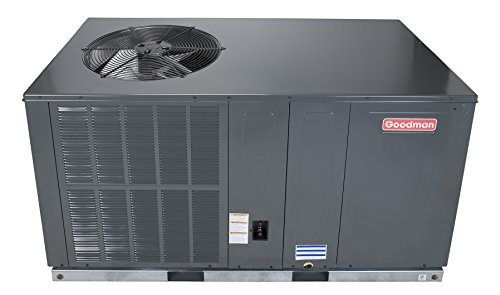
- Goodman: Offers more affordable options without sacrificing quality. Goodman is a popular choice for budget-conscious homeowners.
- Rheem: Known for its value and reliability. Rheem offers a range of air conditioners and furnaces with competitive pricing.
- Lennox: Offers some of the most energy-efficient systems on the market, often exceeding SEER 20.
It's recommended to compare specific models based on their features, ratings, and pricing to find the best fit for your needs and budget. Consult with an HVAC professional for personalized recommendations.
Pricing and Installation Considerations
The cost of a 2.5 ton air conditioner and furnace system can vary depending on several factors, including the brand, model, efficiency rating, and installation complexity. On average, you can expect to pay between $5,000 and $10,000 for a complete system, including installation.
Installation costs can vary depending on:
- The complexity of the installation (e.g., replacing an existing system vs. installing a new system in a new construction home)
- The amount of ductwork that needs to be modified or replaced
- Permitting fees
- Labor rates in your area
It's crucial to obtain quotes from multiple qualified HVAC contractors before making a decision. Be sure to ask for a detailed breakdown of the costs, including equipment, labor, and any additional fees. Check online reviews and references to ensure you're working with a reputable and experienced contractor.
Warranties and Maintenance
Most air conditioners and furnaces come with a manufacturer's warranty, typically covering parts for 5 to 10 years. Some manufacturers also offer extended warranties that cover labor costs. Be sure to read the warranty carefully to understand what is covered and what is not.
Proper maintenance is essential to prolong the life of your HVAC system and maintain its efficiency. Regular maintenance tasks include:
- Changing air filters every 1-3 months
- Cleaning the outdoor condenser coil
- Inspecting and cleaning the blower motor
- Checking refrigerant levels
- Inspecting and cleaning the ductwork
Consider scheduling annual maintenance appointments with a qualified HVAC technician. They can perform a thorough inspection of your system, identify potential problems, and make any necessary repairs.
DIY vs. Professional Installation: Important Considerations
While some homeowners may be tempted to install their own HVAC system to save money, it's generally not recommended. Improper installation can lead to:
- Reduced efficiency
- Increased energy bills
- Premature wear and tear
- Voided warranties
- Safety hazards (e.g., gas leaks, electrical shocks)
Unless you have extensive experience in HVAC installation, it's best to leave the job to a qualified professional. They have the knowledge, skills, and tools to ensure that your system is installed correctly and safely.
Financing Options and Rebates
Replacing your HVAC system can be a significant expense. Fortunately, several financing options and rebates are available to help make it more affordable:
- Manufacturer financing: Some manufacturers offer financing programs with low interest rates or deferred payments.
- Home equity loans or lines of credit: These options allow you to borrow against the equity in your home.
- Government rebates: Federal, state, and local governments often offer rebates for installing energy-efficient HVAC equipment. Check with your local utility company and the Database of State Incentives for Renewables & Efficiency (DSIRE) to see what rebates are available in your area.
- Tax credits: Depending on the energy efficiency of the unit and federal regulations, homeowners might be able to claim federal tax credits for installing qualifying HVAC systems.
Conclusion: Making the Right Choice
Choosing a 2.5 ton air conditioner and furnace is an important decision that can impact your comfort, energy bills, and the value of your home. By understanding the key features, ratings, and considerations outlined in this guide, you can make an informed decision and select the best system for your needs. Remember to consult with a qualified HVAC professional for personalized recommendations and installation services. Investing in a high-quality, properly installed HVAC system will provide years of reliable and efficient heating and cooling.