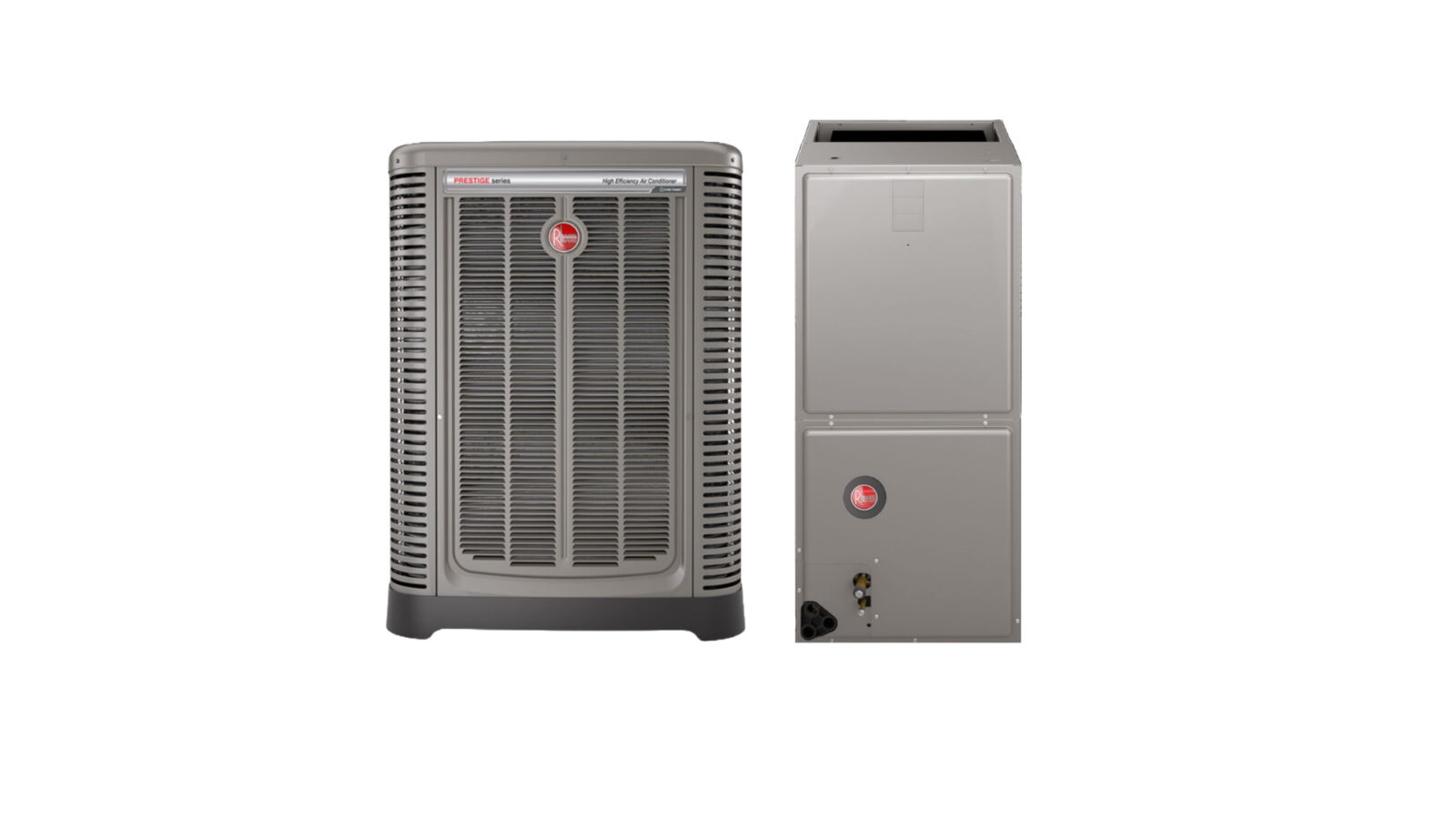
2.5 Ton Air Conditioner Heating Unit

Understanding the 2.5 Ton Air Conditioner and Heating Unit: A Comprehensive Guide
A 2.5 ton air conditioner and heating unit, often referred to as a 30,000 BTU (British Thermal Unit) system, is a popular choice for many homes and smaller commercial spaces. Understanding its capabilities, limitations, and costs is crucial for homeowners, HVAC technicians, and facility managers alike. This article provides a detailed overview of 2.5 ton systems, covering everything from sizing and efficiency to installation and maintenance.
What Does "2.5 Ton" Mean?
The "ton" in air conditioning refers to the amount of heat the unit can remove from a space in one hour. One ton is equivalent to 12,000 BTUs. Therefore, a 2.5 ton unit can remove approximately 30,000 BTUs of heat per hour. This capacity dictates the size of the area the unit can effectively cool or heat.
Sizing Your System: Is 2.5 Tons Right for You?
Choosing the correct size AC unit is paramount for efficiency and comfort. An undersized unit will struggle to cool the space, leading to high energy bills and inconsistent temperatures. An oversized unit, on the other hand, can short cycle (turn on and off frequently), wasting energy, increasing wear and tear, and failing to dehumidify properly. Proper sizing depends on several factors:
- Square Footage: As a general rule, a 2.5 ton unit can effectively cool or heat approximately 1,200 to 1,500 square feet. However, this is just a starting point.
- Climate: Hotter climates require larger units than milder climates.
- Insulation: Well-insulated homes require smaller units. Poor insulation leads to heat loss in winter and heat gain in summer, necessitating a larger unit.
- Window Size and Orientation: Large windows, especially those facing south or west, contribute to heat gain.
- Number of Occupants: More people generate more heat.
- Ceiling Height: Higher ceilings increase the volume of air to be cooled or heated.
A professional HVAC technician can perform a Manual J load calculation to accurately determine the correct size for your home. This calculation takes into account all the factors mentioned above, providing a precise estimate of your cooling and heating needs.
Example: A home in Phoenix, Arizona, with 1,300 square feet, poor insulation, and large west-facing windows will likely require a 2.5 ton unit. However, a similarly sized home in Seattle, Washington, with good insulation and smaller windows might only need a 2 ton unit.
Types of 2.5 Ton Air Conditioner and Heating Units
2.5 ton systems are available in various configurations, each with its own advantages and disadvantages:
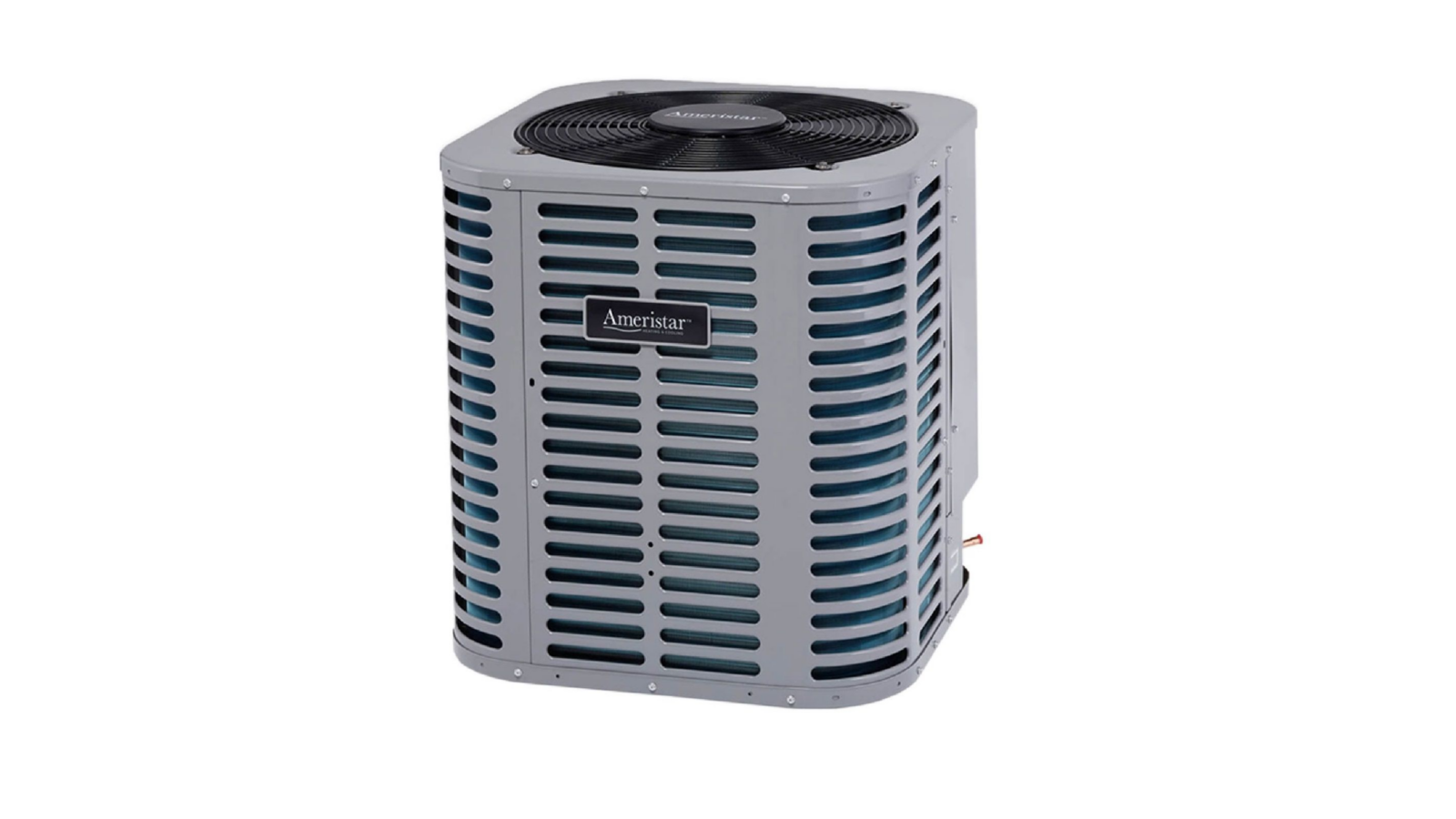
- Split Systems: These are the most common type, consisting of an outdoor unit (containing the compressor and condenser coil) and an indoor unit (containing the evaporator coil and air handler). Split systems offer flexibility in placement and are generally quieter than other options.
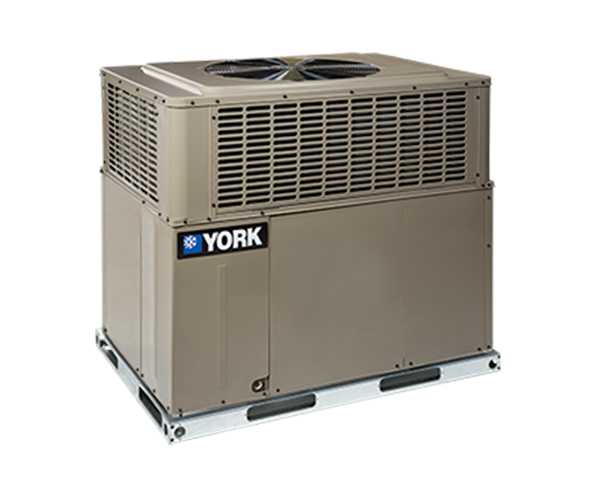
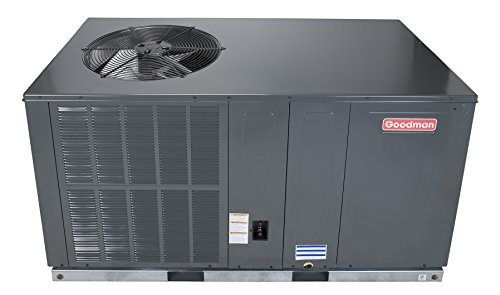
- Package Units: These combine all components into a single outdoor unit. Package units are often used in commercial applications or homes without sufficient space for a separate indoor unit.
- Heat Pumps: Heat pumps can provide both heating and cooling by reversing the flow of refrigerant. They are more energy-efficient than traditional furnaces in moderate climates. A 2.5 ton heat pump can effectively heat and cool a similarly sized space as a 2.5 ton air conditioner.
- Ductless Mini-Split Systems: These systems consist of an outdoor unit connected to one or more indoor units (air handlers) via refrigerant lines. Ductless systems are ideal for homes without existing ductwork or for zoning individual rooms.
Efficiency Ratings: SEER and HSPF
The efficiency of an air conditioner is measured by its Seasonal Energy Efficiency Ratio (SEER). A higher SEER rating indicates greater efficiency. Modern air conditioners typically have SEER ratings ranging from 13 to 28. A 2.5 ton unit with a higher SEER rating will consume less energy and result in lower utility bills.
For heat pumps, heating efficiency is measured by the Heating Seasonal Performance Factor (HSPF). A higher HSPF rating indicates greater heating efficiency. Current heat pumps typically have HSPF ratings ranging from 8 to 13.
When choosing a 2.5 ton unit, consider the long-term cost savings associated with higher efficiency ratings. While a more efficient unit may have a higher initial cost, it will save you money on energy bills over its lifespan.
Cost Considerations: Purchase, Installation, and Maintenance
The cost of a 2.5 ton air conditioner and heating unit can vary depending on the brand, efficiency rating, and installation complexity. Here's a breakdown of the typical costs involved:
- Unit Cost: The cost of the unit itself can range from $2,000 to $6,000 or more, depending on the factors mentioned above.
- Installation Cost: Installation costs can range from $1,500 to $5,000 or more, depending on the complexity of the installation, the need for ductwork modifications, and local labor rates.
- Maintenance Costs: Regular maintenance is essential to ensure the longevity and efficiency of your unit. Annual maintenance costs typically range from $100 to $300. This includes cleaning the coils, checking refrigerant levels, and inspecting the components.
It's important to obtain multiple quotes from reputable HVAC contractors before making a purchase. Be sure to ask for a detailed breakdown of the costs involved, including the unit price, installation fees, and any additional charges.
Installation: A Crucial Step
Proper installation is just as important as choosing the right size and efficiency rating. A poorly installed unit will not perform efficiently and may experience premature failure. Key aspects of proper installation include:
- Proper Refrigerant Charge: Incorrect refrigerant levels can significantly reduce efficiency and damage the compressor.
- Proper Ductwork Sealing: Leaky ductwork can result in significant energy losses.
- Proper Electrical Connections: Loose or corroded electrical connections can pose a safety hazard and damage the unit.
- Proper Drainage: Condensate drainage must be properly installed to prevent water damage.
Always hire a licensed and experienced HVAC contractor to install your 2.5 ton unit. Check their credentials, read online reviews, and ask for references before hiring them.
Maintenance: Extending the Life of Your Unit
Regular maintenance is crucial for extending the lifespan and maintaining the efficiency of your 2.5 ton air conditioner and heating unit. Here are some essential maintenance tasks:
- Clean or Replace Air Filters Regularly: Dirty air filters restrict airflow, reducing efficiency and potentially damaging the unit. Replace filters every 1-3 months, depending on usage and air quality.
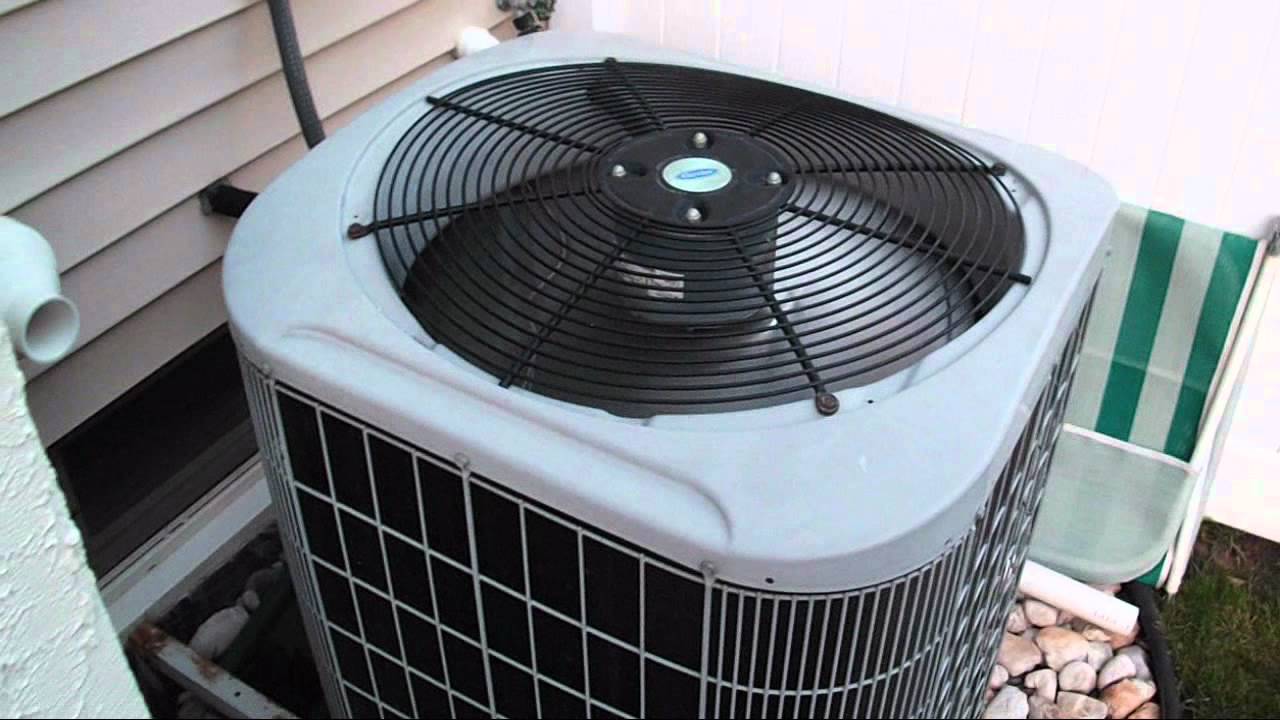
- Clean the Outdoor Unit: Remove any debris, such as leaves, grass clippings, and branches, from around the outdoor unit.
- Clean the Indoor Coil: The indoor coil can become dirty over time, reducing efficiency. Have it professionally cleaned every few years.
- Check Refrigerant Levels: Low refrigerant levels can indicate a leak. Have a professional check the refrigerant levels and repair any leaks.
- Inspect Electrical Connections: Check for loose or corroded electrical connections.
Consider scheduling annual maintenance with a qualified HVAC technician. They can perform a thorough inspection of the unit, identify any potential problems, and perform necessary repairs.
Lifespan and Replacement
A well-maintained 2.5 ton air conditioner and heating unit can last for 15-20 years. However, factors such as usage, climate, and maintenance practices can affect its lifespan. Signs that your unit may need to be replaced include:
- Increasing Energy Bills: If your energy bills are consistently increasing, even though your usage habits haven't changed, it could indicate that your unit is losing efficiency.
- Frequent Repairs: If your unit requires frequent repairs, it may be more cost-effective to replace it.
- Uneven Cooling or Heating: If some rooms are too hot or too cold, it could indicate that your unit is no longer able to effectively distribute air.
- Strange Noises: Unusual noises, such as banging, rattling, or hissing, could indicate a serious problem.
When the time comes to replace your unit, consider upgrading to a more efficient model. This will save you money on energy bills and reduce your environmental impact.
Conclusion
A 2.5 ton air conditioner and heating unit is a versatile and effective option for many homes and smaller commercial spaces. By understanding its capabilities, limitations, and costs, you can make an informed decision about whether it's the right choice for your needs. Remember to properly size the unit, choose an efficient model, ensure proper installation, and perform regular maintenance to maximize its lifespan and efficiency. Consulting with a qualified HVAC professional is always recommended to ensure the best possible outcome.