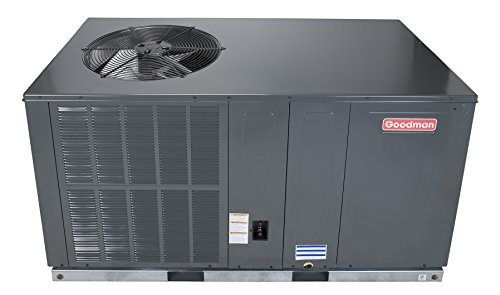
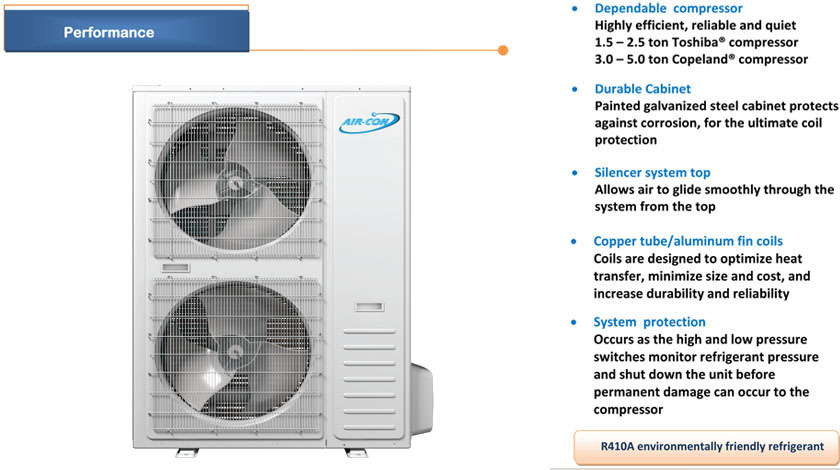
2.5 Ton Central Air Conditioning Unit

Many homeowners experience the frustration of their 2.5 ton central air conditioning unit blowing warm air, or simply not cooling the house effectively. This isn't just uncomfortable; it can also lead to higher energy bills. Before you call a professional, let's go through a systematic troubleshooting process to see if you can identify and potentially fix the problem yourself. Remember, safety is paramount. If you're ever unsure about a step, or uncomfortable working with electrical components, stop and call a qualified HVAC technician.
Step 1: Initial Assessment (No Tools Required)
First, let's gather some basic information. This initial assessment can save you time and potentially pinpoint the issue quickly.
Check the Thermostat
This might seem obvious, but it's often the culprit!
- Is the thermostat set to COOL? Make sure it's not accidentally set to HEAT or OFF.
- Is the temperature set low enough? Try setting the thermostat 5-10 degrees below the current room temperature to see if the AC kicks on.
- Check the batteries. A low battery can cause erratic thermostat behavior. Replace them if they're old.
- Fan setting. Ensure the fan is set to "AUTO." If it's set to "ON," the fan will run continuously, even when the AC isn't cooling, which can feel like warm air.
Inspect the Air Filter
A dirty air filter is a common cause of reduced airflow and poor cooling performance. It restricts airflow, causing the unit to work harder and less efficiently.
- Locate the air filter. It's usually located in the return air vent or inside the air handler (the indoor unit).
- Visually inspect the filter. If it's visibly dirty, dusty, or clogged, it needs to be replaced.
- Replace the filter. Use the correct size and type of filter as recommended by your system's manufacturer. Using the wrong size or type can damage your system.
Observe the Outdoor Unit (Condenser)
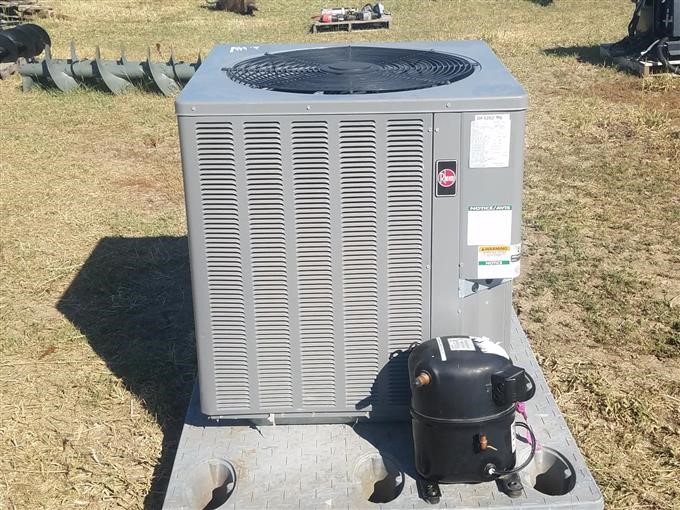
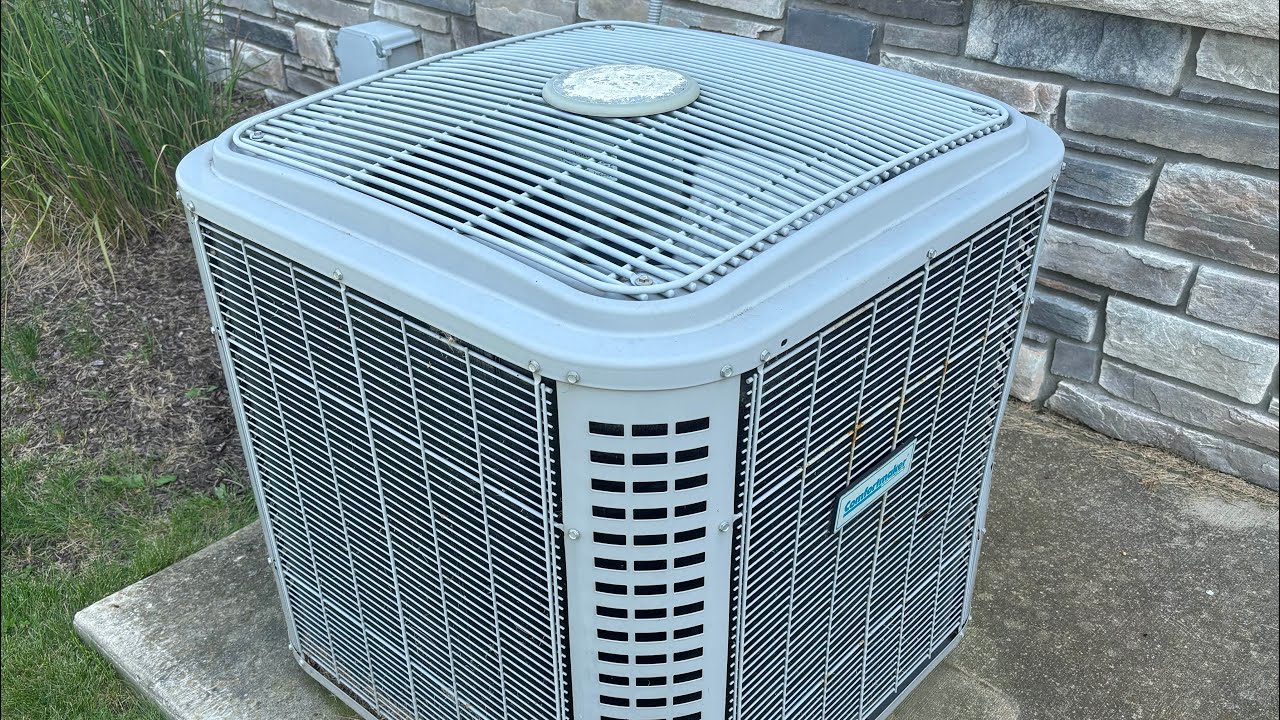
The outdoor unit is responsible for releasing heat. Check its physical condition and surroundings.
- Clear any obstructions. Make sure there are no plants, leaves, debris, or other objects blocking the airflow around the unit. Maintain at least 2-3 feet of clearance on all sides.
- Visually inspect the fins. The fins are the metal plates surrounding the unit. Check if they are bent or damaged. Gently straighten any bent fins with a fin comb (available at most hardware stores). This requires a small investment but can significantly improve airflow.
- Listen to the unit. When the AC is running, listen for any unusual noises, such as banging, grinding, or hissing. These noises could indicate a more serious problem.
Step 2: Basic Troubleshooting (Minimal Tools Required)
If the initial assessment didn't reveal the problem, we'll move on to some basic troubleshooting steps that may require a few simple tools.
Check the Circuit Breaker
A tripped circuit breaker is a common cause of AC failure.
- Locate the circuit breaker panel. It's usually located in a garage, basement, or utility room.
- Identify the breaker for the AC unit. It should be labeled "AC," "Air Conditioner," or something similar.
- Check if the breaker is tripped. A tripped breaker will usually be in the "OFF" or middle position.
- Reset the breaker. Turn the breaker fully to the "OFF" position, then back to the "ON" position.
- If the breaker trips again immediately, there's likely a short circuit in the system, and you'll need to call a professional. Do not repeatedly reset the breaker, as this can damage the unit or create a fire hazard.
Inspect the Condensate Drain Line
A clogged condensate drain line can cause water to back up, shutting down the system or preventing it from cooling properly.
- Locate the condensate drain line. It's usually a PVC pipe that runs from the indoor unit to the outside.
- Check for clogs. Look for any visible blockages or standing water in the drain line.
- Clear the drain line. You can try using a wet/dry vacuum to suck out any clogs. Attach the vacuum hose to the end of the drain line outside and create a tight seal. Turn on the vacuum for a few minutes to remove any debris. You can also try pouring a cup of distilled white vinegar down the drain line to help dissolve any buildup.
- Consider using a condensate drain tablet. These tablets help prevent algae and other buildup in the drain line. Follow the instructions on the tablet packaging.
Inspect the Blower Motor (Requires caution!)
The blower motor circulates air throughout your home. If it's not working, you won't get any cool air.
- Turn off the power to the AC unit at the breaker. Safety First!
- Locate the blower motor. It's usually inside the air handler (the indoor unit). You'll likely need to remove an access panel to get to it.
- Visually inspect the blower motor. Look for any signs of damage, such as burnt wires or a cracked housing.
- Try to spin the blower motor fan. If it spins freely, the motor may be okay. If it's difficult to spin or doesn't spin at all, the motor may be seized. Do not force it.
- If you suspect the blower motor is faulty, it's best to call a professional. Replacing a blower motor requires electrical knowledge and specialized tools.
Step 3: Advanced Troubleshooting (Professional Help Required)
The following issues require specialized knowledge, tools, and safety precautions. Do not attempt to diagnose or repair these problems yourself.
Refrigerant Leaks
Low refrigerant levels are a common cause of poor cooling. However, detecting and repairing refrigerant leaks requires specialized equipment and certification.
- Signs of a refrigerant leak include: Ice buildup on the refrigerant lines, hissing noises coming from the unit, and a noticeable drop in cooling performance.
- Repairing a refrigerant leak involves: Locating the leak, repairing the leak (usually by brazing), and recharging the system with the correct type and amount of refrigerant.
- Why you need a professional: Refrigerant is a regulated substance, and handling it requires EPA certification. Improper handling can be harmful to the environment and to your health.
Compressor Problems
The compressor is the heart of the AC system. It circulates the refrigerant and is responsible for cooling the air.
- Signs of a compressor problem include: Loud noises coming from the outdoor unit, the unit not turning on at all, or the unit turning on but not cooling.
- Diagnosing a compressor problem involves: Using specialized equipment to test the compressor's electrical and mechanical function.
- Why you need a professional: Compressors are complex and expensive components. Replacing a compressor requires specialized tools and knowledge.
Electrical Problems
AC units operate on high voltage electricity. Working with electricity can be dangerous.
- Signs of electrical problems include: Burnt wires, sparking, or a tripped circuit breaker that repeatedly trips.
- Diagnosing electrical problems involves: Using a multimeter to test voltage and continuity.
- Why you need a professional: Electrical work should only be performed by a qualified electrician or HVAC technician. Improper wiring can cause fires or electrical shock.
Ductwork Issues
Leaky or damaged ductwork can significantly reduce the efficiency of your AC system.
- Signs of ductwork issues include: Uneven cooling throughout the house, high energy bills, and dusty vents.
- Diagnosing ductwork issues involves: Inspecting the ductwork for leaks, tears, or disconnections.
- While you can seal some minor leaks with duct tape, more significant ductwork repairs require specialized tools and knowledge. Consider hiring a professional to inspect and repair your ductwork.
When to Call a Professional
You've gone through the troubleshooting steps, but your AC is still not cooling properly. Here's a summary of when it's time to call a qualified HVAC technician:
- You suspect a refrigerant leak.
- You hear unusual noises coming from the unit (banging, grinding, hissing).
- The circuit breaker repeatedly trips.
- You see burnt wires or other signs of electrical damage.
- The blower motor is not working.
- You suspect a compressor problem.
- You're uncomfortable working with electrical components.
- You've tried the troubleshooting steps, but the problem persists.
By following these troubleshooting steps, you can potentially identify and fix common AC problems yourself. Remember to prioritize safety and call a professional when necessary. Regular maintenance, such as cleaning the coils and replacing the air filter, can help prevent future problems and keep your AC running efficiently for years to come.