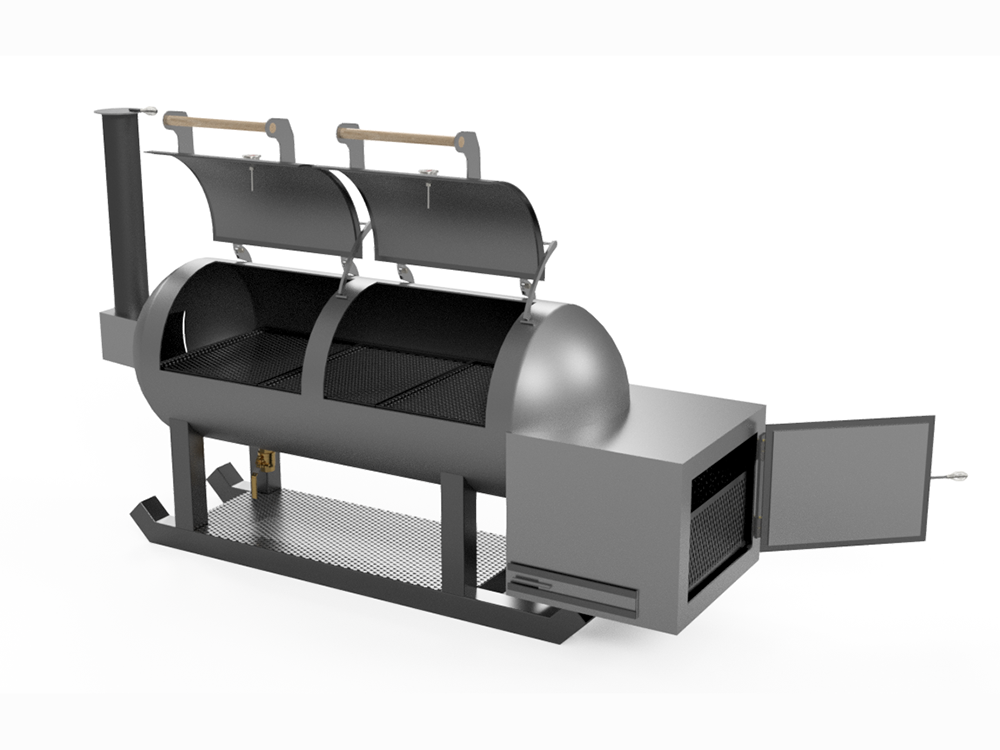
250 Gallon Offset Smoker Plans

In the realm of outdoor cooking, the offset smoker stands as a titan, a testament to the art of low-and-slow barbecue. For the DIY enthusiast looking to not only savor delicious smoked meats but also embrace energy efficiency and cost savings, building your own 250-gallon offset smoker can be a rewarding venture. This article delves into the world of 250-gallon offset smoker plans, focusing on construction techniques, energy-saving modifications, and integration with smart home technology to optimize your smoking experience and minimize your carbon footprint.
Understanding the 250-Gallon Offset Smoker
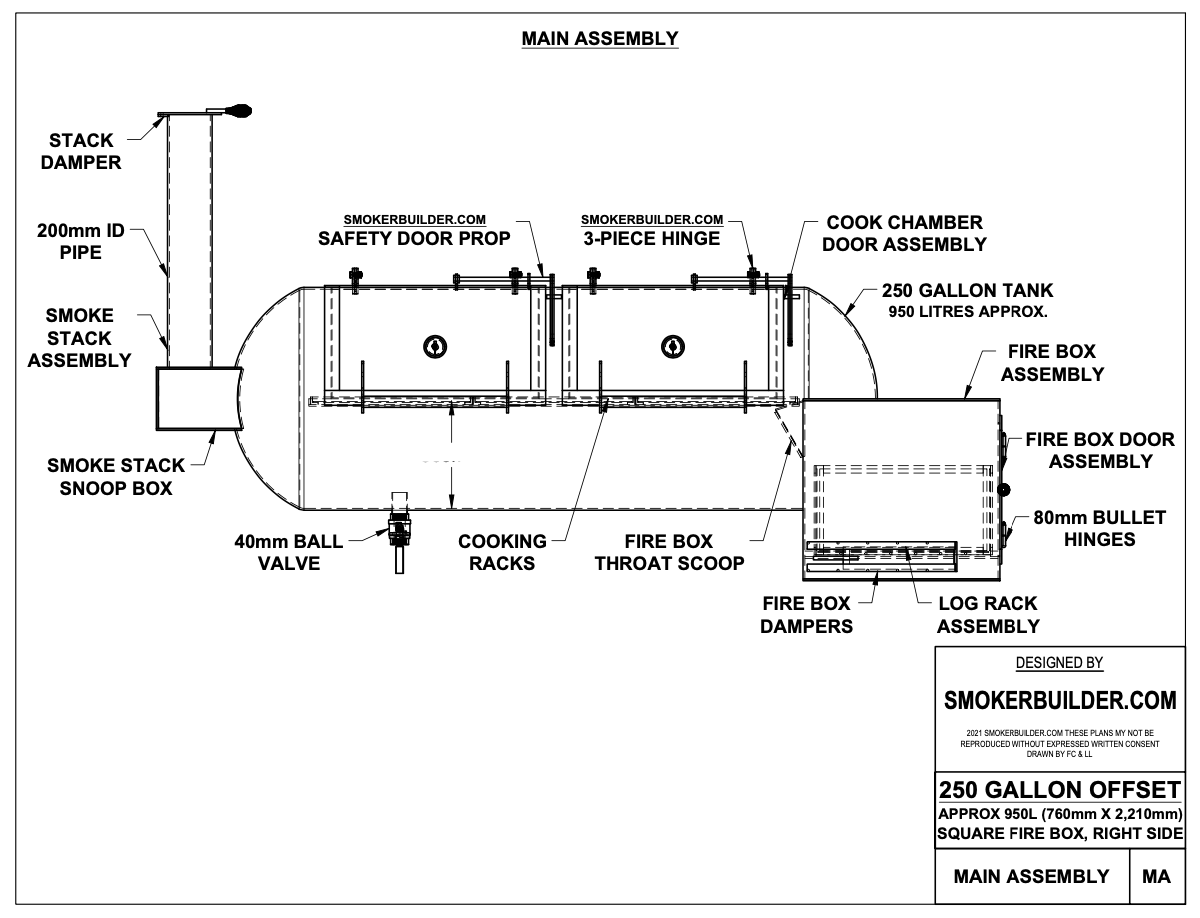
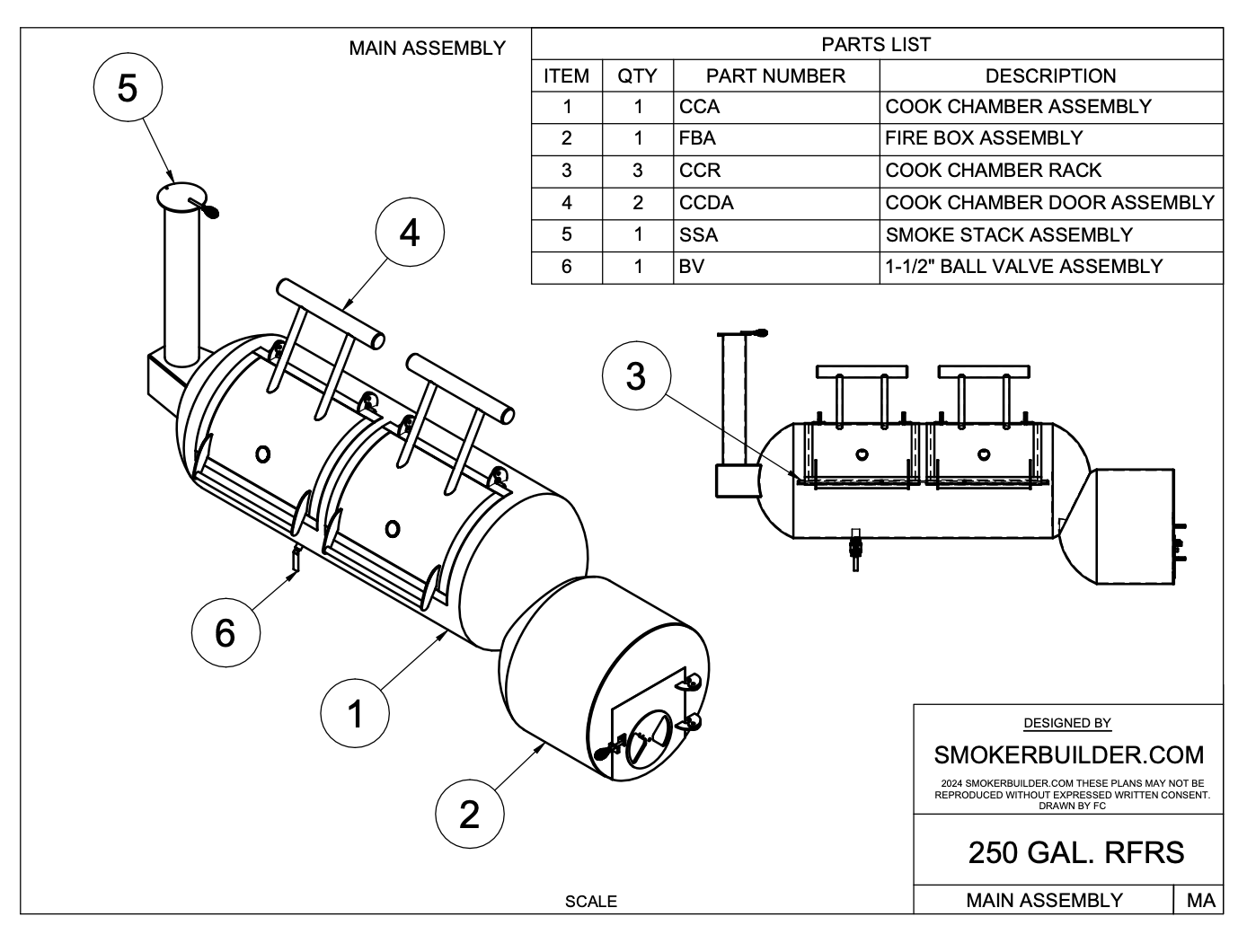
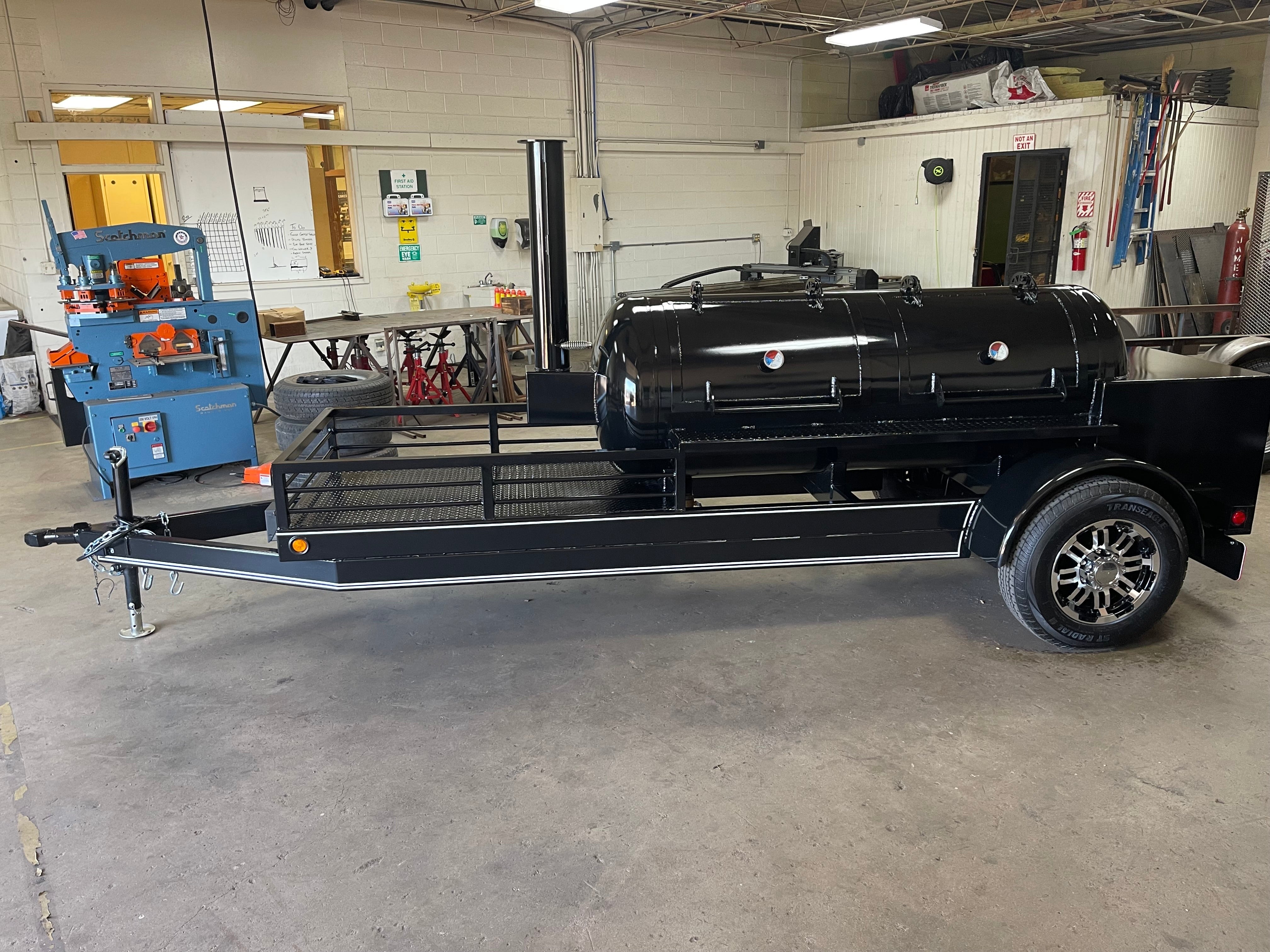
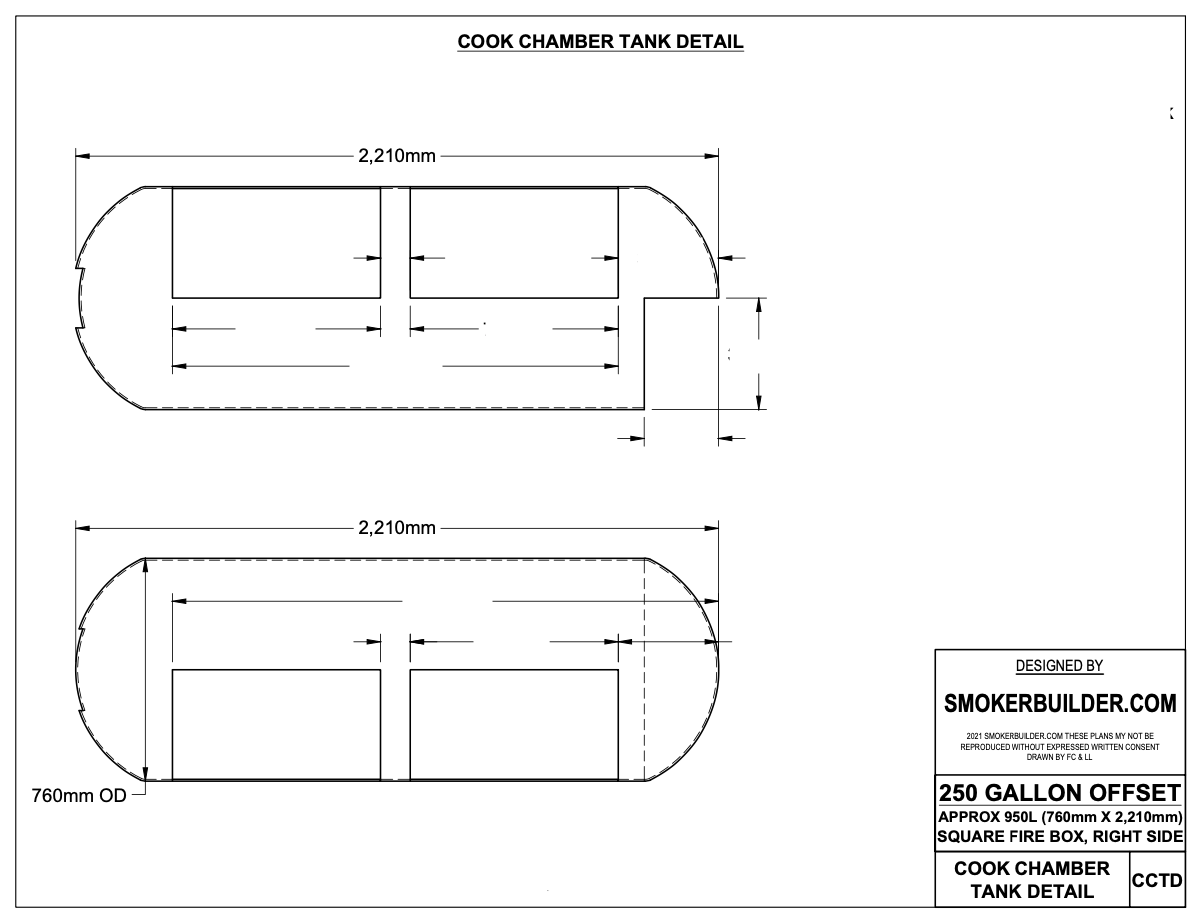
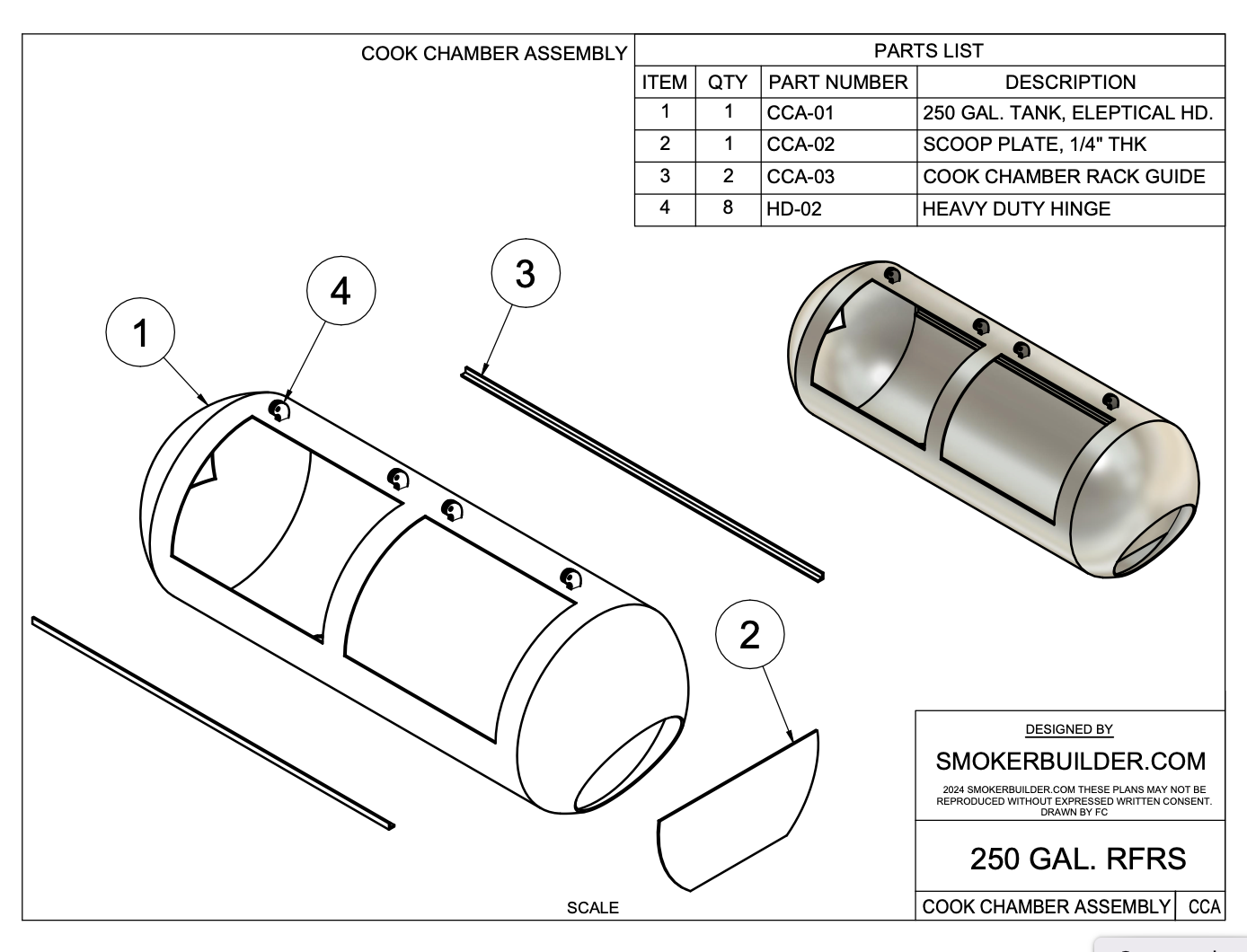
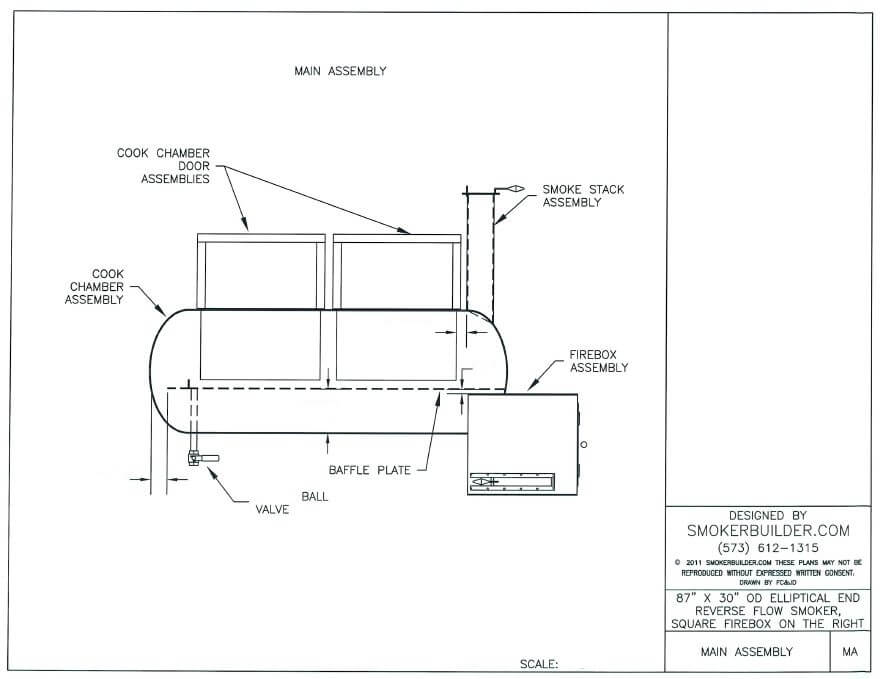
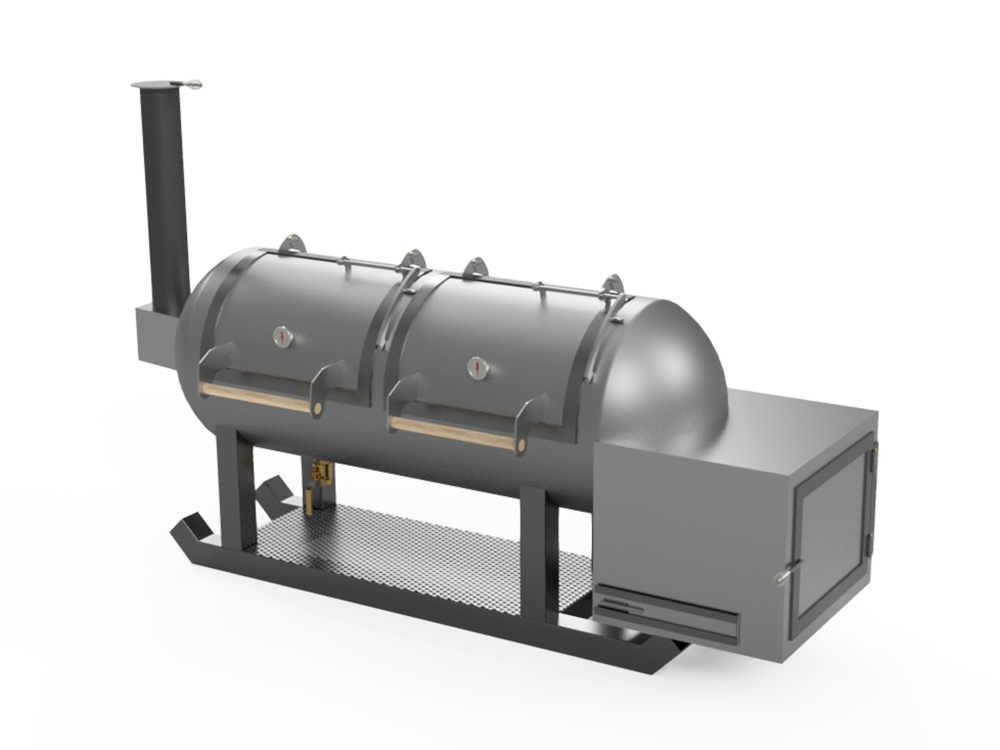
A 250-gallon offset smoker is a substantial piece of equipment, capable of handling large quantities of meat, making it suitable for both home use and small catering businesses. The “offset” design refers to the firebox being located to the side of the main cooking chamber. This indirect heat source allows for even cooking, minimizes flare-ups, and imparts a rich, smoky flavor to your food. While plans vary, common features include:
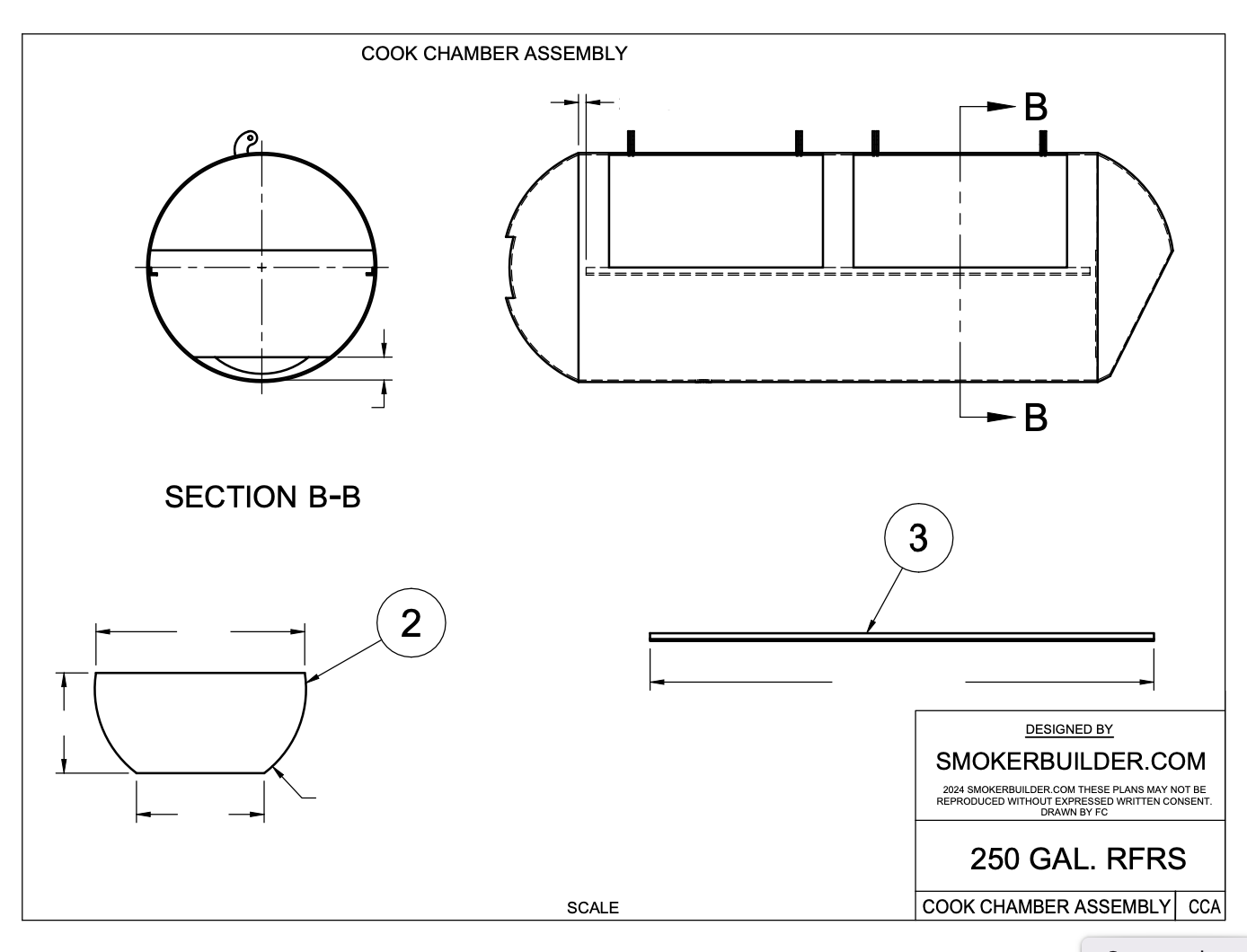
- Cooking Chamber: A large cylindrical or rectangular chamber where the meat is placed.
- Firebox: A smaller chamber where wood or charcoal is burned to generate heat and smoke.
- Chimney: An exhaust vent that draws smoke through the cooking chamber.
- Dampers: Adjustable vents that control airflow and temperature.
- Grates: Shelves inside the cooking chamber to hold the meat.
Why Build Your Own? Cost Savings and Customization
Purchasing a pre-made 250-gallon offset smoker can be a significant investment. Building your own offers several key advantages:
- Cost Savings: Sourcing materials yourself and utilizing readily available plans can result in substantial savings compared to buying a commercial unit. You control the materials and can shop for the best prices.
- Customization: You can tailor the smoker to your specific needs and preferences. Want extra shelves? A warming box? Specific damper configurations? Building it yourself allows for complete control.
- Skill Development: Building a smoker is a challenging but rewarding project that will enhance your welding, fabrication, and problem-solving skills.
Sourcing 250-Gallon Offset Smoker Plans
Numerous resources offer plans for building 250-gallon offset smokers. These range from free online schematics to detailed, professionally designed blueprints available for purchase. Consider the following:
- Online Forums: Websites dedicated to barbecue and smoking often host discussions and shared plans. Be aware that free plans may vary in quality and accuracy.
- Specialized Websites: Websites specializing in smoker plans offer detailed instructions, material lists, and even video tutorials. These plans are generally more reliable but may require a purchase.
- Libraries and Educational Institutions: Some libraries and technical schools may have resources on metalworking and fabrication that can aid in your smoker build.
When selecting plans, prioritize those that are clear, comprehensive, and include detailed welding instructions. Consider the skill level required and choose plans that align with your experience.
Energy-Efficient Design Considerations
While offset smokers are known for their robust flavor, they can also be fuel-intensive. Incorporating energy-efficient design elements can significantly reduce fuel consumption and improve temperature control:
Insulation
Insulating the firebox and cooking chamber is crucial for minimizing heat loss. This can be achieved using:
- Welded Steel Jacket: Creating a double-walled construction with an air gap between the layers acts as a natural insulator.
- Insulating Blankets: High-temperature insulating blankets can be wrapped around the firebox and cooking chamber to retain heat. Consider using fiberglass-free options.
Insulation reduces the amount of fuel needed to maintain a consistent temperature, leading to significant cost savings over time. Imagine cutting your wood consumption by 20-30%! That directly impacts your wallet and reduces your environmental impact.
Damper Control and Airflow Management
Precise damper control is essential for managing airflow and temperature. Consider the following:
- High-Quality Dampers: Invest in durable, adjustable dampers that allow for fine-tuning of airflow.
- Sealed Doors: Ensure that the doors of the firebox and cooking chamber seal tightly to prevent air leaks.
- Optimized Chimney Height: The chimney height should be proportionate to the size of the smoker to ensure proper draft.
Proper airflow management allows you to maintain a consistent temperature with minimal fuel input. Understanding how air moves through your smoker is key to efficiency.
Heat Deflectors
A heat deflector plate placed inside the cooking chamber helps to distribute heat evenly, preventing hot spots and ensuring consistent cooking. This eliminates the need to constantly rotate your meat, saving energy and time.
Materials and Construction Techniques
The choice of materials is critical for the durability, performance, and energy efficiency of your smoker. Common materials include:
- Steel: Steel is the primary material for the smoker body, firebox, and cooking chamber. Opt for heavy-gauge steel (1/4" or thicker) for optimal heat retention and longevity.
- Grate Material: Stainless steel grates are durable, easy to clean, and resistant to rust.
- Hinges and Latches: Choose heavy-duty hinges and latches that can withstand high temperatures and repeated use.
Welding is the primary construction method. Ensure you have the necessary welding skills or enlist the help of a qualified welder. Proper welding is essential for creating a strong, airtight smoker.
Integrating Smart Technology for Enhanced Efficiency
Integrating smart technology can further enhance the energy efficiency and control of your 250-gallon offset smoker:
Smart Thermostats
Smart thermostats allow you to monitor and control the temperature of your smoker remotely via a smartphone app. Some models even feature automatic damper control, adjusting airflow to maintain a set temperature. This precision ensures consistent cooking and minimizes fuel waste. Look for units that are compatible with high temperatures.
Temperature Sensors and Data Logging
Multiple temperature sensors strategically placed throughout the cooking chamber can provide real-time temperature data. This data can be logged and analyzed to optimize your smoking process and identify areas for improvement. Predictive analytics can even help you anticipate temperature fluctuations and adjust accordingly.
Fuel Level Monitoring
Consider incorporating a fuel level sensor in the firebox to monitor fuel consumption. This can help you estimate the remaining cook time and plan accordingly, minimizing the need to add fuel unnecessarily.
ROI and Energy Savings Calculation
Calculating the return on investment (ROI) of building a 250-gallon offset smoker involves considering the initial costs (materials, tools, and labor) and the potential savings in fuel consumption and meat costs. Let’s consider an example:
Assumptions:
- Cost of building materials: $1500
- Average cost of pre-made 250-gallon offset smoker: $4000
- Average wood consumption per smoking session (4 hours): 50 lbs
- Cost of wood: $0.50 per lb
- Number of smoking sessions per year: 20
- Energy savings with insulation and smart controls: 25%
Calculations:
- Cost Savings on Smoker: $4000 - $1500 = $2500
- Annual Wood Consumption: 50 lbs/session * 20 sessions = 1000 lbs
- Annual Wood Cost: 1000 lbs * $0.50/lb = $500
- Annual Energy Savings: $500 * 0.25 = $125
- Payback Period: $1500 / ($2500 + $125) = approximately 0.57 years
In this example, the initial investment in building the smoker is recouped in less than a year due to the lower upfront cost and ongoing energy savings. These savings can be further amplified with careful material selection, optimized design, and the use of smart technology.
Rebates and Incentives
While specific rebates for building your own smoker are unlikely, consider that some energy-efficient home improvement rebates may apply to certain components, such as insulated doors or smart thermostats. Check with your local utility company and government agencies for available programs. Even if direct rebates aren't available, you might find incentives related to sustainable living or DIY projects that could indirectly offset some costs.
Maintenance and Longevity
Proper maintenance is crucial for maximizing the lifespan and performance of your 250-gallon offset smoker:
- Regular Cleaning: Clean the cooking chamber and firebox regularly to remove ash, grease, and debris.
- Rust Prevention: Apply a high-temperature paint or coating to prevent rust.
- Damper Maintenance: Lubricate dampers periodically to ensure smooth operation.
- Inspect Welds: Regularly inspect welds for cracks or weaknesses and repair as needed.
By following these maintenance tips, you can ensure that your smoker provides years of reliable service and delicious smoked meats.
Safety Considerations
Building and operating a 250-gallon offset smoker involves inherent risks. Always prioritize safety:
- Wear appropriate safety gear: When welding, wear a welding helmet, gloves, and protective clothing.
- Work in a well-ventilated area: Ensure adequate ventilation when welding or using the smoker.
- Use caution when handling hot surfaces: Wear heat-resistant gloves when handling the smoker during operation.
- Keep a fire extinguisher nearby: Always have a fire extinguisher readily available.
By adhering to these safety guidelines, you can minimize the risk of accidents and injuries.
Conclusion
Building a 250-gallon offset smoker is a challenging but rewarding project that can save you money, enhance your cooking skills, and provide years of delicious smoked meats. By incorporating energy-efficient design elements and integrating smart technology, you can further optimize your smoking experience, reduce fuel consumption, and minimize your environmental impact. Remember to choose plans that align with your skill level, prioritize safety, and perform regular maintenance to ensure the longevity of your smoker. The satisfaction of enjoying perfectly smoked barbecue from a smoker you built yourself is truly unparalleled. Happy smoking!