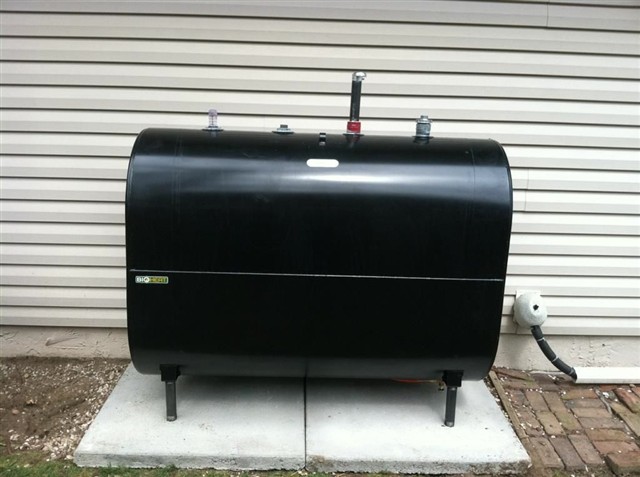
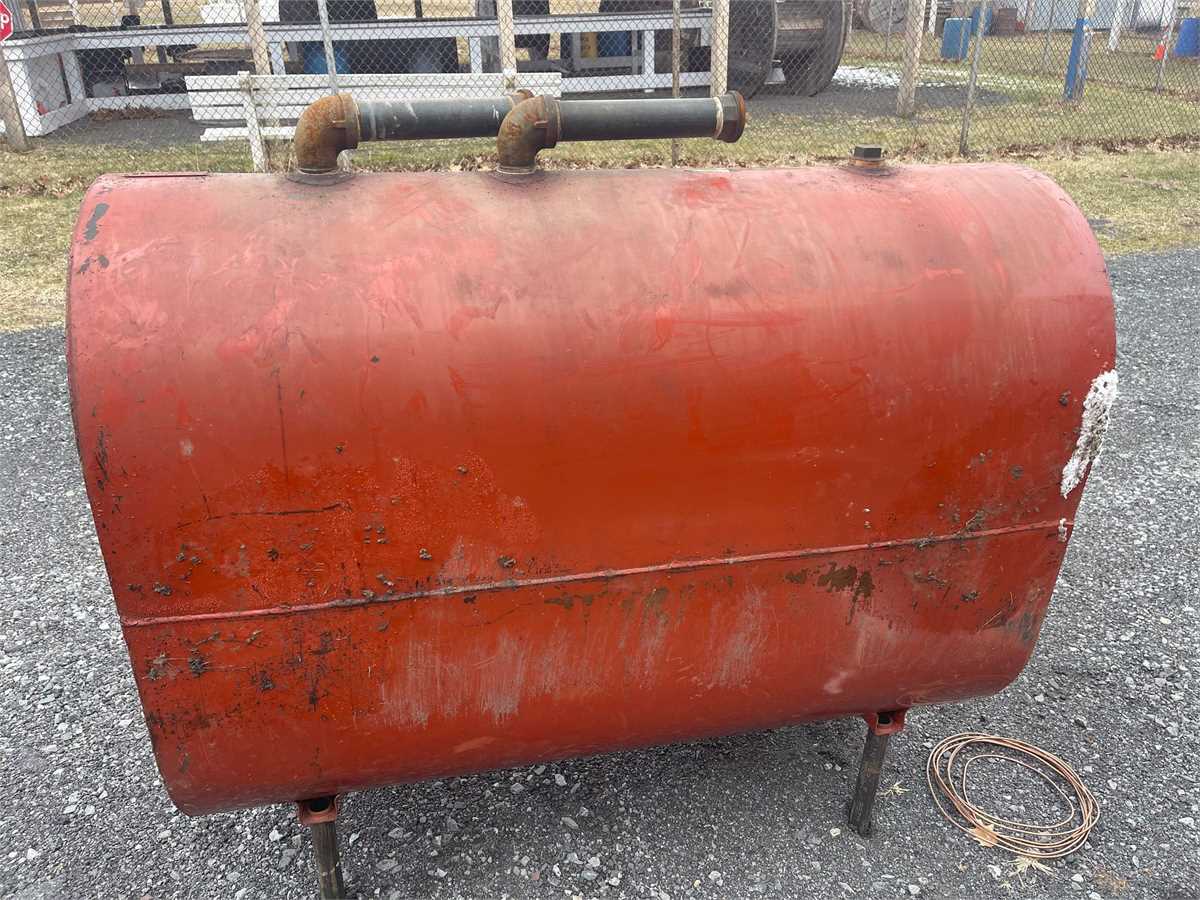
275 Gallon Home Heating Oil Tank
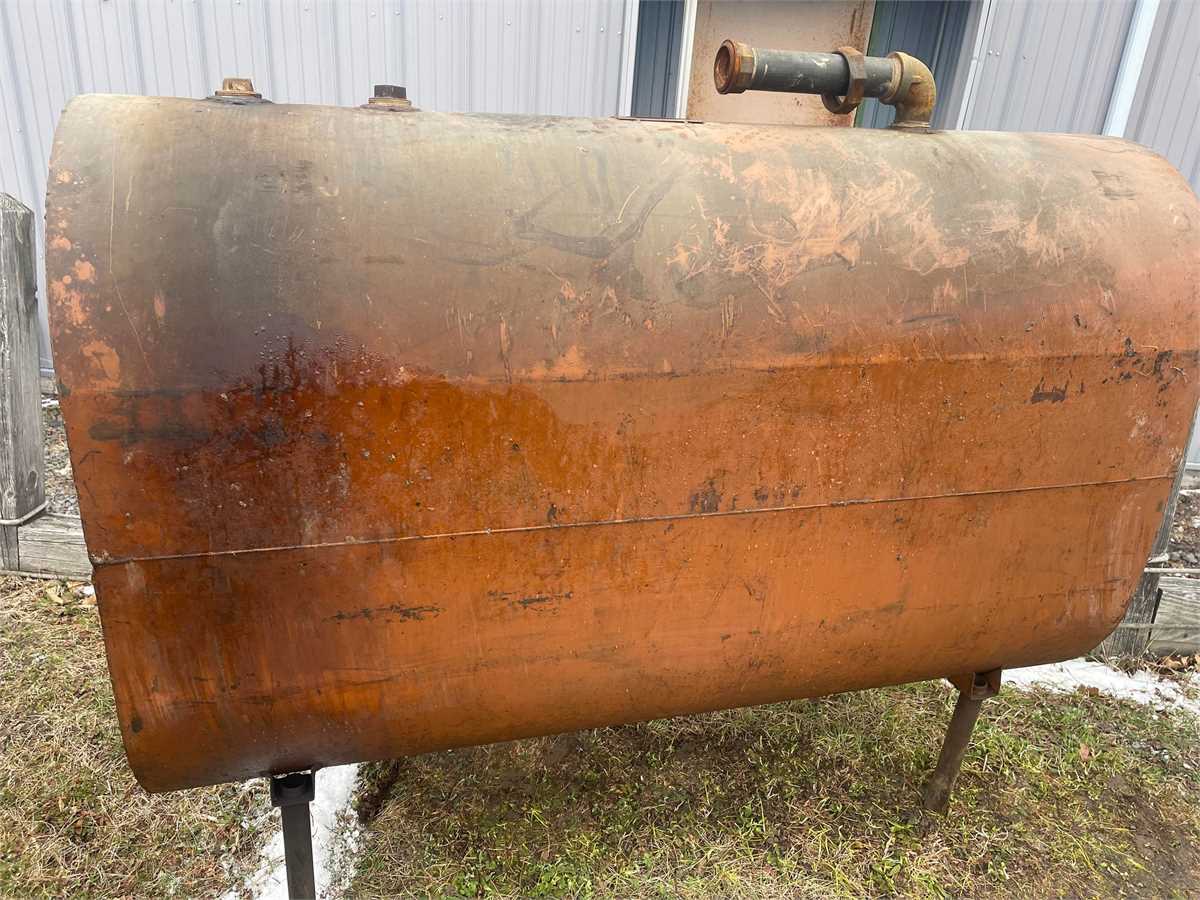
Understanding the 275 Gallon Home Heating Oil Tank: A Guide to Efficiency, Savings, and Smart Upgrades
For many homes, particularly in colder climates, the 275-gallon home heating oil tank remains a workhorse, providing the fuel needed to keep families warm through harsh winters. However, understanding its capabilities, limitations, and potential for energy-efficient upgrades is crucial for minimizing energy costs and maximizing comfort. This guide will delve into everything you need to know about the 275-gallon oil tank, from its basic functionality to its integration with smart home technologies.
The Basics: What is a 275 Gallon Home Heating Oil Tank?
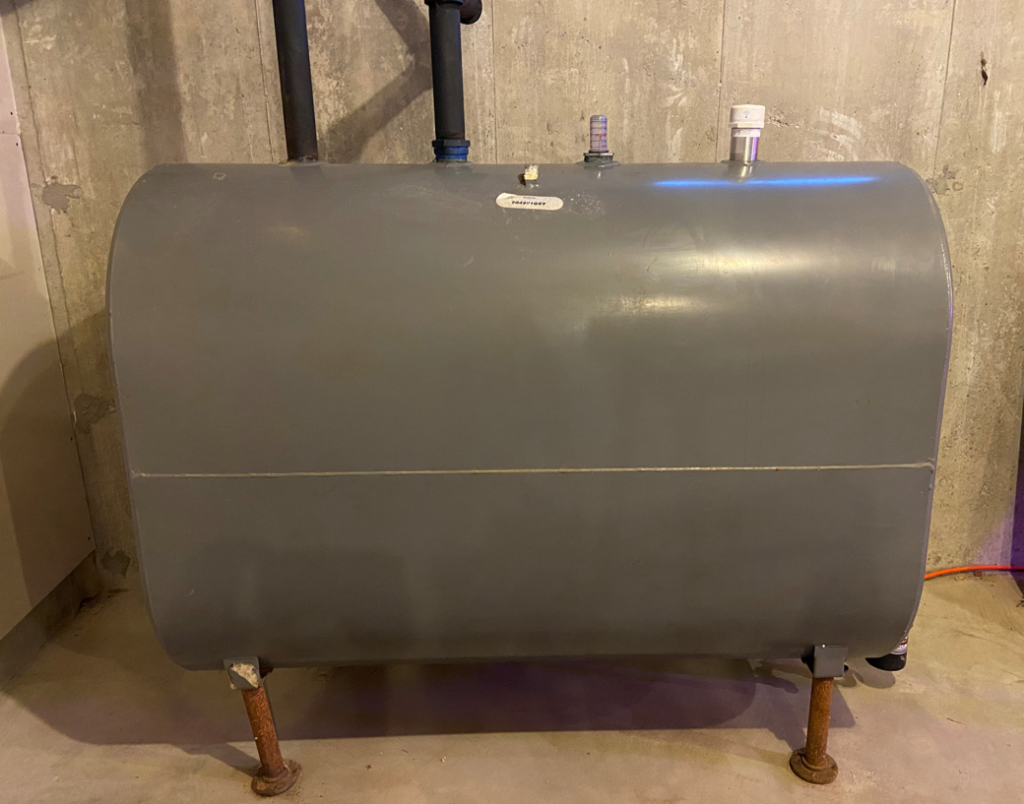
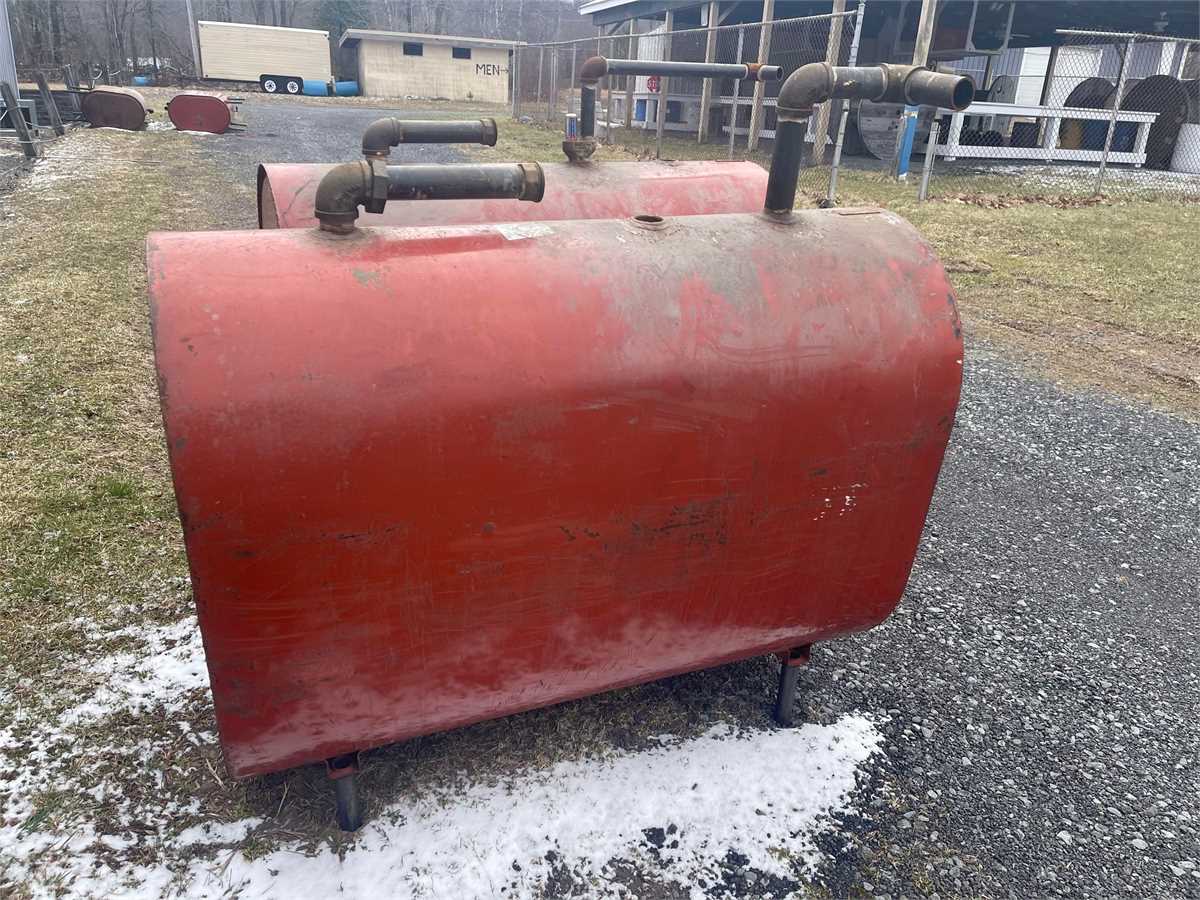
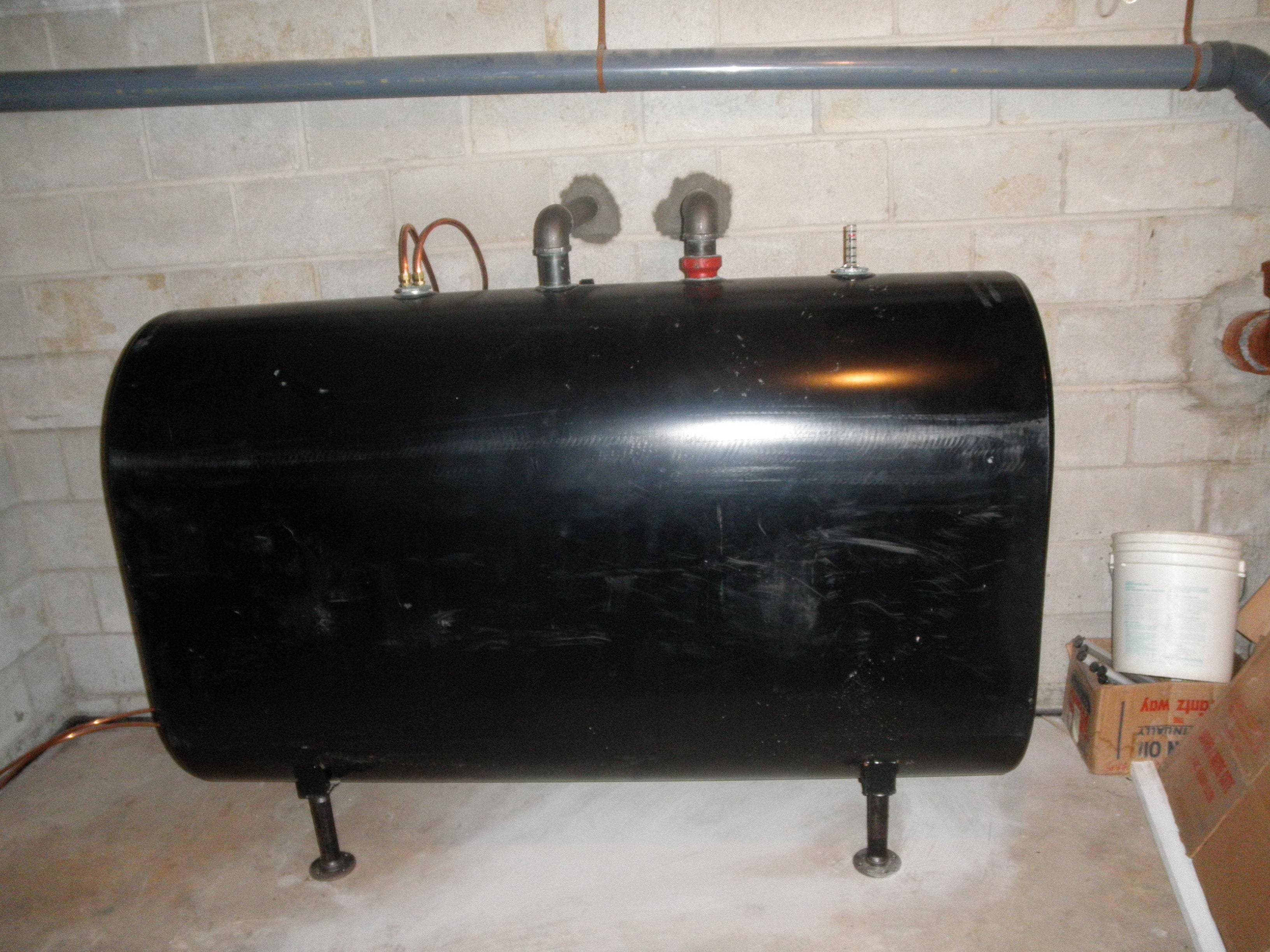
A 275-gallon oil tank is a standard size tank commonly used for residential heating oil storage. Its actual usable capacity is slightly less, typically around 250 gallons, to allow for expansion and prevent overflow. These tanks are usually constructed of steel, either single-walled or double-walled for enhanced protection against leaks and corrosion. While steel is the most common material, you can also find polyethylene (plastic) tanks, which are resistant to rust.
Tank Dimensions and Placement
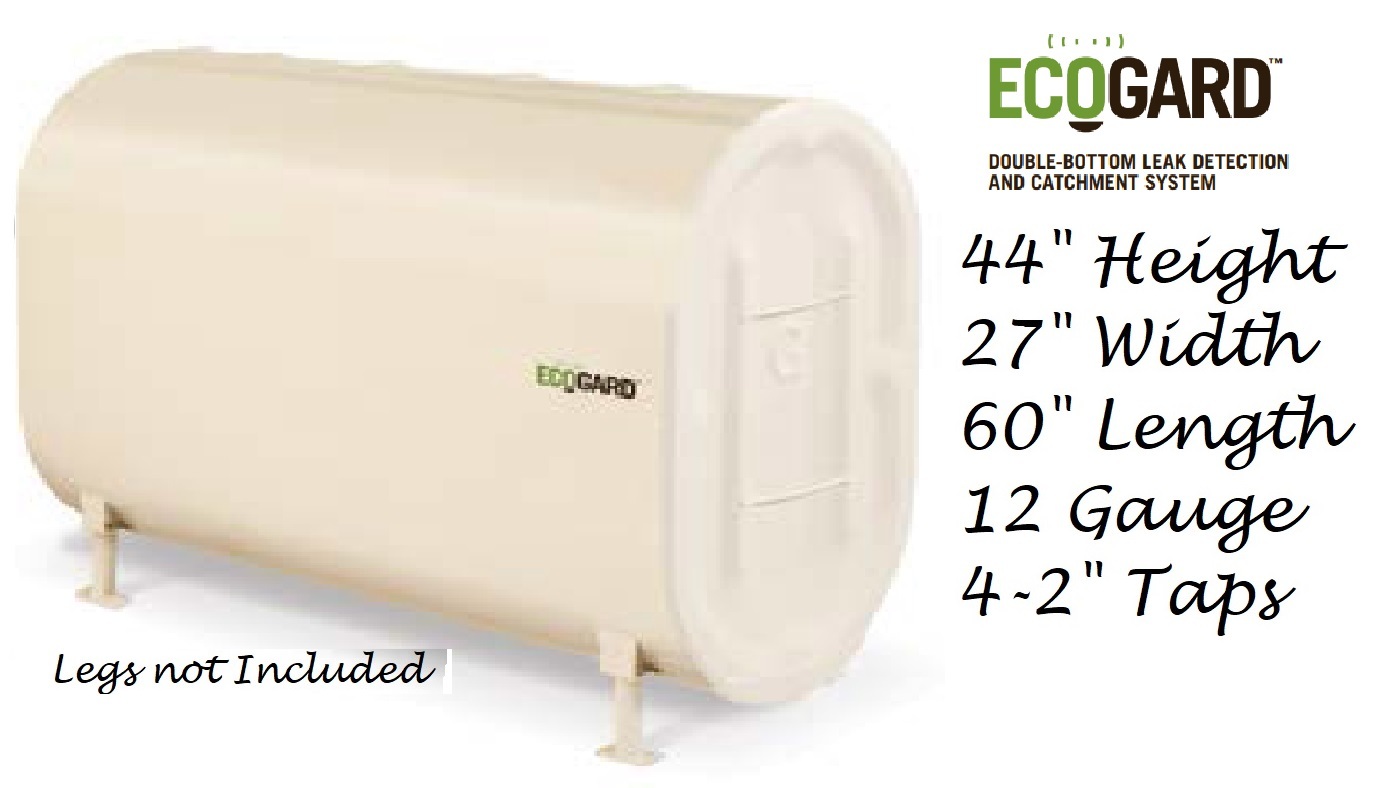
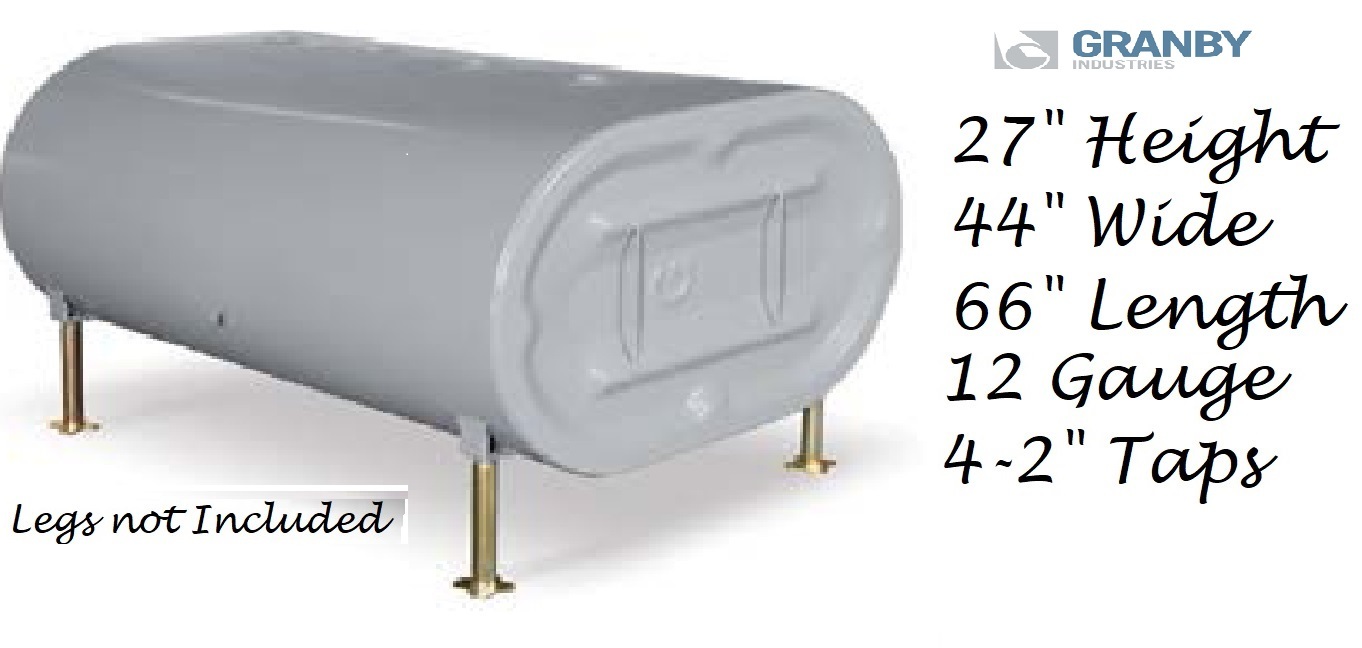
Typical dimensions of a 275-gallon oil tank are approximately 44 inches high, 27 inches wide, and 60 inches long. These dimensions are important to consider when determining the placement of the tank. Placement is critical for safety and efficiency. Common locations include basements, garages, or outdoors with proper weather protection. Local building codes often dictate specific requirements for tank placement, including distance from buildings, ventilation, and containment measures.
Single-Walled vs. Double-Walled Tanks
The primary difference between single-walled and double-walled tanks lies in their construction and level of protection. Single-walled tanks consist of a single layer of steel, while double-walled tanks feature an inner and outer tank with a space between them. This space often contains a leak detection system. Double-walled tanks offer superior protection against leaks and spills, reducing the risk of environmental contamination and costly cleanup. Many jurisdictions are now requiring or encouraging the use of double-walled tanks for new installations or replacements.
Efficiency and Energy Savings: Optimizing Your Heating Oil System
While the tank itself doesn't directly impact energy efficiency, the overall heating system and its components do. Here are some strategies for optimizing your heating oil system for maximum energy savings:
Modern Burner Technology
The burner is the heart of your heating oil system, responsible for igniting the fuel and generating heat. Older burners are often less efficient than newer models. Upgrading to a modern burner with features like a high-efficiency flame retention head can significantly improve fuel combustion and reduce energy waste. According to the U.S. Department of Energy, upgrading to a high-efficiency burner can save you 10-15% on your annual heating oil consumption.
Regular Maintenance: A Critical Component
Regular maintenance is essential for ensuring the efficient and reliable operation of your heating oil system. This includes annual tune-ups by a qualified HVAC technician. During a tune-up, the technician will inspect and clean the burner, check the fuel lines, adjust the air-fuel mixture, and test the safety controls. Neglecting maintenance can lead to reduced efficiency, increased fuel consumption, and potential safety hazards. Energy Star recommends annual maintenance for all heating systems.
Insulation: Keeping the Heat Where it Belongs
Proper insulation is crucial for minimizing heat loss and reducing the demand on your heating system. Insulate your walls, attic, and floors to prevent heat from escaping. Sealing air leaks around windows, doors, and other openings can also significantly improve energy efficiency. The Environmental Protection Agency (EPA) offers resources and guidelines for improving home insulation.
Smart Thermostats: Taking Control of Your Heating
Smart thermostats offer a convenient and effective way to manage your heating system and reduce energy consumption. These thermostats learn your heating patterns and automatically adjust the temperature based on your schedule and preferences. Many smart thermostats also offer features like remote control, energy monitoring, and geofencing, allowing you to control your heating system from anywhere and optimize energy use. Integrating a smart thermostat with your heating oil system can result in significant energy savings, often estimated at 10-12% annually.
Smart Home Integration: Connecting Your Heating Oil System
Integrating your heating oil system with a smart home ecosystem opens up a world of possibilities for enhanced control, monitoring, and energy savings.
Smart Sensors: Monitoring Fuel Levels and Performance
Smart sensors can be installed on your heating oil tank to monitor fuel levels in real-time. These sensors send data to your smartphone or other devices, allowing you to track your fuel consumption and anticipate when you need to order a refill. Some sensors can also detect potential leaks or other issues, providing early warnings to prevent costly damage and environmental contamination. Some advanced sensors can even monitor burner performance, alerting you to potential inefficiencies or malfunctions.
Remote Monitoring and Control
With smart home integration, you can remotely monitor and control your heating system from anywhere in the world. This is particularly useful if you're away from home for extended periods or want to adjust the temperature before you arrive. Remote access also allows you to grant access to HVAC technicians for remote diagnostics and troubleshooting.
Integration with Other Smart Home Devices
Your heating oil system can be integrated with other smart home devices, such as smart lighting, smart blinds, and smart security systems. This allows you to create automated scenarios that optimize energy efficiency and comfort. For example, you can program your smart blinds to close automatically during the hottest part of the day to reduce solar heat gain and lower your cooling costs.
Cost Considerations and ROI: Is Upgrading Worth It?
Upgrading your heating oil system involves upfront costs, but the long-term energy savings and increased comfort can make it a worthwhile investment. Here's a breakdown of cost considerations and ROI:
Tank Replacement Costs
The cost of replacing a 275-gallon heating oil tank can vary depending on several factors, including the type of tank (single-walled vs. double-walled), the installation location, and local labor rates. On average, expect to pay between $1,500 and $4,000 for a tank replacement. Double-walled tanks typically cost more than single-walled tanks, but offer enhanced protection and peace of mind.
Burner Upgrade Costs
Upgrading to a modern, high-efficiency burner can cost between $1,000 and $3,000, including installation. While this may seem like a significant investment, the energy savings can quickly offset the cost. As mentioned earlier, a high-efficiency burner can save you 10-15% on your annual heating oil consumption.
Smart Thermostat and Sensor Costs
Smart thermostats range in price from $100 to $300, depending on the features and functionality. Smart sensors for fuel level monitoring and leak detection typically cost between $50 and $200. The installation costs for these devices are relatively low, and many homeowners can install them themselves.
Calculating ROI
To calculate the ROI of upgrading your heating oil system, consider the upfront costs, the annual energy savings, and any available rebates or incentives. For example, if you spend $2,500 on a burner upgrade and save $500 per year on heating oil, the simple payback period would be five years. However, the actual ROI may be higher when you factor in increased comfort, improved safety, and potential tax benefits.
Rebates and Incentives: Saving Money on Energy-Efficient Upgrades
Many states and utility companies offer rebates and incentives for energy-efficient upgrades to heating oil systems. These rebates can significantly reduce the upfront costs of upgrading your system and improve the ROI. Check with your local utility company and state energy office to see what rebates are available in your area. Energy Star also provides a database of rebates and incentives for energy-efficient products.
Some common rebates include:
- Rebates for replacing old oil tanks with newer, more efficient models.
- Rebates for upgrading to high-efficiency burners.
- Rebates for installing smart thermostats and sensors.
Choosing the Right Tank: Factors to Consider
Selecting the right 275-gallon heating oil tank involves considering several factors to ensure optimal performance, safety, and longevity.
Material: Steel vs. Polyethylene
While steel tanks are more traditional, polyethylene tanks are gaining popularity due to their rust resistance. Steel tanks require regular inspection and maintenance to prevent corrosion, while polyethylene tanks are virtually maintenance-free. However, steel tanks are generally considered more durable and impact-resistant.
Single-Walled vs. Double-Walled: Environmental Protection
As mentioned earlier, double-walled tanks offer superior protection against leaks and spills. If you're concerned about environmental contamination or live in an area with strict environmental regulations, a double-walled tank is the best choice.
Warranty: Protecting Your Investment
Choose a tank with a comprehensive warranty that covers defects in materials and workmanship. A longer warranty provides greater peace of mind and protects your investment.
Professional Installation: Ensuring Safety and Compliance
It's essential to have your heating oil tank installed by a qualified HVAC technician. Proper installation ensures that the tank is securely positioned, properly vented, and meets all local building codes. Improper installation can lead to safety hazards and void the warranty.
Conclusion: Embracing Efficiency and Smart Technology
The 275-gallon home heating oil tank remains a relevant and reliable option for many homeowners. By understanding its capabilities and embracing energy-efficient upgrades and smart home integration, you can significantly reduce your energy costs, improve your comfort, and minimize your environmental impact. From upgrading to a modern burner and insulating your home to installing a smart thermostat and monitoring your fuel levels with smart sensors, there are numerous ways to optimize your heating oil system for maximum efficiency and savings. Explore available rebates and incentives, and consult with a qualified HVAC technician to determine the best solutions for your home.