3 1 2 Ton Condensing Unit
Understanding the capacity of your air conditioning system is crucial for ensuring comfort and efficiency. A 3.5-ton condensing unit is a popular choice for a wide range of residential and light commercial applications. This article delves into the specifics of these units, covering their applications, performance, cost considerations, and maintenance.
What is a 3.5-Ton Condensing Unit?
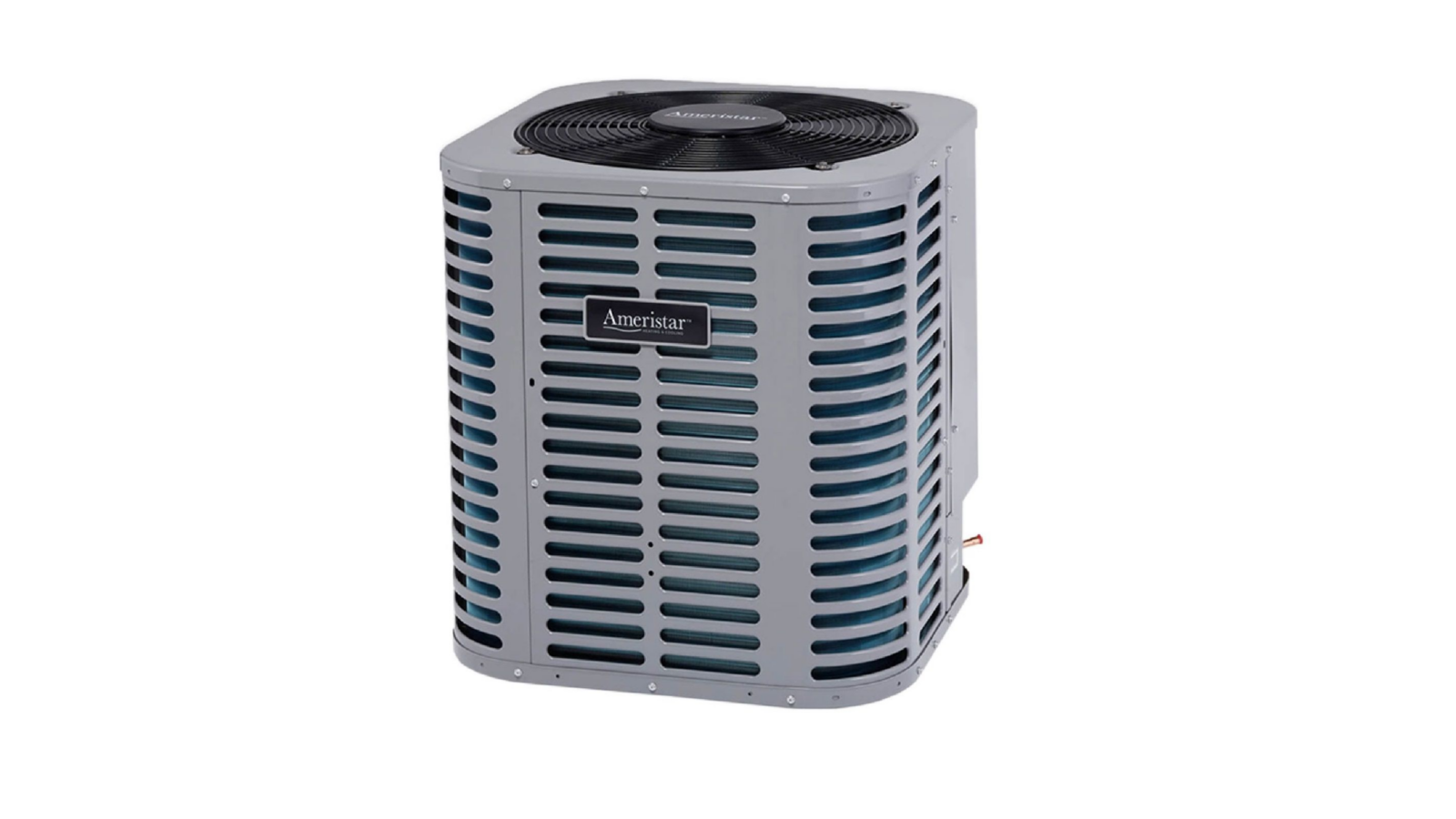
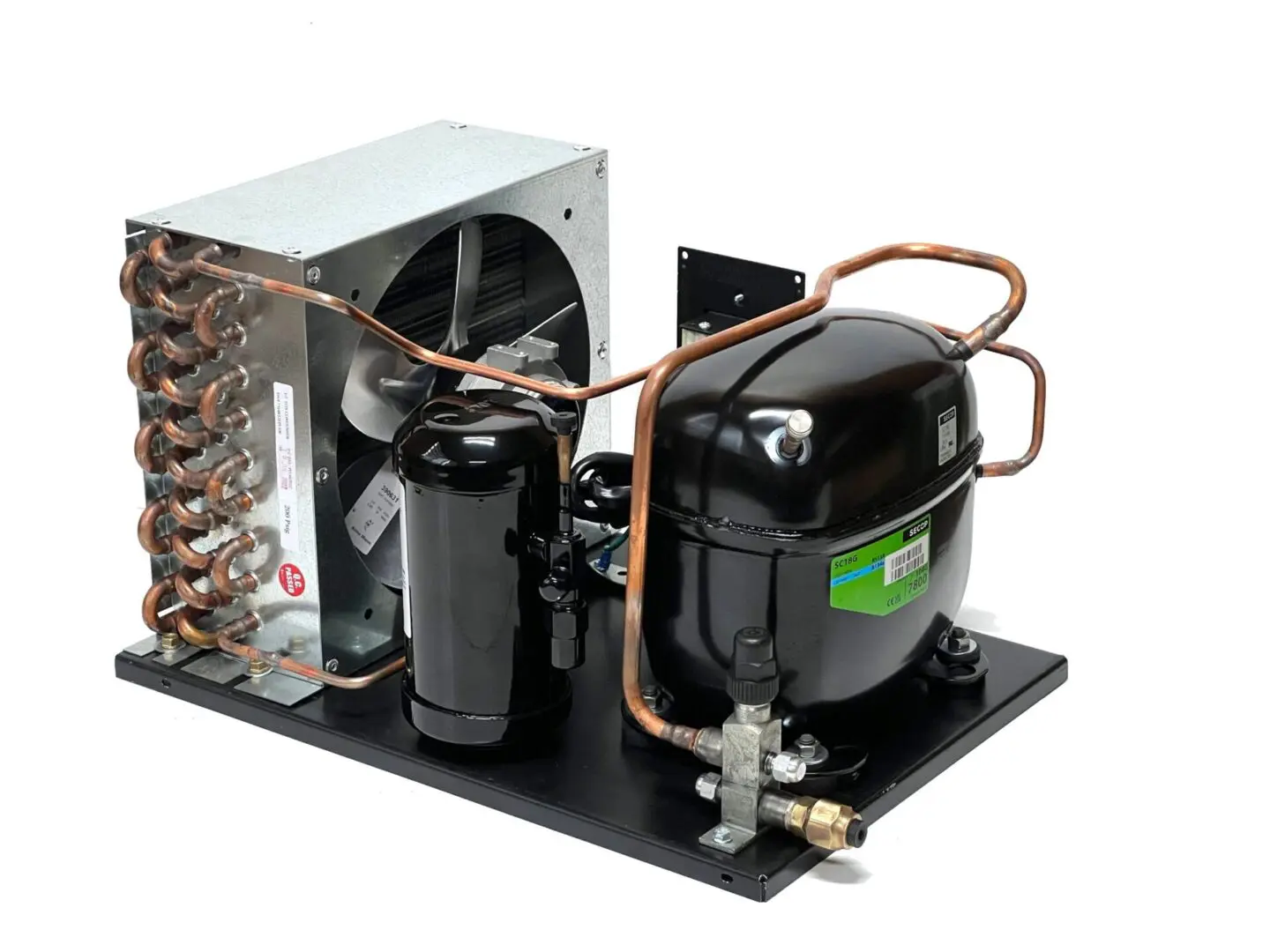
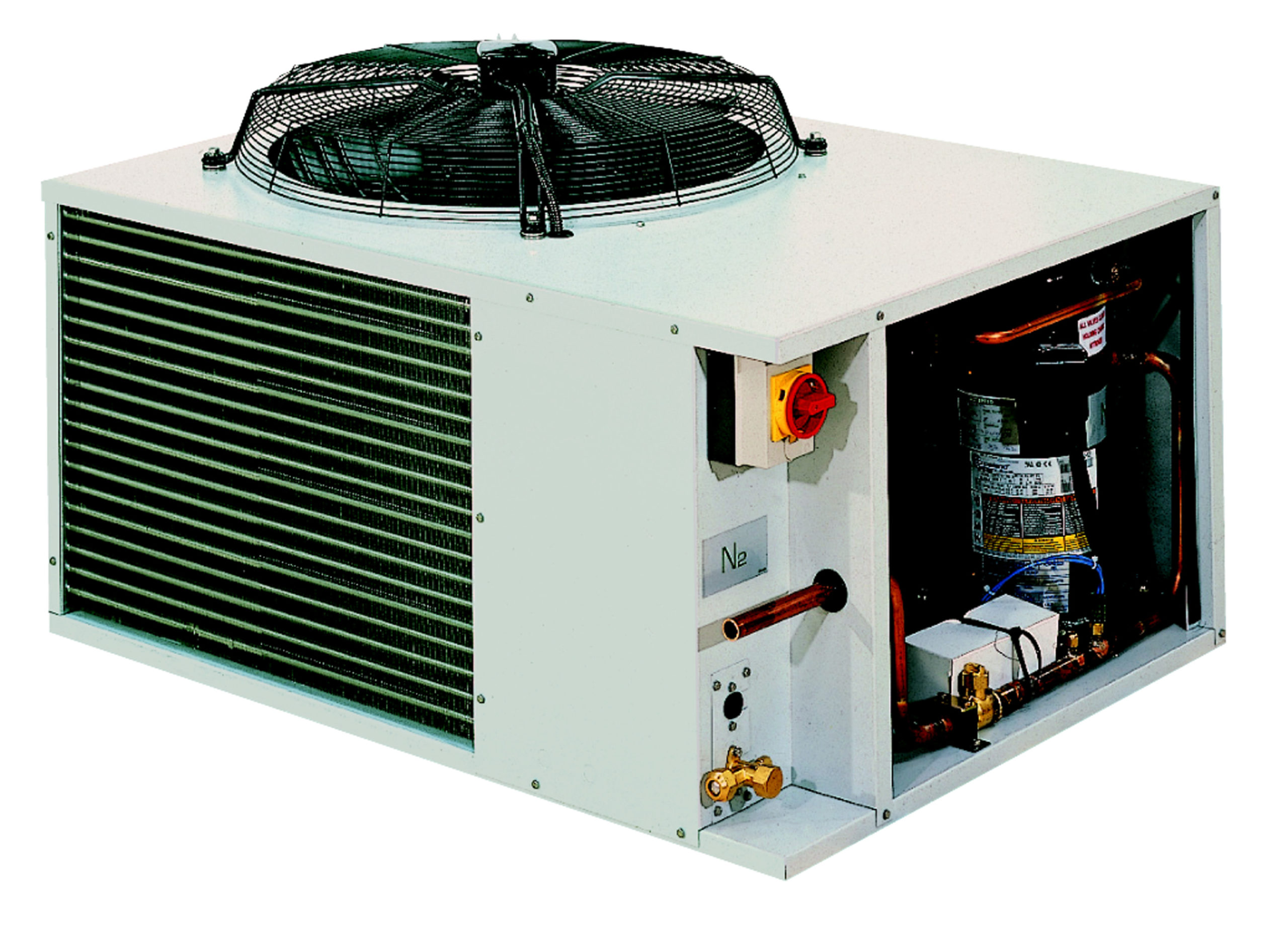
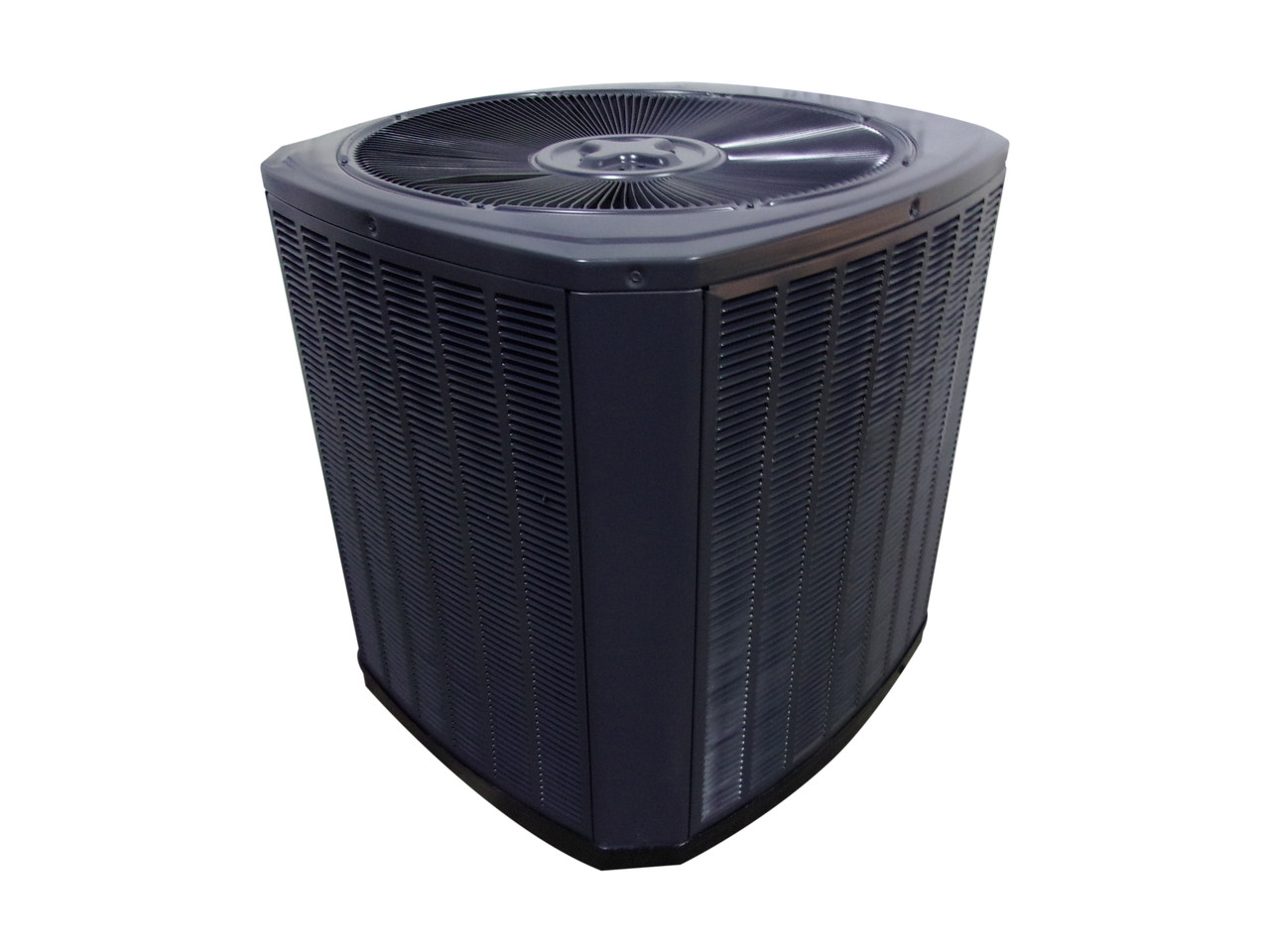
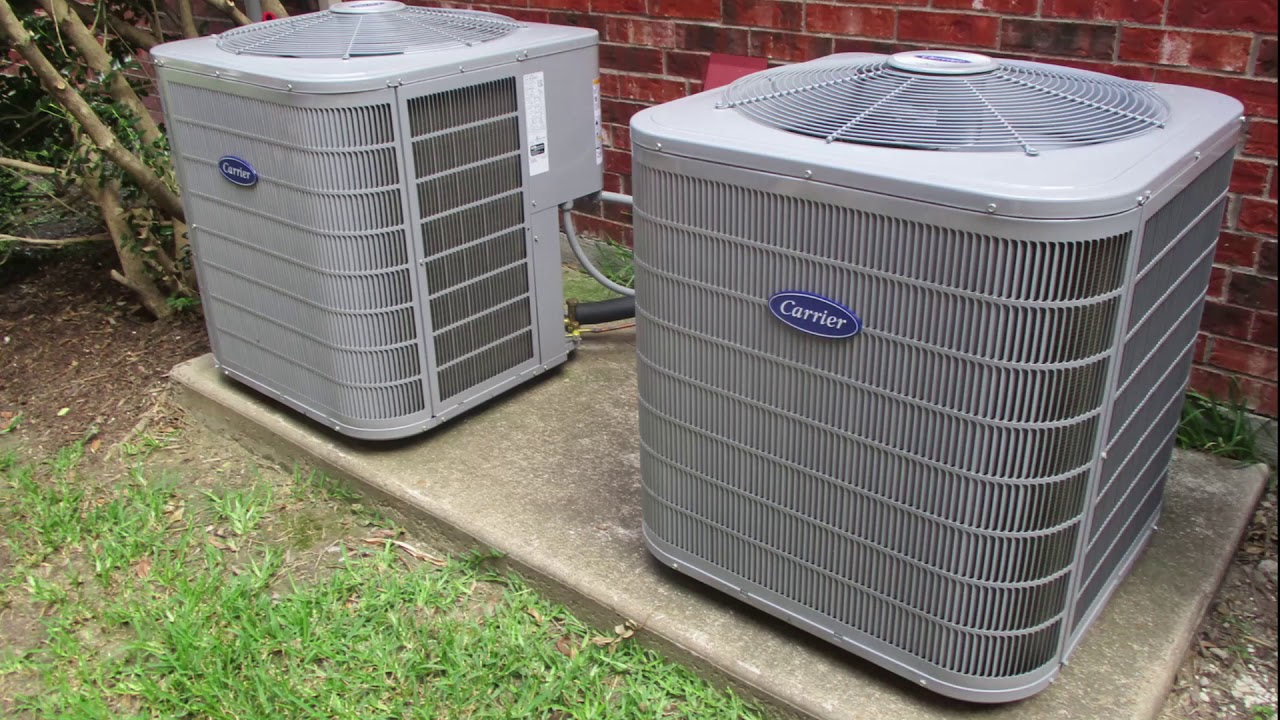
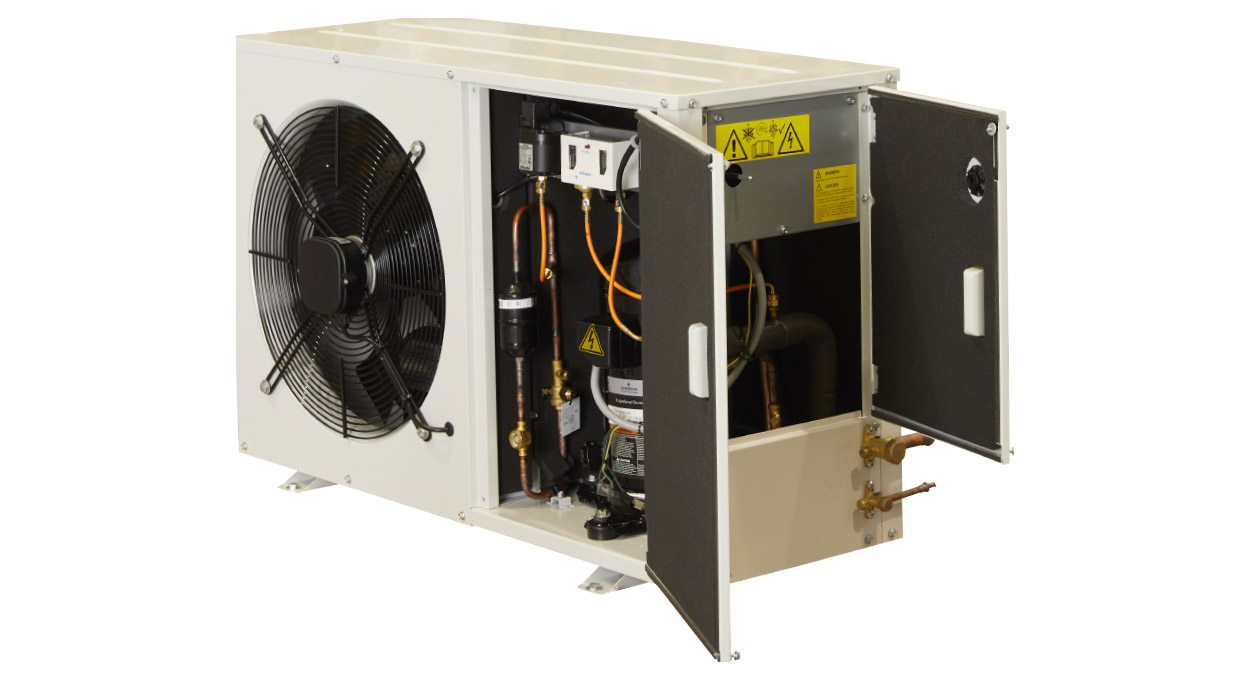
In HVAC terms, a "ton" refers to the amount of heat a unit can remove from a space in one hour. One ton is equivalent to 12,000 British Thermal Units (BTUs) per hour. Therefore, a 3.5-ton condensing unit has a cooling capacity of 42,000 BTUs per hour (3.5 x 12,000 = 42,000). The condensing unit is the outdoor component of a split air conditioning system. It houses the compressor, condenser coil, and fan, and its primary function is to reject the heat absorbed from inside your home or building.
Typical Applications
A 3.5-ton unit is generally suitable for homes ranging from 1,600 to 2,100 square feet, depending on factors like insulation, climate, window efficiency, and building orientation. For example, a well-insulated home in a moderate climate might comfortably be cooled by a 3.5-ton unit, whereas a poorly insulated home in a hot climate might require a larger capacity. Commercial spaces such as small offices, retail stores, and restaurants with similar square footage are also potential candidates for this size unit.
Key Components and Functionality
The condensing unit works in conjunction with the evaporator coil (typically located inside the air handler or furnace) and refrigerant to provide cooling. Here's a breakdown of the critical components:
- Compressor: The heart of the system, the compressor circulates refrigerant and increases its pressure and temperature.
- Condenser Coil: This coil allows the hot, high-pressure refrigerant to release heat to the outside air, causing it to condense into a liquid.
- Condenser Fan: The fan draws air across the condenser coil, facilitating heat transfer.
- Refrigerant: The working fluid that absorbs and releases heat as it cycles through the system. Common refrigerants include R-410A and newer, more environmentally friendly options like R-32 and A2L refrigerants.
The cooling process begins with the refrigerant absorbing heat from the indoor air at the evaporator coil. This heated refrigerant then travels to the condensing unit, where the compressor increases its pressure and temperature. The hot, high-pressure refrigerant flows through the condenser coil, releasing heat to the outside air. The cooled, liquid refrigerant then returns to the evaporator coil to repeat the cycle.
Efficiency Ratings: SEER and EER
When selecting a condensing unit, it's essential to consider its energy efficiency ratings. The two primary ratings are:
- SEER (Seasonal Energy Efficiency Ratio): This rating measures the cooling efficiency of the unit over an entire cooling season. A higher SEER rating indicates greater energy efficiency. Modern 3.5-ton units typically have SEER ratings ranging from 13 to over 20. The minimum SEER rating mandated by the U.S. Department of Energy (DOE) varies by region.
- EER (Energy Efficiency Ratio): This rating measures the cooling efficiency of the unit at a specific operating point (e.g., 95°F outdoor temperature). EER is often used for commercial applications. EER ratings for 3.5-ton units generally range from 11 to 13 or higher.
Investing in a higher SEER unit can lead to significant energy savings over the lifespan of the system. For instance, upgrading from a 13 SEER unit to a 16 SEER unit can reduce energy consumption by over 15%.
Cost Considerations
The cost of a 3.5-ton condensing unit can vary widely depending on the brand, SEER rating, features, and installation complexity. Here's a general breakdown:
- Unit Cost: Expect to pay between $2,000 and $5,000 for the condensing unit itself. Higher SEER units and those with advanced features like variable-speed compressors will generally cost more.
- Installation Cost: Installation can range from $1,000 to $3,000 or more, depending on the complexity of the job, the need for ductwork modifications, and local labor rates.
- Total Cost: The total installed cost of a 3.5-ton condensing unit can therefore range from $3,000 to $8,000 or higher.
It's wise to obtain quotes from multiple HVAC contractors to compare pricing and ensure you're getting a fair deal. Also, consider the long-term operating costs, as a more efficient unit will save you money on your energy bills.
Factors Influencing Unit Size Selection
Choosing the right size condensing unit is paramount for optimal performance and efficiency. An undersized unit will struggle to cool the space, leading to discomfort and increased energy consumption. An oversized unit, on the other hand, will cycle on and off frequently, resulting in poor dehumidification, uneven temperatures, and increased wear and tear on the equipment.
Several factors influence the appropriate unit size:
- Climate: Hotter climates require larger units.
- Insulation: Better insulation reduces the cooling load.
- Window Efficiency: Energy-efficient windows minimize heat gain.
- Building Orientation: South-facing buildings typically require more cooling.
- Number of Occupants: More occupants generate more heat.
- Lighting and Appliances: Heat-generating appliances and lighting contribute to the cooling load.
A professional HVAC contractor will perform a load calculation (often using software like Manual J) to accurately determine the appropriate size unit for your specific needs. This calculation considers all of the above factors to ensure optimal performance and efficiency.
Maintenance and Lifespan
Proper maintenance is crucial for extending the lifespan of your condensing unit and ensuring optimal performance. Regular maintenance tasks include:
- Cleaning the Condenser Coil: Debris such as leaves, dirt, and grass clippings can accumulate on the condenser coil, reducing its ability to dissipate heat. Clean the coil regularly using a garden hose (with low pressure) or a specialized coil cleaner.
- Cleaning or Replacing Air Filters: Clogged air filters restrict airflow, reducing cooling efficiency and potentially damaging the compressor. Replace or clean air filters every 1-3 months, depending on usage and air quality.
- Checking Refrigerant Levels: Low refrigerant levels can indicate a leak, which can damage the compressor. A qualified HVAC technician should check refrigerant levels and repair any leaks.
- Inspecting Electrical Connections: Loose or corroded electrical connections can cause malfunctions. A technician should inspect and tighten electrical connections as needed.
- Professional Tune-Ups: Schedule annual or bi-annual tune-ups with a qualified HVAC technician. During a tune-up, the technician will inspect all components, clean the unit, and make any necessary repairs.
With proper maintenance, a 3.5-ton condensing unit can last for 12-15 years or longer. Neglecting maintenance can significantly shorten its lifespan.
Technological Advancements
Modern condensing units incorporate several technological advancements to improve efficiency, performance, and comfort:
- Variable-Speed Compressors: These compressors can adjust their speed to match the cooling demand, providing more consistent temperatures, better dehumidification, and greater energy efficiency than single-stage compressors.
- Smart Thermostats: Smart thermostats can learn your preferences and adjust the temperature automatically to optimize energy savings and comfort. They can also be controlled remotely via a smartphone or tablet.
- Zoning Systems: Zoning systems allow you to control the temperature in different areas of your home independently, improving comfort and energy efficiency.
- Advanced Refrigerants: Newer refrigerants like R-32 and A2L refrigerants have lower global warming potential (GWP) than traditional refrigerants like R-410A, making them more environmentally friendly.
Conclusion
A 3.5-ton condensing unit is a versatile option for cooling homes and light commercial spaces. By understanding the factors influencing unit size selection, efficiency ratings, cost considerations, and maintenance requirements, homeowners, technicians, and facility managers can make informed decisions and ensure optimal performance and longevity. Remember to consult with a qualified HVAC professional to determine the best solution for your specific needs and to ensure proper installation and maintenance.