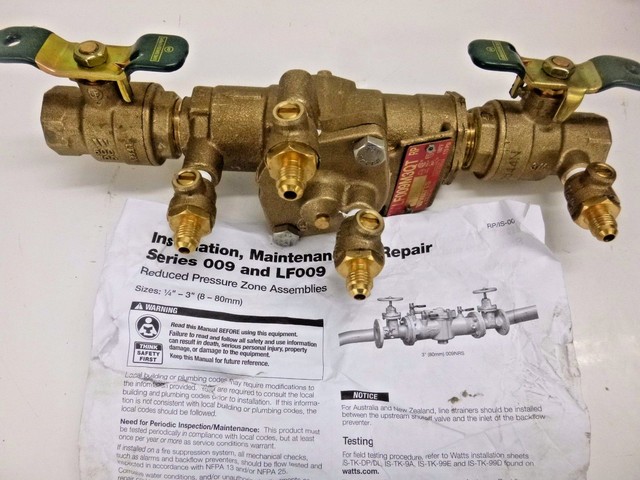
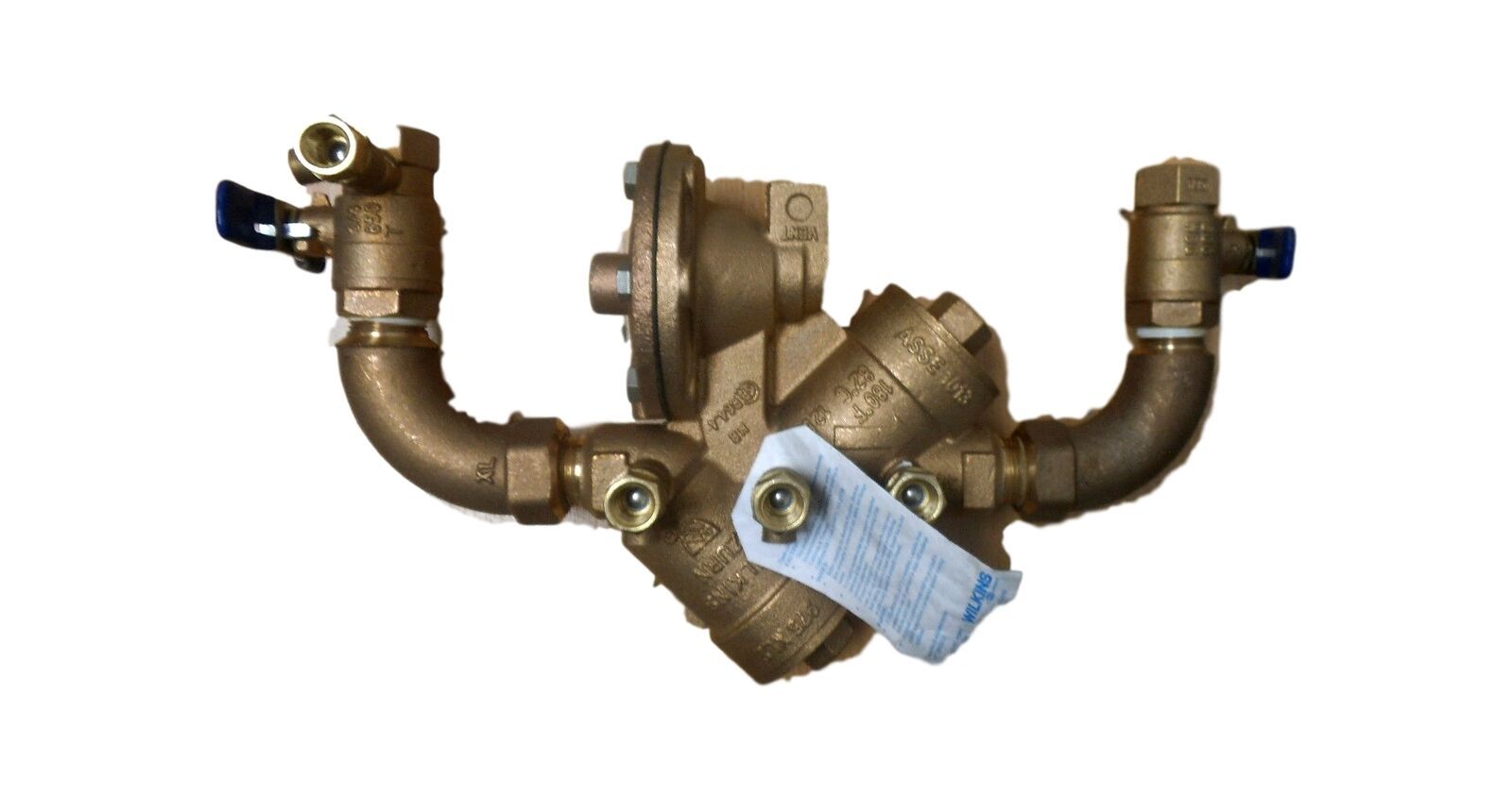
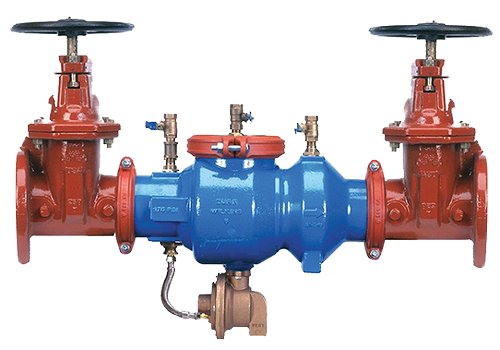
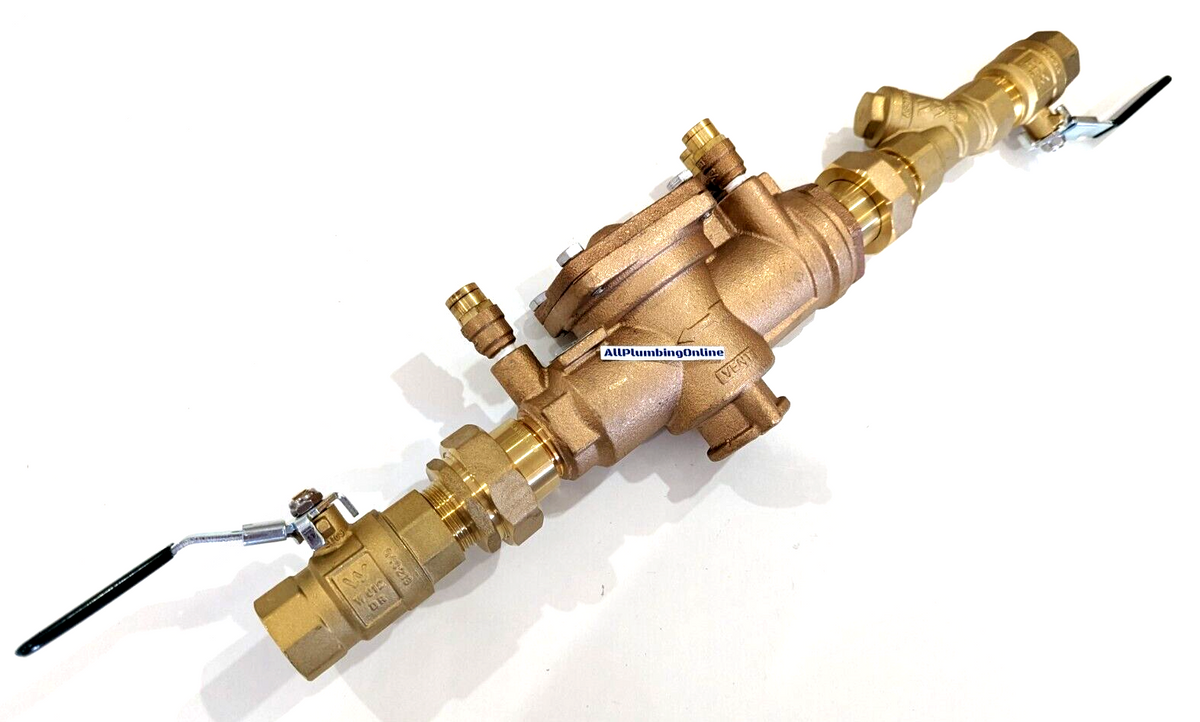
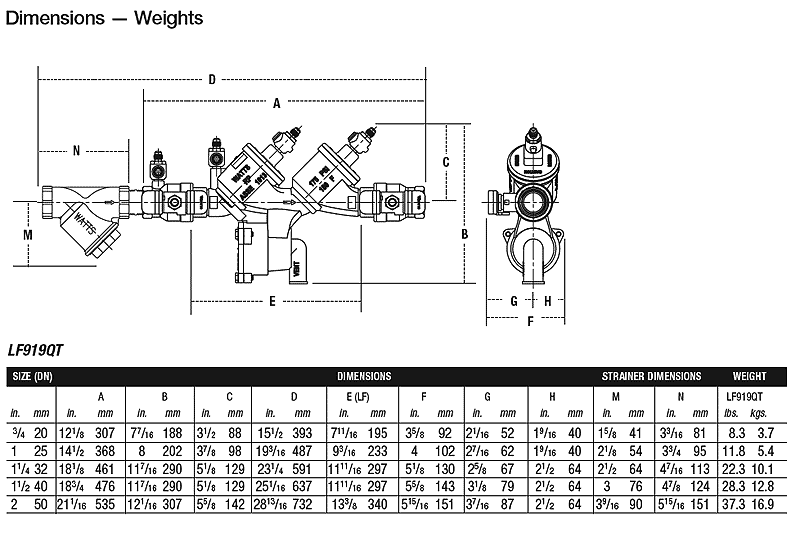
3 4 Inch Rpz Backflow Preventer

Securing Your Water Supply and Savings: A Deep Dive into 3/4 Inch RPZ Backflow Preventers
Protecting our potable water supply is paramount, and preventing backflow is a critical component of that protection. A Reduced Pressure Zone (RPZ) backflow preventer is a highly effective device designed to stop contaminated water from flowing backward into the clean water supply. While often associated with commercial and industrial applications, a 3/4 inch RPZ backflow preventer can be a valuable investment for homeowners and businesses looking to optimize their water systems, ensure safety, and potentially unlock cost savings through improved water efficiency.
Understanding Backflow and Why It Matters
Backflow occurs when water flows in the opposite direction than intended, potentially drawing contaminants into the potable water system. This can happen due to a drop in water pressure in the main supply line (back-siphonage) or an increase in pressure on the user's side of the system (back-pressure). Think of situations like a drop in municipal water pressure during a fire, or pressure increases in a sprinkler system due to a pump malfunction. These scenarios can create the perfect conditions for contaminants like fertilizers, pesticides, chemicals, or even sewage to enter your drinking water.
The consequences of backflow can be severe, ranging from unpleasant tastes and odors to serious health risks. RPZ valves offer the highest level of protection against backflow, making them suitable for high-hazard applications where even minimal contamination could pose a significant threat.
The 3/4 Inch RPZ Backflow Preventer: Sizing It Right for Your Needs
The "3/4 inch" designation refers to the diameter of the pipe connection. Selecting the correct size RPZ valve is crucial for optimal performance and efficiency. A 3/4 inch valve is typically suitable for residential properties and smaller commercial applications with moderate water flow requirements. Common applications include:
- Residential Irrigation Systems: Protecting the drinking water supply from fertilizers and pesticides used in lawn care.
- Small Commercial Buildings: Ensuring water quality in businesses with moderate water usage.
- Water Features: Preventing contamination from ponds, fountains, and swimming pools.
- Boiler Systems: Protecting potable water used to fill and maintain boiler systems.
To determine if a 3/4 inch RPZ valve is appropriate for your needs, consider the following:
- Water Demand: Calculate the maximum flow rate required by your system. Consult with a qualified plumber or HVAC contractor to assess your specific needs.
- Pipe Size: The RPZ valve should match the size of your existing water pipes for optimal flow and minimal pressure loss.
- Local Codes and Regulations: Check with your local water authority to ensure compliance with all applicable backflow prevention regulations. Many municipalities mandate RPZ valves for specific applications.
Important Note: Oversizing an RPZ valve can lead to inefficient operation and increased wear and tear. Undersizing it can restrict water flow and compromise system performance. A professional assessment is always recommended.
How an RPZ Valve Works: A Simplified Explanation
The RPZ valve operates on a principle of maintaining a reduced pressure zone between two independently operating check valves. Here's a simplified breakdown:
- Inlet Check Valve: This valve prevents backflow from the downstream side of the device.
- Reduced Pressure Zone: The area between the two check valves is maintained at a lower pressure than the supply pressure. This pressure differential ensures that any backflow will be discharged through a relief valve rather than flowing back into the potable water system.
- Relief Valve: This valve is designed to open and discharge water if the pressure in the reduced pressure zone rises above a pre-set limit. This indicates a potential backflow condition.
- Outlet Check Valve: This valve provides a second layer of protection, preventing backflow from the downstream side of the device, even if the inlet check valve fails.
Essentially, the RPZ valve creates a physical barrier and a pressure differential that prevents backflow under virtually any condition.
Energy Efficiency and Cost Savings: The Unexpected Benefits of RPZ Valves
While the primary purpose of an RPZ valve is water safety, it can also contribute to energy efficiency and cost savings in several ways:
- Preventing Water Loss: By preventing backflow, the RPZ valve ensures that water is used efficiently within the intended system (e.g., irrigation system, boiler system). This reduces water waste and lowers water bills.
- Optimizing System Performance: Proper backflow prevention can improve the overall efficiency of water-using appliances and systems. For example, a boiler system with consistent water pressure and quality will operate more efficiently.
- Reducing Maintenance Costs: Preventing contaminated water from entering your system can reduce the risk of corrosion, scaling, and other issues that can lead to costly repairs.
Furthermore, some municipalities offer rebates or incentives for installing backflow prevention devices. Check with your local water authority to see if any programs are available in your area. The initial investment in a 3/4 inch RPZ backflow preventer can be offset by long-term savings on water bills, reduced maintenance costs, and potential rebates.
Installation and Maintenance: Hiring a Qualified Professional
Installing and maintaining an RPZ valve requires specialized knowledge and expertise. It is crucial to hire a licensed and certified plumber or backflow prevention specialist. Improper installation can compromise the effectiveness of the device and potentially violate local codes.
A qualified professional will:
- Assess Your System: Determine the appropriate size and type of RPZ valve for your specific needs.
- Install the Valve Correctly: Ensure proper placement, orientation, and connections.
- Test the Valve: Verify that the valve is functioning properly and meeting all performance requirements.
- Provide Ongoing Maintenance: Perform regular inspections, testing, and repairs to ensure the valve continues to provide reliable backflow protection.
Most municipalities require annual testing of RPZ valves by a certified technician. This testing ensures that the valve is functioning correctly and provides ongoing protection against backflow. Regular maintenance is essential to prolong the lifespan of the valve and prevent costly repairs.
Smart Home Integration: Monitoring Your Water System Remotely
With the rise of smart home technology, integrating your water system with smart devices is becoming increasingly popular. While RPZ valves themselves are not typically "smart," you can integrate sensors that monitor water pressure and flow rates downstream from the valve, providing valuable insights into your water usage and potential leaks.
By connecting these sensors to a smart home hub, you can receive alerts on your smartphone or tablet if there are any unusual changes in water pressure or flow. This can help you identify potential problems early on, preventing water damage and saving money on water bills. Furthermore, some smart home systems can automatically shut off the water supply in the event of a leak, minimizing the risk of extensive damage.
Consider these smart home integrations related to RPZ valve monitoring:
- Smart Water Leak Detectors: Place these near the RPZ valve and downstream piping to detect leaks.
- Smart Water Meter: Tracks water usage and can detect unusual patterns indicative of leaks or backflow events.
- Smart Shut-off Valves: Automatically shut off the water supply in response to leak detection.
Choosing the Right 3/4 Inch RPZ Backflow Preventer: Key Considerations
When selecting a 3/4 inch RPZ backflow preventer, consider the following factors:
- Brand Reputation: Choose a reputable manufacturer with a proven track record of quality and reliability. Watts, Wilkins, and Apollo are well-known and trusted brands in the backflow prevention industry.
- Materials of Construction: Look for valves made from durable, corrosion-resistant materials such as bronze, stainless steel, or lead-free brass.
- Flow Capacity: Ensure that the valve has sufficient flow capacity to meet the demands of your system.
- Pressure Rating: Verify that the valve's pressure rating is adequate for your water system.
- Warranty: Choose a valve with a comprehensive warranty to protect against defects in materials and workmanship.
- Local Code Compliance: Ensure the valve meets all applicable local codes and regulations.
Conclusion: Investing in Water Safety and Efficiency
A 3/4 inch RPZ backflow preventer is a valuable investment for homeowners and businesses who prioritize water safety and efficiency. While the primary benefit is preventing backflow and protecting the potable water supply, it can also contribute to energy savings, reduced maintenance costs, and the peace of mind that comes with knowing your water system is operating safely and efficiently. By understanding the principles of backflow prevention, selecting the right valve for your needs, and hiring a qualified professional for installation and maintenance, you can safeguard your water supply and potentially unlock cost savings over the long term. Don't forget to explore potential rebates and incentives offered by your local water authority to further reduce the cost of this important investment.