3 4 Type K Copper Tubing
The HVAC (Heating, Ventilation, and Air Conditioning) industry relies on durable and reliable materials to ensure the efficient operation of climate control systems. Among these materials, copper tubing stands out as a cornerstone, particularly Type K copper tubing. This article delves into the specifications, applications, and career implications surrounding Type K copper tubing, offering insights for HVAC students, seasoned professionals, and employers alike.
Understanding Type K Copper Tubing
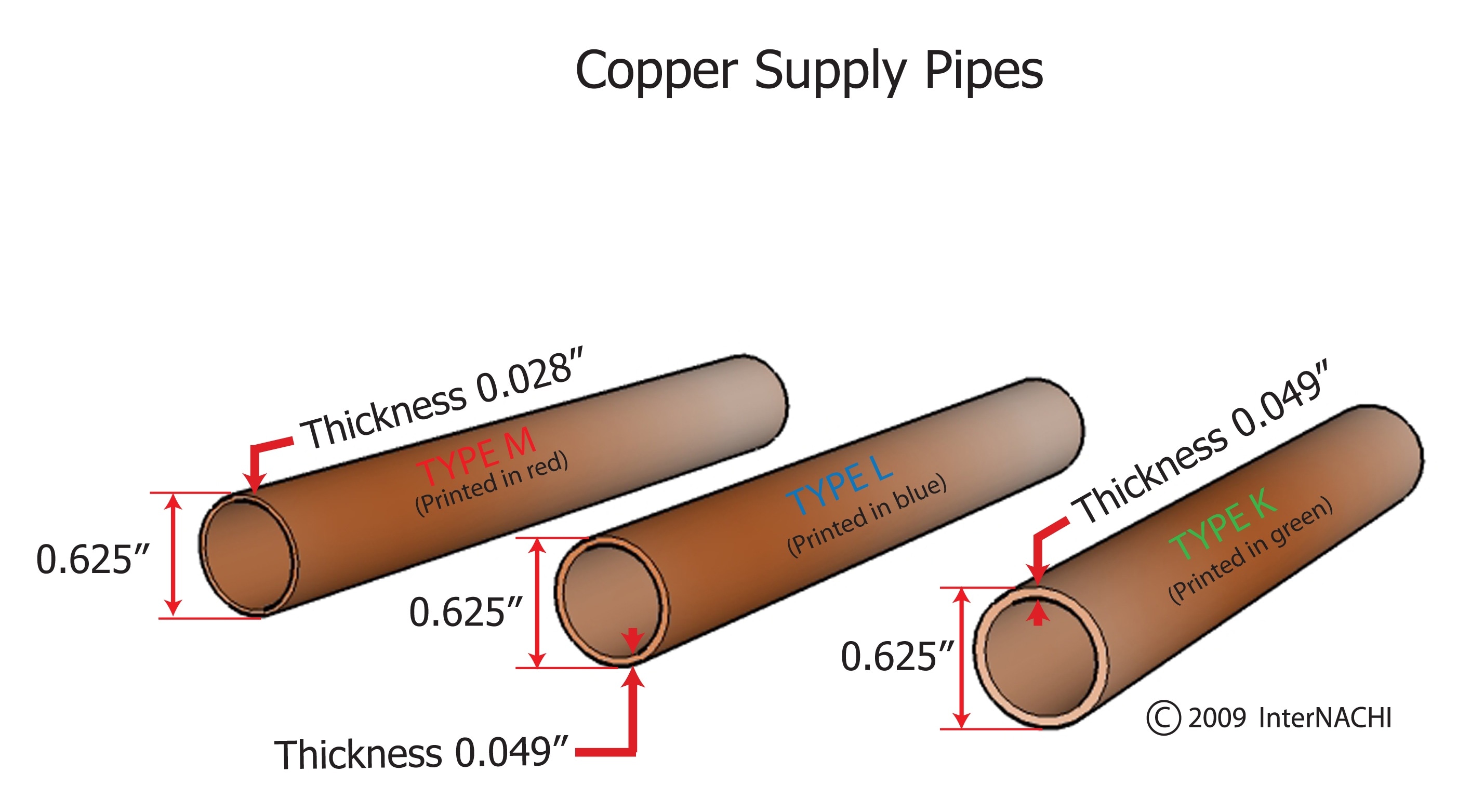
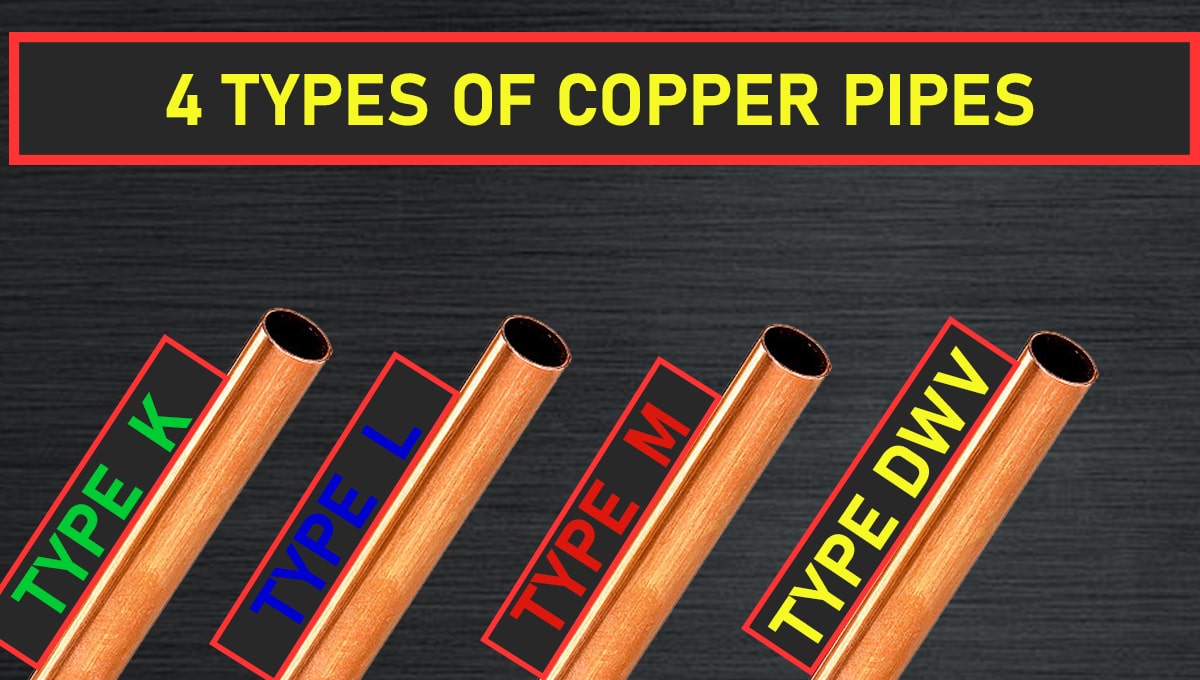
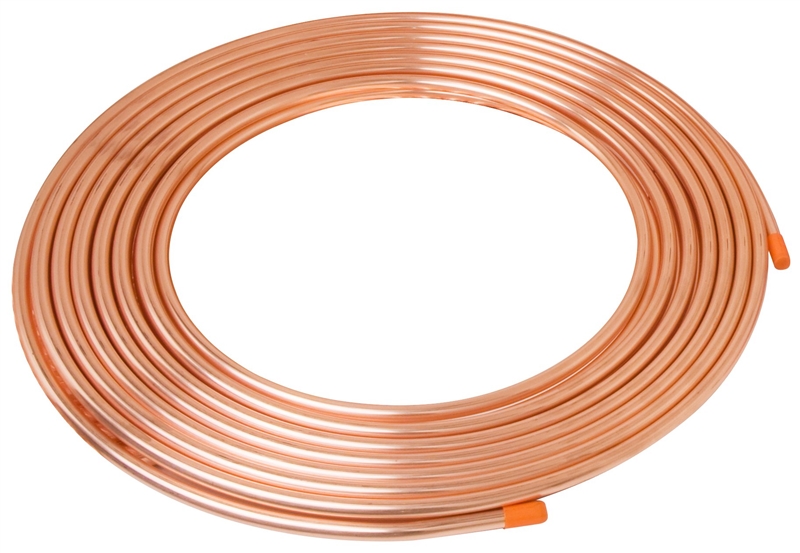
Type K copper tubing is a thick-walled copper pipe renowned for its strength, durability, and resistance to high pressures and temperatures. It is easily distinguished from other types of copper tubing (Type L and Type M) by its green markings and thicker wall. This robustness makes it ideal for demanding applications within HVAC systems, as well as for underground water service and gas lines.
Key Characteristics and Specifications
- Wall Thickness: Type K copper boasts the thickest wall among the common copper tubing types. This characteristic directly contributes to its pressure rating and overall durability. For example, a 1/2" nominal size Type K copper tube has a significantly thicker wall than a similar size Type L or M tube.
- Material: Manufactured from virtually pure copper, typically UNS C12200 (DHP copper), which exhibits excellent corrosion resistance and thermal conductivity.
- Applications: Primarily used for underground water and gas service, heating oil, fire protection systems, and high-pressure HVAC applications. In HVAC, it is often specified for refrigerant lines in larger commercial or industrial systems.
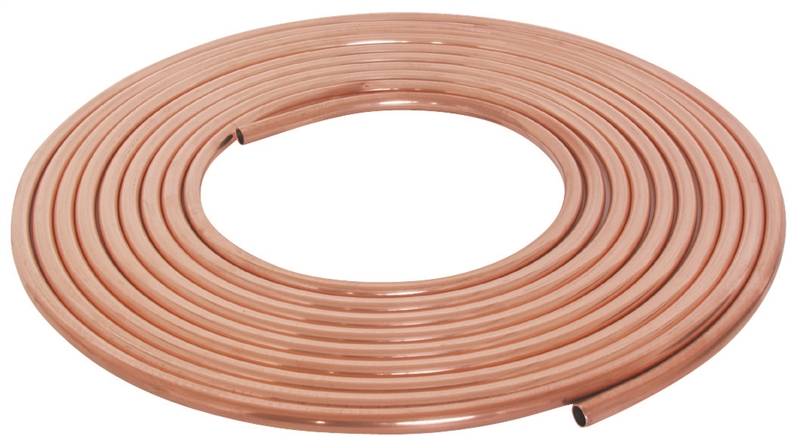
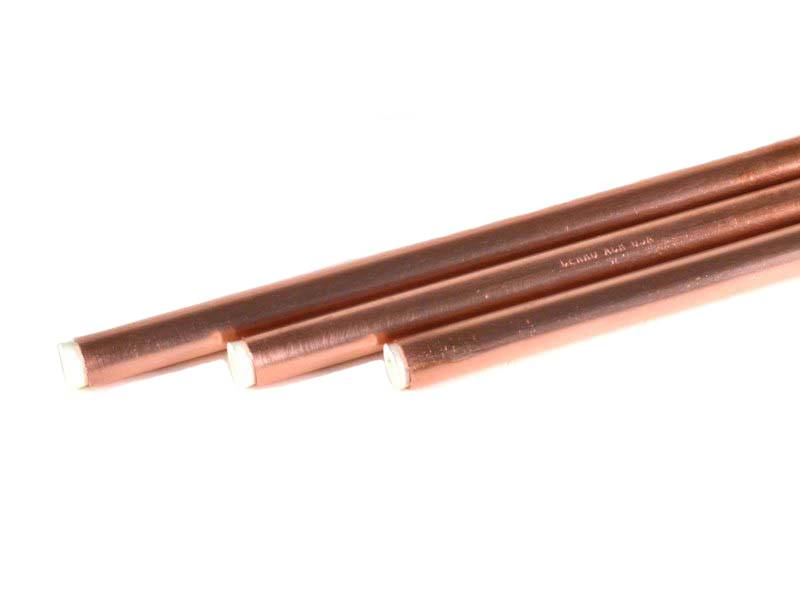
- Availability: Available in both rigid (straight lengths) and flexible (coiled) forms to accommodate diverse installation requirements.
- Standards: Complies with ASTM B88 (Standard Specification for Seamless Copper Water Tube) and other relevant industry standards.
The specific dimensions and pressure ratings of Type K copper tubing vary based on nominal size. Engineers and technicians consult detailed specification charts to select the appropriate tubing for each application. Properly sizing the copper tubing is paramount for the safe and efficient operation of the HVAC system.
HVAC Applications and Benefits of Type K Copper
While Type L copper is more commonly used in residential HVAC due to its lower cost, Type K copper shines in specific, more demanding HVAC scenarios. Here’s a breakdown:
- Large Commercial Refrigeration Systems: In supermarkets, cold storage facilities, and industrial cooling processes, systems often operate at higher pressures. Type K copper tubing provides the necessary strength and safety margin.
- Chilled Water Systems: In commercial buildings, chilled water is circulated to air handling units. The robust nature of Type K minimizes the risk of leaks and ensures long-term reliability in these often extensive piping networks.
- Geothermal Heating and Cooling: Buried underground, geothermal systems require durable piping to withstand soil conditions and pressure variations. Type K copper is a suitable choice for ground loops and connecting piping.
- High-Pressure Refrigerants: When working with refrigerants like R-410A (which operates at higher pressures than older refrigerants like R-22), Type K copper provides an added layer of safety.
The benefits of using Type K copper tubing extend beyond its pressure rating. Its superior corrosion resistance contributes to a longer lifespan, reducing maintenance and replacement costs in the long run. The high thermal conductivity of copper also enhances heat transfer efficiency in refrigeration and heating systems.
Career Paths and Skills Related to Copper Tubing
Working with copper tubing, particularly Type K in commercial and industrial settings, requires specialized skills and knowledge. Several career paths involve this expertise:
- HVAC Technician: Installs, maintains, and repairs HVAC systems, including copper piping. Understanding the different types of copper tubing and proper joining techniques (soldering, brazing) is crucial. The median annual wage for HVAC mechanics and installers was $51,390 in May 2021, according to the Bureau of Labor Statistics. The job outlook is projected to grow 5 percent from 2021 to 2031.
- Pipefitter/Steamfitter: Installs and maintains piping systems that carry liquids or gases, including copper piping for HVAC and other applications. They often work on large-scale commercial and industrial projects.
- HVAC Design Engineer: Designs HVAC systems, specifying the appropriate materials, including copper tubing, based on performance requirements and safety standards. A bachelor's degree in mechanical engineering is typically required.
- HVAC Service Manager: Oversees the installation, maintenance, and repair of HVAC systems, ensuring quality and compliance with regulations. Requires strong technical knowledge and management skills.
- Welder: Joins metal components using welding techniques, including copper tubing. Certification in welding processes is often required.
Essential skills for these roles include:
- Soldering and Brazing: Mastering these joining techniques is fundamental for creating leak-tight connections in copper piping systems. Proper flux selection and heat control are critical.
- Pipefitting: Accurately measuring, cutting, and fitting copper tubing is essential for efficient system installation.
- Blueprint Reading: Interpreting blueprints and schematics to understand piping layouts and system requirements.
- Refrigerant Handling: Understanding refrigerant types, pressures, and safe handling procedures. EPA Section 608 certification is legally required for technicians who work with refrigerants.
- Problem-Solving: Diagnosing and resolving issues related to copper piping, such as leaks, corrosion, or flow restrictions.
- Knowledge of HVAC Codes and Standards: Adhering to relevant codes and standards to ensure safety and compliance.
Certifications and Training
Earning certifications can significantly enhance career prospects and demonstrate expertise in HVAC and related fields:
- NATE (North American Technician Excellence): Offers certifications for HVAC technicians in various specialties, demonstrating proficiency in installation, service, and repair.
- EPA Section 608 Certification: Required by the US Environmental Protection Agency for technicians who handle refrigerants. There are different levels of certification based on the type of equipment serviced.
- Welding Certifications: The American Welding Society (AWS) offers certifications for welders in various welding processes, including those used for copper.
- HVAC Excellence: Provides certifications for HVAC educators and technicians, focusing on quality education and training.
- Manufacturer-Specific Training: Many HVAC equipment manufacturers offer training programs on their products, including installation and service procedures for systems using copper tubing.
In addition to certifications, apprenticeships and vocational training programs provide valuable hands-on experience in working with copper tubing and other HVAC components. These programs typically combine classroom instruction with on-the-job training, allowing aspiring technicians to develop the skills needed to succeed in the field. Trade schools and community colleges often offer relevant programs.
Industry Trends and Future Outlook
The HVAC industry is constantly evolving, driven by factors such as energy efficiency regulations, technological advancements, and climate change. Several trends are influencing the use of copper tubing and the skills required to work with it:
- Shift to Higher-Efficiency Systems: The demand for energy-efficient HVAC systems is increasing, leading to the adoption of advanced technologies and materials. While alternative materials are emerging, copper's reliability and heat transfer properties continue to make it a valuable component.
- Increased Use of Variable Refrigerant Flow (VRF) Systems: VRF systems, which offer precise temperature control and energy savings, often utilize extensive copper piping networks. Technicians working with VRF systems need specialized knowledge of refrigerant flow and piping design.
- Growing Focus on Sustainability: Environmental concerns are driving the adoption of sustainable HVAC practices, including the use of refrigerants with lower global warming potential (GWP) and the implementation of energy-efficient designs.
- Advancements in Joining Technologies: While soldering and brazing remain common techniques, newer methods like press-connect fittings are gaining popularity for their speed and ease of installation.
The job outlook for HVAC technicians remains positive, driven by population growth, increasing demand for climate control systems, and the need to replace aging equipment. However, employers are increasingly seeking technicians with strong technical skills, certifications, and a willingness to adapt to new technologies. Continuous learning and professional development are essential for staying competitive in the HVAC industry.
Conclusion
Type K copper tubing plays a critical role in HVAC systems, particularly in demanding commercial and industrial applications. Understanding its properties, applications, and installation techniques is essential for HVAC technicians, engineers, and service managers. By investing in training, certifications, and continuous learning, HVAC professionals can build successful and rewarding careers in this dynamic and essential industry. As the industry evolves, staying informed about emerging trends and technologies will be key to maintaining a competitive edge and contributing to the advancement of sustainable and efficient climate control solutions. The robust qualities of Type K copper tubing, combined with skilled professionals, ensure the reliable operation of HVAC systems for years to come. The salary for experienced technicians with specialized skills, especially working on large commercial projects, can reach upwards of $75,000 or more per year, reflecting the value placed on their expertise.




:max_bytes(150000):strip_icc()/types-of-copper-piping-844852-01-b4a5272c077c43ce9310c4713678f76e.jpg)