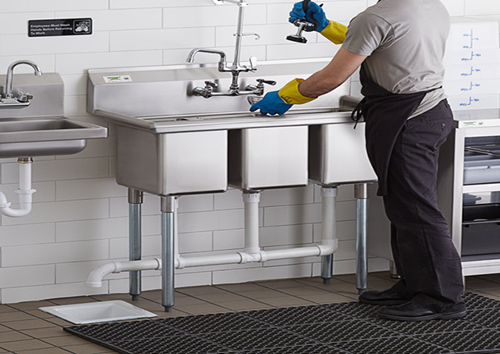
3 Compartment Sink Air Gap Drain
In the world of HVAC and plumbing, understanding the intricacies of backflow prevention is crucial. While often associated with residential water heaters and commercial plumbing systems, the concept extends to seemingly simple installations like the drain lines of a 3-compartment sink. A key component in ensuring sanitary conditions is the air gap drain. This article will delve into the purpose, function, and importance of air gap drains in 3-compartment sinks, providing valuable information for HVAC students, technicians, and employers.
Why Air Gaps Matter: Preventing Backflow and Contamination
The primary purpose of an air gap is to prevent backflow. Backflow occurs when contaminated water is siphoned or pushed back into the potable water supply. This can happen due to a drop in water pressure in the main line or an increase in pressure in a downstream system. In the context of a 3-compartment sink, the concern is that dirty, soapy water from the sink basins could potentially backflow into the municipal water supply, posing a serious health hazard.
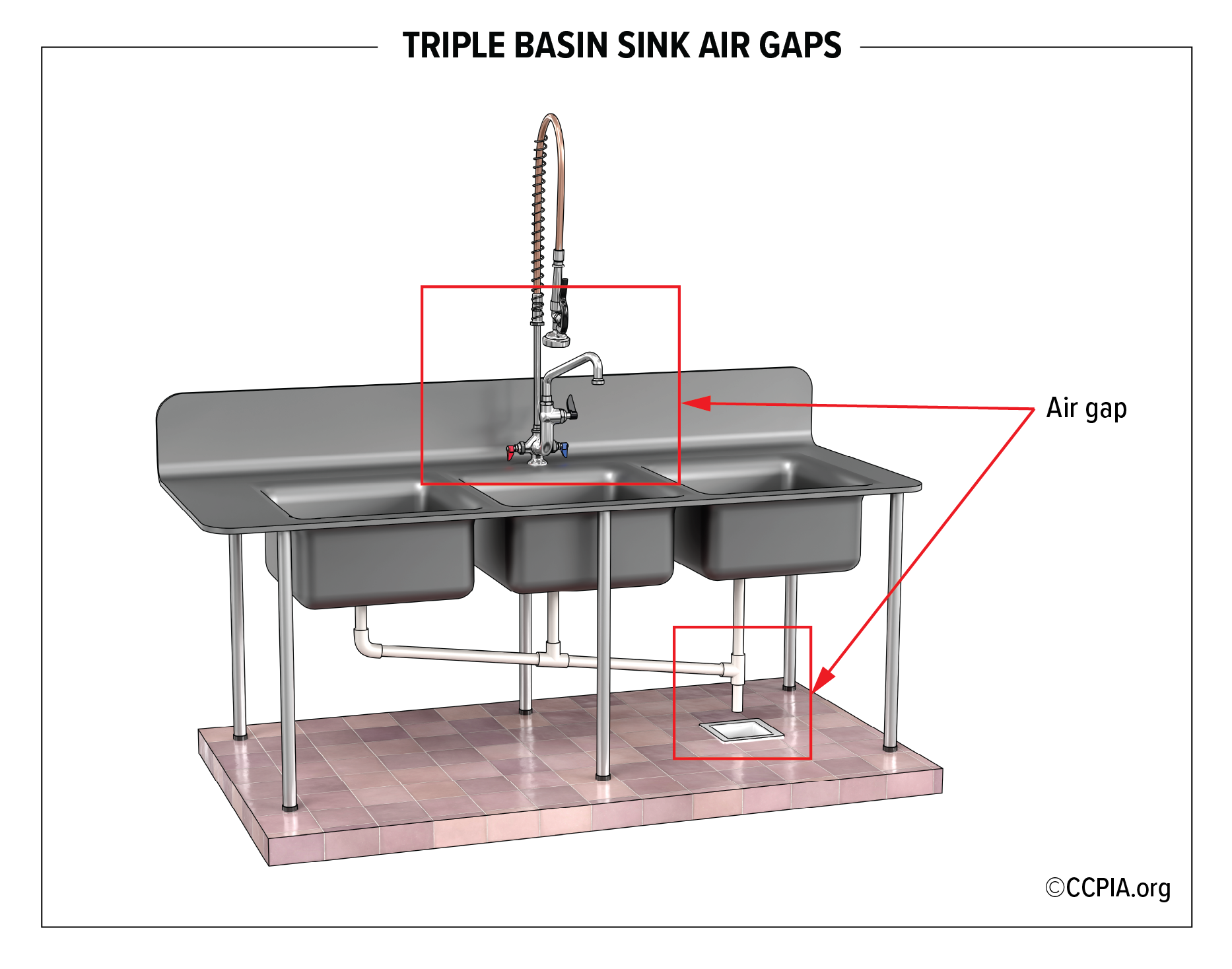
An air gap provides a physical break between the drain line of the sink and the wastewater system. This break ensures that there is no direct connection, eliminating the possibility of backflow due to backpressure or backsiphonage. It's a simple yet effective solution for maintaining water safety and sanitation.
The 3-Compartment Sink: A Sanitary Workhorse
3-compartment sinks are ubiquitous in commercial kitchens, restaurants, and food service establishments. They are used for washing, rinsing, and sanitizing dishes, utensils, and cookware. The multi-stage process is designed to ensure thorough cleaning and disinfection, preventing the spread of foodborne illnesses. Regulations typically require specific water temperatures and sanitizer concentrations in each compartment, further emphasizing the importance of maintaining a clean and safe water supply.
Without a properly installed and maintained air gap, the risk of cross-contamination increases significantly. Imagine a scenario where the drain line becomes clogged, causing wastewater to back up into the sink. If there's no air gap, this contaminated water could potentially siphon back into the potable water lines, contaminating the water used for washing and rinsing. This could lead to a widespread health crisis and significant financial repercussions for the establishment.
Understanding the Mechanics of an Air Gap Drain
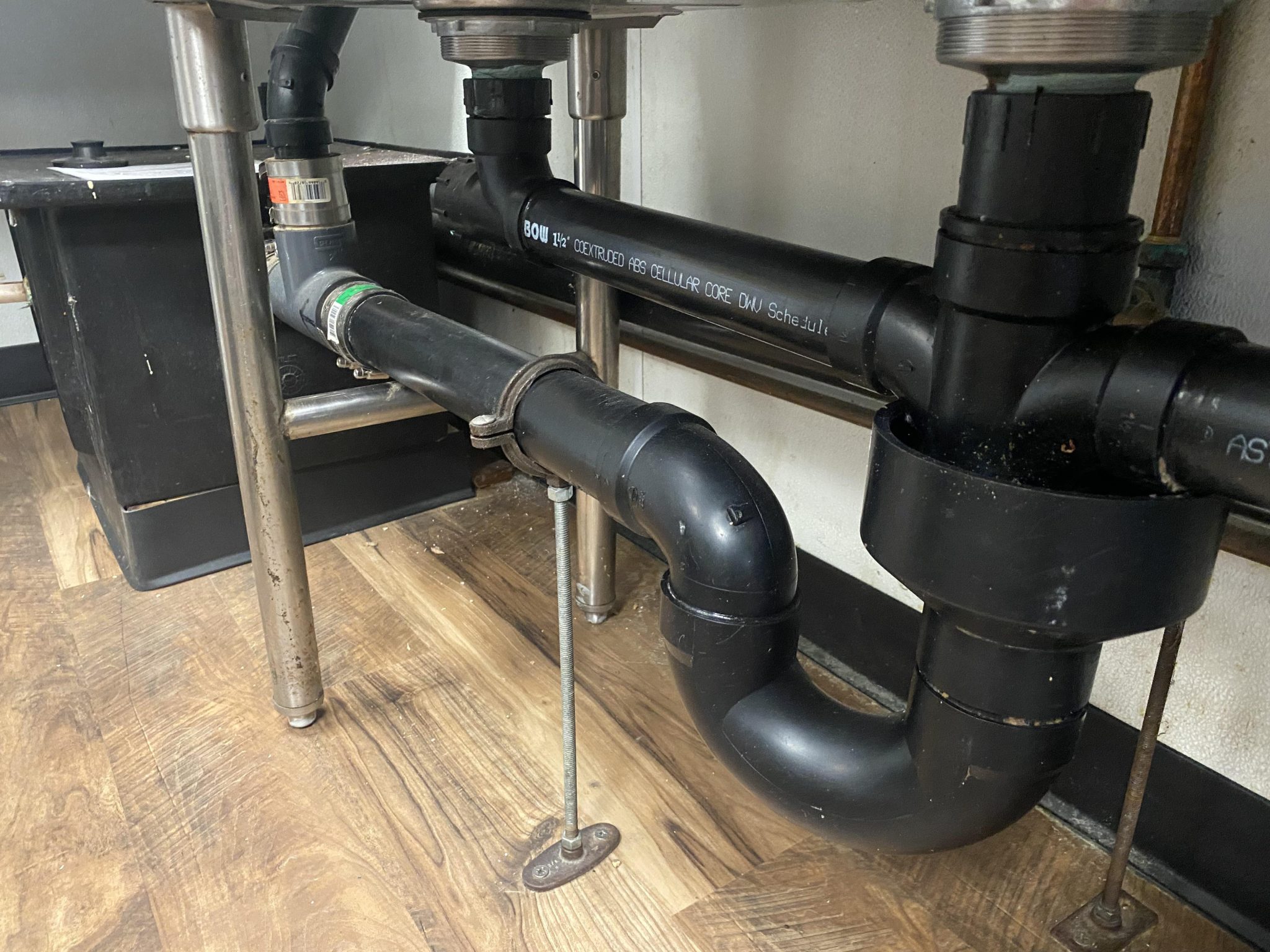
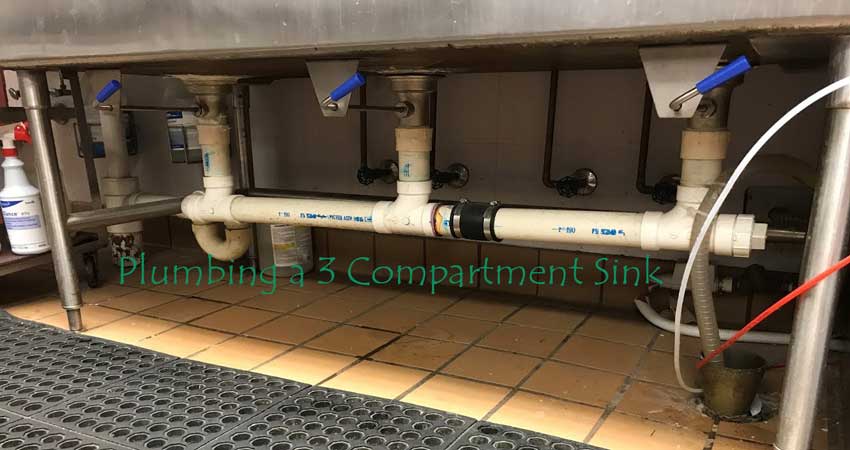
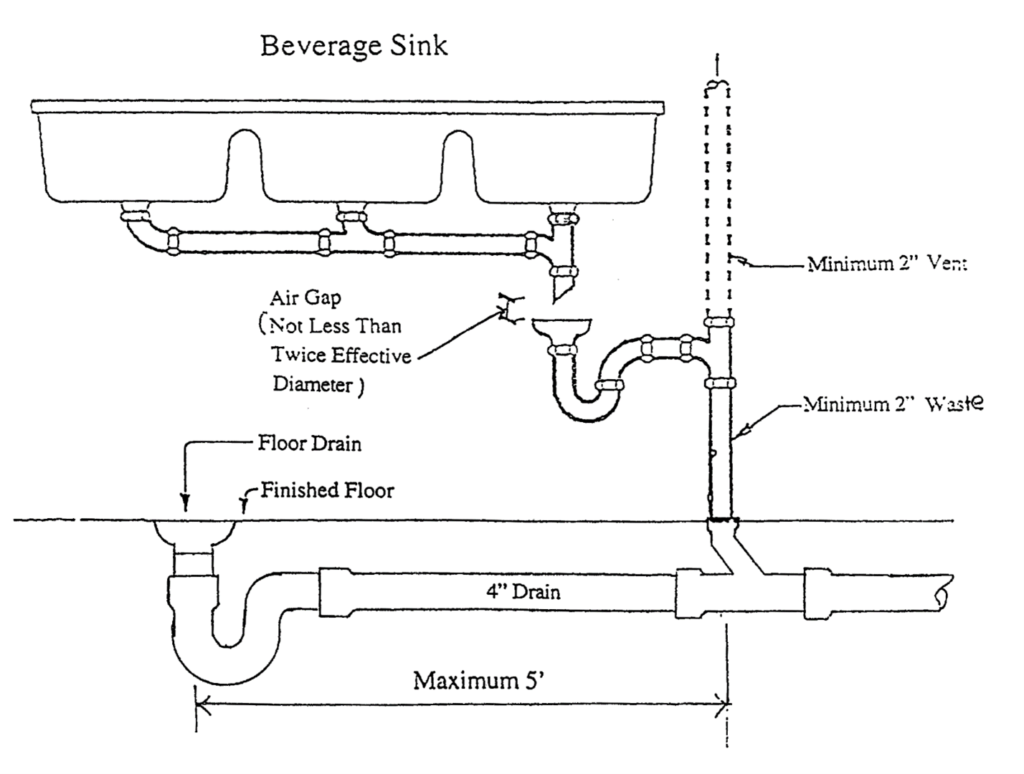
An air gap drain typically consists of a vertical section of pipe that discharges wastewater into a larger receptor, such as a floor drain or a funnel-shaped fixture connected to the drainage system. The key is the "air gap" – the unobstructed vertical distance between the discharge point of the pipe and the flood rim level of the receptor. This gap must be at least twice the diameter of the drain line, or a minimum of 1 inch, whichever is greater, according to most plumbing codes. The exact requirements can vary based on local codes, so it's crucial to consult with local authorities and plumbing inspectors.
Proper installation is paramount. The drain line must be positioned so that wastewater discharges directly into the receptor without splashing or creating unsanitary conditions. The receptor must be adequately sized to handle the volume of wastewater being discharged, preventing overflow and potential flooding. Regular inspections are necessary to ensure that the air gap remains unobstructed and that the drainage system is functioning correctly. Any signs of clogging, leaks, or corrosion should be addressed immediately.
HVAC & Plumbing: A Synergistic Skillset
While the installation and maintenance of air gap drains often fall under the purview of plumbers, HVAC technicians increasingly need to understand these systems. Many commercial HVAC systems integrate with plumbing systems for tasks like condensate drainage, chilled water supply, and wastewater removal. A strong understanding of plumbing principles, including backflow prevention and air gap requirements, enhances an HVAC technician's ability to troubleshoot and maintain these integrated systems effectively.
Furthermore, as energy efficiency and water conservation become more prevalent, HVAC technicians are increasingly involved in the installation and maintenance of systems that utilize greywater or reclaimed water. These systems require stringent backflow prevention measures to protect the potable water supply, making the knowledge of air gaps and other backflow prevention devices even more critical.
Career Opportunities in Plumbing and HVAC
The demand for skilled plumbers and HVAC technicians remains strong. According to the Bureau of Labor Statistics, the job outlook for plumbers, pipefitters, and steamfitters is projected to grow 4 percent from 2022 to 2032, about as fast as the average for all occupations. The median annual wage for plumbers, pipefitters, and steamfitters was $65,780 in May 2023. The job outlook for HVACR mechanics and installers is projected to grow 6 percent from 2022 to 2032, faster than the average for all occupations. The median annual wage for HVACR mechanics and installers was $59,620 in May 2023.
Several factors contribute to this demand, including new construction, renovation projects, and the growing need for energy-efficient and environmentally friendly systems. As older infrastructure ages, the demand for maintenance and repair services will also increase. Furthermore, the growing emphasis on water conservation and sanitation will drive the demand for professionals skilled in backflow prevention and water treatment.
Certifications: Enhancing Your Skills and Marketability
Obtaining industry-recognized certifications can significantly enhance your career prospects in plumbing and HVAC. For plumbers, a journeyman or master plumber license is typically required to work independently. These licenses often require completing an apprenticeship program and passing a state or local exam. Other relevant certifications include certifications related to backflow prevention assembly testing and repair.
For HVAC technicians, certifications such as NATE (North American Technician Excellence) and the EPA Section 608 certification are highly valued by employers. NATE certification demonstrates a technician's competency in specific areas, such as installation, service, and repair. The EPA 608 certification is required for technicians who handle refrigerants. Other valuable certifications include those related to specific types of HVAC equipment or systems, such as geothermal heat pumps or building automation systems.
Real-World Career Paths
Many paths can be taken to make a fulfilling career in this industry. Here are some common paths:
- Apprentice Plumber/HVAC Technician: Entry-level position involving on-the-job training under the supervision of experienced professionals.
- Journeyman Plumber/HVAC Technician: After completing an apprenticeship and passing a licensing exam, a journeyman can work independently.
- Master Plumber/HVAC Technician: The highest level of licensure, requiring extensive experience and a comprehensive exam. Master plumbers and HVAC technicians can own and operate their own businesses.
- HVAC Service Technician: Specializes in the maintenance, repair, and troubleshooting of HVAC systems.
- HVAC Installation Technician: Focuses on the installation of new HVAC systems in residential and commercial buildings.
- Plumbing Inspector: Ensures that plumbing installations comply with local codes and regulations.
- HVAC Design Engineer: Designs HVAC systems for new construction and renovation projects.
- Sales Engineer (HVAC/Plumbing): Promotes and sells HVAC and plumbing equipment and services to contractors and building owners.
Air Gap Drains: A Small Detail with a Big Impact
While the air gap drain in a 3-compartment sink might seem like a minor detail, it plays a critical role in protecting public health and preventing water contamination. A thorough understanding of the function, installation, and maintenance of air gap drains is essential for anyone working in the plumbing or HVAC industries. By investing in training and certifications, professionals can enhance their skills, increase their marketability, and contribute to a safer and more sanitary environment for everyone.
By prioritizing education and training on topics like air gap drain systems, both employers and employees will be well-prepared for the challenges and opportunities within the HVAC and plumbing industries. Staying abreast of codes, best practices and industry trends will ensure safe, code compliant installations and practices.