3 Ton Evaporator Coil Replacement Cost

Replacing an evaporator coil is a significant HVAC repair, impacting both your immediate comfort and long-term energy bills. A 3-ton unit is common in many homes and smaller commercial spaces, making its efficiency vital. Understanding the costs associated with replacing a 3-ton evaporator coil, along with potential savings and upgrade options, can empower you to make informed decisions that benefit your wallet and the environment.
Understanding the Evaporator Coil and Its Importance
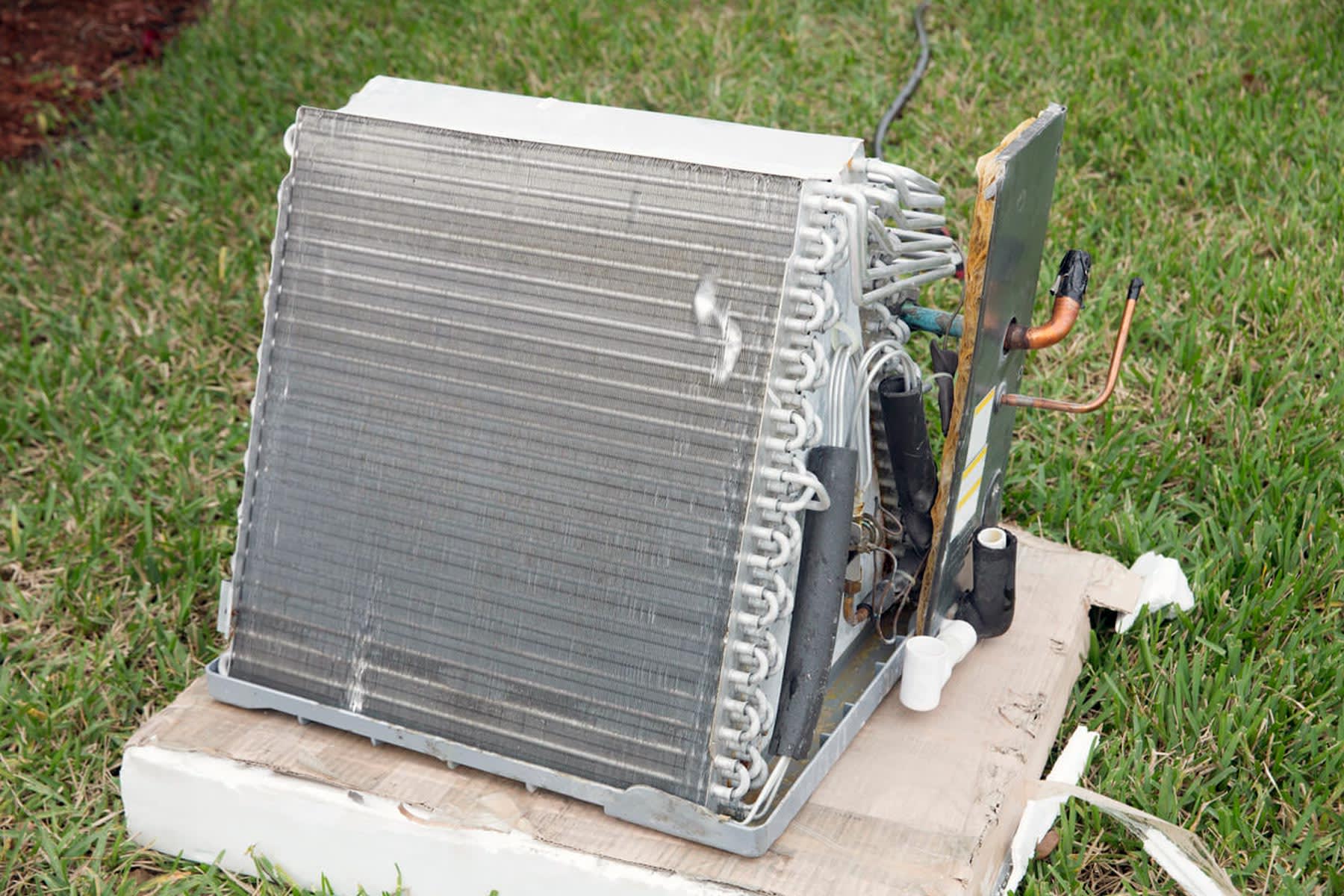
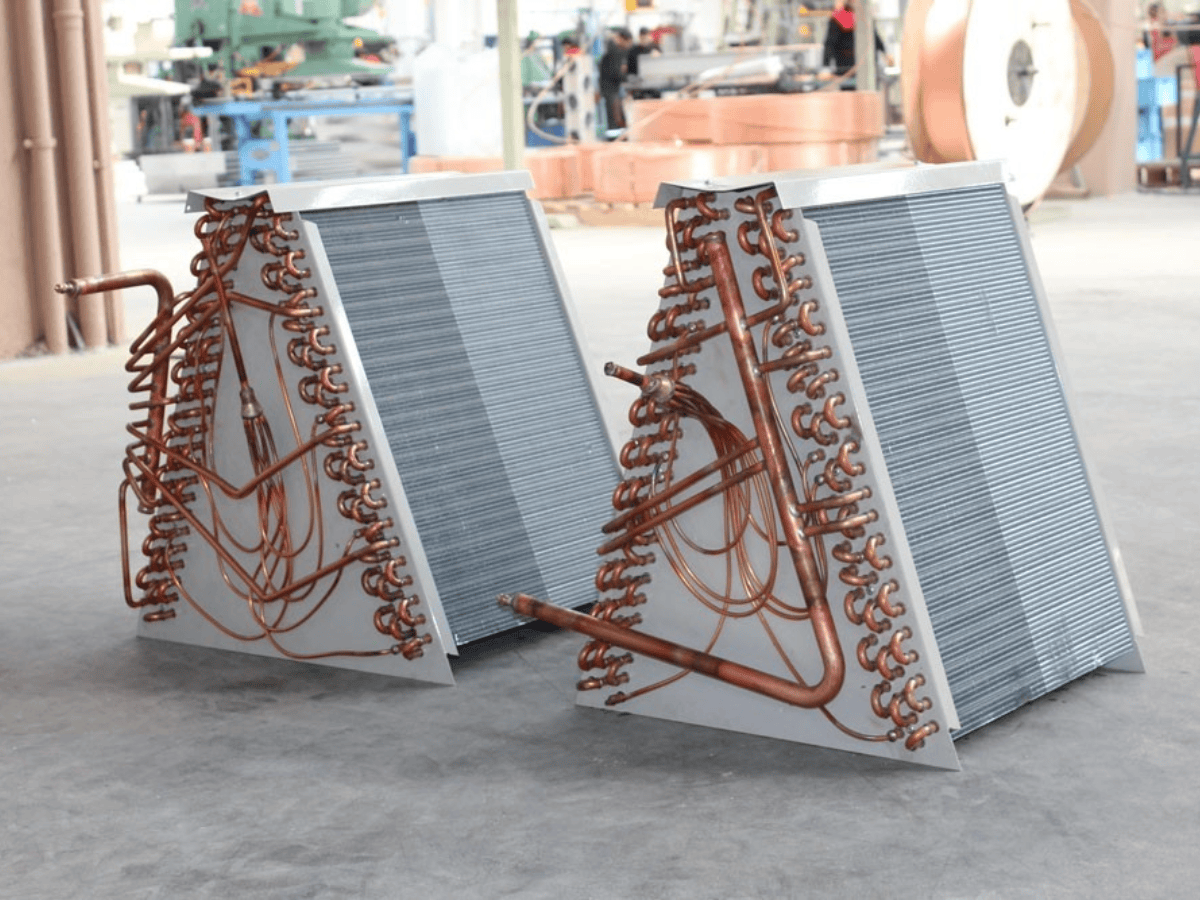
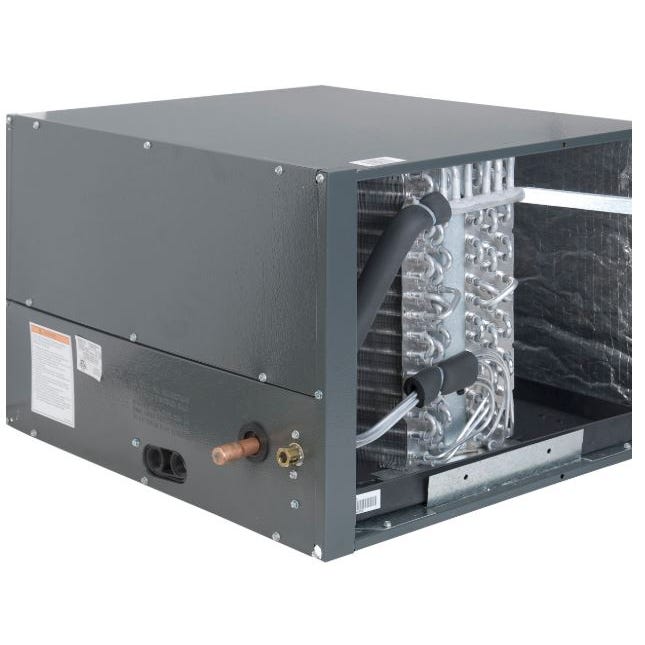
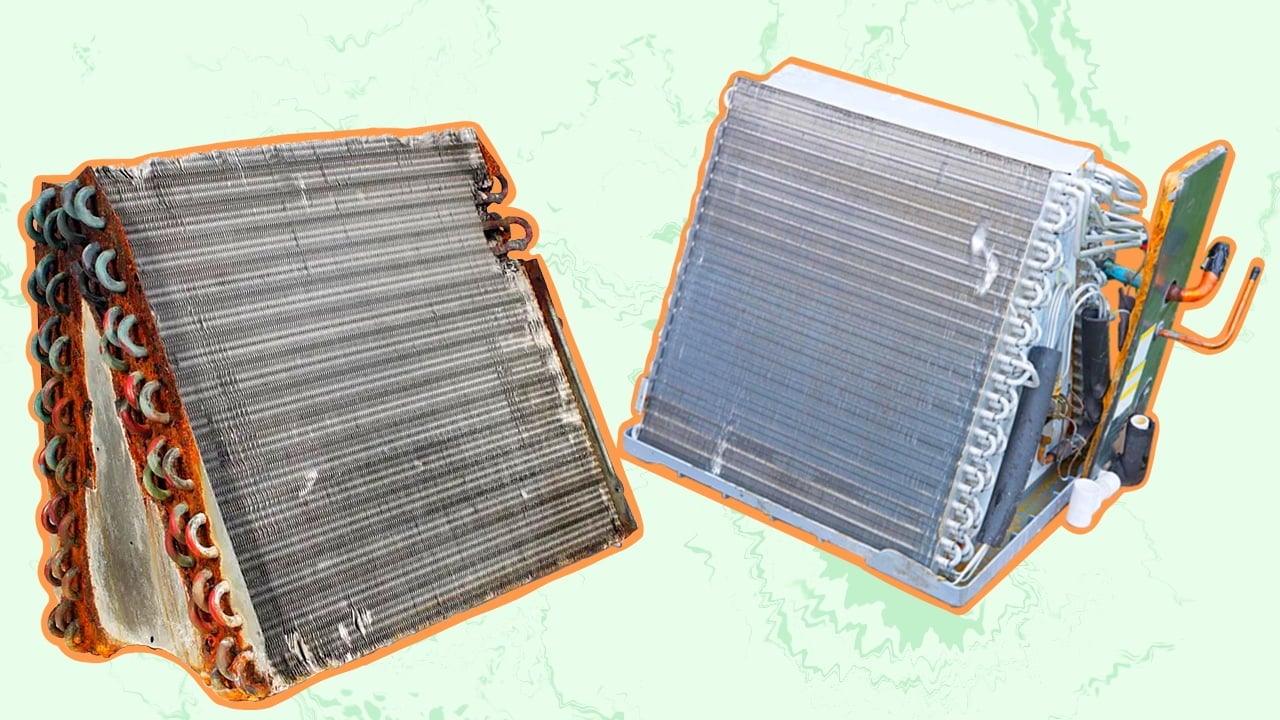
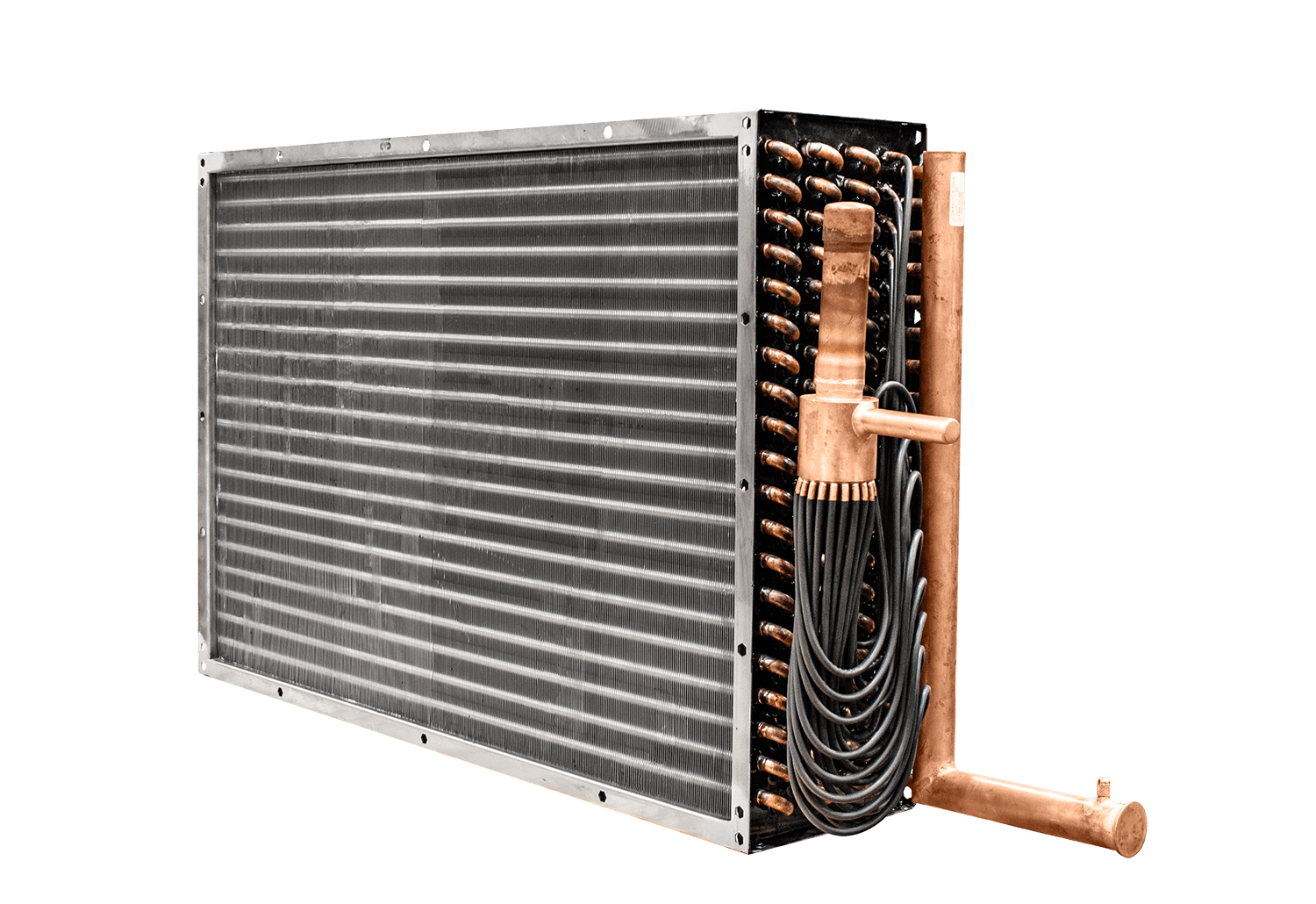
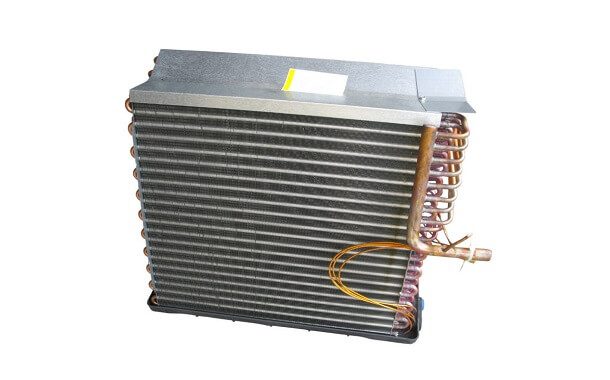
The evaporator coil is a crucial component of your air conditioning system. Located inside your indoor air handler unit, it's responsible for absorbing heat from your home's air. Refrigerant flowing through the coil cools the air that's then circulated through your ductwork. A faulty evaporator coil reduces cooling efficiency, leading to higher energy consumption and potentially damaging other components, like the compressor.
Common signs of a failing evaporator coil include:
- Reduced cooling capacity
- Ice buildup on the coil
- Refrigerant leaks
- Unusual noises from the air handler
- Higher energy bills without a change in usage
Ignoring these signs can lead to a complete system failure and more expensive repairs down the line. Proactive replacement of a failing coil is often the most cost-effective solution.
3-Ton Evaporator Coil Replacement Cost: A Detailed Breakdown
The cost to replace a 3-ton evaporator coil can vary considerably depending on several factors. Generally, you can expect to pay between $1,200 and $3,500. This range includes the cost of the new coil, refrigerant, labor, and any necessary ductwork modifications.
Factors Influencing the Cost:
- Coil Type: Different types of coils (e.g., aluminum vs. copper) and their efficiency ratings will impact the price. Microchannel coils, known for their efficiency and compact design, may be more expensive upfront but offer long-term energy savings.
- Refrigerant Type: The type of refrigerant your system uses affects the cost, especially if you're upgrading from an older system using R-22 to the more environmentally friendly R-410A. R-410A systems are now the industry standard, and if your old system uses R-22, you might also need to replace other components for compatibility.
- Labor Costs: Labor rates vary based on location and the HVAC contractor's experience. Obtain quotes from multiple reputable contractors to ensure you're getting a fair price.
- System Accessibility: Difficult-to-access evaporator coils may require more labor hours, increasing the overall cost.
- Ductwork Modifications: In some cases, replacing the evaporator coil may necessitate modifications to your ductwork to ensure proper airflow and efficiency.
- Warranty: The length and coverage of the warranty on the new coil can also influence the price. Look for coils with a good manufacturer's warranty, typically ranging from 5 to 10 years.
- SEER Rating: Seasonal Energy Efficiency Ratio (SEER) is a measure of cooling efficiency. Higher SEER-rated coils will cost more upfront but will save you money on energy bills in the long run.
Cost Considerations for Homeowners and Businesses:
For homeowners, replacing a 3-ton evaporator coil can be a significant investment. However, the energy savings and improved comfort can quickly offset the initial cost. Consider financing options or energy-efficient home improvement loans to make the project more affordable.
Businesses with larger HVAC systems might consider replacing multiple evaporator coils simultaneously to maximize efficiency and minimize downtime. Explore potential tax incentives and rebates for energy-efficient upgrades.
Maximizing Energy Savings and ROI
Beyond simply replacing the faulty coil, you can significantly improve your system's efficiency and maximize your return on investment by considering these upgrades:
Upgrade to a Higher SEER Rating:
Investing in a higher SEER-rated evaporator coil will reduce your energy consumption and lower your monthly bills. The initial cost might be higher, but the long-term savings are substantial. For example, upgrading from a SEER 13 to a SEER 16 coil can reduce your cooling costs by 15-20%.
Variable-Speed or Multi-Speed Systems:
Consider a variable-speed or multi-speed air handler unit in conjunction with your new evaporator coil. These systems adjust their cooling output based on the demand, providing more consistent temperatures and using less energy than traditional single-speed systems. This can be an expensive upgrade, but can improve your system's overall performance.
Smart Thermostats and Sensors:
Integrating your new evaporator coil with a smart thermostat and sensors allows for precise temperature control and energy management. Smart thermostats learn your preferences and adjust the temperature automatically, optimizing energy usage. They also provide valuable insights into your energy consumption patterns, allowing you to identify areas for further savings. Features like geofencing (adjusting temperature based on your location) and remote control can also contribute to significant energy savings.
Rebates, Incentives, and Financing Options
Many utility companies and government agencies offer rebates and incentives for upgrading to energy-efficient HVAC equipment. Research available programs in your area to potentially offset the cost of the replacement.
- Energy Star Rebates: Look for Energy Star certified evaporator coils, as they often qualify for rebates.
- Utility Company Programs: Check with your local utility company for specific rebate programs and financing options.
- Federal Tax Credits: Explore federal tax credits for energy-efficient home improvements.
- State and Local Incentives: Many states and local governments offer additional incentives for energy-efficient upgrades.
Financing options, such as energy-efficient home improvement loans, can make the project more affordable by spreading the cost over time.
Selecting the Right HVAC Contractor
Choosing a qualified and experienced HVAC contractor is crucial for a successful evaporator coil replacement. Look for contractors who are licensed, insured, and have a proven track record of quality work. Obtain quotes from multiple contractors and compare their prices, services, and warranties. A good contractor will perform a thorough assessment of your system and recommend the best solution for your needs.
Questions to Ask Potential Contractors:
- Are you licensed and insured?
- How much experience do you have with evaporator coil replacements?
- What type of evaporator coil do you recommend and why?
- What is the estimated cost of the project, including labor and materials?
- What is the warranty on the new coil and your workmanship?
- Do you offer financing options?
- Can you provide references from previous customers?
The Benefits of a Properly Functioning Evaporator Coil
Replacing a faulty evaporator coil offers numerous benefits, including:
- Improved Cooling Efficiency: A new coil will restore your system's cooling capacity and reduce energy consumption.
- Lower Energy Bills: Reduced energy consumption translates to lower monthly utility bills.
- Enhanced Comfort: A properly functioning evaporator coil will provide more consistent temperatures and improved indoor comfort.
- Extended System Lifespan: Replacing the coil can prevent damage to other components, such as the compressor, extending the lifespan of your entire HVAC system.
- Improved Indoor Air Quality: A clean and properly functioning evaporator coil can help improve indoor air quality by preventing the growth of mold and bacteria.
- Increased Home Value: Energy-efficient upgrades can increase the value of your home.
Smart Home Integration for Enhanced Efficiency
Integrating your HVAC system with a smart home ecosystem offers even greater control and efficiency. Smart thermostats, sensors, and energy monitoring systems can provide valuable data and insights into your energy consumption, allowing you to optimize your settings and save money.
For example, a smart thermostat can learn your daily routine and adjust the temperature accordingly, automatically lowering the temperature when you're away from home. Sensors can detect occupancy and adjust the temperature in individual rooms, preventing wasted energy in unoccupied spaces. Energy monitoring systems can track your energy consumption in real-time, providing valuable data that can help you identify areas for improvement. Many smart thermostats and sensors also integrate with voice assistants like Amazon Alexa and Google Assistant, allowing you to control your HVAC system with voice commands.
Conclusion: A Worthwhile Investment
Replacing a 3-ton evaporator coil can be a significant investment, but the long-term benefits of improved efficiency, lower energy bills, and enhanced comfort make it a worthwhile project. By understanding the factors influencing the cost, exploring available rebates and incentives, and choosing a qualified HVAC contractor, you can make informed decisions that benefit both your wallet and the environment. Integrating smart home technology can further enhance the efficiency and control of your HVAC system, maximizing your return on investment and creating a more comfortable and sustainable living environment.