
3 Way Mixing Valve Piping Diagram

Understanding 3-way mixing valve piping diagrams is crucial for anyone working with hydronic heating or cooling systems. These valves play a vital role in controlling water temperature by blending hot and cold water streams to achieve the desired output. This guide aims to provide a comprehensive, yet accessible, explanation of these diagrams, making them easier to understand and implement.
What is a 3-Way Mixing Valve?
A 3-way mixing valve is a type of valve with three ports: one inlet for hot water (typically labeled "A"), one inlet for cold water (typically labeled "B"), and one outlet (typically labeled "AB") that delivers the mixed water at the desired temperature. These valves are used to regulate the temperature of water circulating through a system, providing consistent comfort and efficiency. Imagine it as a sophisticated faucet, but instead of manually adjusting hot and cold, it automatically blends them based on a control signal.
Think of it like a chef carefully blending ingredients: The hot and cold water are the ingredients, and the 3-way mixing valve is the chef, ensuring the final dish (the mixed water) is exactly the right temperature.
Why Use a 3-Way Mixing Valve?
There are several compelling reasons to use a 3-way mixing valve in your hydronic system:
- Temperature Control: Primarily, they provide precise temperature control for heating or cooling loops. This is essential for maintaining comfort levels and preventing damage to sensitive equipment.
- System Efficiency: By regulating the temperature of the circulating water, these valves help to optimize the energy efficiency of the entire system. This prevents overheating or overcooling, saving energy and reducing operating costs.
- Equipment Protection: In heating systems, they prevent thermal shock to boilers and other components by gradually introducing warmer water. This extends the lifespan of your equipment and reduces maintenance needs.
- Zoning Applications: 3-way mixing valves are frequently used in zoning systems, allowing for individual temperature control in different areas of a building. This caters to specific comfort requirements in different zones.
Understanding the Piping Diagram
The piping diagram is a visual representation of how the 3-way mixing valve is connected to the rest of the hydronic system. It illustrates the flow paths of the hot and cold water, as well as the placement of other important components such as pumps, sensors, and expansion tanks. It's the system's blueprint.
Consider the piping diagram as a roadmap. It shows you exactly how each component is interconnected, ensuring you don't take any wrong turns during installation or troubleshooting.
Key Elements of a 3-Way Mixing Valve Piping Diagram:
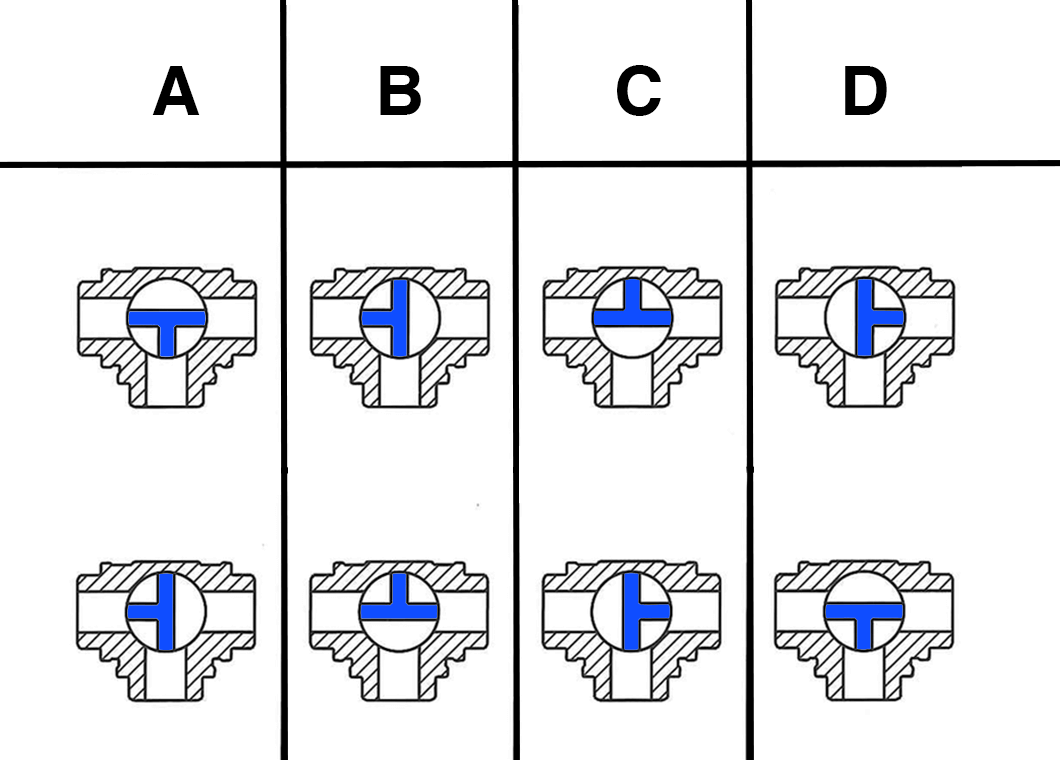
- Valve Body: The central component, typically represented by a symbol showing the three ports (A, B, and AB).
- Hot Water Supply Line: The pipe carrying hot water to the valve (connected to port A).
- Cold Water Supply Line: The pipe carrying cold water to the valve (connected to port B).
- Mixed Water Supply Line: The pipe carrying the blended water from the valve to the heating or cooling loop (connected to port AB).
- Circulation Pump: A pump that circulates the water through the system. Its location in the diagram is crucial for proper system operation.
- Expansion Tank: A tank that accommodates the expansion and contraction of water due to temperature changes. This prevents pressure build-up and damage to the system.
- Sensors: Temperature sensors placed strategically in the system to monitor water temperature and provide feedback to the control system.
- Control System: The electronic brain that controls the valve's position based on the feedback from the sensors and the desired temperature setpoint.
- Check Valves: Allow water to flow in only one direction, preventing backflow and ensuring efficient operation.
- Balancing Valves: Used to adjust flow rates in different parts of the system to ensure even heating or cooling.
Each of these components is represented by a standardized symbol, which may vary slightly depending on the specific diagram and industry standards.
Types of 3-Way Mixing Valve Piping Configurations
There are two main types of 3-way mixing valve piping configurations:
- Diverting Valve: In this configuration, the valve diverts a portion of the incoming hot water to bypass the load (e.g., a heat exchanger or radiator). The remaining hot water flows through the load, and the two streams are then mixed together. Think of it like a traffic cop directing cars onto different routes.
- Mixing Valve: In this configuration, the valve blends hot and cold water streams to achieve the desired temperature. This is the most common configuration for temperature control applications. Think of it as a painter blending different colors of paint to achieve the perfect shade.
The specific configuration used depends on the application and the desired control strategy.
Reading and Interpreting the Diagram
Successfully interpreting a piping diagram requires a systematic approach:
- Identify the Components: Start by identifying all the components shown in the diagram. Refer to a symbol key or legend if necessary.
- Trace the Flow Paths: Follow the lines (pipes) to trace the flow of water through the system. Pay attention to the direction of flow indicated by arrows.
- Understand the Control Strategy: Determine how the control system regulates the valve's position based on the feedback from the sensors. This may involve reviewing the system's control logic or sequence of operations.
- Consider the Application: Understand the purpose of the hydronic system and how the 3-way mixing valve contributes to achieving the desired outcome.
Imagine you're assembling a puzzle. Each component is a piece, and the piping diagram shows you how they all fit together to create a functional system.
Common Piping Diagram Examples
Let's examine some common examples of 3-way mixing valve piping diagrams:
Example 1: Space Heating System
In a typical space heating system, a 3-way mixing valve is used to regulate the water temperature supplied to radiators or radiant floor heating loops. The hot water supply comes from a boiler, and the cold water supply is the return water from the heating loop. The mixed water is then circulated through the heating loop by a pump. A temperature sensor is placed in the return water line to provide feedback to the control system, which adjusts the valve's position to maintain the desired temperature.
The diagram will show the boiler connected to port A (hot), the return from the heating loop connected to port B (cold), and the supply to the heating loop connected to port AB (mixed). The pump is typically located on the supply side of the heating loop.
Example 2: Domestic Hot Water System
In a domestic hot water system, a 3-way mixing valve is used to temper the hot water from a storage tank to a safe and comfortable temperature. This prevents scalding and ensures consistent water temperature at the faucets.
The diagram will show the hot water tank connected to port A (hot), the cold water supply connected to port B (cold), and the tempered water supply connected to port AB (mixed). A thermostatic mixing valve is often used in this application, which automatically adjusts the valve's position based on the outlet water temperature.
Example 3: Chilled Water System
In a chilled water system for air conditioning, a 3-way mixing valve regulates the chilled water temperature supplied to air handling units (AHUs) or fan coil units. This ensures consistent cooling performance and prevents condensation.
The diagram will show the chiller connected to port A (cold), the return from the cooling loop connected to port B (warm), and the supply to the cooling loop connected to port AB (mixed). The pump circulates the chilled water through the cooling loop. Temperature sensors provide feedback to the control system, which adjusts the valve's position to maintain the desired temperature.
Troubleshooting Common Issues
Understanding the piping diagram is essential for troubleshooting problems in a hydronic system. Here are some common issues and how the diagram can help you diagnose them:
- Insufficient Heating or Cooling: Check the valve's position and ensure it's properly responding to the control signal. Verify that the hot and cold water supplies are adequate. Inspect the pump for proper operation. The diagram will help you trace the flow path and identify any restrictions or blockages.
- Temperature Fluctuations: Check the temperature sensors for accuracy. Verify that the control system is properly configured. Inspect the valve for leaks or malfunctions. The diagram will show you the sensor locations and how they interact with the control system.
- No Flow: Check for closed valves, air locks, or pump failures. Verify that the expansion tank is properly charged. The diagram will help you identify potential points of blockage or failure.
Think of the piping diagram as a detective's tool. It provides clues that can help you uncover the root cause of the problem and implement the appropriate solution.
Best Practices for Installation and Maintenance
To ensure optimal performance and longevity of your 3-way mixing valve system, follow these best practices:
- Accurate Installation: Install the valve according to the manufacturer's instructions and the piping diagram. Ensure proper pipe sizing and connections.
- Proper Commissioning: Thoroughly flush and clean the system before startup. Verify that all components are functioning correctly.
- Regular Maintenance: Inspect the valve regularly for leaks, corrosion, or other damage. Clean or replace the valve as needed.
- Proper Insulation: Insulate all pipes and components to minimize heat loss or gain.
- Adequate Air Elimination: Install air vents at high points in the system to remove trapped air.
Consider these best practices as preventative medicine. By following them, you can keep your hydronic system healthy and avoid costly problems down the road.
Conclusion
Mastering the understanding of 3-way mixing valve piping diagrams is a valuable skill for anyone involved in the design, installation, or maintenance of hydronic systems. By understanding the components, flow paths, and control strategies depicted in these diagrams, you can ensure efficient and reliable operation, troubleshoot problems effectively, and make informed decisions about system design and maintenance. With the knowledge gained from this guide, you're well-equipped to navigate the intricacies of 3-way mixing valve systems and optimize their performance.



.jpg?strip=all)


