4 Basic Categories Of Hvac Systems
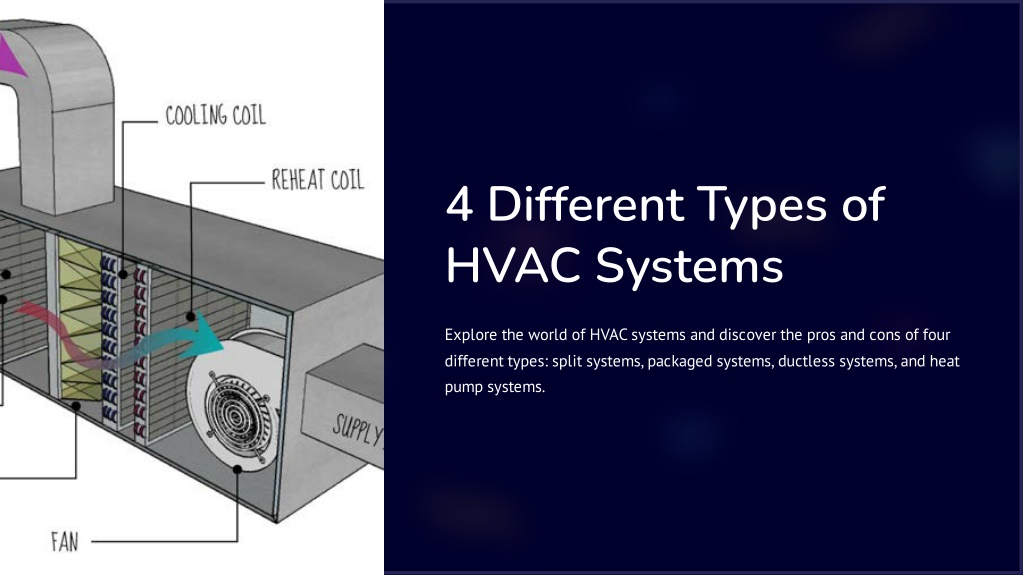
Understanding the 4 Basic Categories of HVAC Systems
HVAC, an acronym for Heating, Ventilation, and Air Conditioning, is a broad term encompassing various technologies designed to regulate temperature, humidity, and air quality within a building. Choosing the right HVAC system is crucial for ensuring comfort, energy efficiency, and healthy indoor environments. While numerous variations exist, most HVAC systems fall into one of four primary categories. This article provides an overview of these categories, outlining their functionalities, advantages, disadvantages, and typical applications.
1. Split Systems
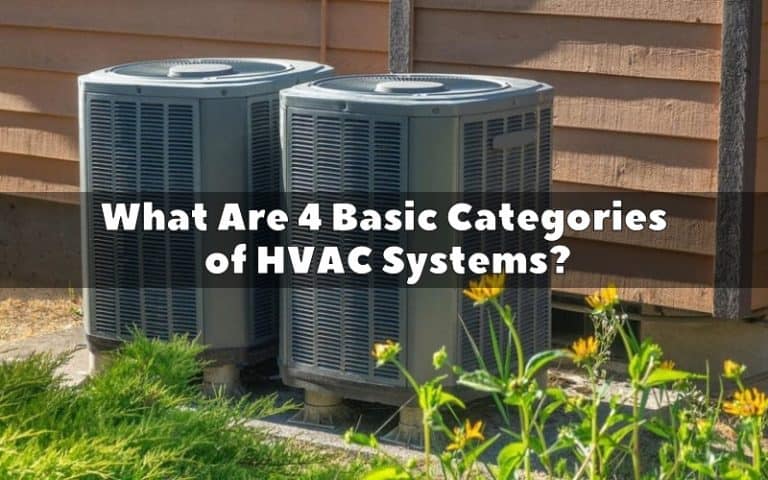
Split systems are arguably the most common type of HVAC system found in residential homes and smaller commercial buildings. They consist of two main components: an outdoor unit and an indoor unit. The outdoor unit typically houses the compressor, condenser coil, and fan, while the indoor unit contains the evaporator coil and air handler (blower fan).
Heating: In a split system providing heating, the outdoor unit functions as a heat pump, extracting heat from the outside air (even in cold temperatures) and transferring it indoors via refrigerant. The indoor unit then distributes this heat throughout the building using the air handler.
Cooling: For cooling, the process is reversed. The indoor unit absorbs heat from the inside air, cooling it down. The refrigerant carries this heat to the outdoor unit, where it is released into the atmosphere. Again, the air handler in the indoor unit circulates the cooled air.
Advantages of Split Systems:
- Cost-Effective: Generally less expensive to install than other types of systems, especially for smaller homes.
- Easy Installation: Relatively straightforward installation process.
- Zoning Capabilities: Can be used with zoning systems to control temperature in different areas of a building.
Disadvantages of Split Systems:
- Efficiency Losses: Ductwork can lead to energy losses if not properly sealed and insulated.
- Aesthetics: The outdoor unit can be visually unappealing.
- Maintenance: Requires regular maintenance of both indoor and outdoor units.
Typical Applications: Single-family homes, small offices, retail spaces.
Energy Efficiency Ratings: Look for high SEER (Seasonal Energy Efficiency Ratio) ratings for cooling and HSPF (Heating Season Performance Factor) ratings for heating. A higher rating indicates greater efficiency. Modern split systems can achieve SEER ratings of 20 or higher and HSPF ratings above 10.
Lifespan: 15-20 years with proper maintenance.
2. Packaged Systems
Packaged systems consolidate all HVAC components into a single outdoor unit. These systems are often installed on rooftops or concrete slabs outside the building. They are commonly used in commercial buildings and homes without sufficient space for separate indoor and outdoor units.
Operation: Packaged systems function similarly to split systems, but all components – the compressor, condenser, evaporator, and air handler – are housed within a single casing. Air is typically ducted from the unit into the building. They can come in various configurations, including packaged air conditioners, packaged heat pumps, and packaged gas furnaces.
Advantages of Packaged Systems:
- Space Saving: Only requires one outdoor unit, saving space inside the building.
- Easier Maintenance: All components are accessible in one location.
- Lower Installation Costs (potentially): In some situations, installation costs can be lower than split systems due to simplified setup.
Disadvantages of Packaged Systems:
- Limited Zoning: Zoning capabilities are often limited compared to split systems.
- Higher Noise Levels (potentially): Can be noisier than split systems due to all components being in one unit.
- Weather Exposure: Exposed to the elements, which can affect lifespan.
Typical Applications: Commercial buildings, schools, retail spaces, homes with limited indoor space.
Energy Efficiency Ratings: Similar to split systems, look for high SEER and HSPF ratings. Pay attention to the AFUE (Annual Fuel Utilization Efficiency) rating for packaged gas furnaces, which indicates the efficiency of converting fuel into heat.
Lifespan: 15-20 years with proper maintenance.
3. Ductless Mini-Split Systems
Ductless mini-split systems, also known as ductless heat pumps, offer a flexible and energy-efficient alternative to traditional ducted systems. They consist of an outdoor unit and one or more indoor units, which are typically mounted on walls or ceilings. They connect to the outdoor unit via refrigerant lines and electrical wiring, eliminating the need for ductwork.
Operation: Ductless mini-splits use a heat pump to provide both heating and cooling. The indoor units blow conditioned air directly into the room, allowing for independent temperature control in each zone. This zoning capability is one of the main advantages of ductless systems.
Advantages of Ductless Mini-Split Systems:
- Energy Efficiency: Highly efficient due to the absence of ductwork, which minimizes energy losses.
- Zoning: Allows for precise temperature control in individual rooms or zones.
- Easy Installation: Relatively easy to install, requiring only a small hole in the wall for refrigerant lines.
- Quiet Operation: Typically quieter than ducted systems.
Disadvantages of Ductless Mini-Split Systems:
- Higher Upfront Cost: Can be more expensive to install than traditional ducted systems, especially for multiple zones.
- Aesthetics: The indoor units are visible on the walls or ceilings, which may not appeal to everyone.
- Maintenance: Requires regular cleaning of the indoor unit filters.
Typical Applications: Homes without existing ductwork, additions, sunrooms, individual rooms, offices.
Energy Efficiency Ratings: Look for high SEER and HSPF ratings. Many ductless mini-splits are Energy Star certified, indicating exceptional energy performance. Some models boast SEER ratings exceeding 25 and HSPF ratings above 12.
Lifespan: 15-20 years with proper maintenance.
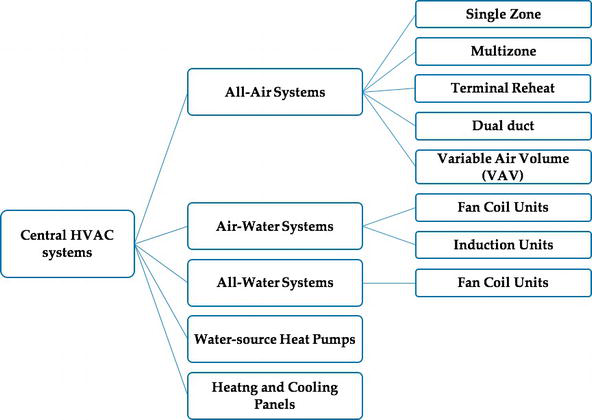
4. Central HVAC Systems
Central HVAC systems are often found in larger buildings and homes where central heating and cooling are required. These systems utilize a network of ducts to distribute conditioned air throughout the building from a central location. Central systems can utilize a variety of heating and cooling sources, including furnaces, boilers, chillers, and heat pumps.
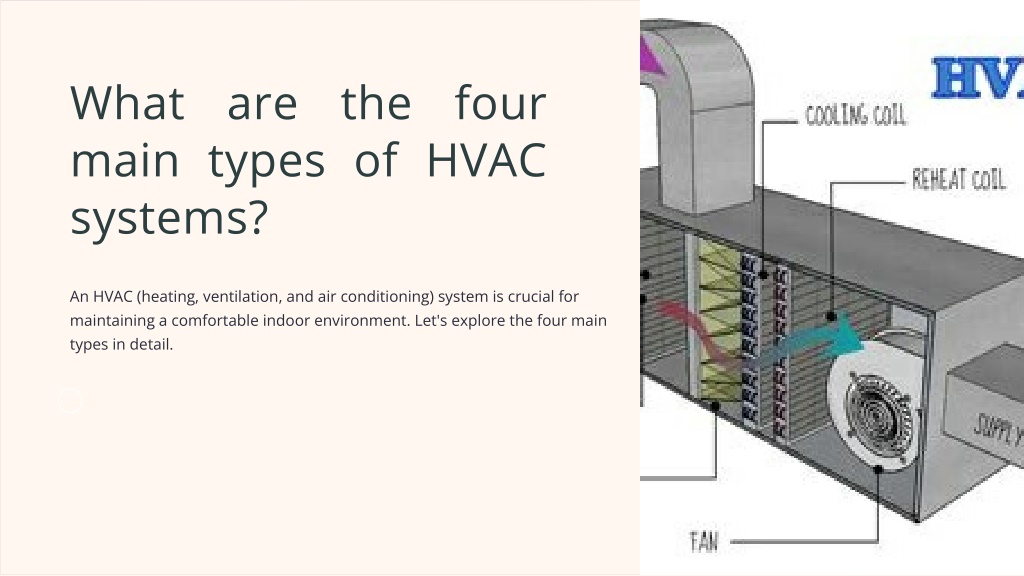
Operation: A central air handler draws air from the building, conditions it (heats or cools), and then forces it through the ductwork to vents in each room. A thermostat controls the temperature settings for the entire building or, in some cases, individual zones.
Advantages of Central HVAC Systems:
- Even Temperature Distribution: Provides consistent temperature throughout the building.
- Centralized Control: Easy to control the temperature from a single thermostat.
- Air Filtration: Often includes advanced air filtration systems to improve indoor air quality.
Disadvantages of Central HVAC Systems:
- Ductwork Required: Requires extensive ductwork, which can be expensive to install and maintain.
- Energy Losses: Ductwork can lead to significant energy losses if not properly sealed and insulated.
- Zoning Limitations: Zoning capabilities are often limited unless a sophisticated zoning system is installed.
- Installation Complexity: Can be complex and costly to install, especially in existing buildings.
Typical Applications: Large homes, office buildings, schools, hospitals, shopping malls.
Energy Efficiency Ratings: Depends on the type of heating and cooling source used. For furnaces, look for high AFUE ratings. For chillers, look for low kW/ton ratings, which indicate the energy consumption per ton of cooling capacity. Properly insulating ductwork is critical to maximizing efficiency in central systems.
Lifespan: 15-25 years, depending on the components and maintenance schedule. Boilers can sometimes last longer than furnaces.
Conclusion: Choosing the right HVAC system depends on various factors, including budget, building size, climate, and individual comfort preferences. Understanding the basic categories of HVAC systems—split systems, packaged systems, ductless mini-splits, and central systems—is essential for making an informed decision. Consulting with a qualified HVAC professional can help you determine the best system for your specific needs, ensuring optimal comfort, energy efficiency, and long-term cost savings. Remember to consider seasonal energy consumption and invest in regular maintenance to maximize the lifespan and performance of your chosen system.