4 To 20 Ma Signal Generator

In the quest for lower energy bills and a smaller carbon footprint, understanding the intricacies of your HVAC (Heating, Ventilation, and Air Conditioning) system is crucial. One often-overlooked component that plays a vital role in ensuring your HVAC system operates efficiently is the 4 to 20 mA signal generator. While it might sound technical, grasping the basics of this device can empower you to optimize your energy consumption, potentially save money, and even integrate your system with smart home technologies.
What is a 4 to 20 mA Signal Generator?
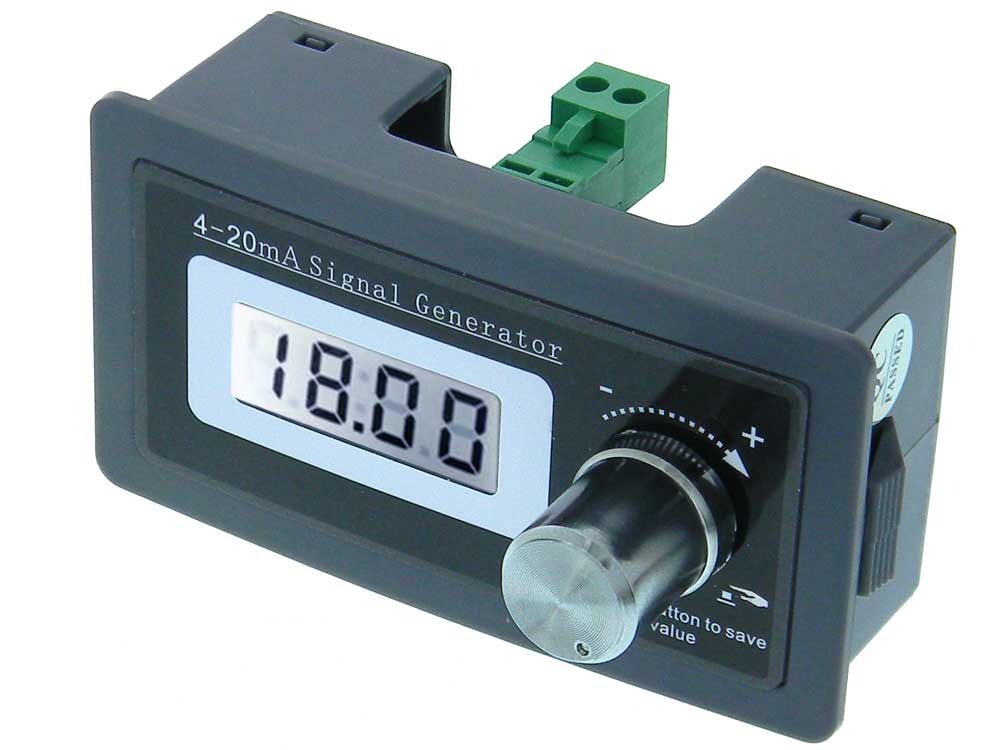
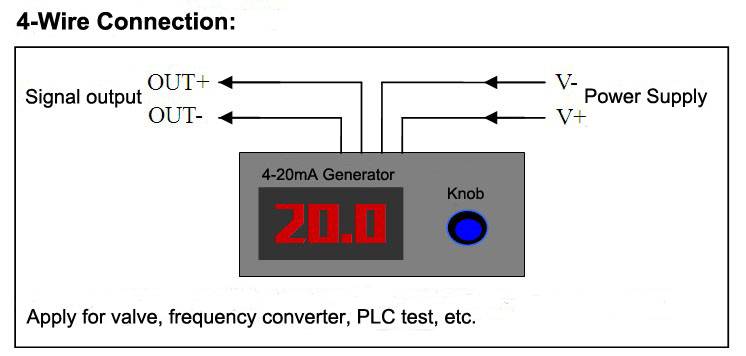
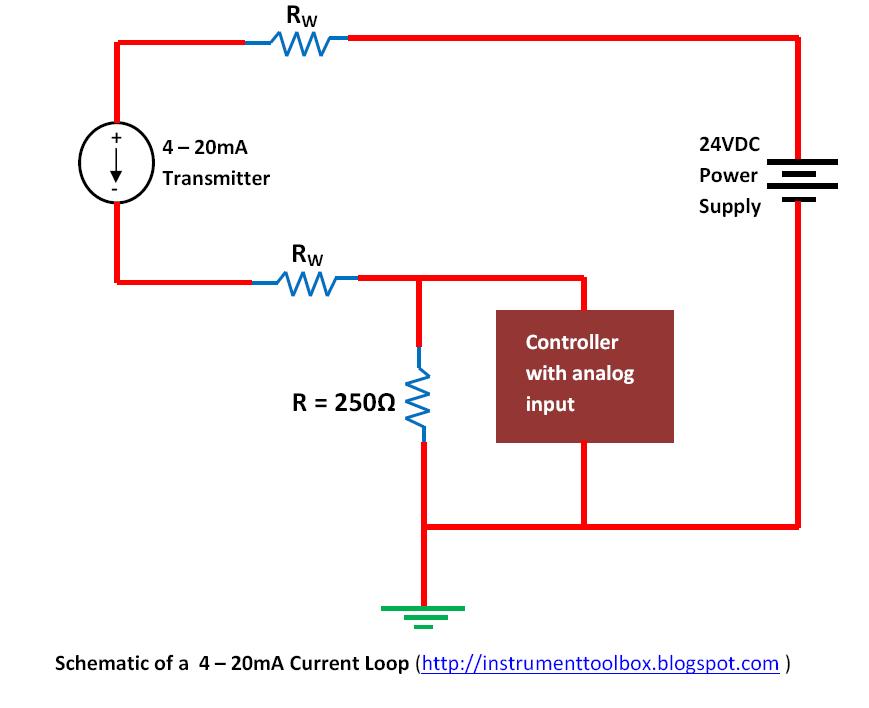
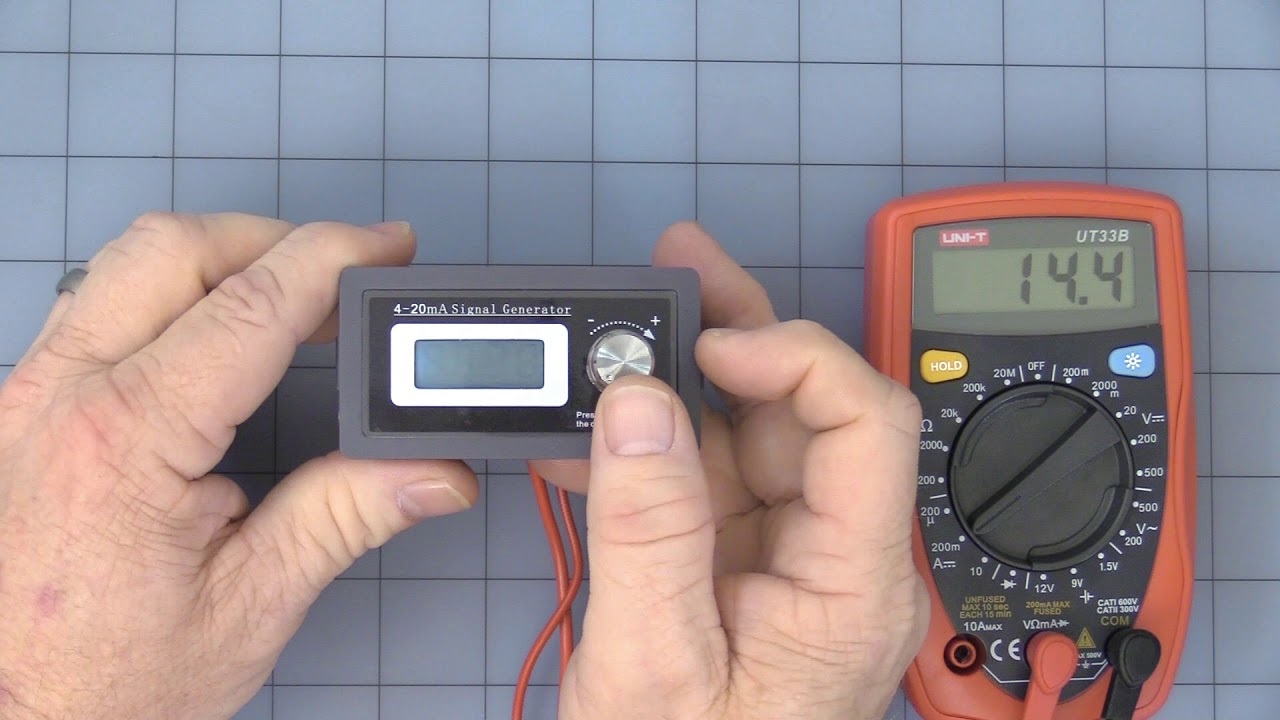
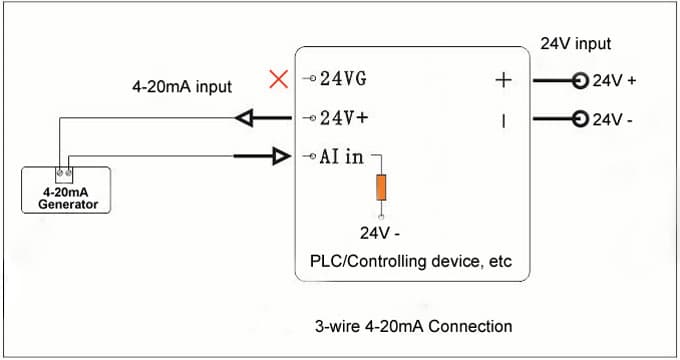
Simply put, a 4 to 20 mA signal generator is a device that outputs an analog current signal ranging from 4 to 20 milliamperes (mA). This standardized signal is widely used in industrial automation and building management systems, including HVAC, to transmit information from sensors to controllers. Think of it as a standardized language that different components in your system use to communicate.
Why 4 to 20 mA instead of, say, 0 to 10 volts? The current loop system offers several advantages:
- Noise Immunity: Current signals are less susceptible to voltage drops caused by long wire runs and electrical interference.
- Fault Detection: A signal below 4 mA typically indicates a broken wire or sensor failure, providing built-in diagnostics.
- Standardization: The 4 to 20 mA standard ensures compatibility between different manufacturers' equipment.
In HVAC applications, the 4 to 20 mA signal often represents a physical parameter such as:
- Temperature
- Pressure
- Humidity
- Airflow
For example, a temperature sensor might output 4 mA at 50°F and 20 mA at 100°F. The controller then interprets this signal to adjust the heating or cooling output accordingly.
How is it Used in HVAC Systems?
The 4 to 20 mA signal generator finds application in various aspects of HVAC systems. Here are some common examples:
Temperature Control
Temperature sensors connected to 4 to 20 mA transmitters are used to monitor room temperature, supply air temperature, and return air temperature. This information is fed back to the HVAC controller, which adjusts the heating or cooling output to maintain the desired setpoint. Consider a smart thermostat. The temperature sensor within the thermostat often uses a 4 to 20 mA signal to communicate the current temperature reading to the central control unit, allowing for precise temperature adjustments and energy-efficient operation.
Pressure Monitoring
Pressure sensors, also utilizing 4 to 20 mA transmitters, monitor duct pressure, filter differential pressure, and refrigerant pressure. Maintaining proper duct pressure ensures adequate airflow and efficient distribution of conditioned air. Monitoring filter differential pressure indicates when filters need to be replaced, preventing reduced airflow and increased energy consumption. Refrigerant pressure monitoring is crucial for optimizing the performance of refrigeration systems.
Airflow Measurement
Airflow sensors connected to 4 to 20 mA transmitters measure the volume of air moving through ducts. This information is used to balance airflow in different zones of a building, ensuring consistent comfort and energy efficiency. Variable Air Volume (VAV) systems heavily rely on 4-20mA signals from airflow sensors to dynamically adjust the amount of conditioned air delivered to each zone based on occupancy and thermal load.
Valve and Damper Control
Actuators that control valves and dampers often receive 4 to 20 mA signals. These signals dictate the position of the valve or damper, regulating the flow of water or air. This precise control is essential for optimizing the performance of heating and cooling coils, as well as for maintaining proper ventilation.
Benefits of Using 4 to 20 mA Signals in HVAC
Employing 4 to 20 mA signal generators and systems offers numerous advantages for both homeowners and businesses:
- Improved Energy Efficiency: Precise control over HVAC components translates to reduced energy waste. By accurately monitoring and adjusting parameters like temperature, pressure, and airflow, the system operates closer to its optimal efficiency point.
- Reduced Operating Costs: Lower energy consumption directly leads to lower utility bills. Furthermore, early detection of equipment failures through the 4 to 20 mA signal loop can prevent costly repairs and downtime.
- Enhanced Comfort: Maintaining consistent temperature and airflow throughout a building improves occupant comfort.
- Extended Equipment Lifespan: Optimized operation reduces stress on HVAC components, extending their lifespan and reducing the frequency of replacements.
- Seamless Smart Home Integration: 4 to 20 mA signals can be easily integrated with smart home systems and Building Management Systems (BMS). This allows for remote monitoring and control of your HVAC system, further enhancing energy efficiency and convenience.
Integrating with Smart Home Technology and BMS
The beauty of the 4 to 20 mA signal is its compatibility with modern smart home and building automation systems. By using appropriate interface modules, you can translate these signals into digital data that can be interpreted by a smart thermostat, a central hub, or a full-fledged BMS.
Imagine this scenario: you're away on vacation, and your smart thermostat detects an unusually low temperature in your home. Because it's integrated with the HVAC system via 4 to 20 mA signals, it can automatically adjust the heating output to prevent pipes from freezing, saving you from potential water damage and expensive repairs. This level of proactive control is a hallmark of a well-integrated smart home.
For businesses, a BMS can leverage 4 to 20 mA signals to optimize HVAC performance across the entire building. This includes features like:
- Occupancy-based control: Adjusting heating and cooling based on real-time occupancy data.
- Demand response: Reducing energy consumption during peak demand periods to lower costs.
- Predictive maintenance: Identifying potential equipment failures before they occur.
Potential ROI and Energy Savings
The return on investment (ROI) for implementing or optimizing a 4 to 20 mA-based HVAC control system can be significant. The exact savings will vary depending on factors such as the size of the building, the climate, and the existing HVAC system.
However, studies have shown that implementing advanced HVAC control strategies, including those that rely on 4 to 20 mA signals, can reduce energy consumption by 10% to 30%. For a large commercial building, this can translate to tens of thousands of dollars in annual savings.
Furthermore, many utility companies offer rebates and incentives for implementing energy-efficient HVAC upgrades. Check with your local utility provider to see what programs are available in your area. Energy Star also provides valuable resources and guidelines for optimizing your HVAC system.
Consider this example: A small business spends $5,000 annually on HVAC-related energy costs. By investing in a smart thermostat and optimizing their HVAC system using 4 to 20 mA signals, they reduce their energy consumption by 15%. This translates to annual savings of $750. Over a five-year period, the total savings would be $3,750, representing a significant return on investment.
Choosing the Right 4 to 20 mA Signal Generator and Components
Selecting the right 4 to 20 mA signal generator and related components is crucial for ensuring optimal performance and reliability. Here are some factors to consider:
- Accuracy: Ensure the signal generator provides accurate and stable output signals.
- Resolution: Choose a signal generator with sufficient resolution to meet the needs of your application.
- Durability: Select components that are designed to withstand the harsh conditions of the HVAC environment.
- Compatibility: Ensure that all components are compatible with each other and with your existing HVAC system.
- Calibration: Regular calibration is essential for maintaining the accuracy of the signal generator.
Consult with a qualified HVAC contractor or automation specialist to determine the best components for your specific needs.
Troubleshooting Common Issues
While 4 to 20 mA systems are generally reliable, occasional issues may arise. Here are some common problems and troubleshooting tips:
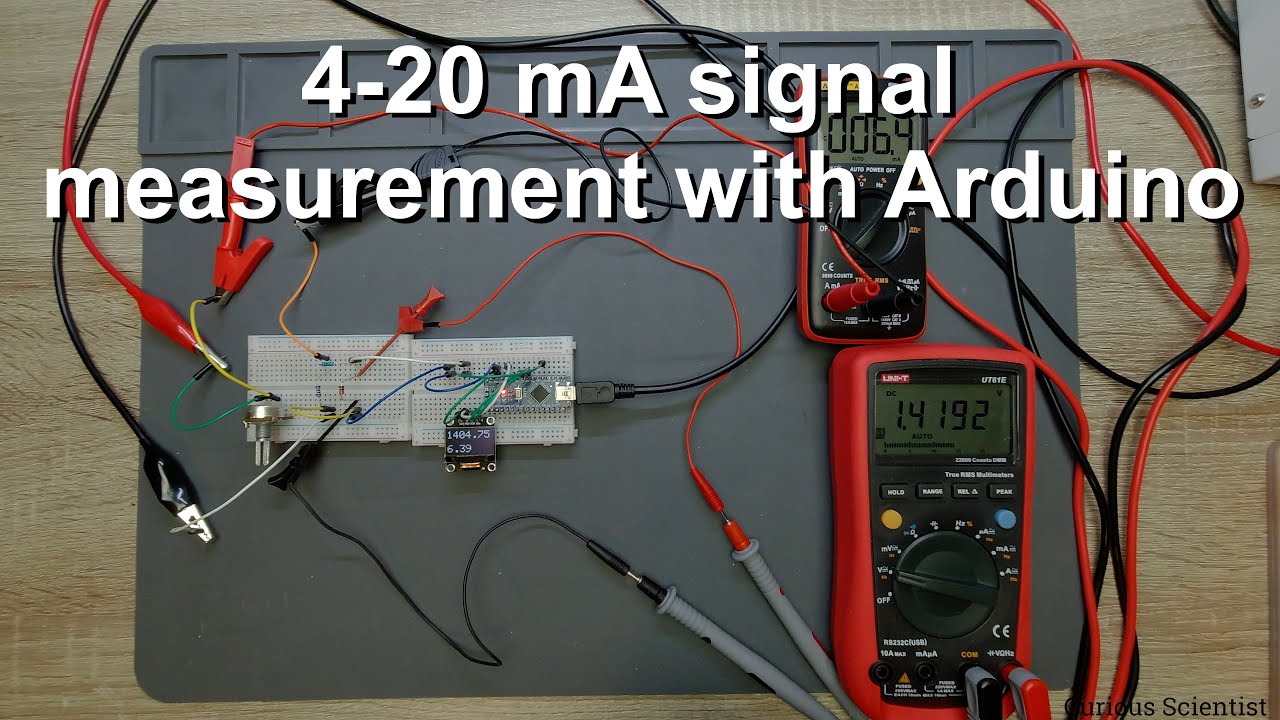
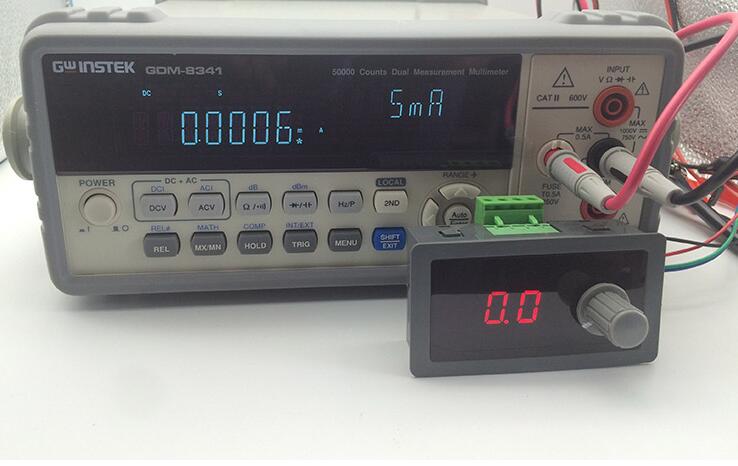
- Signal outside the 4 to 20 mA range: This could indicate a sensor failure, wiring problem, or a faulty signal generator. Check the sensor, wiring, and signal generator with a multimeter.
- Erratic signal: This could be caused by electrical noise, loose connections, or a faulty sensor. Shielded cables and proper grounding can help reduce electrical noise.
- Incorrect readings: This could be due to a miscalibrated sensor or signal generator. Recalibrate the components according to the manufacturer's instructions.
When in doubt, consult with a qualified HVAC technician. They have the expertise and tools to diagnose and repair complex HVAC control systems.
Conclusion
Understanding the role of the 4 to 20 mA signal generator in your HVAC system is key to optimizing energy efficiency, reducing operating costs, and enhancing comfort. Whether you're a homeowner looking to upgrade to a smart thermostat or a business seeking to implement a comprehensive building management system, leveraging the power of 4 to 20 mA signals can unlock significant energy savings and improve the overall performance of your HVAC system. By embracing this technology and working with qualified professionals, you can create a more sustainable and cost-effective environment for years to come. Remember to explore available rebates and incentives to maximize your ROI and contribute to a greener future.