4 Ton Vs 5 Ton Air Conditioner

Choosing the right air conditioner for your home is a crucial decision that impacts both comfort and energy efficiency. Among the various sizes available, the 4 ton and 5 ton AC units are popular choices. This article will help you understand the differences between them, allowing you to make an informed decision about which size is best suited for your needs. This guide will explore key differences, factors to consider during selection, and when it's time to call in a professional.
Understanding AC Tonnage: More Than Just Weight
The term "ton" in air conditioning doesn't refer to the physical weight of the unit. Instead, it signifies the cooling capacity. One ton equals 12,000 BTUs (British Thermal Units) per hour. Therefore:
- 4 ton AC = 48,000 BTUs per hour
- 5 ton AC = 60,000 BTUs per hour
The higher the BTU rating, the more cooling power the unit possesses. Selecting the right tonnage for your home is vital. An undersized unit will struggle to cool the space adequately, leading to discomfort and higher energy bills. An oversized unit, on the other hand, will cycle on and off frequently, resulting in poor dehumidification, uneven temperatures, and increased wear and tear.
Key Differences Between 4 Ton and 5 Ton AC Units
Beyond the obvious difference in cooling capacity, several other factors differentiate 4 ton and 5 ton AC units:
Cooling Capacity
A 5 ton AC unit provides 12,000 BTUs more cooling power than a 4 ton AC unit. This translates to the ability to cool a larger area more effectively.
Physical Size
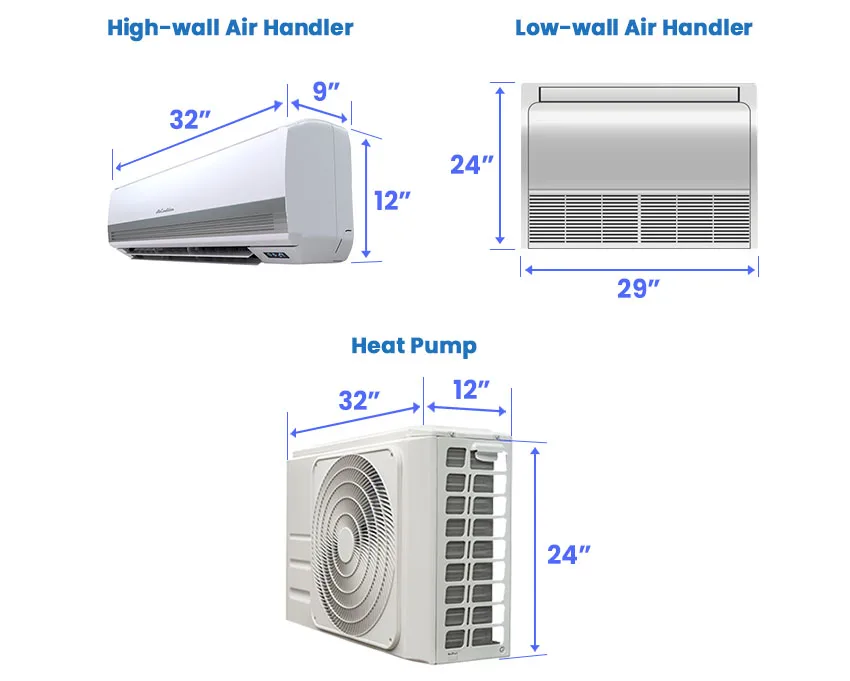
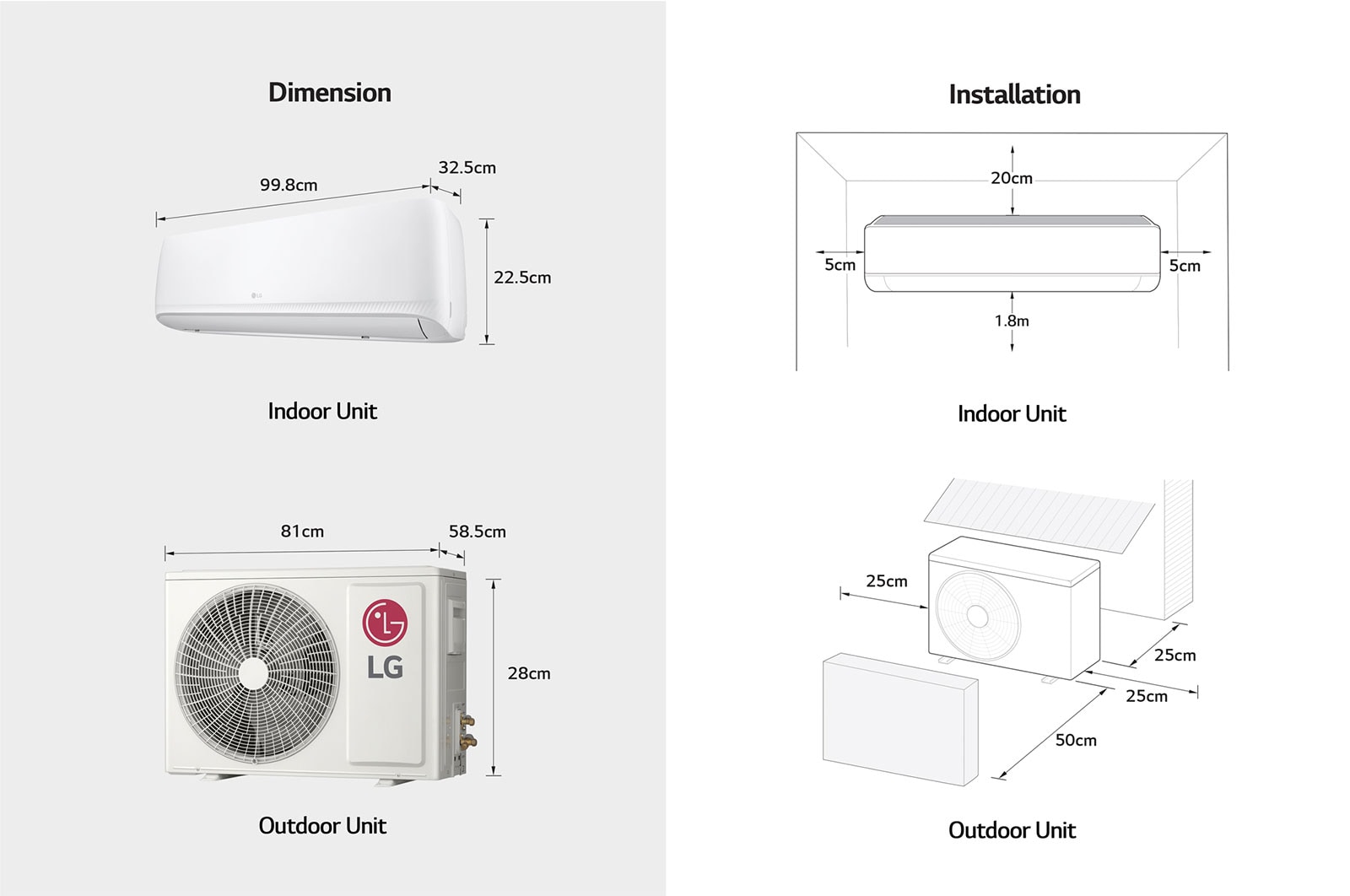
Generally, a 5 ton AC unit will be physically larger than a 4 ton AC unit. This impacts installation space requirements. Be sure to measure the available space before purchasing a new unit.
Energy Consumption
A 5 ton AC unit consumes more energy than a 4 ton AC unit to produce its higher cooling output. This will result in higher monthly electricity bills. Consider the unit's SEER (Seasonal Energy Efficiency Ratio) rating. A higher SEER rating indicates better energy efficiency. Look for Energy Star certified models to maximize energy savings.
Cost
The initial purchase price of a 5 ton AC unit is typically higher than that of a 4 ton AC unit. Installation costs may also be higher due to the larger size and more complex electrical requirements.
Factors to Consider When Choosing Between 4 Ton and 5 Ton
Several factors determine the appropriate AC tonnage for your home. Here are some of the most important:
Square Footage
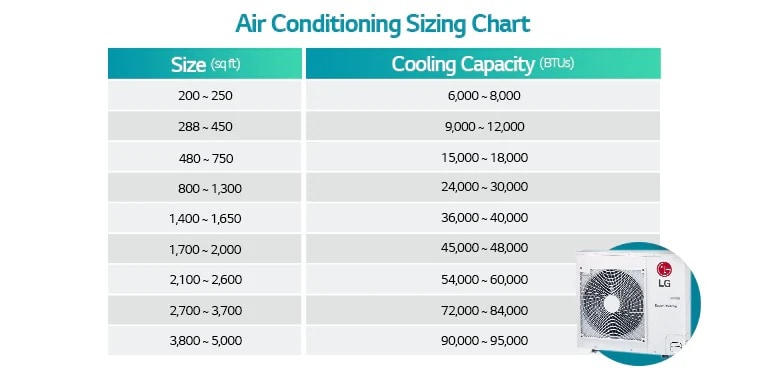
Square footage is a primary factor. As a general guideline:
- 4 ton AC: Typically suitable for homes between 1,600 and 2,000 square feet.
- 5 ton AC: Typically suitable for homes between 2,000 and 2,500 square feet.
However, this is just a starting point. Other factors can influence the cooling load.
Climate
Homes in hotter climates generally require higher tonnage than homes in milder climates. Consider the average temperature and humidity levels in your area.
Insulation
Proper insulation minimizes heat transfer, reducing the cooling load. Well-insulated homes require less AC tonnage than poorly insulated homes. Check your attic and wall insulation levels.
Windows
Windows are a major source of heat gain. The number, size, and type of windows in your home affect the cooling load. Consider using energy-efficient windows or window treatments to reduce heat gain.
Ceiling Height
Homes with higher ceilings have a larger volume of air to cool, requiring more AC tonnage.
Orientation
The direction your home faces can impact the amount of sunlight it receives. Homes facing south or west typically require more cooling than homes facing north or east.
Number of Occupants
More occupants generate more heat, increasing the cooling load. Consider the number of people who regularly occupy your home.
When to Call a Professional: Load Calculation
Determining the precise AC tonnage for your home requires a professional load calculation. HVAC technicians use specialized software and tools to assess all the factors mentioned above and provide an accurate recommendation. A professional load calculation ensures you select the right size AC unit for optimal performance and energy efficiency. Avoid relying solely on rules of thumb or online calculators. Consulting a qualified HVAC technician is crucial for making an informed decision.
DIY Troubleshooting and Maintenance: Keeping Your AC Running Smoothly
While selecting the right AC size requires professional expertise, there are several DIY tasks you can perform to keep your AC running smoothly:
Regular Filter Changes
A dirty air filter restricts airflow, reducing cooling efficiency and potentially damaging the AC unit. Change your air filter every 1-3 months, depending on usage and air quality. This is one of the simplest and most effective ways to maintain your AC system.
Cleaning the Outdoor Unit
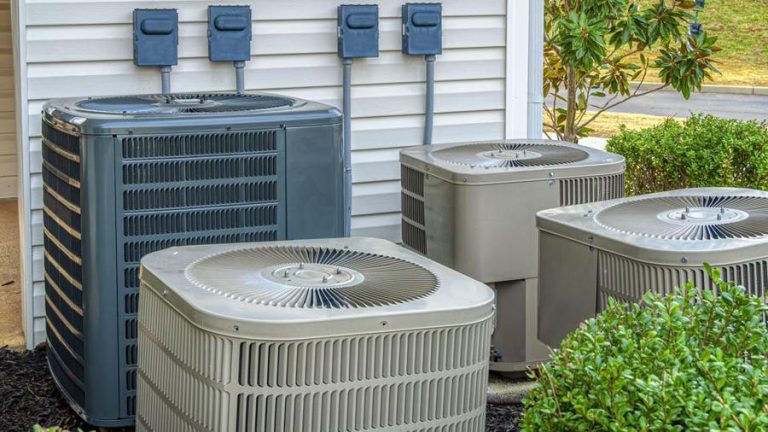
The outdoor unit (condenser) can accumulate dirt, leaves, and debris, hindering heat transfer. Regularly clean the outdoor unit by gently spraying it with a garden hose. Be careful not to damage the fins. Turn off the power to the unit before cleaning.
Checking the Drain Line
The condensate drain line can become clogged with algae and debris, causing water to back up and potentially damage your home. Periodically check the drain line for clogs and clear them as needed. You can use a wet/dry vacuum or a stiff wire to remove obstructions.
Inspecting Ductwork
Leaky ductwork can significantly reduce cooling efficiency. Inspect your ductwork for visible leaks and seal them with duct tape or mastic sealant. Consider hiring a professional to perform a duct leakage test and seal any hidden leaks.
Tools for Basic AC Maintenance:
- Screwdrivers (various sizes)
- Wrench set
- Vacuum cleaner with hose attachment
- Fin comb
- Duct tape or mastic sealant
- Garden hose
Safety First: Electrical Considerations
Warning: Working with electrical components can be dangerous. Always turn off the power to the AC unit at the breaker box before performing any maintenance or repairs. If you are not comfortable working with electricity, call a qualified electrician or HVAC technician.
When to Call a Professional: Beyond DIY
While basic maintenance can extend the life of your AC unit, certain repairs require professional expertise. Call a qualified HVAC technician if you encounter any of the following issues:
- Refrigerant leaks
- Compressor problems
- Electrical issues
- Unusual noises or smells
- Significant drop in cooling performance
Attempting to repair complex AC problems without proper training and equipment can be dangerous and may void your warranty. Know your limitations and seek professional help when needed.
Estimated Repair Costs
Please note that these are just estimates and actual costs may vary depending on your location, the specific problem, and the contractor you choose. Always get multiple quotes before proceeding with any repairs.
- Refrigerant Recharge: $200 - $500
- Compressor Replacement: $800 - $2,000
- Capacitor Replacement: $100 - $300
- Blower Motor Replacement: $300 - $800
- Evaporator Coil Replacement: $1,000 - $2,500
Common AC Problems and Solutions
Here's a table summarizing some common AC problems and potential solutions:
| Problem | Possible Causes | DIY Solutions | When to Call a Pro |
|---|---|---|---|
| AC not cooling | Dirty air filter, refrigerant leak, compressor issue | Change air filter, check for visible refrigerant leaks (call a pro if found) | If filter is clean and cooling is still poor |
| AC blowing warm air | Refrigerant leak, compressor issue, frozen evaporator coil | Check air filter, ensure outdoor unit is not blocked | If warm air persists after checking filter and outdoor unit |
| AC making strange noises | Loose parts, failing motor, refrigerant leak | Tighten any loose screws or panels | If noises persist or worsen |
| AC short cycling (turning on and off frequently) | Oversized AC unit, dirty air filter, refrigerant leak | Change air filter | If short cycling continues after changing filter |
| Water leaking from AC unit | Clogged drain line, frozen evaporator coil | Clear drain line | If leak persists after clearing drain line |
Making the Right Choice: 4 Ton or 5 Ton?
Choosing between a 4 ton and 5 ton AC unit depends on a variety of factors, including square footage, climate, insulation, and window efficiency. While general guidelines can provide a starting point, a professional load calculation is essential for accurate sizing. Remember to prioritize energy efficiency by selecting a unit with a high SEER rating and consider Energy Star certified models. By understanding the key differences and consulting with a qualified HVAC technician, you can make an informed decision that will ensure optimal comfort and energy savings for years to come.
Regular maintenance, such as changing air filters and cleaning the outdoor unit, can help extend the life of your AC system and prevent costly repairs. However, complex repairs should always be handled by a qualified professional. By following these guidelines, you can keep your AC running smoothly and efficiently, ensuring a comfortable and healthy home environment.